Now Reading: Discovering the Hidden Gems of Malawi
-
01
Discovering the Hidden Gems of Malawi
Discovering the Hidden Gems of Malawi

Malawi, known as the “Warm Heart of Africa,” is a southeastern African nation bordered by Zambia, Tanzania, and Mozambique. Despite its compact size, the country features remarkable natural diversity, including Lake Malawi’s extensive shoreline and the prominent Mulanje Mountain. Malawi’s landscape encompasses various ecosystems that support distinctive wildlife and plant species.
The country blends traditional customs with contemporary influences across its numerous ethnic communities. Malawians are recognized for their hospitality, creating a welcoming atmosphere for visitors. Tourism has steadily increased in recent years as more travelers discover Malawi’s attractions.
Malawi offers various experiences for visitors, from water activities on Lake Malawi to hiking in mountainous regions. The country’s markets showcase local crafts, while its national parks and wildlife reserves provide opportunities to observe indigenous species. Both natural landscapes and cultural sites contribute to Malawi’s appeal as a travel destination.
Key Takeaways
- Lake Malawi offers pristine, untouched natural beauty perfect for exploration.
- Mulanje Mountain provides majestic trekking experiences for adventure seekers.
- Majete Wildlife Reserve and Liwonde National Park are key spots for diverse wildlife encounters.
- Malawi’s vibrant markets and rich cultural heritage showcase unique crafts and traditions.
- The warm hospitality and delicious local cuisine enhance the overall travel experience.
Exploring the Untouched Beauty of Lake Malawi
Lake Malawi, one of Africa’s largest lakes, is a UNESCO World Heritage site that stretches over 560 kilometers in length and covers an area of approximately 29,600 square kilometers. The lake is renowned for its crystal-clear waters, sandy beaches, and diverse aquatic life, making it a paradise for nature lovers and water sports enthusiasts. The lake is home to more than 1,000 species of fish, including the colorful cichlids that attract snorkelers and divers from around the globe.
The surrounding areas of Lake Malawi are equally captivating, with numerous islands and secluded beaches offering tranquil spots for relaxation. Places like Likoma Island and Chizumulu Island provide visitors with an opportunity to escape the hustle and bustle of everyday life while immersing themselves in the natural beauty of the region. The sunsets over the lake are nothing short of spectacular, painting the sky with hues of orange and pink as the sun dips below the horizon.
Uncovering the Rich Cultural Heritage of Malawi
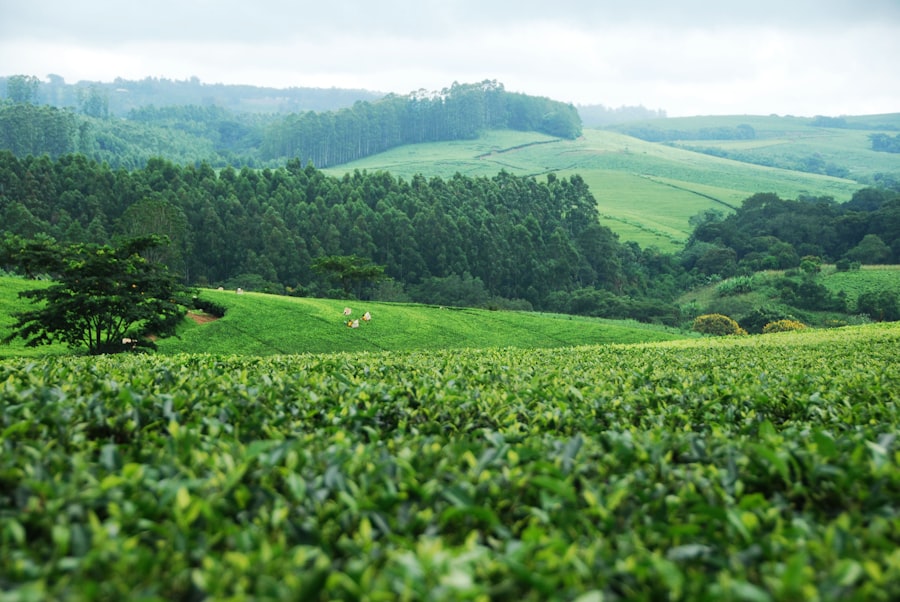
Malawi’s cultural heritage is a tapestry woven from various ethnic groups, each contributing to the country’s rich traditions and customs. The major ethnic groups include the Chewa, Tumbuka, Yao, and Ngoni, among others. Each group has its own unique language, music, dance, and art forms that reflect their history and way of life.
Traditional ceremonies, such as weddings and initiation rites, are vibrant celebrations that showcase the cultural diversity of Malawi. Visitors can engage with local communities through cultural tours that offer insights into traditional practices and lifestyles.
The warmth and hospitality of the Malawian people create an inviting atmosphere that encourages meaningful interactions and cultural exchange.
Trekking through the Majestic Mulanje Mountain
Majestic Mulanje Mountain stands as a sentinel over southern Malawi, rising to an impressive height of 3,002 meters at its highest peak, Sapitwa. This granite massif is a haven for trekkers and outdoor enthusiasts seeking adventure amidst breathtaking scenery. The mountain is adorned with lush forests, cascading waterfalls, and unique flora and fauna that thrive in its diverse ecosystems.
Trekking routes on Mulanje offer varying levels of difficulty, catering to both novice hikers and seasoned adventurers. The most popular trails lead to stunning viewpoints where trekkers can marvel at panoramic vistas of the surrounding landscape. The experience is further enriched by encounters with local guides who share their knowledge about the mountain’s ecology and cultural significance.
For those seeking a more immersive experience, overnight camping on the mountain allows for stargazing under clear African skies.
Discovering the Wildlife in Majete Wildlife Reserve
| Metric | Value | Year |
|---|---|---|
| Population | 19.7 million | 2023 |
| GDP (Nominal) | 12.5 billion | 2023 |
| GDP per Capita | 635 | 2023 |
| Life Expectancy | 65 years | 2023 |
| Literacy Rate | 62% | 2023 |
| Unemployment Rate | 6.5% | 2023 |
| Main Export | Tobacco | 2023 |
| Capital City | Lilongwe | – |
Majete Wildlife Reserve is a conservation success story that showcases Malawi’s commitment to wildlife preservation. Once depleted of its wildlife due to poaching and habitat loss, the reserve has undergone significant restoration efforts since its establishment in 1955. Today, Majete is home to a diverse array of wildlife species, including elephants, lions, leopards, and various antelope species.
Visitors to Majete can embark on guided safari tours that provide opportunities for wildlife viewing in their natural habitats. The reserve’s varied landscapes, including savannahs and riverine forests, create ideal conditions for spotting animals in action. Birdwatchers will also find delight in Majete’s avian diversity, with over 300 bird species recorded within its boundaries.
The combination of wildlife encounters and stunning scenery makes Majete Wildlife Reserve a must-visit destination for nature enthusiasts.
Immersing in the Serenity of Liwonde National Park

Liwonde National Park is another gem in Malawi’s crown of natural wonders. Situated along the banks of the Shire River, this park offers a serene environment teeming with wildlife and lush vegetation. The park is particularly famous for its large elephant population and diverse birdlife, making it a prime location for both game drives and boat safaris.
Exploring Liwonde by boat provides a unique perspective on its ecosystems as visitors glide along the river while observing hippos basking in the sun and crocodiles lounging on riverbanks. The tranquility of the park allows for moments of reflection amidst nature’s beauty. Guided walking safaris are also available for those seeking a more intimate experience with the wilderness.
Experiencing the Vibrant Markets and Crafts of Malawi
Malawi’s markets are vibrant hubs of activity where locals gather to buy and sell goods ranging from fresh produce to handmade crafts. Visiting these markets offers travelers an authentic glimpse into daily life in Malawi while providing opportunities to purchase unique souvenirs. The bustling atmosphere is filled with colorful stalls showcasing traditional textiles, pottery, wood carvings, and jewelry crafted by skilled artisans.
Engaging with local vendors not only supports their livelihoods but also fosters connections between cultures. Many artisans are eager to share their stories and techniques behind their crafts, enriching visitors’ understanding of Malawian culture. Markets such as Blantyre’s Soche Market or Lilongwe’s Old Town Market are must-visit destinations for those looking to immerse themselves in local life.
Sampling the Delicious Cuisine of Malawi
Malawian cuisine is a delightful fusion of flavors influenced by various cultures and traditions. Staples such as nsima (a maize porridge) serve as the foundation for many meals and are often accompanied by vegetables, fish, or meat dishes. Freshwater fish from Lake Malawi is particularly popular, with options like chambo (tilapia) being a local favorite.
Street food vendors offer an array of delicious snacks that provide a taste of Malawian culinary culture. From grilled maize on a cob to spicy samosas filled with meat or vegetables, there is no shortage of flavors to explore. Dining at local restaurants allows visitors to savor traditional dishes while enjoying warm hospitality from restaurant staff eager to share their culinary heritage.
Engaging in Water Sports and Activities at Cape Maclear
Cape Maclear is a picturesque destination located on the shores of Lake Malawi that offers an array of water sports and activities for adventure seekers. The area is renowned for its stunning beaches and vibrant underwater ecosystems, making it an ideal spot for snorkeling and scuba diving enthusiasts. The clear waters provide excellent visibility for exploring coral reefs teeming with colorful fish.
Kayaking along the shoreline allows visitors to appreciate the beauty of Cape Maclear from a different perspective while enjoying the gentle lapping of waves against their kayaks. For those seeking relaxation, sunbathing on sandy beaches or enjoying a sunset cruise on the lake provides moments of tranquility amidst nature’s splendor.
Unearthing the Historical Sites and Landmarks of Malawi
Malawi’s history is rich with stories that reflect its cultural evolution over centuries. Historical sites such as Fort Lister in Zomba serve as reminders of colonial influences on Malawian society. The fort was built during British colonial rule as a military outpost but has since become a symbol of resilience and heritage.
Another significant landmark is the Kamuzu Banda Mausoleum in Lilongwe, dedicated to Malawi’s first president who played a pivotal role in shaping the nation’s identity post-independence. Visitors can explore these sites while gaining insights into Malawi’s past through guided tours that highlight key events and figures in its history.
Embracing the Warm Hospitality of the Malawian People
The true essence of Malawi lies in its people—known for their warmth and hospitality that leaves a lasting impression on visitors. Malawians take pride in their culture and are eager to share their traditions with travelers from around the world. Whether it’s through friendly greetings or inviting smiles, visitors often feel welcomed as part of the community.
Engaging with locals through community-based tourism initiatives fosters meaningful connections while supporting sustainable development efforts within communities. Participating in cultural exchanges or volunteering opportunities allows travelers to contribute positively while experiencing authentic Malawian life firsthand. In summary, Malawi is a treasure trove of hidden gems waiting to be explored by adventurous travelers seeking natural beauty, rich culture, and warm hospitality.
From the pristine shores of Lake Malawi to majestic mountains and vibrant markets filled with crafts and cuisine—each experience offers unique insights into this captivating country’s heart and soul. Embrace all that Malawi has to offer; it promises unforgettable memories that will linger long after your journey ends.
Malawi, known for its stunning landscapes and rich cultural heritage, is a destination that captivates many travelers. If you’re interested in exploring how different cultures celebrate significant events, you might find the article on Juneteenth enlightening. It discusses America’s newest federal holiday and its importance in the context of freedom and history. You can read more about it here: Juneteenth: America’s Newest Federal Holiday.
FAQs
What is Malawi?
Malawi is a landlocked country located in southeastern Africa. It is known for its diverse wildlife, beautiful landscapes, and Lake Malawi, one of the largest lakes in Africa.
What is the capital city of Malawi?
The capital city of Malawi is Lilongwe, which is also the largest city in the country.
What languages are spoken in Malawi?
The official languages of Malawi are English and Chichewa. Chichewa is widely spoken as a national language.
What is the population of Malawi?
As of recent estimates, Malawi has a population of approximately 20 million people.
What is the currency used in Malawi?
The currency used in Malawi is the Malawian kwacha (MWK).
What is the climate like in Malawi?
Malawi has a tropical climate with a rainy season from November to April and a dry season from May to October. Temperatures vary depending on altitude but are generally warm.
What are the main economic activities in Malawi?
Malawi’s economy is primarily based on agriculture, including the cultivation of tobacco, tea, sugarcane, and coffee. Fishing and tourism also contribute to the economy.
Is Malawi a safe country to visit?
Malawi is generally considered safe for tourists, but like any country, visitors should take standard precautions, especially in urban areas and at night.
What are some popular tourist attractions in Malawi?
Popular attractions include Lake Malawi National Park, Liwonde National Park, Mount Mulanje, and the cultural sites in Lilongwe and Blantyre.
What is the time zone of Malawi?
Malawi operates on Central Africa Time (CAT), which is UTC+2 hours.