Now Reading: Discovering the Hidden Gem of Amrum
-
01
Discovering the Hidden Gem of Amrum
Discovering the Hidden Gem of Amrum
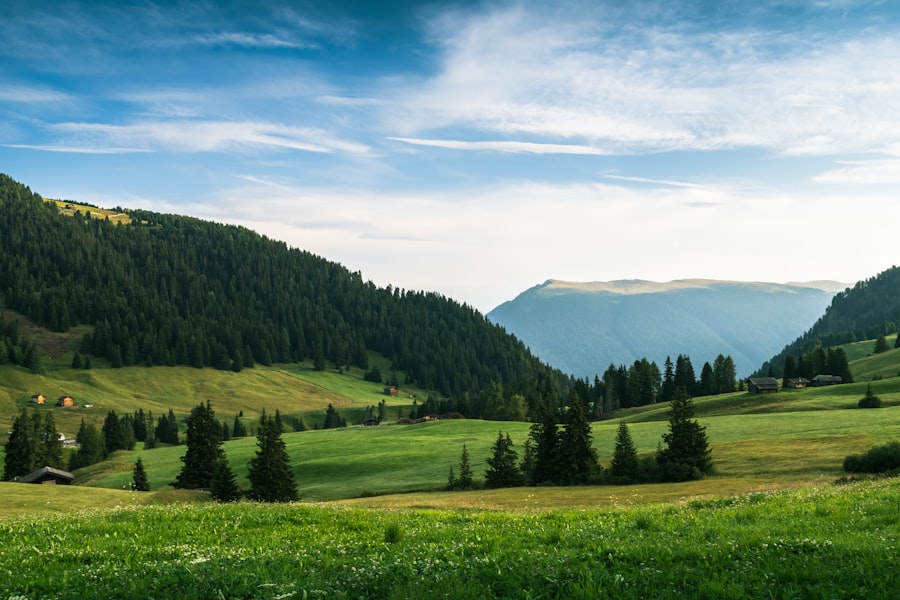
Amrum is an island in the North Frisian archipelago, located in the German state of Schleswig-Holstein within the Wadden Sea. The island covers approximately 20 square kilometers and has a population of around 2,000 residents. It is situated between the islands of Föhr and Sylt, accessible by ferry from the mainland port of Dagebüll.
The island’s topography consists of sandy beaches, dunes, meadows, marshlands, and tidal flats. These varied landscapes form part of the Wadden Sea ecosystem, which has been designated as a UNESCO World Heritage Site due to its ecological importance. The diverse habitats support numerous plant and animal species, including migratory birds that use the area as a stopover point along the East Atlantic Flyway.
Amrum’s economy is primarily based on tourism, with visitors drawn to its beaches, nature reserves, and traditional North Frisian architecture. The island maintains its cultural heritage through the preservation of local customs, dialect, and historical buildings that reflect its maritime history and connection to the broader North Frisian cultural region.
Key Takeaways
- Amrum is a picturesque island known for its rich history and stunning natural landscapes.
- The island boasts unique cultural traditions that offer visitors an authentic local experience.
- Popular activities include exploring sandy beaches, nature reserves, and engaging in water sports.
- Visitors can enjoy a variety of local culinary specialties that highlight regional flavors.
- Practical tips and hidden gems help ensure a memorable and well-rounded visit to Amrum.
The Rich History of Amrum
Amrum’s history is deeply intertwined with the maritime heritage of the North Sea. Archaeological findings suggest that the island has been inhabited since the Stone Age, with evidence of early settlements dating back thousands of years. The island’s strategic location made it a crucial point for trade and navigation, leading to its development as a significant fishing and shipping hub during the Middle Ages.
Throughout the centuries, Amrum has experienced various influences from neighboring regions, including Denmark and the German mainland. The island’s architecture showcases this rich history, with traditional thatched-roof houses and historic churches standing as testaments to its past. The St.
Clemens Church, built in the 12th century, is a notable landmark that reflects the island’s religious heritage and serves as a gathering place for the local community.
Exploring the Natural Beauty of Amrum
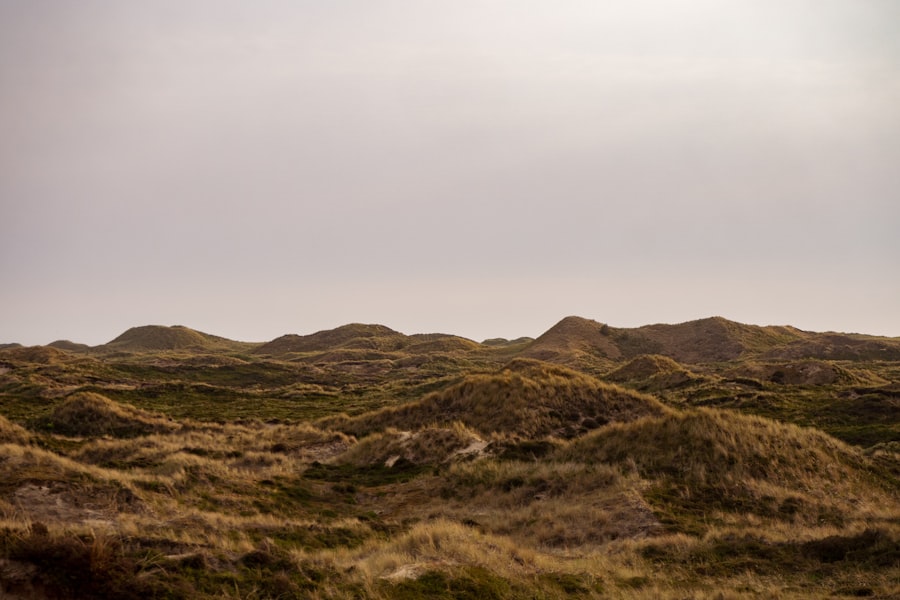
The natural beauty of Amrum is nothing short of breathtaking. The island boasts some of the most pristine beaches in Germany, with over 15 kilometers of sandy coastline that stretches along the western shore. The beach at Norddorf is particularly popular among visitors, offering ample space for sunbathing, beach sports, and leisurely strolls along the shore.
The gentle sound of waves lapping against the sand creates a serene atmosphere that invites relaxation. In addition to its beaches, Amrum is home to an array of unique landscapes, including expansive dunes that rise majestically above the coastline. These dunes are not only visually striking but also play a crucial role in protecting the island from coastal erosion.
Nature enthusiasts will appreciate the diverse ecosystems found within the Wadden Sea National Park, where tidal flats teem with marine life and migratory birds flock during seasonal migrations. Exploring these natural wonders provides an opportunity to connect with nature and witness the delicate balance of coastal ecosystems.
The Unique Culture and Traditions of Amrum
Amrum’s culture is a vibrant tapestry woven from centuries of tradition and local customs. The island’s inhabitants take great pride in their heritage, which is reflected in their language, music, and festivals. The Frisian dialect is still spoken by many locals, preserving a linguistic connection to their ancestors.
This unique cultural identity is celebrated through various events throughout the year, including traditional folk festivals that showcase local music, dance, and crafts. One of the most significant cultural events on Amrum is the “Küstenfest,” a coastal festival that celebrates the island’s maritime heritage.
Such gatherings foster a sense of community and allow visitors to immerse themselves in the island’s rich cultural landscape.
Activities and Attractions on Amrum
| Metric | Value | Unit |
|---|---|---|
| Location | Amrum Island, Germany | – |
| Area | 20.46 | km² |
| Population | 2,300 | people |
| Length of Beach | 12 | km |
| Highest Point | 32 | meters above sea level |
| Main Economic Activity | Tourism | – |
| Climate | Oceanic | – |
Amrum offers a plethora of activities and attractions that cater to a wide range of interests. For outdoor enthusiasts, hiking and cycling trails wind through the island’s scenic landscapes, providing opportunities to explore its natural beauty up close. The “Amrumer Dünen” nature reserve is a must-visit for those seeking to experience the island’s unique flora and fauna while enjoying panoramic views from elevated dune ridges.
Water sports enthusiasts can indulge in activities such as windsurfing, kitesurfing, and sailing along the coast. The calm waters surrounding Amrum are ideal for both beginners and experienced adventurers alike. Additionally, guided boat tours offer a chance to explore nearby islands and observe marine wildlife in their natural habitat.
For families traveling with children, Amrum features several attractions designed to entertain young visitors. The “Amrum Aquarium” provides an educational experience where children can learn about marine life through interactive exhibits. Furthermore, playgrounds scattered throughout the island ensure that kids have ample opportunities for play and exploration.
Where to Stay on Amrum
Accommodation options on Amrum cater to various preferences and budgets, ensuring that every visitor can find a suitable place to stay. From charming guesthouses to modern hotels, there are numerous choices available across the island. Many accommodations offer stunning views of the coastline or easy access to local attractions.
For those seeking a more immersive experience, vacation rentals provide an opportunity to enjoy home-like amenities while being surrounded by nature. Camping sites are also available for adventurous travelers who wish to connect with the outdoors more closely. Regardless of your choice of lodging, staying on Amrum allows you to fully embrace the island’s tranquil atmosphere.
The Culinary Delights of Amrum
The culinary scene on Amrum is a delightful reflection of its coastal location and rich agricultural heritage. Fresh seafood takes center stage in many local dishes, with specialties such as smoked fish and crab being popular among both residents and visitors. Local restaurants often emphasize farm-to-table practices, sourcing ingredients from nearby farms to create authentic Frisian cuisine.
One must-try dish is “Friesentorte,” a traditional cake made with layers of cream and fruit that embodies the island’s sweet culinary offerings. Additionally, local breweries produce unique beers that pair perfectly with regional dishes, providing an opportunity to savor the flavors of Amrum while enjoying breathtaking views of the surrounding landscape.
Getting Around Amrum
Navigating Amrum is relatively straightforward due to its compact size and well-maintained infrastructure. Bicycles are a popular mode of transportation on the island, with numerous rental shops available for visitors looking to explore at their own pace. Cycling allows travelers to cover more ground while enjoying the fresh sea air and scenic views.
Public transportation options include buses that connect various villages on the island, making it easy to access key attractions without needing a car. Walking is also encouraged, as many points of interest are within walking distance from one another. This leisurely pace allows visitors to fully appreciate the island’s charm while discovering hidden corners along the way.
The Best Time to Visit Amrum
The ideal time to visit Amrum largely depends on personal preferences regarding weather and activities. The summer months from June to August are particularly popular among tourists due to warm temperatures and longer daylight hours. This period offers an array of outdoor activities such as beach outings, hiking, and cycling.
These shoulder seasons are perfect for nature enthusiasts who wish to witness migratory birds or enjoy blooming wildflowers along coastal paths.
Hidden Gems and Secret Spots on Amrum
While Amrum boasts well-known attractions, it also harbors hidden gems waiting to be discovered by intrepid travelers. One such spot is “Wyk auf Föhr,” a nearby island accessible by ferry that offers stunning views of both Amrum and Föhr’s landscapes. This excursion provides an opportunity for exploration beyond Amrum while still enjoying its natural beauty.
Another secret spot is “Kniepsand,” a secluded beach known for its tranquility and picturesque surroundings. This hidden paradise allows visitors to unwind away from bustling tourist areas while soaking in the sun or enjoying a peaceful picnic amidst nature.
Tips for a Memorable Visit to Amrum
To ensure an unforgettable experience on Amrum, consider these practical tips: 1. **Pack Accordingly**: Bring layers as weather can change quickly; comfortable shoes are essential for exploring trails.
2. **Respect Nature**: Follow local guidelines when visiting protected areas; leave no trace behind.
3.
**Engage with Locals**: Take time to converse with residents; they often share valuable insights about hidden spots or cultural events.
4. **Plan Ahead**: Research activities or events happening during your visit; booking accommodations in advance can help secure your preferred lodging.
5. **Embrace Slow Travel**: Allow yourself time to relax; savoring each moment enhances your overall experience.
In summary, Amrum is an enchanting destination that offers visitors a unique blend of natural beauty, rich history, vibrant culture, and delightful culinary experiences. With its stunning landscapes and welcoming community, this North Frisian island invites exploration and relaxation alike. Whether you seek adventure or tranquility, Amrum promises an unforgettable escape into nature’s embrace while immersing you in its captivating traditions and heritage.
Amrum, a picturesque island in the North Sea, is known for its stunning landscapes and rich cultural heritage. Visitors to Amrum can enjoy a variety of activities, from exploring its beautiful beaches to experiencing local traditions. For those interested in understanding how holidays and celebrations shape cultural experiences, you might find the article on federal holidays and America’s traditions particularly insightful. This article delves into the significance of various holidays and how they reflect the values and history of a community, much like the unique celebrations found on Amrum.
FAQs
What is Amrum?
Amrum is a small island located in the North Sea, part of the North Frisian Islands in Germany. It is known for its natural beauty, sandy beaches, and unique dune landscapes.
Where is Amrum located?
Amrum is situated off the coast of Schleswig-Holstein in northern Germany, between the islands of Föhr and Sylt in the North Sea.
How can I get to Amrum?
You can reach Amrum by ferry from the mainland town of Dagebüll. The ferry service operates regularly and is the primary means of transportation to the island.
What is the climate like on Amrum?
Amrum has a temperate maritime climate, characterized by mild summers, cool winters, and relatively high humidity. The weather can be changeable, with frequent winds and occasional rain.
What activities can visitors do on Amrum?
Visitors to Amrum can enjoy activities such as hiking, cycling, bird watching, beachcombing, and exploring the island’s nature reserves. The island is also popular for water sports like windsurfing and sailing.
Are there accommodations available on Amrum?
Yes, Amrum offers a range of accommodations including hotels, guesthouses, holiday apartments, and campsites to suit different preferences and budgets.
Is Amrum suitable for family vacations?
Yes, Amrum is family-friendly with safe beaches, shallow waters, and plenty of outdoor activities suitable for children and adults alike.
What is the population of Amrum?
Amrum has a small population, with around 2,000 residents living on the island year-round.
Are there any nature reserves on Amrum?
Yes, large parts of Amrum are protected as nature reserves, including the Wadden Sea National Park, which is a UNESCO World Heritage site known for its unique tidal flats and diverse wildlife.
What languages are spoken on Amrum?
The primary language spoken on Amrum is German. However, due to tourism, English and Danish are also commonly understood in tourist areas.