Now Reading: Discovering the Charm of Latvia: A Traveler’s Guide
-
01
Discovering the Charm of Latvia: A Traveler’s Guide
Discovering the Charm of Latvia: A Traveler’s Guide
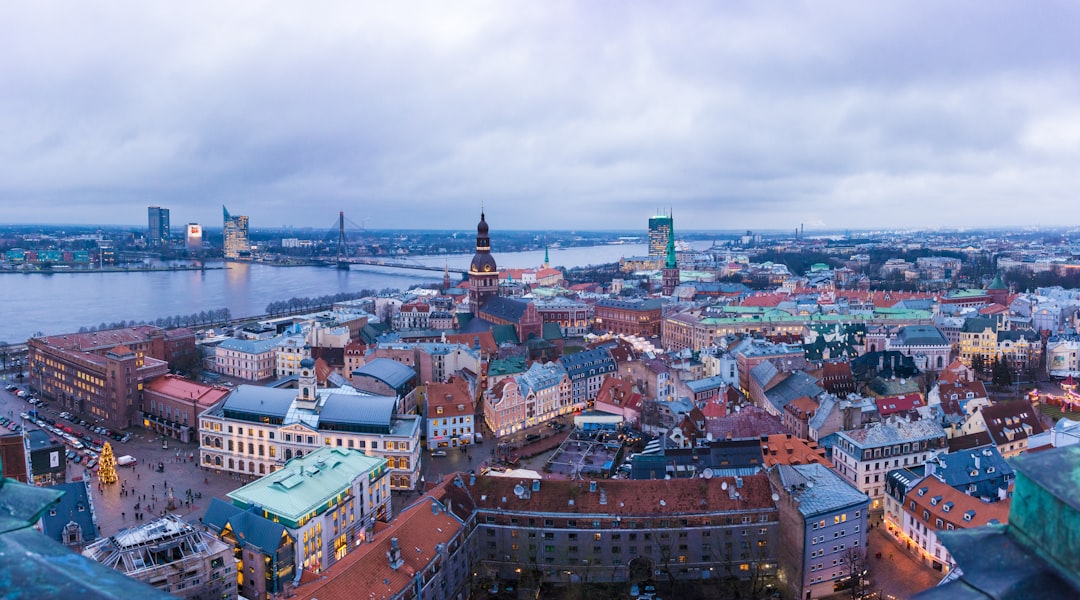
Latvia is a Baltic nation located between Estonia and Lithuania with a population of approximately 1.9 million people. The capital city is Riga, which serves as the country’s primary urban center and features notable architecture. Latvia’s position along the Baltic Sea has historically positioned it as a significant location for trade and cultural exchange between different regions.
The country’s geography includes extensive forests, lakes, and Baltic Sea coastline. Latvia maintains several national parks and protected areas as part of its environmental conservation efforts. Latvia joined the European Union in 2004 and has since undergone economic and political modernization while preserving its cultural traditions.
The country’s development encompasses historical preservation, natural resource management, and integration with European institutions.
Key Takeaways
- Latvia offers a rich blend of history, culture, and natural beauty for travelers to explore.
- The country is known for its enchanting architecture, from medieval castles to Art Nouveau buildings.
- Visitors can enjoy unique Latvian cuisine and vibrant festivals that showcase local traditions.
- Efficient transportation and diverse accommodations make traveling around Latvia convenient.
- Outdoor activities and traditional arts provide immersive experiences for a memorable visit.
Exploring Latvia’s Rich History and Culture
Latvia’s history is a complex narrative shaped by various influences, including German, Swedish, Polish, and Russian rule. The country declared independence in 1918, only to be occupied by the Soviet Union during World War
Culturally, Latvia is a treasure trove of traditions and customs that reflect its diverse heritage. Folk music and dance play a significant role in Latvian culture, with traditional songs often performed at festivals and gatherings. The Latvian Song and Dance Festival, held every five years, showcases the country’s rich musical heritage and attracts thousands of participants from around the world.
Additionally, Latvia’s literature and arts scene flourishes, with notable figures such as the poet Rainis and painter Mark Rothko contributing to the country’s cultural landscape.
The Enchanting Architecture of Latvia
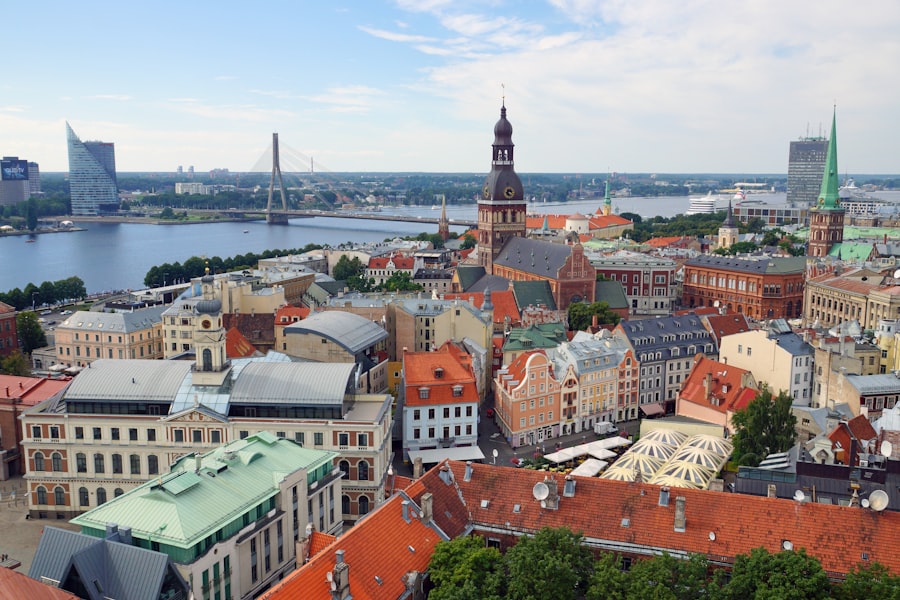
Latvia’s architectural landscape is a testament to its historical evolution and cultural influences. Riga, the capital city, is particularly famous for its Art Nouveau architecture, which flourished in the early 20th century. The city boasts over 800 buildings in this style, characterized by intricate facades, ornate details, and flowing lines.
The Alberta iela street is a prime example of this architectural movement, showcasing the creativity and craftsmanship of Latvian architects. Beyond Art Nouveau, Latvia features a diverse array of architectural styles, including Gothic, Baroque, and Neoclassical. The medieval Old Town of Riga is a UNESCO World Heritage site, with cobblestone streets and historic buildings that transport visitors back in time.
Notable landmarks include the House of Blackheads, St. Peter’s Church, and the Freedom Monument. Each structure tells a story of Latvia’s past and reflects the resilience of its people.
Delving into Latvia’s Natural Beauty
Latvia is blessed with an abundance of natural beauty that captivates both locals and visitors alike. The country is home to numerous national parks, including Gauja National Park, which is renowned for its stunning landscapes, deep river valleys, and ancient castles. The park offers a plethora of outdoor activities such as hiking, cycling, and canoeing, allowing visitors to immerse themselves in nature.
The coastline along the Baltic Sea stretches for over 500 kilometers, featuring pristine beaches and charming seaside towns like Jūrmala and Liepāja. These coastal areas are perfect for relaxation and recreation during the summer months. Additionally, Latvia’s diverse ecosystems support a wide range of flora and fauna, making it an ideal destination for nature enthusiasts and wildlife photographers.
The Unique Cuisine of Latvia
| Metric | Value |
|---|---|
| Capital | Riga |
| Population | 1.9 million (2024 estimate) |
| Area | 64,589 km² |
| Official Language | Latvian |
| Currency | Euro (EUR) |
| GDP (Nominal) | Approximately 40 billion |
| GDP per Capita | About 21,000 |
| Unemployment Rate | 6.5% (2024 estimate) |
| Life Expectancy | 75 years |
| Internet Penetration | 85% |
Latvian cuisine is a delightful fusion of traditional flavors and modern culinary techniques. Rooted in agricultural practices and seasonal ingredients, the cuisine emphasizes hearty dishes that reflect the country’s rural heritage. Rye bread is a staple in Latvian households, often served alongside various meats, fish, and vegetables.
One must-try dish is “grey peas with speck,” a traditional meal made from dried peas cooked with bacon or smoked pork. Another popular delicacy is “piragi,” which are savory pastries filled with meat or cabbage. For those with a sweet tooth, “sklandrausis,” a sweet pie made from rye flour filled with carrots and potatoes, offers a unique taste of Latvian desserts.
Experiencing Latvia’s Festivals and Traditions
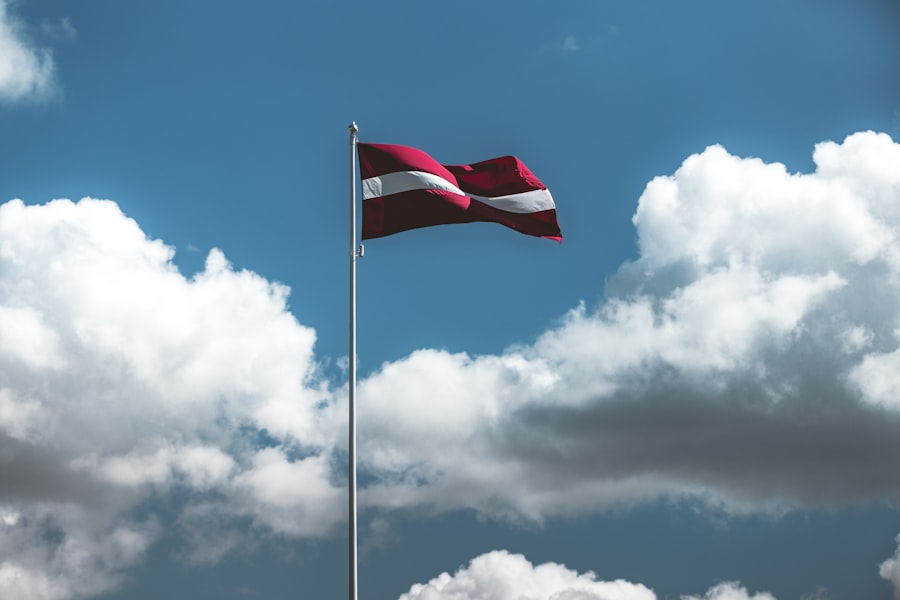
Latvia’s vibrant festivals celebrate its rich cultural heritage and provide an opportunity for locals and visitors to come together in joyous celebration. One of the most significant events is Jāņi, or Midsummer Festival, celebrated on June 23rd-24th. This ancient pagan festival marks the summer solstice with bonfires, traditional songs, and dances under the midnight sun.
Another notable event is the Riga City Festival held annually in August. This lively celebration features concerts, art exhibitions, food markets, and various activities for all ages. Additionally, the Latvian Song and Dance Festival occurs every five years and showcases the country’s rich musical traditions through performances by thousands of singers and dancers.
Getting Around Latvia: Transportation and Logistics
Navigating Latvia is relatively straightforward due to its well-developed transportation infrastructure. The capital city of Riga serves as a central hub for domestic and international travel. The public transportation system includes buses, trams, and trolleybuses that efficiently connect various parts of the city.
For those looking to explore beyond Riga, intercity buses provide an affordable means of transportation to other major cities such as Daugavpils, Liepāja, and Rēzekne. Additionally, train services operate between key destinations, offering scenic views of the countryside along the way. Car rentals are also available for those who prefer to explore at their own pace.
Finding the Best Accommodations in Latvia
Latvia offers a diverse range of accommodations to suit every traveler’s needs and preferences. In Riga, visitors can choose from luxury hotels such as the Grand Hotel Kempinski or boutique options like Hotel Neiburgs that reflect the city’s architectural charm. For those seeking budget-friendly options, hostels and guesthouses are widely available throughout the city.
Outside of Riga, charming countryside guesthouses provide an authentic experience of Latvian hospitality. Many of these accommodations are located near national parks or coastal areas, allowing guests to immerse themselves in nature while enjoying comfortable amenities.
Embracing Latvia’s Art and Craftsmanship
Latvia has a rich tradition of arts and craftsmanship that reflects its cultural heritage.
Traditional Latvian patterns often feature geometric designs inspired by nature and folklore.
In addition to textiles, woodwork is another prominent craft in Latvia. Artisans create beautifully carved wooden items ranging from furniture to decorative pieces that showcase their skill and creativity. Visitors can explore local markets or craft fairs to discover unique handmade souvenirs that embody Latvian craftsmanship.
Engaging in Outdoor Activities in Latvia
Latvia’s diverse landscapes provide ample opportunities for outdoor enthusiasts to engage in various activities year-round. In summer months, hiking trails in national parks like Gauja offer breathtaking views and encounters with wildlife. Cycling routes along the coast or through picturesque countryside allow visitors to explore at their own pace.
During winter months, Latvia transforms into a winter wonderland with opportunities for skiing and snowboarding at resorts like Sigulda or Cesis. Ice fishing on frozen lakes is also a popular pastime among locals during this season.
Tips for a Memorable Visit to Latvia
To ensure an unforgettable experience in Latvia, travelers should consider several practical tips. Learning a few basic phrases in Latvian can enhance interactions with locals who appreciate efforts to communicate in their language. Additionally, trying traditional dishes at local restaurants will provide insight into Latvian culture.
Travelers should also be mindful of local customs and etiquette; for instance, it is customary to remove shoes when entering someone’s home. Lastly, taking advantage of guided tours can offer deeper insights into Latvia’s history and culture while ensuring that visitors don’t miss out on hidden gems throughout the country. In summary, Latvia is a captivating destination that offers a unique blend of history, culture, natural beauty, and culinary delights.
From exploring its enchanting architecture to engaging in outdoor activities amidst stunning landscapes, visitors are sure to find something that resonates with them in this Baltic gem. With its rich traditions celebrated through vibrant festivals and an emphasis on craftsmanship in arts and cuisine, Latvia invites travelers to immerse themselves fully in its diverse offerings while creating lasting memories.
Latvia, a country rich in history and culture, has its own unique celebrations and observances that reflect its heritage. For those interested in exploring how different cultures commemorate significant events, you might find the article on Emancipation Day, which discusses the importance of June 19th in American history, particularly relevant.