Now Reading: Discovering Japan: A Land of Tradition and Innovation
-
01
Discovering Japan: A Land of Tradition and Innovation
Discovering Japan: A Land of Tradition and Innovation
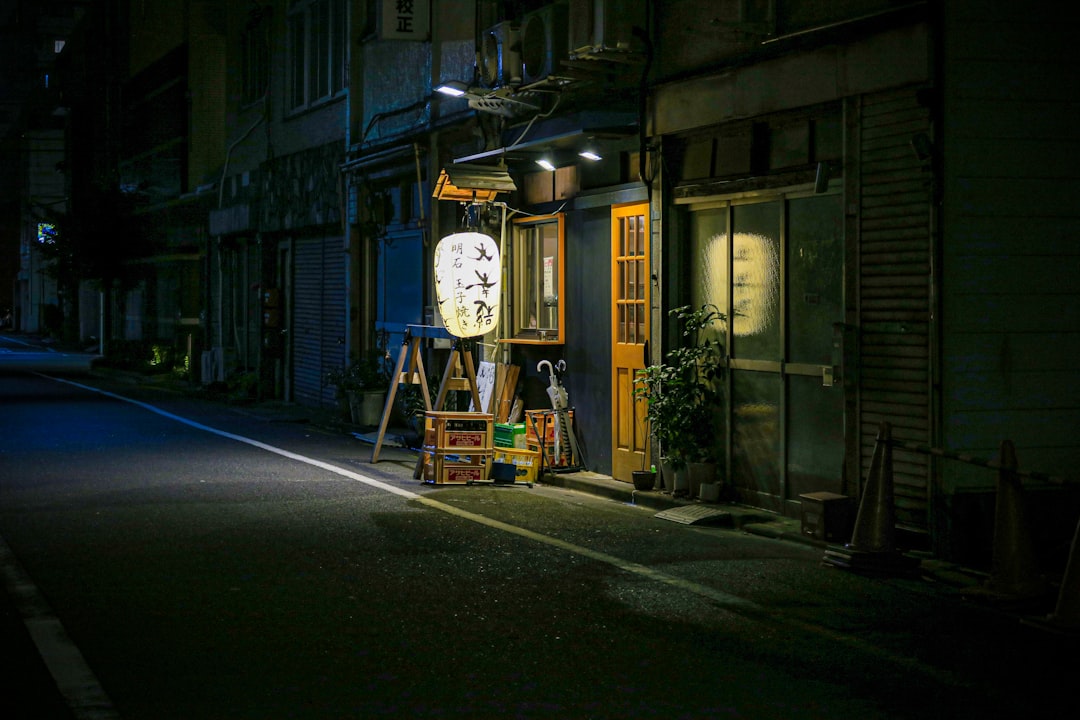
Japan is an island nation in East Asia consisting of approximately 6,800 islands, with four primary landmasses: Honshu, Hokkaido, Kyushu, and Shikoku. The country has a population of approximately 125 million people and maintains significant global influence in technology, economics, and cultural exports. Japan’s geography features mountainous terrain covering roughly 73% of the land area, extensive forests, and 29,751 kilometers of coastline.
The nation experiences a temperate climate with four distinct seasons, ranging from humid subtropical conditions in the south to humid continental climate in the north. Seasonal changes, particularly spring cherry blossoms (sakura) and autumn foliage (koyo), hold cultural significance in Japanese society. The country demonstrates a coexistence of traditional practices dating back centuries alongside advanced technological development.
Japan ranks as the world’s third-largest economy and leads in various technological sectors including robotics, automotive manufacturing, and electronics. Traditional elements such as tea ceremony, calligraphy, martial arts, and seasonal festivals remain integral to contemporary Japanese culture. Japan’s cultural influence extends globally through cuisine, including sushi and ramen; entertainment media such as anime and manga; fashion trends; and architectural styles.
The nation hosts numerous festivals throughout the year, maintains thousands of temples and shrines, and preserves traditional garden design principles that emphasize harmony with natural elements.
Key Takeaways
- Japan uniquely blends rich traditional culture with cutting-edge modern innovation.
- Traditional arts, crafts, and festivals remain integral to Japanese identity.
- Japanese cuisine offers a diverse and refined culinary experience rooted in tradition.
- Advanced technology and fashion highlight Japan’s role as a global trendsetter.
- Architecture and gardens reflect a harmonious balance between nature and design.
Traditional Japanese Culture
Traditional Japanese culture is a tapestry woven from centuries of history, philosophy, and art. At its core lies a deep respect for nature and a commitment to harmony, which is evident in various cultural practices.
Traditional arts such as tea ceremonies (chanoyu), calligraphy (shodo), and flower arranging (ikebana) exemplify this ethos. Each practice emphasizes mindfulness and an appreciation for beauty in simplicity. The influence of Shintoism and Buddhism is also significant in shaping Japan’s cultural landscape.
Shinto shrines and Buddhist temples dot the countryside and urban areas alike, serving as places of worship and reflection. Festivals (matsuri) celebrating seasonal changes or historical events often incorporate traditional music, dance, and rituals that have been passed down through generations.
Modern Japanese Innovation
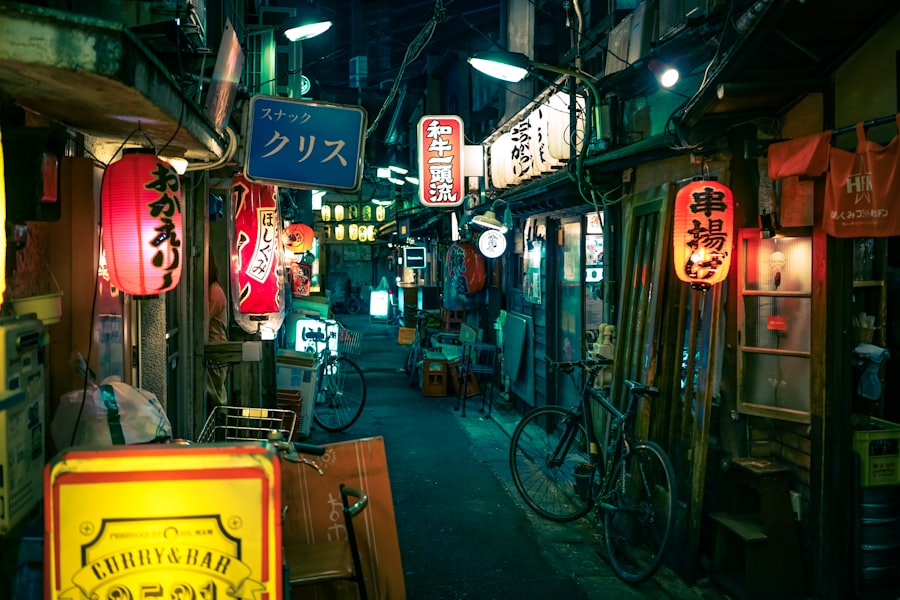
In stark contrast to its traditional roots, Japan is a global leader in innovation and technology. The post-World War II era marked a period of rapid industrialization and economic growth, positioning Japan as a powerhouse in various sectors such as automotive manufacturing, electronics, and robotics. Companies like Toyota, Sony, and Panasonic have become synonymous with quality and innovation on the world stage.
Japan’s commitment to research and development is evident in its advancements in fields such as artificial intelligence (AI), biotechnology, and renewable energy. The government actively promotes initiatives to foster innovation through collaboration between academia and industry. For instance, the “Society 5.0” initiative aims to create a super-smart society that integrates cyberspace with physical space to enhance quality of life.
This forward-thinking approach reflects Japan’s ability to adapt while maintaining its cultural identity.
Japanese Cuisine
Japanese cuisine is renowned for its emphasis on fresh ingredients, seasonal flavors, and meticulous presentation. The culinary landscape is diverse, ranging from sushi and sashimi to ramen and tempura. Each dish tells a story of regional ingredients and traditional cooking techniques that have been refined over centuries.
The philosophy of “umami,” often referred to as the fifth taste, plays a crucial role in Japanese cooking, enhancing flavors through ingredients like soy sauce, miso, and dashi. The art of sushi-making is particularly noteworthy; it requires precision and skill to create the perfect balance of rice and fish. Sushi chefs undergo years of training to master their craft.
Additionally, kaiseki—a multi-course dining experience—showcases the seasonal bounty of Japan through beautifully arranged dishes that reflect the changing seasons. Beyond taste, Japanese cuisine emphasizes aesthetics; the presentation of food is considered an art form that enhances the dining experience.
Japanese Arts and Crafts
| Metric | Value | Year |
|---|---|---|
| Population | 125.5 million | 2023 |
| GDP (Nominal) | 5.1 trillion | 2023 |
| Life Expectancy | 84.5 years | 2023 |
| Unemployment Rate | 2.6% | 2023 |
| Area | 377,975 km² | 2023 |
| Capital City | Tokyo | – |
| Official Language | Japanese | – |
Japan’s artistic heritage encompasses a wide array of crafts that reflect both functionality and beauty. Traditional crafts such as pottery (yakimono), textiles (kimono), and lacquerware (urushi) are celebrated for their intricate designs and techniques passed down through generations. Each region boasts its own unique craft specialties; for example, Arita is famous for porcelain while Nishijin is known for its exquisite textiles.
The practice of ukiyo-e woodblock printing emerged during the Edo period and remains influential in contemporary art. Artists like Hokusai and Hiroshige captured the essence of Japanese landscapes and culture through their prints. Today, contemporary artists continue to draw inspiration from traditional forms while incorporating modern themes and techniques.
This dynamic interplay between tradition and innovation enriches Japan’s artistic landscape.
Japanese Technology
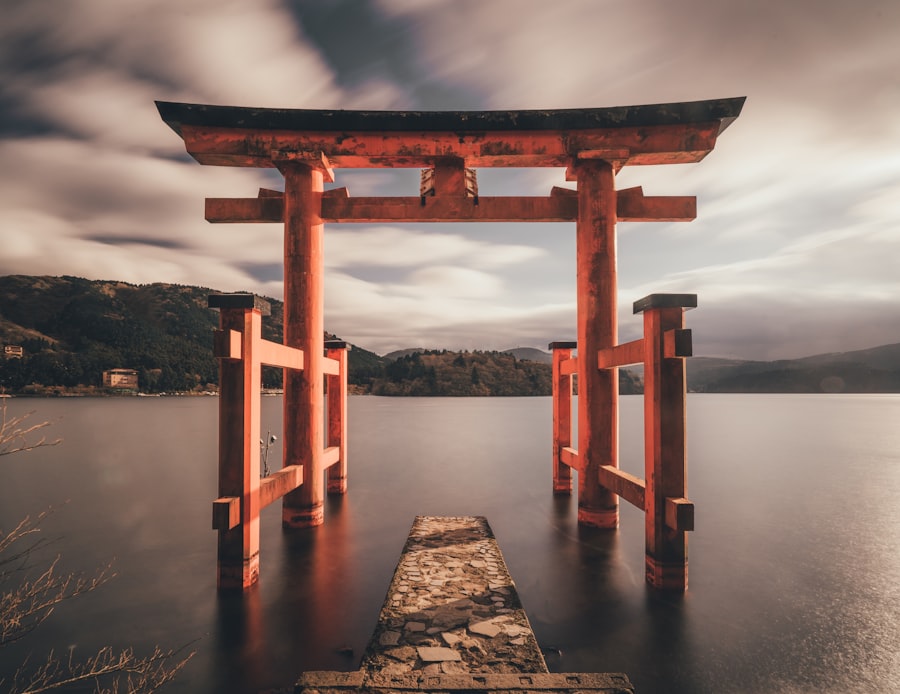
Japan’s technological prowess is evident in various sectors including robotics, electronics, and transportation. The country is home to some of the world’s most advanced robotics companies, producing humanoid robots like ASIMO by Honda and Pepper by SoftBank Robotics. These innovations not only enhance productivity but also address societal challenges such as an aging population.
In transportation, Japan’s Shinkansen (bullet train) system exemplifies cutting-edge engineering and efficiency. With speeds exceeding 300 km/h (186 mph), these trains are renowned for their punctuality and safety record. The integration of technology into daily life is further exemplified by smart cities that utilize IoT (Internet of Things) solutions to improve urban living conditions.
Japanese Fashion
Japanese fashion is a vibrant blend of tradition and modernity that has garnered international acclaim. From the timeless elegance of kimono to contemporary streetwear trends emerging from districts like Harajuku, Japan’s fashion scene is diverse and dynamic. Designers such as Issey Miyake and Yohji Yamamoto have made significant contributions to haute couture by merging traditional techniques with avant-garde aesthetics.
Street fashion in Japan often reflects individual expression and creativity. Subcultures such as Lolita, Gyaru, and Visual Kei showcase unique styles that challenge conventional norms. Fashion events like Tokyo Fashion Week highlight emerging talent while celebrating established designers who continue to push boundaries in the industry.
Japanese Festivals
Japanese festivals are vibrant celebrations that reflect the country’s rich cultural heritage. Each festival has its own unique significance, often tied to seasonal changes or historical events. For instance, Hanami celebrates cherry blossom season with picnics under blooming sakura trees, while Tanabata commemorates the meeting of two celestial lovers with colorful decorations.
Matsuri often feature traditional music (taiko drumming), dance performances (odori), and elaborate floats (yatai) paraded through streets. These events foster community spirit and provide an opportunity for people to come together in celebration. Festivals also serve as a platform for preserving traditional arts and crafts as local artisans showcase their skills during these gatherings.
Japanese Architecture
Japanese architecture is characterized by its harmonious relationship with nature and emphasis on simplicity. Traditional structures such as temples (tō) and shrines (jinja) often feature wooden construction with sliding doors (fusuma) that create flexible living spaces. The use of natural materials like wood and paper reflects a deep respect for the environment.
Modern architecture in Japan continues this tradition while embracing innovative designs that challenge conventional forms. Architects like Tadao Ando and Kengo Kuma have gained international recognition for their ability to blend contemporary aesthetics with traditional principles. Iconic structures such as the Tokyo Skytree exemplify this fusion of old and new.
Japanese Gardens
Japanese gardens are meticulously designed landscapes that embody tranquility and harmony with nature. These gardens often incorporate elements such as water features (ponds or streams), rocks, plants, and pathways that guide visitors through serene environments. The principles of Zen Buddhism heavily influence garden design, promoting mindfulness and reflection.
There are various types of Japanese gardens including tea gardens (roji), strolling gardens (kaiyū-shiki), and dry landscape gardens (kare-sansui). Each type serves a specific purpose—tea gardens facilitate the tea ceremony experience while strolling gardens encourage leisurely exploration. The aesthetic principles of asymmetry and simplicity are paramount in creating visually pleasing compositions that evoke a sense of peace.
Embracing the Blend of Tradition and Innovation in Japan
Japan stands as a testament to the successful integration of tradition with modernity. Its rich cultural heritage continues to thrive alongside groundbreaking innovations that shape the future. From traditional arts to cutting-edge technology, Japan offers a unique perspective on how societies can honor their past while embracing change.
As travelers explore this fascinating nation, they encounter a vibrant tapestry woven from centuries of history intermingled with contemporary advancements. Whether indulging in exquisite cuisine or marveling at architectural wonders, one cannot help but appreciate the beauty found in Japan’s harmonious blend of tradition and innovation—a true reflection of its enduring spirit.
Japan is known for its rich cultural traditions and unique celebrations, especially during the holiday season. One interesting aspect of this is how different countries, including Japan, celebrate Christmas in their own distinctive ways. For a look at how holiday traditions can vary, you might find it intriguing to read about festive decorations in the United States, such as those featured in this article on Lowes Christmas Trees.
FAQs
What is Japan?
Japan is an island country located in East Asia, situated in the Pacific Ocean. It is known for its rich history, unique culture, advanced technology, and beautiful landscapes.
What is the capital of Japan?
The capital of Japan is Tokyo, which is one of the largest and most populous metropolitan areas in the world.
What language is spoken in Japan?
The official language of Japan is Japanese.
What is the population of Japan?
As of recent estimates, Japan has a population of approximately 125 million people.
What type of government does Japan have?
Japan is a constitutional monarchy with a parliamentary government. The Emperor is the ceremonial head of state, while the Prime Minister is the head of government.
What is Japan known for culturally?
Japan is known for its traditional arts such as tea ceremony, calligraphy, and ikebana (flower arranging), as well as modern pop culture including anime, manga, and video games.
What are some famous landmarks in Japan?
Famous landmarks include Mount Fuji, Kyoto’s historic temples, Tokyo Tower, Hiroshima Peace Memorial, and the ancient city of Nara.
What is the currency of Japan?
The currency of Japan is the Japanese Yen (JPY).
What is the climate like in Japan?
Japan has a varied climate, ranging from humid continental in the north to humid subtropical in the south, with four distinct seasons including a rainy season in early summer.
What are popular Japanese foods?
Popular Japanese foods include sushi, ramen, tempura, sashimi, and miso soup.
Is Japan safe for tourists?
Yes, Japan is considered one of the safest countries in the world for tourists, with low crime rates and excellent public transportation.
What is the time zone of Japan?
Japan operates on Japan Standard Time (JST), which is UTC +9 hours.
How can one travel to Japan?
Japan is accessible by air through major international airports such as Tokyo’s Narita and Haneda airports, as well as Kansai International Airport near Osaka. It also has extensive rail and ferry connections within the country.