Now Reading: Discover the Culinary Delights of Cook Islands
-
01
Discover the Culinary Delights of Cook Islands
Discover the Culinary Delights of Cook Islands
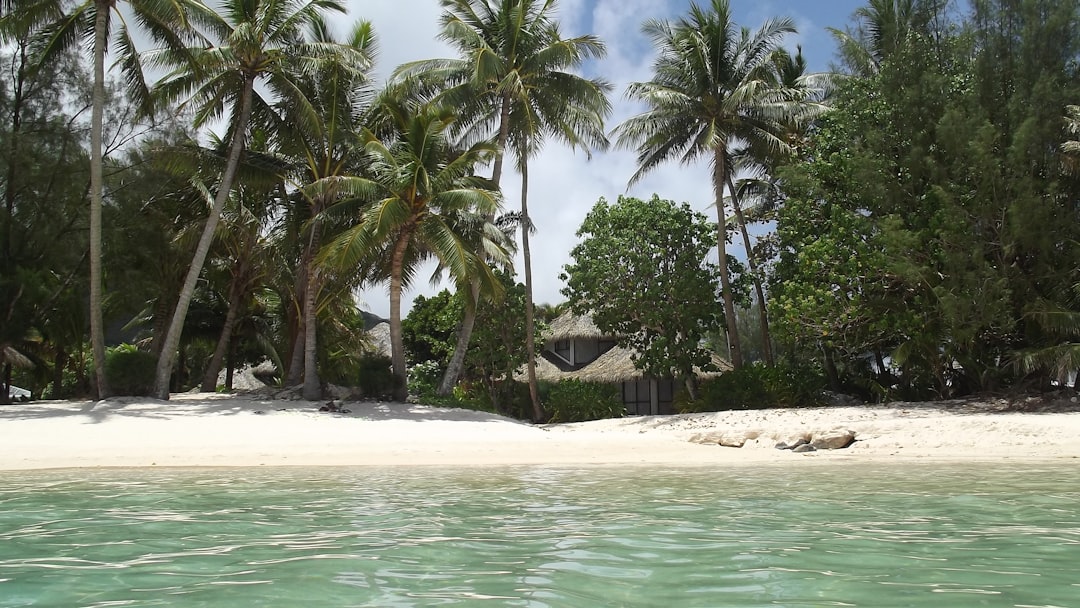
The Cook Islands, a stunning archipelago in the South Pacific, boasts a vibrant culinary landscape that reflects its rich cultural heritage and natural bounty. With a population of approximately 17,000, the islands are home to a unique blend of traditional and contemporary cooking practices. The cuisine is characterized by its use of fresh, locally sourced ingredients, which are often prepared using time-honored techniques passed down through generations.
The culinary experience in the Cook Islands is not merely about sustenance; it is an integral part of the islands’ cultural identity, showcasing the warmth and hospitality of its people. Cook Islands cuisine is a delightful fusion of flavors and textures, influenced by the islands’ geographical location and historical interactions with various cultures. The islands’ isolation has allowed for the preservation of traditional cooking methods while simultaneously embracing new influences.
As visitors explore the culinary offerings, they will discover a tapestry of tastes that reflect the islands’ history, geography, and the spirit of its people.
Key Takeaways
- Cook Islands cuisine blends traditional Polynesian ingredients with European and Asian influences.
- Popular dishes feature fresh seafood, tropical fruits, and root vegetables like taro and breadfruit.
- Unique cooking methods include earth ovens and slow roasting for rich, authentic flavors.
- The local food culture emphasizes farm-to-table practices and sustainable sourcing.
- Visitors can enjoy vibrant food festivals, street foods, cooking classes, and culinary tours.
Traditional Ingredients and Flavors
At the heart of Cook Islands cuisine lies an array of traditional ingredients that are both indigenous and cultivated. Coconut is perhaps the most iconic ingredient, utilized in various forms—from fresh coconut meat to coconut milk, which adds richness to many dishes. Taro, a starchy root vegetable, is another staple, often prepared as a side dish or incorporated into main courses.
Breadfruit, known locally as “uru,” is a versatile fruit that can be roasted, boiled, or mashed, providing a hearty accompaniment to meals. Seafood plays a pivotal role in the culinary landscape of the Cook Islands. The surrounding Pacific Ocean offers an abundance of fish, including tuna, snapper, and grouper, which are often caught fresh daily.
Shellfish such as clams and octopus are also popular, frequently featured in traditional dishes. The use of herbs and spices, such as garlic, ginger, and chili, enhances the flavors of these ingredients, creating a harmonious balance that defines Cook Islands cuisine.
Popular Dishes and Local Specialties
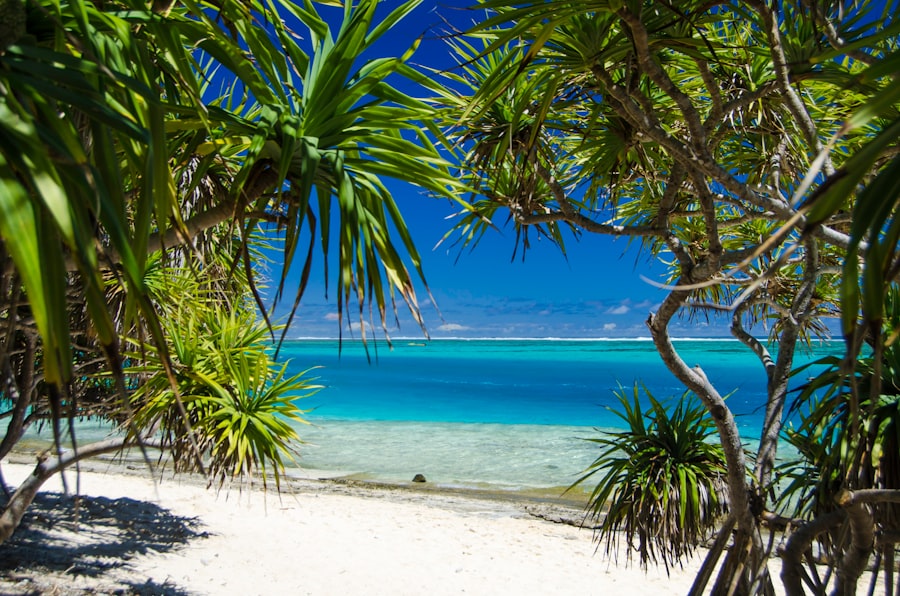
Among the most celebrated dishes in Cook Islands cuisine is “ika mata,” a refreshing ceviche made from raw fish marinated in lime juice and mixed with diced vegetables such as tomatoes and onions. This dish exemplifies the islands’ emphasis on fresh ingredients and showcases the natural flavors of the ocean. Another local specialty is “rori,” a traditional dish made from taro leaves cooked with coconut cream and often served alongside fish or meat.
“Palusami” is another must-try dish that features taro leaves filled with a mixture of coconut cream and onions, wrapped in banana leaves, and baked until tender. This dish highlights the islands’ agricultural bounty while providing a rich and creamy flavor profile. Additionally, “pork with taro” is a popular combination that showcases the versatility of taro as it complements the savory flavors of slow-cooked pork.
Influences from Polynesian, European, and Asian Cuisines
The culinary landscape of the Cook Islands has been shaped by various cultural influences over centuries. Polynesian traditions form the foundation of local cuisine, with an emphasis on communal dining and the use of natural ingredients. The arrival of European settlers introduced new cooking techniques and ingredients such as flour and sugar, which have since been integrated into traditional recipes.
Asian influences are also evident in Cook Islands cuisine, particularly through the introduction of rice and soy sauce. Dishes such as fried rice or stir-fried vegetables reflect this fusion of flavors. The blending of these diverse culinary traditions has resulted in a unique gastronomic experience that continues to evolve while honoring its roots.
Dining Experiences and Local Food Culture
| Metric | Value |
|---|---|
| Location | South Pacific Ocean |
| Capital | Avarua |
| Population | Approximately 17,500 (2023) |
| Area | 240 square kilometers |
| Official Languages | English, Cook Islands Māori |
| Currency | New Zealand Dollar |
| Time Zone | UTC -10 |
| GDP (Nominal) | Approximately 350 million (USD equivalent) |
| Main Industries | Tourism, Agriculture, Fishing |
| Climate | Tropical maritime |
Dining in the Cook Islands is more than just a meal; it is an experience steeped in cultural significance. Traditional feasts known as “umu” involve cooking food underground using heated stones, creating a communal atmosphere where families and friends gather to share food and stories. This method not only imparts a distinct flavor to the dishes but also fosters a sense of community among participants.
Local markets are vibrant hubs where residents gather to buy fresh produce, seafood, and artisanal products. These markets provide an opportunity for visitors to engage with local vendors and learn about traditional ingredients while sampling street food delicacies. The warm hospitality of the Cook Islands people enhances the dining experience, making it memorable for all who partake.
Farm-to-Table and Sustainable Food Practices
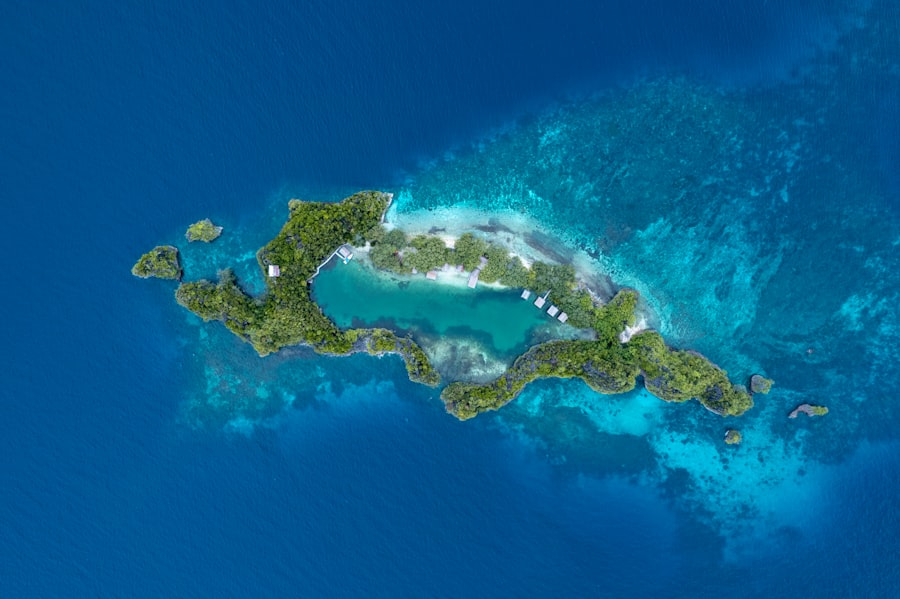
Sustainability is at the forefront of Cook Islands cuisine, with many chefs and home cooks prioritizing farm-to-table practices. Local farmers cultivate organic produce without harmful pesticides or chemicals, ensuring that ingredients are fresh and environmentally friendly. This commitment to sustainability extends to fishing practices as well; many local fishermen adhere to sustainable methods that protect marine ecosystems while providing fresh seafood for their communities.
The emphasis on local sourcing not only supports the economy but also fosters a deeper connection between consumers and their food. By prioritizing seasonal ingredients and traditional farming methods, Cook Islands cuisine embodies a respect for nature that resonates with both locals and visitors alike.
Unique Cooking Techniques and Methods
Traditional cooking techniques play a significant role in shaping the flavors and textures of Cook Islands cuisine. One such method is “umu,” an underground oven that uses heated stones to cook food slowly over several hours. This technique imparts a smoky flavor to meats and vegetables while retaining moisture, resulting in tender dishes that are bursting with flavor.
Another unique method involves using banana leaves for wrapping food before cooking. This not only adds flavor but also helps retain moisture during cooking. The use of natural materials like coconut husks for smoking fish or meats further enhances the culinary experience by infusing dishes with distinct aromas.
Must-Try Street Foods and Snacks
Street food in the Cook Islands offers an exciting glimpse into local culinary culture. One popular snack is “pork buns,” which consist of tender pork wrapped in dough and steamed until fluffy. These savory treats are often enjoyed on-the-go or during community gatherings.
These sweet snacks are often served with a drizzle of honey or syrup for added indulgence. Additionally, “fish burgers” made from freshly caught fish fillets are a popular choice among locals and visitors alike.
Cooking Classes and Culinary Tours
For those looking to immerse themselves in Cook Islands cuisine, cooking classes offer an excellent opportunity to learn traditional recipes firsthand. Many local chefs provide hands-on experiences where participants can learn about ingredient selection, preparation techniques, and cultural significance behind each dish. Culinary tours also allow visitors to explore local markets, farms, and eateries while gaining insight into the islands’ food culture.
These tours often include tastings of various dishes, providing a comprehensive overview of Cook Islands cuisine while fostering connections between participants and local communities.
Food Festivals and Events
Food festivals in the Cook Islands celebrate the islands’ culinary heritage while showcasing local talent and creativity. Events such as the “Te Maeva Nui” festival feature traditional dance performances alongside food stalls offering an array of local delicacies. These festivals provide an opportunity for locals to come together in celebration while sharing their culinary traditions with visitors.
Additionally, seasonal events highlight specific ingredients or dishes unique to certain times of the year. These gatherings foster community spirit while promoting awareness of sustainable practices within the culinary landscape.
Where to Find the Best Eateries and Restaurants
When exploring Cook Islands cuisine, several eateries stand out for their exceptional offerings. “The Mooring” in Rarotonga is renowned for its fresh seafood dishes prepared with local ingredients while providing stunning views of the lagoon. Another popular spot is “Coco Putt,” which combines dining with entertainment in a relaxed atmosphere.
For those seeking authentic local experiences, small family-run restaurants often serve traditional dishes made from cherished family recipes passed down through generations. These establishments provide an intimate glimpse into Cook Islands culture while offering delicious meals that reflect the islands’ culinary heritage. In summary, Cook Islands cuisine is a vibrant tapestry woven from traditional ingredients, diverse cultural influences, and sustainable practices.
With its emphasis on fresh produce and seafood, unique cooking techniques, and communal dining experiences, it offers visitors an opportunity to engage deeply with the islands’ rich culinary heritage. From must-try street foods to immersive cooking classes, there is no shortage of ways to explore this captivating gastronomic landscape while celebrating the warmth and hospitality of its people.
The Cook Islands, a stunning tropical paradise in the South Pacific, offer a unique blend of rich culture and breathtaking landscapes. For those looking to plan their travels around significant dates, it’s essential to consider the timing of your visit. You might find it helpful to check out this article on federal holidays, which can help you plan your year ahead: List of Federal Holidays: Plan Your Year Ahead. This resource can assist you in aligning your travel plans with important dates, ensuring a memorable experience in the Cook Islands.
FAQs
Where are the Cook Islands located?
The Cook Islands are located in the South Pacific Ocean, northeast of New Zealand, between French Polynesia and American Samoa.
How many islands make up the Cook Islands?
The Cook Islands consist of 15 islands spread over a large area of ocean.
What is the political status of the Cook Islands?
The Cook Islands are a self-governing territory in free association with New Zealand, meaning they manage their own affairs but maintain a close relationship with New Zealand.
What is the official language of the Cook Islands?
The official languages are English and Cook Islands Māori (also known as Rarotongan).
What is the capital of the Cook Islands?
The capital of the Cook Islands is Avarua, located on the island of Rarotonga.
What currency is used in the Cook Islands?
The New Zealand dollar (NZD) is the official currency used in the Cook Islands.
What is the climate like in the Cook Islands?
The Cook Islands have a tropical climate with a wet season from November to March and a dry season from April to October.
What are the main economic activities in the Cook Islands?
The economy is primarily based on tourism, agriculture, fishing, and offshore banking.
Do the Cook Islands have any unique cultural traditions?
Yes, the Cook Islands have rich Polynesian cultural traditions including dance, music, carving, and traditional tattooing.
How can visitors travel to the Cook Islands?
Visitors can reach the Cook Islands by air, with regular flights primarily from New Zealand, Australia, and other Pacific islands.