Now Reading: Detecting Heart Problems: Essential Tests
-
01
Detecting Heart Problems: Essential Tests
Detecting Heart Problems: Essential Tests
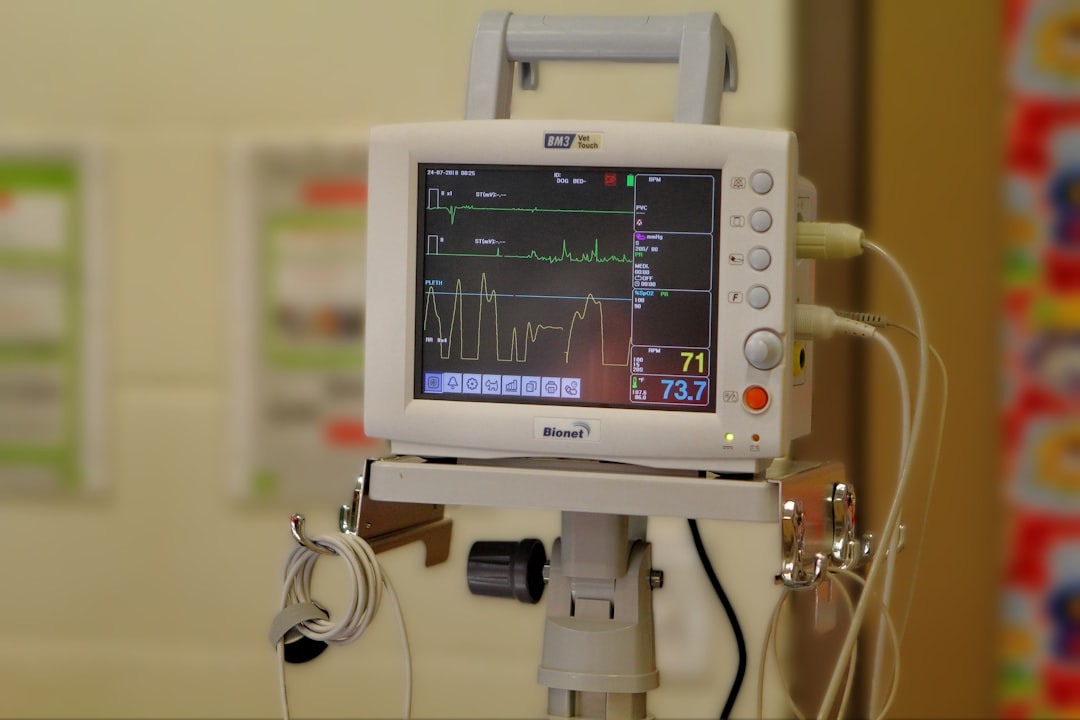
Heart health is a critical aspect of overall well-being, as the cardiovascular system plays a vital role in sustaining life. The heart, a muscular organ, pumps blood throughout the body, delivering oxygen and nutrients to tissues while removing waste products. Maintaining optimal heart function is essential for preventing cardiovascular diseases, which remain the leading cause of mortality worldwide.
According to the World Health Organization (WHO), approximately 17.9 million people die from cardiovascular diseases each year, accounting for 32% of all global deaths. The significance of heart health extends beyond mere statistics; it encompasses a range of lifestyle choices, genetic predispositions, and environmental factors. Regular physical activity, a balanced diet rich in fruits, vegetables, whole grains, and lean proteins, along with avoiding tobacco and excessive alcohol consumption, are fundamental in promoting cardiovascular wellness.
Furthermore, understanding risk factors such as hypertension, hyperlipidemia, diabetes, and obesity is crucial for early intervention and prevention strategies.
Key Takeaways
- Understanding the importance of heart health is crucial for overall well-being and longevity.
- Common symptoms of heart problems include chest pain, shortness of breath, and irregular heartbeat.
- Initial screening tests for heart health may include blood pressure measurement, cholesterol level testing, and a physical examination.
- Electrocardiogram (ECG) plays a vital role in detecting heart problems by recording the heart’s electrical activity.
- Echocardiogram provides a detailed look at heart structure and function, helping to diagnose conditions such as heart valve disease and heart failure.
Common Symptoms of Heart Problems
Common Symptoms of Heart Problems
Common manifestations of heart problems include chest pain or discomfort, often described as pressure or squeezing; shortness of breath during rest or exertion; palpitations or irregular heartbeats; fatigue; and swelling in the legs, ankles, or feet. These symptoms may vary in intensity and duration, making it vital for individuals to be vigilant about their heart health.
Gender Disparities in Heart Problem Symptoms
In some cases, symptoms may present differently in women compared to men. Women are more likely to experience atypical symptoms such as nausea, lightheadedness, or jaw pain rather than the classic chest pain associated with heart attacks. This gender disparity highlights the importance of awareness and education regarding heart health across diverse populations.
The Importance of Early Recognition
Early recognition of these symptoms can lead to prompt medical evaluation and intervention, significantly improving outcomes. By being aware of the symptoms and seeking medical attention promptly, individuals can reduce the risk of complications and improve their overall heart health.
Initial Screening Tests for Heart Health

Initial screening tests serve as a foundation for assessing cardiovascular health and identifying potential risk factors. These evaluations typically begin with a comprehensive medical history and physical examination conducted by a healthcare professional. During this assessment, clinicians will inquire about family history, lifestyle habits, and any existing medical conditions that may contribute to heart disease.
Following the initial evaluation, several non-invasive tests may be recommended to further assess heart health. These tests can include blood pressure measurements, body mass index (BMI) calculations, and lipid profile assessments to evaluate cholesterol levels. The American Heart Association recommends that adults undergo regular screenings for blood pressure and cholesterol levels at least every four to six years, depending on individual risk factors.
Early detection through these screenings can facilitate timely interventions and lifestyle modifications.
Electrocardiogram (ECG) and its Role in Detecting Heart Problems
| Metrics | Description |
|---|---|
| Heart Rate | The number of heartbeats per minute, which can indicate abnormalities such as tachycardia or bradycardia. |
| Rhythm | The regularity of the heart’s electrical activity, which can show irregularities such as atrial fibrillation or ventricular tachycardia. |
| ST Segment | Changes in the ST segment can indicate myocardial infarction or ischemia. |
| QRS Complex | Abnormalities in the QRS complex can indicate conduction abnormalities or ventricular hypertrophy. |
| P Wave | Changes in the P wave can indicate atrial enlargement or conduction abnormalities. |
The electrocardiogram (ECG) is a fundamental diagnostic tool used to assess the electrical activity of the heart. This non-invasive test records the heart’s rhythm and electrical impulses through electrodes placed on the skin. An ECG can reveal various abnormalities such as arrhythmias, ischemia, or previous myocardial infarctions (heart attacks).
It is often one of the first tests performed when a patient presents with symptoms suggestive of heart disease. The interpretation of an ECG requires expertise, as it involves analyzing waveforms and intervals that reflect the heart’s electrical conduction system. Abnormal findings may prompt further investigation or immediate intervention.
For instance, ST-segment elevation may indicate an acute myocardial infarction requiring urgent medical attention. The ECG’s ability to provide real-time information about cardiac function makes it an invaluable tool in both emergency settings and routine evaluations.
Echocardiogram: A Detailed Look at Heart Structure and Function
An echocardiogram is an ultrasound-based imaging technique that provides detailed information about the heart’s structure and function.
Echocardiography is instrumental in diagnosing various cardiac conditions such as valvular heart disease, cardiomyopathy, and congenital heart defects.
There are several types of echocardiograms, including transthoracic echocardiography (TTE) and transesophageal echocardiography (TEE). TTE is the most common form and involves placing a transducer on the chest wall to obtain images. TEE, on the other hand, requires sedation and involves inserting a probe into the esophagus for closer visualization of the heart structures.
The choice between these methods depends on the clinical scenario and the level of detail required for diagnosis.
Stress Tests: Assessing Heart Function under Physical Stress

Stress tests are designed to evaluate how well the heart functions under physical exertion. These tests typically involve monitoring the patient’s heart rate, blood pressure, and ECG while they engage in exercise on a treadmill or stationary bike. For individuals unable to perform physical activity due to mobility issues or other health concerns, pharmacological stress tests can be administered using medications that simulate exercise by increasing heart rate.
The primary goal of stress testing is to identify any ischemic changes that may occur during exertion, which could indicate underlying coronary artery disease (CAD). Abnormal results may necessitate further diagnostic testing or intervention. Stress tests are also valuable for assessing exercise capacity and guiding rehabilitation programs for patients recovering from cardiac events.
Cardiac CT Scan and MRI: Advanced Imaging for Heart Health
Cardiac computed tomography (CT) scans and magnetic resonance imaging (MRI) are advanced imaging modalities that provide detailed insights into cardiac anatomy and function. Cardiac CT is particularly useful for evaluating coronary artery disease through coronary angiography, allowing visualization of arterial blockages without invasive catheterization. This technique has gained popularity due to its ability to provide rapid results with high sensitivity and specificity.
Conversely, cardiac MRI offers exceptional soft tissue contrast and is invaluable for assessing myocardial viability, perfusion abnormalities, and structural heart diseases. It does not involve ionizing radiation, making it a safer option for certain populations. Both imaging techniques play a crucial role in comprehensive cardiac evaluations and can guide treatment decisions based on precise anatomical information.
Blood Tests for Heart Health: Lipid Profile, Troponin, and BNP
Blood tests are essential components of cardiovascular assessment, providing valuable information about various biomarkers associated with heart health. A lipid profile measures levels of cholesterol and triglycerides in the blood, helping to identify dyslipidemia—a significant risk factor for cardiovascular disease. Elevated low-density lipoprotein (LDL) cholesterol levels are particularly concerning as they contribute to atherosclerosis.
Troponin is a protein released into the bloodstream when cardiac muscle is damaged; thus, elevated troponin levels are indicative of myocardial injury or infarction. This biomarker is critical in diagnosing acute coronary syndromes (ACS). Additionally, B-type natriuretic peptide (BNP) levels are measured to assess heart failure severity; elevated BNP levels suggest increased cardiac stress and fluid overload.
Holter Monitor and Event Recorder: Monitoring Heart Rhythms
Holter monitors and event recorders are portable devices used to continuously monitor heart rhythms over extended periods—typically 24 to 48 hours for Holter monitors and up to 30 days for event recorders. These devices are invaluable for diagnosing arrhythmias that may not be captured during a standard ECG due to their intermittent nature. Patients wear these monitors during their daily activities, allowing healthcare providers to analyze heart rhythm patterns in real-world settings.
The data collected can help identify episodes of palpitations or syncope (fainting) that may correlate with specific activities or triggers. This information is crucial for tailoring treatment plans for patients with suspected arrhythmias.
Cardiac Catheterization: Invasive Testing for Heart Conditions
Cardiac catheterization is an invasive procedure used to diagnose and treat various heart conditions. During this procedure, a thin tube (catheter) is inserted into a blood vessel—usually in the groin or wrist—and guided to the coronary arteries or chambers of the heart. This allows direct visualization of blood flow and pressure measurements within the heart.
Cardiac catheterization can be diagnostic or therapeutic; it can identify blockages in coronary arteries through coronary angiography or facilitate interventions such as angioplasty and stent placement to restore blood flow. While this procedure carries some risks—such as bleeding or infection—it remains a cornerstone in managing coronary artery disease due to its effectiveness in providing immediate treatment options.
Genetic Testing for Inherited Heart Conditions
Genetic testing has emerged as a powerful tool in identifying inherited heart conditions that may predispose individuals to cardiovascular diseases. Conditions such as hypertrophic cardiomyopathy (HCM), familial hypercholesterolemia (FH), and long QT syndrome can have significant implications for affected individuals and their families. Through genetic testing, healthcare providers can identify specific mutations associated with these conditions, enabling targeted management strategies and family screening programs.
Early identification allows for proactive measures such as lifestyle modifications or pharmacological interventions to mitigate risks associated with inherited cardiac disorders. In conclusion, understanding heart health encompasses a multifaceted approach involving awareness of symptoms, regular screenings, advanced diagnostic testing, and genetic considerations. By prioritizing cardiovascular wellness through preventive measures and timely interventions, individuals can significantly reduce their risk of developing serious heart conditions.
**FAQ Section** 1. **What are the most common risk factors for heart disease?**
– Common risk factors include hypertension, high cholesterol levels, smoking, diabetes, obesity, sedentary lifestyle, poor diet, excessive alcohol consumption, and family history of cardiovascular disease. 2.
**How often should I get my cholesterol checked?**
– Adults should have their cholesterol levels checked at least every four to six years; however, those with risk factors may require more frequent assessments. 3. **What lifestyle changes can improve heart health?**
– Engaging in regular physical activity (at least 150 minutes per week), adopting a heart-healthy diet low in saturated fats and high in fruits/vegetables, maintaining a healthy weight, managing stress levels, avoiding tobacco use, and limiting alcohol intake can significantly enhance cardiovascular health.
4. **What should I do if I experience chest pain?**
– If you experience chest pain or discomfort that lasts more than a few minutes or is accompanied by other symptoms such as shortness of breath or sweating, seek emergency medical attention immediately. 5.
**Are there medications available for managing high cholesterol?**
– Yes!
Other options include bile acid sequestrants and PCSK9 inhibitors.
6. **What is the difference between an ECG and an echocardiogram?**
– An ECG measures electrical activity in the heart while an echocardiogram uses ultrasound waves to visualize heart structure and function. 7.
**How long does it take to get results from cardiac tests?**
– Results from non-invasive tests like ECGs or echocardiograms are typically available within hours to days; however, more complex tests like cardiac catheterization may take longer due to analysis requirements. 8. **Can stress affect my heart health?**
– Yes!
Chronic stress can lead to increased blood pressure and unhealthy coping mechanisms such as overeating or smoking—both of which contribute to cardiovascular disease risk. 9. **What should I expect during a stress test?**
– During a stress test, you will be monitored while exercising on a treadmill or stationary bike; your heart rate and rhythm will be assessed throughout the test.
10. **Is genetic testing necessary for everyone?**
– Genetic testing is not necessary for everyone but may be recommended for individuals with a family history of inherited cardiac conditions or unexplained cardiac events at a young age. In summary, maintaining optimal heart health requires awareness of risk factors, recognition of symptoms, regular screenings, advanced diagnostic testing when necessary, and proactive management strategies tailored to individual needs.
By prioritizing cardiovascular wellness through education and lifestyle modifications, individuals can significantly enhance their quality of life while reducing their risk of serious heart conditions.
If you are interested in learning more about tests for heart problems, you may want to check out this article on federal holiday calendar. This article discusses how to plan your year around federal holidays, which can be helpful for scheduling appointments for important health screenings, including tests for heart problems. By strategically planning your year, you can ensure that you prioritize your health and well-being.
FAQs
What are the common tests for heart problems?
The common tests for heart problems include electrocardiogram (ECG), echocardiogram, stress test, cardiac catheterization, and cardiac MRI.
What is an electrocardiogram (ECG) and how is it used to detect heart problems?
An electrocardiogram (ECG) is a test that records the electrical activity of the heart. It can detect abnormal heart rhythms, heart attacks, and other heart problems.
What is an echocardiogram and how is it used to detect heart problems?
An echocardiogram is a test that uses sound waves to create a moving picture of the heart. It can detect heart valve problems, heart muscle problems, and other heart abnormalities.
What is a stress test and how is it used to detect heart problems?
A stress test, also known as an exercise stress test, measures how the heart responds to physical activity. It can help diagnose coronary artery disease and other heart problems.
What is a cardiac catheterization and how is it used to detect heart problems?
Cardiac catheterization is a procedure used to diagnose and treat heart conditions. It involves inserting a catheter into a blood vessel and guiding it to the heart to check for blockages and other problems.
What is a cardiac MRI and how is it used to detect heart problems?
A cardiac MRI is a test that uses a magnetic field and radio waves to create detailed images of the heart. It can help diagnose heart muscle damage, heart valve problems, and other heart conditions.