Now Reading: Coven of the Chicken Foot: A Poultry-Fueled Ritual
-
01
Coven of the Chicken Foot: A Poultry-Fueled Ritual
Coven of the Chicken Foot: A Poultry-Fueled Ritual
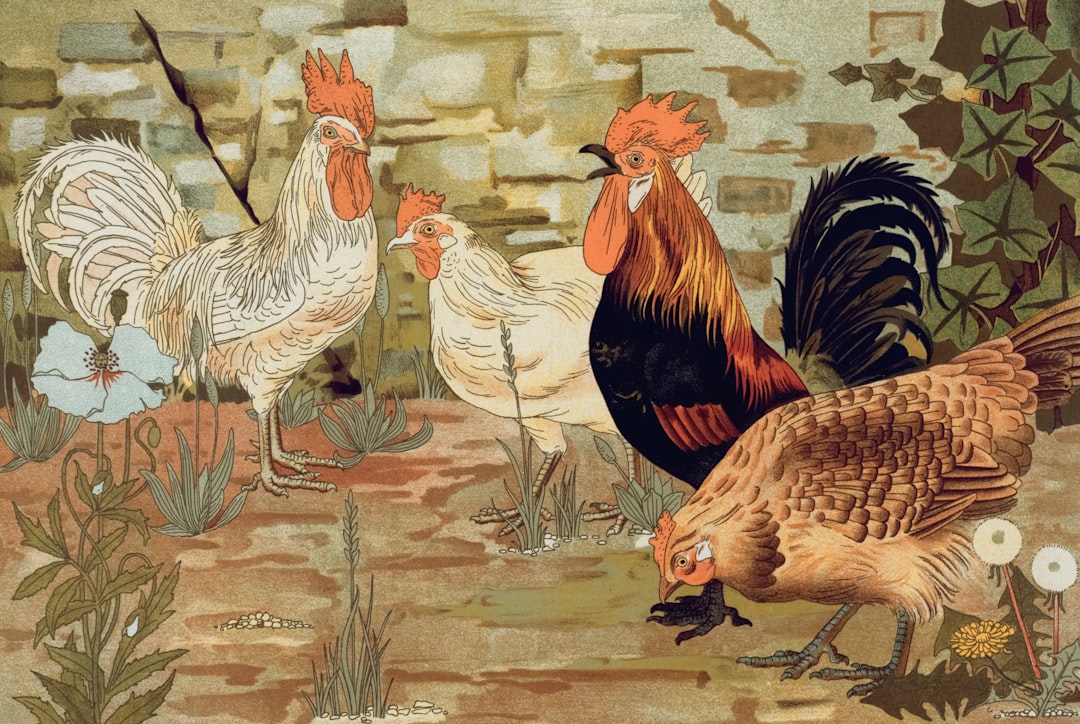
The Coven of the Chicken Foot traces its roots back to ancient agricultural societies where the domestication of poultry played a pivotal role in daily life. Emerging from a blend of indigenous practices and European folk traditions, this coven symbolizes a unique intersection of spirituality and agrarian culture. The chicken, often regarded as a mundane creature, is elevated to a sacred status within this coven, representing fertility, sustenance, and the cyclical nature of life.
Historical records suggest that the coven was formally established in the early 20th century, although its practices may have been passed down through generations in various forms. The name “Coven of the Chicken Foot” itself is derived from the belief that the chicken’s foot possesses protective qualities. In many cultures, chicken feet are used in talismans and charms, believed to ward off evil spirits and bring good fortune.
This coven has embraced these beliefs, intertwining them with their rituals and community practices. The origins of this group reflect a deep respect for nature and an understanding of the interconnectedness of all living beings, which is foundational to their spiritual philosophy.
Key Takeaways
- The Coven of the Chicken Foot has deep roots in folklore and ritual traditions involving poultry symbolism.
- Rituals of the coven prominently feature chickens, reflecting their spiritual and symbolic importance.
- The coven emphasizes a strong connection to nature and earth-centered practices within modern paganism.
- Their rituals and beliefs have a meaningful impact on the local community and cultural heritage.
- Interested individuals can learn about joining or engaging with the coven through specific outreach and educational efforts.
The Significance of the Chicken Foot in Folklore and Ritual
In folklore, the chicken foot is often associated with various superstitions and magical practices.
In many cultures, it is also seen as a symbol of resilience and adaptability, traits that are essential for survival in both nature and human society.
The Coven of the Chicken Foot has adopted these folkloric elements into their rituals, using the chicken foot as a central symbol during ceremonies. Rituals involving the chicken foot often include offerings, prayers, and invocations aimed at harnessing its protective energy. Members of the coven may create talismans or charms using chicken feet, which are then blessed during gatherings.
These rituals serve not only to connect participants with their spiritual beliefs but also to reinforce community bonds. The chicken foot thus becomes a powerful emblem of both individual and collective strength within the coven’s practices.
The Ritual Components of the Coven of the Chicken Foot
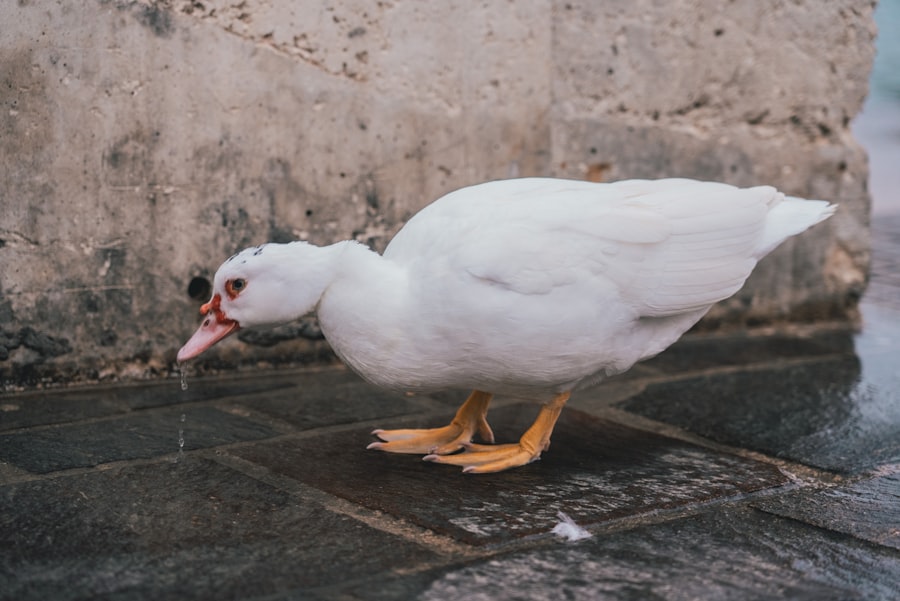
The rituals performed by the Coven of the Chicken Foot are rich in symbolism and tradition. Each ceremony typically includes several key components: invocation, offerings, communal sharing, and reflection. During the invocation phase, members call upon deities or spirits associated with fertility and protection, often using chants or songs that have been passed down through generations.
This phase sets the tone for the ritual, creating an atmosphere of reverence and connection. Offerings play a crucial role in these rituals, with members presenting items such as herbs, grains, and sometimes even live chickens as symbols of gratitude and respect for nature’s bounty. Communal sharing is another vital aspect; participants often engage in storytelling or sharing personal experiences related to their spiritual journeys.
This fosters a sense of belonging and unity among members. Finally, reflection allows individuals to contemplate their experiences during the ritual, reinforcing personal growth and spiritual development.
The Role of Poultry in the Coven’s Practices
Poultry holds a central place in the practices of the Coven of the Chicken Foot, serving not only as a source of sustenance but also as a spiritual symbol. Chickens, ducks, and other fowl are often incorporated into rituals as representations of abundance and fertility. The act of raising poultry is seen as a sacred responsibility, connecting members to the cycles of life and death that govern nature.
In addition to their symbolic significance, poultry also plays a practical role within the coven. Members may engage in sustainable farming practices, ensuring that their poultry is raised ethically and humanely. This commitment to animal welfare reflects a broader ethos within the coven that emphasizes respect for all living beings.
By integrating poultry into their spiritual practices, members cultivate a deeper understanding of their relationship with nature and the importance of stewardship.
The Symbolism of the Chicken in the Coven’s Beliefs
| Metric | Value | Description |
|---|---|---|
| Number of Members | 7 | Total witches in the Coven of the Chicken Foot |
| Location | Southern United States | Primary region where the coven is active |
| Founding Year | 1923 | Year the coven was established |
| Specialty | Folk Magic and Herbalism | Main magical practices of the coven |
| Ritual Frequency | Monthly | How often the coven performs rituals |
| Symbol | Chicken Foot | Iconic symbol representing the coven |
| Notable Spell | Protection Hex | Famous spell used by the coven for defense |
The chicken serves as a multifaceted symbol within the beliefs of the Coven of the Chicken Foot. It embodies themes of nourishment, protection, and transformation. As a source of food, chickens represent sustenance not only for individuals but also for communities.
This connection to nourishment extends beyond physical sustenance; it encompasses emotional and spiritual nourishment as well. Moreover, chickens are often associated with cycles of rebirth and renewal due to their reproductive capabilities. In this context, they symbolize hope and new beginnings, reminding members that life is an ongoing journey filled with opportunities for growth and transformation.
The coven’s rituals frequently reflect these themes, encouraging participants to embrace change and seek personal evolution.
The History of Poultry in Rituals and Magic
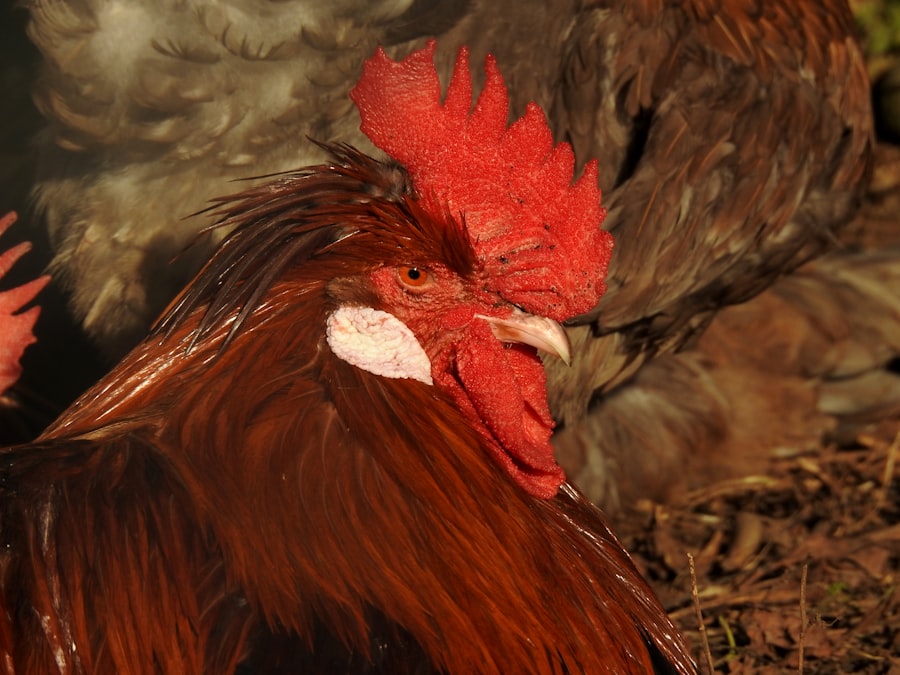
The use of poultry in rituals and magic dates back thousands of years across various cultures worldwide. In ancient Egypt, chickens were revered for their ability to lay eggs, symbolizing fertility and rebirth. Similarly, in many indigenous cultures, birds were seen as messengers between humans and the divine, with specific species being associated with particular deities or spiritual forces.
Throughout history, poultry has been utilized in various magical practices, including divination and healing rituals. For instance, some cultures believed that observing a chicken’s behavior could provide insights into future events or reveal hidden truths. The Coven of the Chicken Foot draws upon this rich historical tapestry, incorporating elements from diverse traditions into their own unique practices.
The Importance of the Coven’s Rituals in Modern Paganism
In contemporary Paganism, rituals serve as vital expressions of spirituality and community connection. The Coven of the Chicken Foot exemplifies this importance by creating spaces where individuals can explore their beliefs while fostering relationships with others who share similar values. Their rituals are designed to be inclusive and accessible, allowing participants from various backgrounds to engage meaningfully with their spiritual practices.
Moreover, these rituals often emphasize environmental stewardship and sustainability—principles that resonate deeply within modern Pagan communities. By integrating ecological awareness into their ceremonies, members not only honor their spiritual beliefs but also contribute positively to their local ecosystems. This dual focus on spirituality and environmental responsibility positions the Coven of the Chicken Foot as a relevant force within contemporary Paganism.
The Coven’s Connection to Nature and the Earth
The Coven of the Chicken Foot maintains a profound connection to nature and the Earth through its practices and beliefs.
This connection is reflected in their rituals, which often take place outdoors or in natural settings that foster a sense of harmony with the surrounding ecosystem.
Seasonal celebrations are particularly significant within the coven’s practices, marking important agricultural milestones such as planting and harvest times. These celebrations serve as reminders of humanity’s dependence on nature for sustenance while reinforcing community bonds through shared experiences. By honoring these cycles, members cultivate a deeper appreciation for the interconnectedness of all living beings.
The Coven’s Impact on the Local Community
The presence of the Coven of the Chicken Foot has had a positive impact on its local community by promoting awareness around sustainable practices and fostering inclusivity among diverse groups. Through workshops, educational programs, and community events, members share their knowledge about ethical farming methods and environmental stewardship with others interested in these topics. Additionally, the coven often collaborates with local organizations to support food security initiatives or environmental conservation efforts.
By engaging with their community in meaningful ways, members demonstrate that spirituality can extend beyond personal beliefs to encompass collective action for social good. This commitment to service reinforces their values while strengthening ties within the broader community.
The Future of the Coven of the Chicken Foot
As society continues to evolve, so too does the Coven of the Chicken Foot. Looking ahead, members are committed to adapting their practices while remaining true to their core beliefs. This may involve incorporating new technologies or methodologies that enhance sustainability efforts or exploring innovative ways to engage with younger generations interested in spirituality.
Furthermore, as awareness around environmental issues grows globally, there is potential for increased interest in covens like this one that prioritize ecological responsibility alongside spiritual exploration. By remaining open to change while honoring tradition, the Coven of the Chicken Foot can continue to thrive in an ever-changing world.
How to Join or Learn More About the Coven of the Chicken Foot
For those interested in joining or learning more about the Coven of the Chicken Foot, several avenues are available. Prospective members are encouraged to attend open gatherings or workshops hosted by existing members to gain insight into their practices and beliefs firsthand. These events provide opportunities for individuals to connect with like-minded individuals while exploring their own spiritual paths.
Additionally, online resources such as social media groups or dedicated websites can offer valuable information about upcoming events or educational materials related to poultry-based spirituality. Engaging with these platforms allows individuals to deepen their understanding while fostering connections within this unique community. In summary, the Coven of the Chicken Foot represents a rich tapestry woven from ancient traditions and modern values centered around spirituality, sustainability, and community engagement.
Through its rituals and practices involving poultry—particularly chickens—the coven fosters connections between individuals while promoting environmental stewardship within local communities. As it looks toward an evolving future filled with possibilities for growth and adaptation, this coven remains committed to honoring its origins while embracing new opportunities for exploration and connection.
In exploring the intriguing themes presented in “Coven of the Chicken Foot,” readers may find it enriching to delve into the cultural significance of various celebrations. A related article that highlights the importance of cultural traditions is available at National Holidays: A Celebration of Culture and Tradition. This piece offers insights into how different holidays reflect the values and beliefs of diverse communities, much like the rituals depicted in “Coven of the Chicken Foot.”
FAQs
What is the “Coven of the Chicken Foot”?
The “Coven of the Chicken Foot” refers to a group or gathering often associated with folklore, witchcraft, or spiritual practices where the chicken foot is used as a symbolic or ritualistic object.
Why is the chicken foot significant in a coven?
In many traditions, the chicken foot is believed to have protective properties and is used as a talisman to ward off evil spirits or negative energy. It symbolizes protection, magic, and connection to ancestral or natural forces.
Where does the tradition of using a chicken foot in a coven originate?
The use of chicken feet in magical or spiritual practices has roots in various cultures, including African, Caribbean, and Southern American folk magic traditions such as Hoodoo and Voodoo.
What are common practices involving the chicken foot in a coven?
Practices may include using the chicken foot in rituals for protection, placing it in homes or on altars, or incorporating it into spells and charms to invoke spiritual power or ward off harm.
Is the “Coven of the Chicken Foot” a real organization?
The term “Coven of the Chicken Foot” is often symbolic or thematic rather than referring to a specific, formal organization. It may be used in literature, folklore, or spiritual communities to describe groups that use the chicken foot in their practices.
Can anyone join a coven that uses the chicken foot?
Joining any coven typically depends on the group’s specific beliefs, practices, and membership criteria. Interest in the symbolism of the chicken foot alone does not guarantee membership, as covens often require initiation or adherence to particular spiritual paths.
Are there any cultural sensitivities to consider regarding the chicken foot in spiritual practices?
Yes, the chicken foot holds cultural and spiritual significance in various traditions. It is important to approach its use with respect and understanding of its origins to avoid cultural appropriation or misrepresentation.