Now Reading: Countdown to New Year’s: When is the Big Day?
-
01
Countdown to New Year’s: When is the Big Day?
Countdown to New Year’s: When is the Big Day?
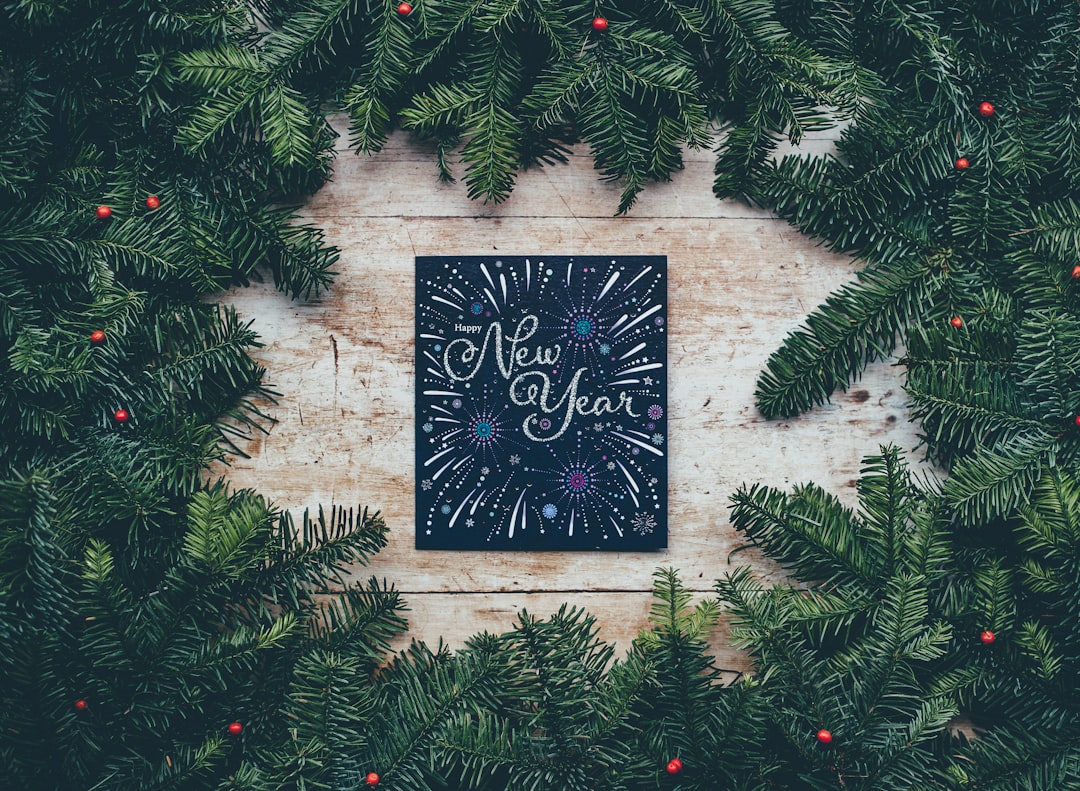
New Year’s Eve is observed globally as the final day of the calendar year, marking the transition to January 1st. The celebration occurs across different time zones as midnight approaches, with communities participating in established traditions and customs that vary by culture and region. Common observances include public gatherings, fireworks displays, countdown events, and private celebrations among family and friends.
Many people use this occasion to reflect on the previous year’s events and establish goals or resolutions for the upcoming year. The practice of making New Year’s resolutions has documented origins dating back to ancient civilizations, including the Babylonians and Romans. New Year’s Eve celebrations serve multiple social functions within communities.
They provide opportunities for social interaction and strengthen interpersonal relationships through shared experiences. Research indicates that communal celebrations contribute to social cohesion and can positively impact mental health by fostering connections and reducing isolation. Various cultural and religious traditions incorporate elements of renewal, forgiveness, and intention-setting into New Year observances.
These practices reflect the symbolic nature of the date as a temporal boundary, representing both an ending and a beginning in the annual cycle.
Key Takeaways
- New Year’s Eve holds cultural and historical significance worldwide as a time for reflection and celebration.
- Various cultures celebrate the New Year on different dates, using diverse calendars and traditions.
- Common New Year’s Eve customs include countdowns, parties, and unique superstitions aimed at bringing luck.
- Setting New Year’s resolutions is a popular practice for personal growth and goal-setting.
- Safety precautions are important during celebrations to ensure a joyful and accident-free start to the year.
The History of New Year’s Celebrations
The origins of New Year’s celebrations can be traced back thousands of years to ancient civilizations. The Babylonians are credited with being among the first to celebrate the New Year around 4,000 years ago, marking the arrival of spring with a festival known as Akitu. This festival involved various rituals, including the planting of crops and honoring deities, reflecting the agricultural significance of the season.
As time progressed, different cultures adopted their own methods of celebrating the New Year. The Roman calendar originally began in March, but in 46 B.C., Julius Caesar reformed it to align with the solar year, establishing January 1 as the start of the New Year. This change was significant as it laid the foundation for modern-day celebrations.
Over centuries, various customs and traditions evolved, influenced by religious beliefs, local customs, and historical events, leading to the diverse array of New Year’s celebrations we see today.
Different New Year’s Traditions Around the World
New Year’s traditions vary widely across cultures, each reflecting unique customs and beliefs. In Spain, it is customary to eat twelve grapes at midnight—one for each stroke of the clock—to symbolize good luck for each month of the coming year. In Japan, families celebrate with a traditional meal called osechi-ryori, which consists of various dishes that represent prosperity and happiness.
In Scotland, the celebration known as Hogmanay is marked by unique customs such as “first-footing,” where the first person to enter a home after midnight brings gifts symbolizing good fortune. Meanwhile, in Brazil, revelers flock to beaches dressed in white to honor Yemanjá, the goddess of the sea, while jumping over seven waves for good luck. These diverse traditions highlight how different cultures interpret and celebrate the arrival of a new year.
How Different Cultures Calculate the New Year
The calculation of the New Year varies significantly across cultures and religions. The Gregorian calendar, widely used today, marks January 1 as New Year’s Day; however, other calendars exist that dictate different dates for this celebration. For instance, the Chinese New Year is based on the lunar calendar and typically falls between January 21 and February 20.
This festival lasts for several days and includes various customs such as family reunions and fireworks. Similarly, the Jewish New Year, Rosh Hashanah, occurs in September or October and marks a time of reflection and repentance. The Islamic calendar follows a lunar system as well, with the Islamic New Year (Hijri New Year) occurring on different dates each year due to its shorter lunar cycle.
These variations illustrate how cultural beliefs and astronomical observations shape the way societies perceive and celebrate the passage of time.
The Countdown to New Year’s: How Many Days Left?
| New Year’s Day | Date | Day of the Week (2024) | Significance |
|---|---|---|---|
| Gregorian Calendar | January 1 | Monday | Start of the new year in most of the world |
| Chinese New Year | February 10 | Saturday | Start of the lunar new year, varies each year |
| Islamic New Year | July 7 | Sunday | Start of the Islamic lunar calendar year |
| Jewish New Year (Rosh Hashanah) | October 2-4 | Wednesday to Friday | Beginning of the Jewish year |
| Persian New Year (Nowruz) | March 20 | Wednesday | Start of the Persian calendar year, coincides with spring equinox |
As New Year’s Eve approaches, excitement builds around the world. The countdown becomes a focal point for celebrations, with many people eagerly anticipating the moment when they can welcome the new year. In major cities like New York City, Times Square becomes a hub of activity as thousands gather to witness the iconic ball drop at midnight.
The countdown itself often involves various forms of entertainment, including live music performances and fireworks displays. In many cultures, this moment is marked by communal cheers and celebrations that signify hope for new beginnings.
The anticipation surrounding this countdown fosters a sense of unity among participants, creating an atmosphere filled with joy and optimism.
Planning for New Year’s Eve: Parties, Events, and Celebrations

Planning for New Year’s Eve can be an exciting yet daunting task. Many individuals opt to host parties at home or attend organized events in their communities. When organizing a gathering, considerations such as venue selection, guest lists, food and beverage options, and entertainment are crucial for ensuring a memorable experience.
For those attending public events or parties, early planning is essential to secure tickets or reservations. Popular venues often sell out quickly due to high demand. Additionally, themes can enhance celebrations; whether it’s a glamorous black-tie affair or a casual gathering with friends, choosing a theme can add an element of fun and creativity to the festivities.
New Year’s Eve Traditions and Superstitions
New Year’s Eve is steeped in various traditions and superstitions that vary by culture but often share common themes of luck and prosperity. In many Western cultures, it is believed that what one does on New Year’s Day will set the tone for the rest of the year; thus, people often engage in activities that promote positivity and joy. In Italy, it is customary to wear red underwear on New Year’s Eve as it is thought to bring good luck in love for the coming year.
Similarly, in Greece, families hang an onion on their front door as a symbol of rebirth and growth. These superstitions reflect deep-rooted beliefs about fortune and fate that have been passed down through generations.
New Year’s Eve in Popular Culture: Movies, Songs, and Traditions
New Year’s Eve has been immortalized in popular culture through films, songs, and literature that capture its essence. Movies like “When Harry Met Sally” have become iconic representations of New Year’s celebrations, showcasing romantic encounters during this festive time. Similarly, songs such as “Auld Lang Syne” have become synonymous with New Year’s Eve celebrations worldwide.
These cultural artifacts not only entertain but also reinforce societal norms surrounding this holiday. They evoke nostalgia while encouraging individuals to reflect on their own experiences during this time of year. The portrayal of New Year’s Eve in popular culture serves as a reminder of its significance as a moment for renewal and hope.
New Year’s Resolutions: Setting Goals for the New Year
The tradition of making New Year’s resolutions is deeply ingrained in many cultures as individuals seek to improve themselves in various aspects of life. Common resolutions include commitments to exercise more frequently, eat healthier diets, quit smoking or drinking alcohol, or pursue personal development goals such as learning new skills or enhancing relationships. Setting realistic and achievable goals is crucial for success in maintaining resolutions throughout the year.
Research suggests that individuals who write down their goals are more likely to achieve them compared to those who do not. Additionally, sharing resolutions with friends or family can provide accountability and support throughout the journey toward self-improvement.
New Year’s Eve Safety Tips and Precautions
While New Year’s Eve is a time for celebration, it is essential to prioritize safety during festivities. Alcohol consumption often increases during this holiday; therefore, planning ahead for transportation options is critical to avoid impaired driving incidents. Utilizing designated drivers or rideshare services can help ensure everyone arrives home safely.
Fireworks are another common aspect of New Year’s celebrations; however, they can pose significant risks if not handled properly. Following local regulations regarding fireworks usage and ensuring they are used in safe environments can prevent accidents or injuries. Additionally, being mindful of personal safety in crowded public spaces can help mitigate risks associated with large gatherings.
The Day After New Year’s: Traditions and Celebrations
The day following New Year’s Eve often carries its own set of traditions and celebrations. In many cultures, January 1st is viewed as a day for relaxation and recovery after a night of festivities. Families may gather for special meals or partake in leisurely activities that promote bonding.
In some cultures, specific foods are consumed on this day to symbolize prosperity for the upcoming year. For example, in Southern United States traditions, eating black-eyed peas on New Year’s Day is believed to bring good luck and financial prosperity. These customs serve as reminders that while celebrating new beginnings is important, nurturing relationships with loved ones remains paramount.
In summary, New Year’s Eve represents a significant cultural event marked by diverse traditions worldwide that celebrate renewal and hope for the future. From historical origins to modern-day festivities filled with unique customs and superstitions, this occasion fosters unity among communities while encouraging personal growth through resolutions. As individuals prepare for celebrations filled with joy and anticipation while prioritizing safety measures during festivities—New Year’s Day serves as an opportunity for reflection on aspirations for the year ahead.
As the countdown to New Year’s begins, many people are also preparing for the festive season that precedes it. If you’re looking for the perfect holiday gift to celebrate the occasion, you might find inspiration in our article on personalized Christmas ornaments. These unique gifts can add a special touch to your holiday celebrations and make for memorable keepsakes as you welcome the New Year.
FAQs
When is New Year’s Day celebrated?
New Year’s Day is celebrated on January 1st each year, marking the beginning of the new calendar year.
Why is New Year’s Day celebrated on January 1st?
January 1st was established as New Year’s Day by the Gregorian calendar, which is widely used internationally. This date was chosen to honor the Roman god Janus, the god of beginnings and transitions.
Are New Year’s celebrations the same worldwide?
No, New Year’s celebrations vary across cultures and countries. While many celebrate on January 1st, some cultures observe the New Year on different dates based on lunar or solar calendars.
What are common traditions associated with New Year’s Day?
Common traditions include fireworks, countdowns to midnight, making New Year’s resolutions, parties, and special meals. Many cultures also have unique customs to bring good luck for the coming year.
Is New Year’s Day a public holiday?
In most countries, New Year’s Day on January 1st is a public holiday, allowing people to rest and celebrate the start of the new year.
What is the significance of New Year’s Eve?
New Year’s Eve, celebrated on December 31st, is the final day of the old year and is often marked by parties and countdowns leading up to midnight, when the new year officially begins.