Now Reading: Connecting Cities: The Leeds-Liverpool Link
-
01
Connecting Cities: The Leeds-Liverpool Link
Connecting Cities: The Leeds-Liverpool Link
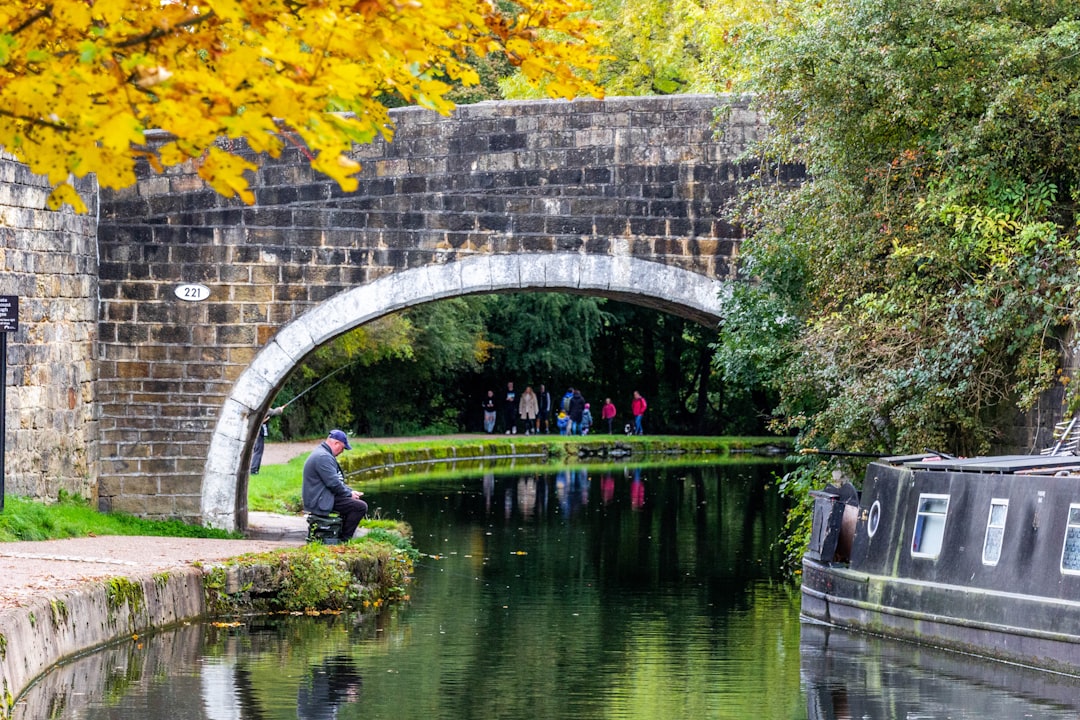
The Leeds-Liverpool Canal is a 127.25-mile waterway that connects Leeds in West Yorkshire to Liverpool in Merseyside. Construction began in 1770 and was completed in 1816, making it the longest single canal built in Britain. The canal was designed to transport coal from the Lancashire coalfields to Liverpool’s docks and to carry limestone, slate, and other goods in the opposite direction.
The canal features 91 locks and crosses the Pennine hills at a summit level of 487 feet above sea level. Its route passes through major towns including Skipton, Burnley, Blackburn, and Wigan. The waterway required significant engineering works, including the construction of embankments, cuttings, and aqueducts to navigate the challenging terrain between the two cities.
During the Industrial Revolution, the canal served as an important transportation route for raw materials and manufactured goods. Coal from Lancashire mines was transported to Liverpool for export, while cotton and other imports arrived at Liverpool’s port and were distributed inland via the canal. The waterway also carried textiles, pottery, and agricultural products, supporting the economic development of communities along its route.
The canal remained commercially viable until the mid-20th century, when road and rail transport became more economical for freight movement.
Key Takeaways
- The Leeds-Liverpool Link has played a crucial role in regional history and development.
- Connecting Leeds and Liverpool has significantly boosted economic growth and trade.
- Engineering innovations were key to overcoming challenges in constructing the link.
- The link has fostered rich cultural exchanges and strengthened community ties.
- Environmental and social benefits have emerged from improved connectivity between the cities.
The Economic Impact of Connecting Leeds and Liverpool
The economic ramifications of the Leeds-Liverpool Link are profound and multifaceted. By providing a direct route for transporting goods, the canal significantly reduced transportation costs and time, thereby enhancing trade efficiency. Businesses in both cities benefited from this improved logistics network, leading to increased productivity and profitability.
The link also stimulated local economies by creating jobs in various sectors, including shipping, manufacturing, and agriculture. Moreover, the canal has continued to play a vital role in contemporary economic activities. In recent years, there has been a resurgence in interest in waterway transport as businesses seek sustainable alternatives to road and rail freight.
The Leeds-Liverpool Link has become an attractive option for companies looking to reduce their carbon footprint while maintaining efficient supply chains. This shift towards eco-friendly transportation methods has not only bolstered local economies but has also contributed to broader environmental goals.
The Engineering Feats of Building the Leeds-Liverpool Link
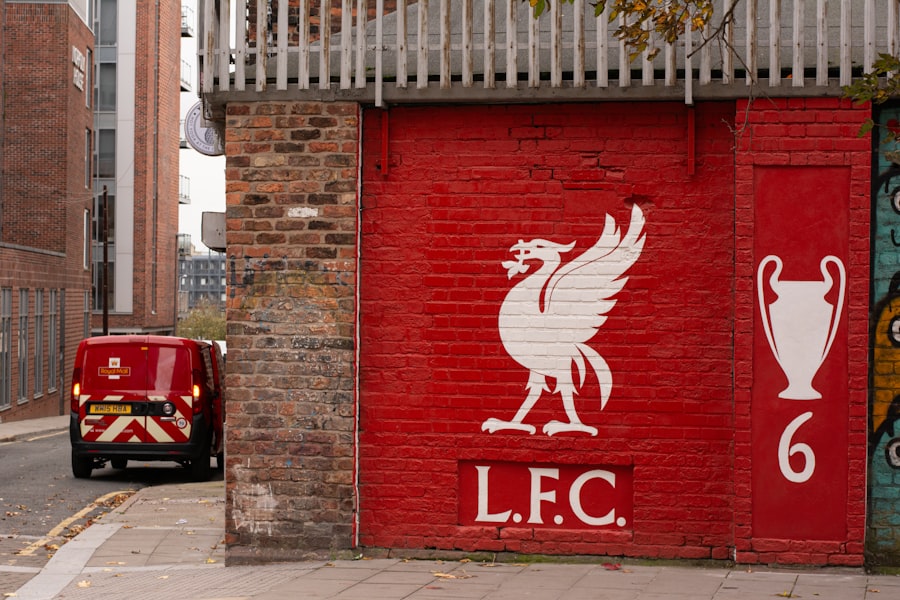
The construction of the Leeds-Liverpool Link was an extraordinary engineering achievement that required innovative solutions to overcome various geographical challenges. Spanning across diverse terrains, including valleys, hills, and urban landscapes, engineers employed advanced techniques for their time to ensure the canal’s successful completion. Notably, the use of locks was essential in managing changes in elevation along the route, with 91 locks strategically placed to facilitate navigation.
This complex structure exemplifies the ingenuity required to navigate the challenging topography between Leeds and Liverpool. Additionally, the construction involved extensive excavation and masonry work, with thousands of tons of stone and earth being moved to create a navigable waterway.
The successful completion of this ambitious project not only showcased engineering excellence but also laid the groundwork for future infrastructure developments across Britain.
The Cultural Exchange between Leeds and Liverpool
The Leeds-Liverpool Link has served as a conduit for cultural exchange between two vibrant cities, each with its unique identity and heritage. Over the years, this connection has facilitated interactions among artists, musicians, and cultural institutions, fostering a rich tapestry of shared experiences. Festivals, art exhibitions, and collaborative projects have emerged as a result of this cultural synergy, enriching both communities.
The link has also played a role in promoting regional pride and identity. Events such as the Leeds-Liverpool Canal Festival celebrate the history and significance of the waterway while bringing together residents from both cities. These gatherings not only highlight local traditions but also encourage dialogue and collaboration among diverse cultural groups.
As a result, the canal has become more than just a transportation route; it is a symbol of unity that celebrates the shared heritage of Leeds and Liverpool.
The Environmental Benefits of Connecting Cities
| Metric | Leeds | Liverpool |
|---|---|---|
| Population | Approx. 800,000 | Approx. 500,000 |
| Area (sq km) | 551.7 | 111.8 |
| Average Annual Rainfall (mm) | 850 | 860 |
| Major Industries | Finance, Education, Manufacturing | Shipping, Manufacturing, Tourism |
| Football Clubs | Leeds United | Liverpool FC, Everton FC |
| Distance Between Cities (km) | 72 km | |
| Transport Links | Rail, Road (M62), Bus | |
The environmental advantages associated with the Leeds-Liverpool Link are increasingly recognized in today’s context of climate change and sustainability. By providing an alternative mode of transport for goods, the canal significantly reduces reliance on road transport, which is a major contributor to greenhouse gas emissions.
Furthermore, the canal’s existence promotes biodiversity by creating habitats for various aquatic species and supporting local ecosystems. The surrounding areas have also benefited from enhanced green spaces that contribute to improved air quality and overall well-being for residents. Efforts to maintain and restore sections of the canal have led to increased public awareness about environmental conservation and sustainable practices within both cities.
The Social Implications of the Leeds-Liverpool Link
The social implications of connecting Leeds and Liverpool through the canal are profound and far-reaching. The link has fostered community engagement by providing recreational opportunities for residents and visitors alike. Walking, cycling, and boating along the canal have become popular pastimes that promote physical health and well-being while encouraging social interaction among diverse groups.
Moreover, the canal serves as an important educational resource for local schools and community organizations. Programs focused on environmental stewardship, history, and engineering have emerged as a means to engage younger generations with their local heritage. By fostering a sense of ownership and pride in their community’s history, residents are more likely to advocate for its preservation and continued development.
The Future Development of the Leeds-Liverpool Link
Looking ahead, there are numerous opportunities for further development along the Leeds-Liverpool Link that could enhance its functionality and appeal. Plans are underway to improve infrastructure along the canal, including upgrades to locks and bridges to accommodate larger vessels and increase navigability. Additionally, initiatives aimed at promoting sustainable tourism along the waterway are gaining traction, with proposals for eco-friendly accommodations and attractions that highlight local culture.
Furthermore, there is potential for increased collaboration between local authorities to enhance connectivity between public transport systems and the canal network. By integrating waterways into broader transportation strategies, cities can create seamless travel experiences that benefit residents and visitors alike. This holistic approach to urban planning will ensure that the Leeds-Liverpool Link remains relevant in an ever-evolving landscape.
The Transportation Opportunities Created by Connecting Cities
The transportation opportunities presented by the Leeds-Liverpool Link are vast and varied. As an integral part of Britain’s inland waterway network, it provides an efficient means for transporting goods while alleviating congestion on roadways. Businesses can leverage this alternative transport mode to optimize their supply chains while reducing costs associated with fuel consumption and vehicle maintenance.
In addition to freight transport, the canal offers potential for passenger services that could enhance connectivity between Leeds and Liverpool. Water taxis or leisure cruises could provide an enjoyable means for commuters to travel between cities while enjoying scenic views along the waterway. Such initiatives would not only promote tourism but also encourage greater use of sustainable transport options among residents.
The Tourism Potential of the Leeds-Liverpool Link
The tourism potential associated with the Leeds-Liverpool Link is significant, with opportunities for attracting visitors interested in history, nature, and outdoor activities. The picturesque landscapes surrounding the canal provide an ideal setting for walking trails, cycling routes, and boating excursions that can draw tourists from near and far. Local businesses stand to benefit from increased foot traffic as visitors explore shops, restaurants, and attractions along the waterway.
Events such as guided boat tours or heritage festivals can further enhance tourism offerings while celebrating local culture and history. By promoting these activities through targeted marketing campaigns, both Leeds and Liverpool can capitalize on their shared heritage while boosting their economies.
The Collaborative Efforts of Leeds and Liverpool in Building the Link
The successful construction and ongoing maintenance of the Leeds-Liverpool Link have been made possible through collaborative efforts between various stakeholders in both cities. Local authorities, community organizations, businesses, and volunteers have all played vital roles in ensuring that this vital infrastructure remains functional and accessible. Partnerships between public agencies have facilitated funding opportunities for restoration projects aimed at preserving historical features along the canal while enhancing its usability for modern needs.
These collaborative efforts exemplify how communities can come together to achieve common goals while fostering a sense of shared responsibility for their local environment.
The Community Engagement in Connecting Cities
Community engagement has been instrumental in shaping the future of the Leeds-Liverpool Link. Local residents have actively participated in discussions regarding its development through public consultations and workshops aimed at gathering input on proposed projects. This grassroots involvement ensures that community voices are heard while fostering a sense of ownership over local heritage.
Moreover, volunteer initiatives focused on maintaining green spaces along the canal have encouraged residents to take pride in their surroundings while promoting environmental stewardship. By engaging communities in meaningful ways, stakeholders can cultivate lasting connections between people and their environment while ensuring that future generations continue to benefit from this invaluable resource. In summary, the Leeds-Liverpool Link represents a remarkable achievement in engineering history that has had lasting economic, cultural, environmental, social implications for both cities it connects.
As we look toward future developments along this vital waterway—whether through enhanced transportation options or increased tourism potential—it is clear that collaboration among stakeholders will be essential in preserving its legacy while adapting it to meet contemporary needs.
The Leeds-Liverpool Canal, a remarkable feat of engineering, stretches over 127 miles and is a popular destination for both leisure and tourism. As you explore the scenic routes along the canal, you might also be interested in planning your travels with the right car insurance. For insights on understanding rates and coverage in 2025, check out this informative article on car insurance essentials.
FAQs
What is the Leeds to Liverpool route?
The Leeds to Liverpool route is a popular travel corridor connecting the city of Leeds in West Yorkshire to the city of Liverpool in Merseyside, England. It is commonly used for both commuting and leisure travel.
How far is it from Leeds to Liverpool?
The distance between Leeds and Liverpool is approximately 70 miles (113 kilometers) by road.
What are the main transportation options between Leeds and Liverpool?
Travelers can choose from several transportation options including train services, buses, and driving by car. The train is often the fastest public transport option.
How long does it take to travel from Leeds to Liverpool by train?
The train journey between Leeds and Liverpool typically takes around 1 hour and 30 minutes to 2 hours, depending on the service and route.
Are there direct trains between Leeds and Liverpool?
Yes, there are direct train services available between Leeds and Liverpool, operated by various train companies.
Can I drive from Leeds to Liverpool?
Yes, you can drive from Leeds to Liverpool via the M62 motorway, which connects the two cities directly.
What are some key attractions in Leeds and Liverpool?
Leeds is known for its shopping, cultural venues, and historic architecture, while Liverpool is famous for its maritime history, The Beatles heritage, and vibrant arts scene.
Is there a cycling route between Leeds and Liverpool?
Yes, there is a well-known cycling route called the Leeds-Liverpool Canal towpath, which is popular among cyclists and walkers.
Are there any airports near Leeds and Liverpool?
Leeds is served by Leeds Bradford Airport, while Liverpool has Liverpool John Lennon Airport, both offering domestic and international flights.
What is the best time to travel between Leeds and Liverpool?
Travel times can vary, but off-peak hours during weekdays and weekends generally offer less crowded and more comfortable travel conditions.