Now Reading: Complete Coverage: Full Dental Insurance Explained
-
01
Complete Coverage: Full Dental Insurance Explained
Complete Coverage: Full Dental Insurance Explained
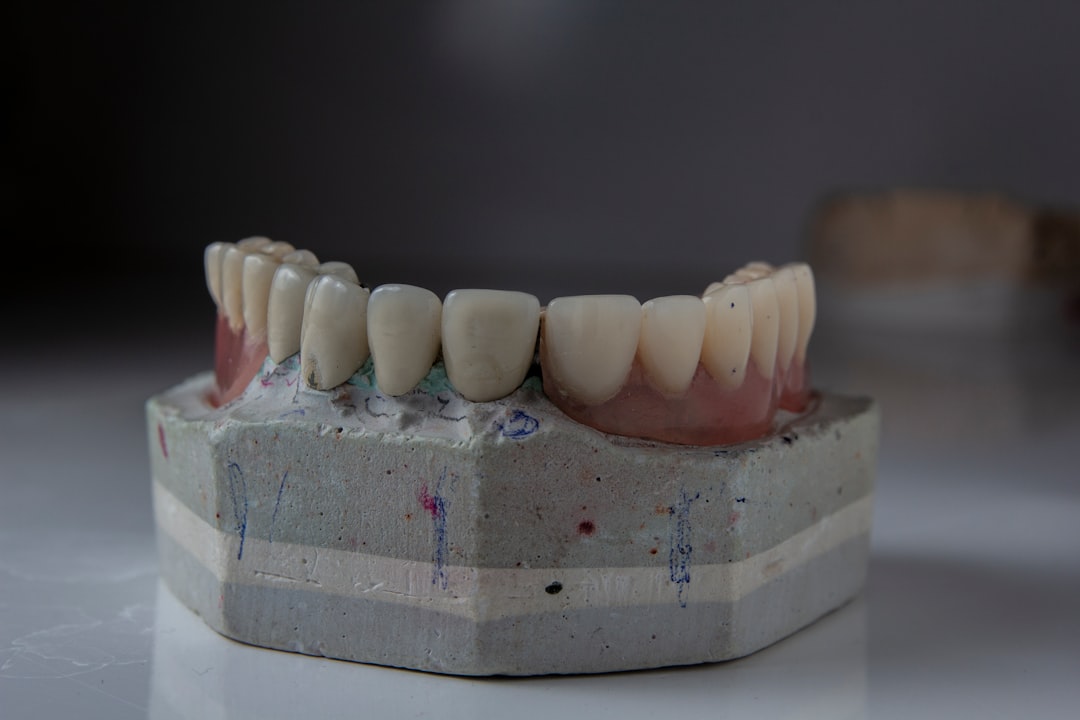
Full dental insurance is a comprehensive health benefit designed to cover a wide array of dental services, ensuring that individuals maintain optimal oral health without incurring exorbitant out-of-pocket expenses. This type of insurance typically encompasses preventive, basic, and major dental procedures, providing a safety net for patients against the high costs associated with dental care. The structure of full dental insurance can vary significantly among providers, but the core objective remains the same: to facilitate access to necessary dental treatments while promoting regular check-ups and preventive care.
The importance of full dental insurance cannot be overstated. Oral health is intrinsically linked to overall health, with numerous studies indicating that poor dental hygiene can lead to systemic conditions such as cardiovascular disease, diabetes, and respiratory infections. By investing in full dental insurance, individuals not only safeguard their teeth and gums but also contribute to their long-term health and well-being.
This insurance plan serves as a proactive measure, encouraging routine visits to the dentist and early intervention for potential issues.
Key Takeaways
- Full dental insurance provides coverage for a wide range of dental services, including preventive care, basic procedures, and major treatments.
- Full dental insurance typically covers preventive care, such as cleanings and exams, as well as basic procedures like fillings and extractions, and major treatments like crowns and root canals.
- The benefits of full dental insurance include financial protection against unexpected dental expenses, access to a network of dentists, and the ability to maintain good oral health.
- When choosing the right full dental insurance plan, it’s important to consider the coverage options, network of dentists, cost, and any limitations or exclusions.
- The cost of full dental insurance varies depending on the level of coverage, the insurance provider, and the individual or family plan.
What Does Full Dental Insurance Cover?
Full dental insurance typically encompasses a broad spectrum of services categorized into three main tiers: preventive, basic, and major services. Preventive services are designed to avert dental issues before they arise and often include routine examinations, cleanings, fluoride treatments, and X-rays. These services are usually covered at 100%, emphasizing the importance of regular dental visits in maintaining oral health.
Basic services include treatments that address common dental problems such as cavities and gum disease. These may involve fillings, extractions, and periodontal treatments. Coverage for basic services generally ranges from 70% to 80%, depending on the specific plan.
Major services encompass more complex procedures such as crowns, bridges, dentures, and root canals. Coverage for these services is typically lower, often around 50%, reflecting their higher costs and the need for more extensive treatment.
The Benefits of Full Dental Insurance
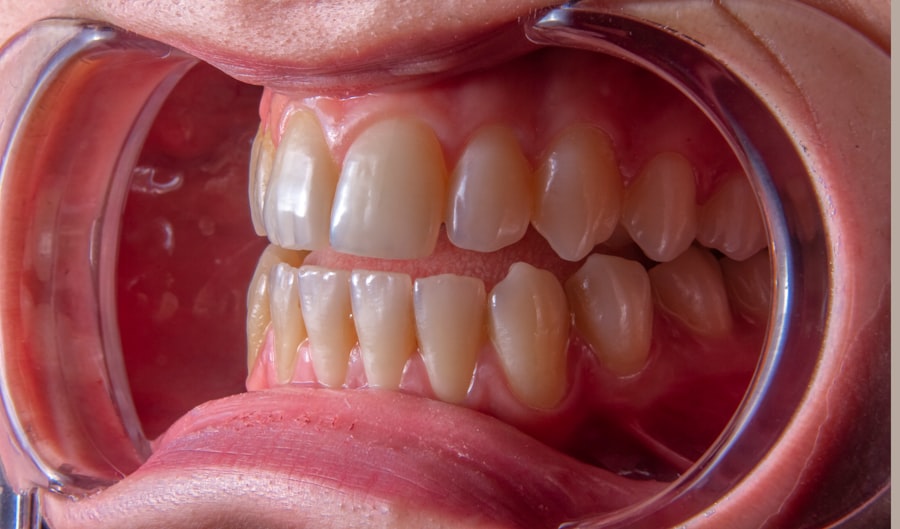
The advantages of full dental insurance extend beyond mere financial relief. One of the most significant benefits is the peace of mind it provides. Knowing that a substantial portion of dental expenses will be covered allows individuals to seek necessary treatments without the fear of crippling costs.
This financial security encourages regular dental visits, which are crucial for early detection and prevention of serious oral health issues. Moreover, full dental insurance often includes additional perks such as discounts on orthodontic treatments or access to a network of preferred providers. These features can enhance the overall value of the plan, making it easier for policyholders to receive quality care at reduced rates.
Additionally, many plans offer wellness programs that promote good oral hygiene practices, further contributing to improved health outcomes.
How to Choose the Right Full Dental Insurance Plan
| Factors to Consider | Details |
|---|---|
| Coverage | Determine what dental services are covered, such as cleanings, fillings, and orthodontics. |
| Cost | Compare monthly premiums, deductibles, and out-of-pocket costs for different plans. |
| Network | Check if your preferred dentist is in the plan’s network to maximize benefits. |
| Annual Maximum | Find out the maximum amount the plan will pay for dental care within a year. |
| Waiting Periods | Be aware of any waiting periods for specific treatments after enrolling in the plan. |
Selecting the appropriate full dental insurance plan requires careful consideration of several factors. First and foremost, individuals should assess their specific dental needs and those of their family members. For instance, families with children may prioritize plans that offer comprehensive orthodontic coverage, while older adults might focus on plans that cover restorative procedures.
Another critical aspect is understanding the network of providers associated with each plan. Some insurance policies require patients to visit in-network dentists to receive maximum benefits, while others offer more flexibility with out-of-network providers. Evaluating the accessibility and reputation of dentists within the network can significantly impact satisfaction with the chosen plan.
Additionally, individuals should scrutinize the details of coverage limits, waiting periods, and exclusions. Some plans may impose annual maximums on benefits or have waiting periods for certain procedures. By thoroughly reviewing these elements, individuals can make informed decisions that align with their healthcare needs and financial capabilities.
The Cost of Full Dental Insurance
The cost of full dental insurance varies widely based on several factors including geographic location, age, and the specific coverage options selected. On average, individuals can expect to pay between $20 to $50 per month for an individual plan, while family plans may range from $50 to $150 monthly. These premiums are influenced by the extent of coverage provided and the insurer’s network of providers.
In addition to premiums, policyholders should be aware of potential out-of-pocket costs such as deductibles, copayments, and coinsurance. Deductibles are the amounts that must be paid before insurance coverage kicks in, while copayments are fixed fees for specific services. Coinsurance refers to the percentage of costs that policyholders are responsible for after meeting their deductible.
Understanding these financial obligations is crucial for budgeting effectively for dental care.
Common Misconceptions About Full Dental Insurance
Despite its benefits, full dental insurance is often surrounded by misconceptions that can lead to confusion among consumers. One prevalent myth is that all dental procedures are fully covered under these plans. In reality, coverage varies significantly based on the type of service rendered and the specific terms outlined in the policy.
Another common misunderstanding is that preventive care is unnecessary if one has insurance coverage. In fact, regular check-ups and cleanings are essential components of maintaining oral health and preventing more severe issues down the line. Many individuals mistakenly believe that they can forego routine visits because they have insurance; however, neglecting preventive care can lead to more significant problems that may not be fully covered by their plan.
Tips for Maximizing Your Full Dental Insurance Benefits
To fully leverage the advantages of full dental insurance, policyholders should adopt proactive strategies. First and foremost, scheduling regular check-ups is vital. Most plans cover preventive services at 100%, making it financially advantageous to visit the dentist at least twice a year.
Additionally, individuals should familiarize themselves with their plan’s coverage details to avoid unexpected costs. Understanding which services require copayments or coinsurance can help in planning treatments effectively. Furthermore, utilizing in-network providers can maximize benefits and minimize out-of-pocket expenses.
Another effective strategy is to take advantage of any wellness programs or discounts offered by the insurer. Many plans provide resources for maintaining good oral hygiene or discounts on orthodontic treatments that can enhance overall value.
How to Make the Most of Preventive Services with Full Dental Insurance
Preventive services are a cornerstone of full dental insurance and play a crucial role in maintaining oral health. To maximize these benefits, individuals should prioritize regular visits to their dentist for cleanings and examinations. These appointments allow for early detection of potential issues such as cavities or gum disease before they escalate into more serious conditions.
In addition to routine visits, patients should actively engage in their oral hygiene practices at home. Brushing twice daily with fluoride toothpaste and flossing regularly are essential habits that complement professional care. Many insurers also provide educational resources on proper oral hygiene techniques; utilizing these materials can further enhance preventive efforts.
Moreover, individuals should inquire about additional preventive services covered by their plan, such as sealants or fluoride treatments for children. Taking advantage of these offerings can significantly reduce the risk of developing cavities and other dental issues.
Understanding Deductibles, Copayments, and Coinsurance with Full Dental Insurance
Navigating the financial aspects of full dental insurance requires a clear understanding of key terms such as deductibles, copayments, and coinsurance. A deductible is the amount a policyholder must pay out-of-pocket before their insurance begins covering costs. For example, if a plan has a $100 deductible, individuals must pay this amount before receiving any benefits.
Copayments are fixed fees associated with specific services; for instance, a policyholder may pay a $20 copayment for each office visit or cleaning. Coinsurance refers to the percentage of costs that individuals are responsible for after meeting their deductible. For example, if a plan covers 80% of a procedure’s cost after the deductible is met, the policyholder would be responsible for the remaining 20%.
Understanding these financial components is essential for effective budgeting and planning for dental care expenses throughout the year.
What to Do If Your Full Dental Insurance Claim Is Denied
Experiencing a denied claim can be frustrating; however, there are steps individuals can take to address this issue effectively. First and foremost, it is crucial to review the explanation provided by the insurer regarding the denial. Understanding the reasons behind the denial can help determine whether it was due to an error or if additional information is required.
If the denial appears unjustified, policyholders should gather relevant documentation such as treatment records or billing statements to support their case.
Additionally, individuals may consider seeking assistance from their dentist’s office; many dental practices have experience navigating insurance claims and can offer valuable support in appealing denied claims.
The Future of Full Dental Insurance: Trends and Innovations
The landscape of full dental insurance is evolving rapidly due to advancements in technology and changing consumer expectations. One notable trend is the increasing integration of telehealth services within dental care. Virtual consultations allow patients to receive preliminary assessments without needing an in-person visit, enhancing accessibility and convenience.
Moreover, insurers are beginning to adopt value-based care models that prioritize patient outcomes over service volume. This shift encourages preventive care and holistic approaches to oral health management rather than reactive treatments alone. Additionally, innovations in digital tools such as mobile apps enable policyholders to track their benefits easily, schedule appointments online, and access educational resources about oral health practices.
As technology continues to advance, it is likely that full dental insurance will become more user-friendly and tailored to meet individual needs. In summary, full dental insurance serves as an essential component in maintaining oral health while alleviating financial burdens associated with dental care. By understanding coverage options, costs involved, and strategies for maximizing benefits, individuals can make informed decisions about their oral health needs.
If you are considering investing in full coverage dental insurance, you may also be interested in reading about navigating the best rates for car insurance in 2025. Understanding how to find the best rates for insurance can help you make informed decisions about your coverage options. Check out the article here for more information on securing the best insurance rates for your needs.
FAQs
What is full coverage dental insurance?
Full coverage dental insurance typically includes a wide range of dental services, including preventive care, basic procedures like fillings and extractions, and major procedures like crowns and root canals.
What does full coverage dental insurance usually cover?
Full coverage dental insurance usually covers preventive care (such as cleanings and exams), basic procedures (such as fillings and extractions), and major procedures (such as crowns, bridges, and root canals).
Does full coverage dental insurance cover orthodontic treatment?
Some full coverage dental insurance plans may cover orthodontic treatment, but it’s important to check the specific details of the plan as coverage can vary.
Are there any limitations to full coverage dental insurance?
While full coverage dental insurance typically covers a wide range of dental services, there may be limitations such as waiting periods for certain procedures, annual maximums, and exclusions for pre-existing conditions.
How can I find a full coverage dental insurance plan?
You can find full coverage dental insurance plans by researching and comparing different insurance providers, or by speaking with a licensed insurance agent who can help you find a plan that meets your needs.
Is full coverage dental insurance worth it?
Whether full coverage dental insurance is worth it depends on your individual dental needs and financial situation. It’s important to consider factors such as the cost of the insurance premiums, the coverage provided, and any out-of-pocket expenses.