Now Reading: Chhaava: Embracing the Shadows of Identity and Culture
-
01
Chhaava: Embracing the Shadows of Identity and Culture
Chhaava: Embracing the Shadows of Identity and Culture

Chhaava
In a world that often seeks to define us through rigid categories and labels, the concept of identity can be a complex tapestry woven from threads of culture, heritage, and personal experience. “Chhaava,” meaning shadow in Hindi, encapsulates this nuanced exploration of self, inviting us to delve into the often-overlooked aspects of our identities that exist in the periphery.
This blog post embarks on a journey through the rich landscapes of identity and culture, shedding light on how our shadows—those elements that are less visible yet profoundly impactful—shape who we are.
From the subtle nuances of cultural traditions to the silent struggles of belonging, we will explore how embracing these shadows can lead to a deeper understanding of ourselves and our place in the world. Join us as we celebrate the beauty of diversity, the power of heritage, and the importance of acknowledging the intricate layers that make up our identities in today’s interconnected society.
Introduction to Chhaava: Understanding the Concept
Chhaava, a term steeped in the richness of South Asian culture, embodies the intricate interplay between identity and the shadows that often accompany it. At its core, Chhaava represents more than just a concept; it is a reflective lens through which we can explore the nuances of cultural heritage, personal identity, and the multifaceted nature of existence. The word itself translates to “shadow” in Hindi, yet its implications stretch far beyond a mere absence of light.
In many ways, Chhaava serves as a metaphor for the often overlooked aspects of identity that lie beneath the surface. Just as a shadow reveals the outline of an object while obscuring its finer details, our identities are shaped by both the visible traits we present to the world and the hidden complexities that influence who we are. This duality is particularly resonant in a globalized world where cultural identities are constantly evolving, often leading individuals to navigate multiple layers of self-perception and societal expectation.
In this exploration, we will delve into the origins of the Chhaava concept, tracing its roots in folklore, art, and everyday life. We will examine how it manifests in various cultural practices, from storytelling and dance to the vibrant colors of traditional attire. Additionally, we will discuss how embracing these shadows allows individuals to reclaim parts of their identity that society might overlook or undervalue, fostering a deeper understanding of self and community.
Join us as we embark on this journey of discovery, illuminating the shadows of Chhaava that define us and celebrating the rich tapestry of identity and culture it encompasses.
The Significance of Shadows in Identity Formation
Shadows have long been a symbol of complexity, representing the dualities of existence—light and dark, seen and unseen. In the context of identity formation, shadows play an essential role, serving as a metaphor for the parts of ourselves that are often marginalized or hidden. These shadows encompass our cultural heritage, personal histories, and the myriad influences that shape who we are.
In many cultures, especially within the rich tapestry of indigenous narratives, shadows are seen as a reflection of ancestry and tradition. They remind us that identity is not simply a collection of visible traits but rather a confluence of experiences, beliefs, and cultural legacies. Embracing one’s shadow means acknowledging the stories that lie beneath the surface, those that may not fit neatly into societal expectations or norms.
For individuals navigating the complexities of multiculturalism, shadows can symbolize the struggle between embracing one’s heritage and assimilating into a dominant culture. This tension can lead to a profound questioning of self: Who am I in relation to my roots? How do I balance my cultural identity with the influences of the world around me?
Recognizing the significance of these shadows allows for a deeper exploration of identity. It encourages individuals to confront the aspects of themselves that may be uncomfortable or overlooked, ultimately leading to a more authentic self-understanding.
In this journey, shadows can transform from mere obscurity into powerful sources of strength, resilience, and connection to one’s cultural narrative. As we delve into the significance of shadows in identity formation, we uncover the rich, multidimensional nature of who we are and the paths we take to embrace our full selves.
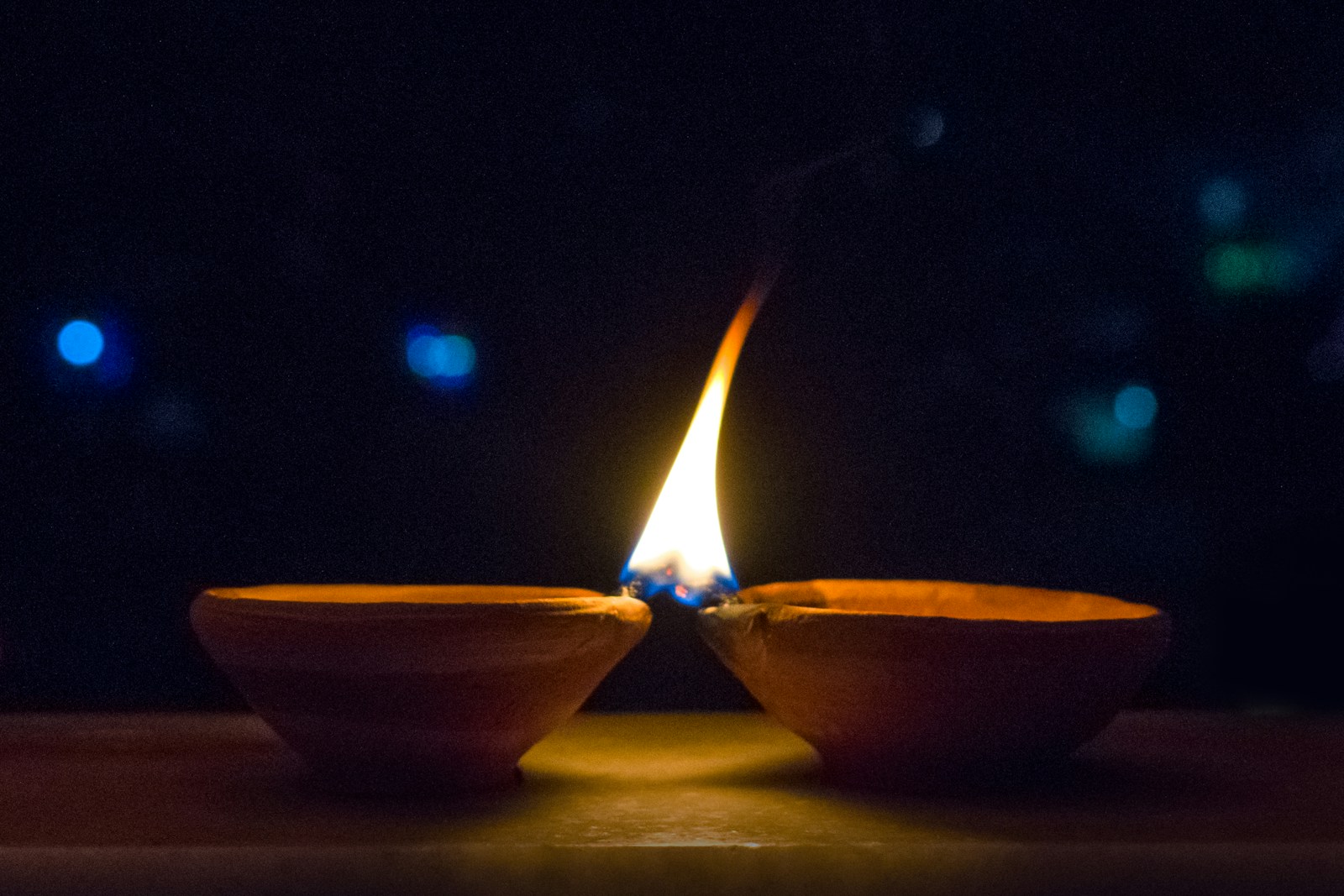
Exploring Cultural Narratives: The Role of Heritage
In a world increasingly defined by globalization and rapid change, cultural narratives serve as the threads weaving together the fabric of our identities. Heritage, in this context, becomes not just a relic of the past but a living, breathing entity that shapes our present and future. When we explore cultural narratives, we uncover the rich tapestry of stories, beliefs, and traditions that inform who we are and how we navigate the complexities of our lives.
Heritage encompasses everything from folklore and rituals to language and art forms, each carrying the weight of history and the nuances of lived experiences. These narratives often reflect the struggles and triumphs of communities, echoing the values and lessons passed down through generations.
By engaging with our heritage, we gain a deeper understanding of our place within a larger societal framework, recognizing that our identities are not formed in isolation but are influenced by collective histories.
In the context of Chhaava, this exploration of cultural narratives invites us to reflect on the ways in which our backgrounds shape our perspectives and interactions. Whether through storytelling, music, dance, or visual arts, heritage offers a lens through which we can examine our identities and the identities of others. It encourages us to embrace the shadows of our past, acknowledging that they can illuminate the path forward.
Moreover, as we delve into these narratives, we foster a sense of belonging and community. We find solace in shared experiences and discover the beauty of diversity within unity. This celebration of heritage not only enriches our personal identities but also cultivates empathy and understanding in a world that often feels fragmented. By embracing our cultural narratives, we empower ourselves and others to navigate the complexities of identity with grace and authenticity.
Personal Stories: Voices from the Shadows
In the vibrant tapestry of identity and culture, personal stories serve as the threads that weave together the intricate patterns of our experiences. In “Chhaava: Embracing the Shadows of Identity and Culture,” we delve into the voices that echo from the shadows—those often overlooked narratives that illuminate the diverse journeys of individuals navigating their cultural landscapes.
These personal stories are not just anecdotes; they are the lifeblood of understanding the complexities of identity. Each voice offers a unique perspective, revealing the struggles and triumphs of living in a world that may not always embrace the fullness of one’s heritage.
From the quiet resilience of first-generation immigrants seeking to honor their roots while forging a new path, to the vibrant expressions of artists who channel their cultural backgrounds into their work, these narratives resonate deeply with anyone who has ever felt the weight of duality in their identity.
As we explore these tales, we uncover the rich emotional landscapes that shape who we are. A young woman reflects on her journey through the layers of her family’s history, sharing how traditional values clash and blend with modern aspirations.
A storyteller recounts how folklore and myth inform their understanding of self, drawing connections between their ancestors and their own lived experiences. These stories remind us that the shadows we sometimes inhabit can be sources of profound strength and creativity.
The power of these voices lies in their authenticity; they challenge stereotypes, dismantle misconceptions, and invite us to engage with the complexities of culture on a deeper level. By embracing the shadows, we illuminate the richness of our shared humanity, encouraging empathy and understanding across diverse backgrounds. In “Chhaava,” these personal stories become a celebration of identity, inviting readers to reflect on their own journeys and the myriad ways culture shapes our lives.
The Duality of Identity: Balancing Tradition and Modernity
In the intricate tapestry of identity, the duality of tradition and modernity often weaves a complex narrative that reflects the essence of who we are. This balance is particularly significant in cultures that have long been rooted in rich histories while simultaneously navigating the ever-changing currents of contemporary life. The concept of duality is not merely a juxtaposition but a dynamic interplay that shapes our experiences and perspectives.
Tradition, with its deep roots, offers a sense of belonging and continuity. It is a repository of stories, customs, and practices passed down through generations, imbuing individuals with a rich cultural heritage. For many, embracing tradition means honoring their ancestors and the values that have shaped their community.
This could manifest in various forms—celebrating festivals, practicing age-old rituals, or even adhering to family recipes that have stood the test of time. These elements serve as anchors, providing stability in a world that often feels frenetic and unpredictable.
Conversely, modernity introduces a spectrum of ideas, innovations, and lifestyles that challenge established norms. The digital age, with its global connectivity, has opened up new avenues for self-expression and interaction. It invites individuals to explore different facets of their identity, often leading to a reimagining of what it means to belong.
This quest for authenticity can sometimes clash with traditional values, creating a tension that individuals must navigate. For instance, a young person may find themselves torn between the expectations of their family to uphold cultural practices and their desire to embrace new trends that resonate more with their personal identity.
Balancing tradition and modernity is not about choosing one over the other; rather, it is about finding harmony in their coexistence. This process often requires a thoughtful examination of what elements of tradition are essential to maintain and which aspects of modernity can enrich one’s cultural expression. It may involve a fusion of old and new—perhaps incorporating traditional garments into a modern wardrobe or celebrating cultural festivals through contemporary artistic expressions.
Ultimately, the journey of balancing tradition and modernity is deeply personal and unique to each individual. It is a dance of shadows and light, where one’s cultural identity can evolve while remaining rooted in its origins.
Embracing this duality not only fosters a deeper understanding of oneself but also enriches the broader narrative of cultural diversity, allowing individuals to thrive amidst the complexities of their identities. In a world that often seeks to compartmentalize, celebrating the interplay of tradition and modernity offers a richer, more authentic experience of life.
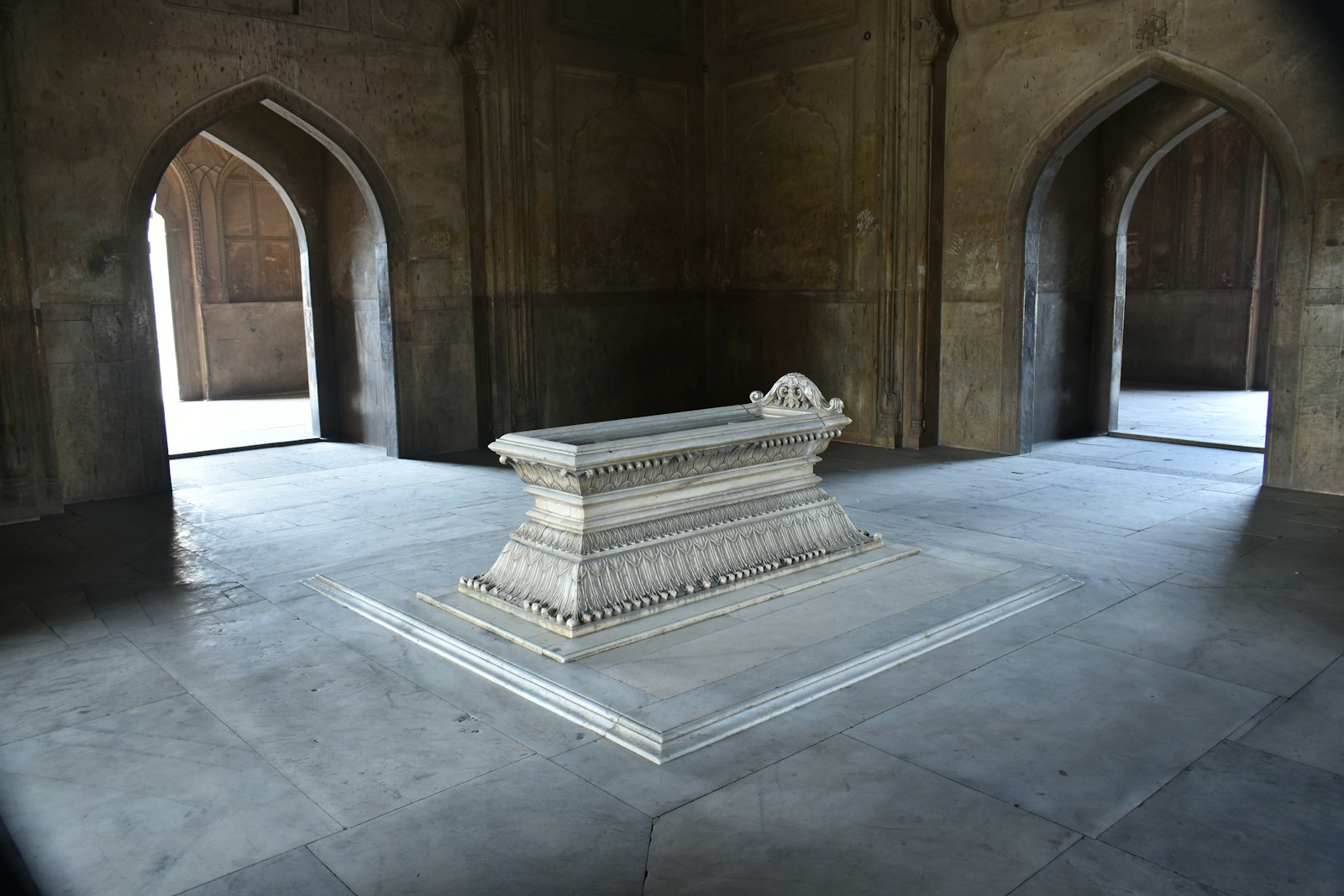
Chhaava in Literature: Representations in Art and Writing
In the realm of literature, the concept of “Chhaava” transcends the mere depiction of shadows; it becomes a powerful metaphor for the complexities of identity and cultural narratives. Authors and artists have long explored the nuances of the human experience through the lens of shadow, using it as a canvas to express the interplay between visibility and invisibility, presence and absence.
From classic folklore to contemporary novels, “Chhaava” appears in various forms, often symbolizing the dualities within individuals—where light reveals, shadows often conceal. In poetry, writers evoke imagery of shadows dancing on city streets, reflecting the transient nature of existence and the hidden stories that linger just outside the light’s reach. This poetic exploration serves as a reminder that every identity is multifaceted, shaped by the interplay of personal histories and cultural contexts.
Visual artists, too, have harnessed the essence of “Chhaava” in their work. Paintings and sculptures often depict figures shrouded in shadow, inviting viewers to ponder the untold narratives that lie beneath the surface. The contrast of light and dark not only creates a striking visual impact but also emphasizes the struggle for self-definition and belonging in a world that often seeks to categorize and simplify.
Moreover, essays and critical writings delve into the sociopolitical implications of “Chhaava,” examining how marginalized voices navigate their existence in a society that can overlook their stories. This rich tapestry of representation in literature and art not only celebrates the beauty of diversity but also challenges us to confront our own perceptions and biases.
In embracing “Chhaava,” creators across genres illuminate the intricacies of identity, inviting audiences to engage with the shadows that shape our understanding of culture. Through these representations, we come to realize that shadows are not merely devoid of light; they are integral to the narrative of who we are and how we connect with one another.
The Impact of Globalization on Cultural Identities
In an increasingly interconnected world, globalization has become a double-edged sword, profoundly influencing cultural identities across the globe. On one hand, it offers a platform for diverse cultures to share their traditions, languages, and art forms, creating a rich tapestry of global exchange. On the other hand, it poses significant challenges as local customs and identities risk dilution in the face of homogenizing forces.
As cultures blend and interact, individuals often find themselves navigating a complex landscape of identity. The rise of social media and digital connectivity allows for the instant sharing of cultural expressions, enabling marginalized voices to be heard and celebrated.
Yet, this exposure can also lead to cultural appropriation, where elements of a culture are adopted outside their original context, often without proper understanding or respect. The delicate balance between appreciation and appropriation is crucial in maintaining the integrity of cultural identities.
Moreover, globalization has fostered a consumer culture that prioritizes the universal over the local. As multinational brands dominate the marketplace, traditional artisans and local businesses often struggle to compete. This shift can lead to a loss of unique cultural practices, as younger generations gravitate towards global trends, leaving behind the rich tapestry of their heritage.
However, many communities are embracing this challenge, actively working to preserve their cultural identity amidst globalization’s tide. Initiatives to revive traditional practices, promote local languages, and celebrate indigenous art forms have emerged as powerful tools for cultural resilience. In this way, globalization can serve as both a threat and an opportunity, pushing communities to redefine and reassert their identities in the face of change.
In the context of “Chhaava,” these dynamics of globalization and cultural identity come into sharp focus. The narratives within the work reflect the struggle of individuals grappling with their roots while navigating a world that often overlooks the richness of cultural diversity.
By embracing the shadows of identity, “Chhaava” invites readers to explore the multifaceted nature of cultural heritage and the intricate dance between tradition and modernity in a globalized society.
Embracing Diversity: Celebrating Multicultural Influences
In a world that is increasingly interconnected, embracing diversity has become not just a choice, but a necessity. Celebrating multicultural influences is about recognizing the rich tapestry of identities, traditions, and experiences that shape our societies. At the heart of this celebration lies the understanding that every culture brings its own unique contributions—be it through art, cuisine, language, or philosophy.
In the context of Chhaava, this celebration of diversity goes beyond mere acknowledgment; it is an invitation to immerse oneself in the vibrant narratives that different cultures offer. For instance, consider the fusion of traditional folk music with contemporary genres, creating an exhilarating soundscape that resonates with a diverse audience. This blend is not only a testament to the creativity that arises from cultural intersections but also a powerful reminder of the shared human experience that transcends boundaries.
Moreover, embracing diversity means actively seeking to understand and appreciate the intricacies of various cultural practices. From the colorful festivals that light up our calendars to the culinary delights that tantalize our taste buds, each cultural expression is a window into a different way of life. By engaging with these influences, we not only enrich our own identities but also foster a sense of community and belonging among those who may be different from us.
Chhaava invites you to explore these multicultural influences—be it through storytelling, art exhibitions, or community events. In doing so, we create spaces where dialogue thrives and connections flourish, reminding us that our differences are not barriers, but bridges that unite us. As we celebrate the myriad shades of identity and culture, we cultivate a deeper appreciation for the beauty that lies in diversity and the strength that comes from embracing it wholeheartedly.

In a world where identity is often shaped by external perceptions, navigating stereotypes and prejudices can be an arduous journey for individuals, particularly in marginalized communities. The Chhaava community, rich in cultural heritage and diversity, faces unique challenges in a society that frequently relies on oversimplified narratives and generalized assumptions.
One of the most significant challenges is the pervasive stereotype that reduces individuals to mere caricatures of their cultural backgrounds. These stereotypes can manifest in various ways, from media portrayals that exaggerate certain traits to social interactions colored by preconceived notions. Many within the Chhaava community find themselves battling these misconceptions, striving to assert their true identities while simultaneously dismantling the barriers that these stereotypes create.
Prejudices often extend beyond mere misunderstanding; they can lead to systemic inequalities that affect employment opportunities, education, and social integration. For instance, individuals may face discrimination in the workplace based on their cultural background, limiting their professional growth and perpetuating cycles of economic disadvantage. This not only stifles individual potential but also hinders the community’s overall progress.
Moreover, the internalization of these stereotypes can take a toll on self-esteem and mental health. Members of the Chhaava community may grapple with feelings of alienation or inadequacy, struggling to reconcile their rich cultural identity with the narrow frameworks imposed by society.
Yet, amidst these challenges, resilience is a cornerstone of the Chhaava experience. Community initiatives aimed at education and awareness, coupled with personal narratives that challenge prevailing stereotypes, are paving the way for a more nuanced understanding of identity.
By embracing their multifaceted identities and sharing their stories, individuals within the Chhaava community are not only redefining how they are perceived but also fostering a deeper appreciation for the complexity of cultural heritage.
Navigating the shadows of identity and culture is no easy feat, but with collective effort and a commitment to authenticity, the Chhaava community is poised to illuminate the path forward, transforming challenges into opportunities for growth and connection.
Strategies for Embracing One’s Cultural Shadows
Embracing one’s cultural shadows involves a journey of self-discovery and acceptance, where we confront and celebrate the parts of our identities that may have been pushed aside or marginalized. Here are some effective strategies to help navigate this complex terrain:
- Self-Reflection and Journaling: Start by dedicating time to reflect on your cultural background and personal experiences. Journaling can be a powerful tool for unpacking feelings about your identity, including the elements you might feel ashamed of or disconnected from. Consider questions such as: What aspects of my culture do I cherish? Which parts have I ignored or felt embarrassed about? This practice can lead to deeper insights and foster a sense of pride in your heritage.
- Engage with Your History: Dive into the history of your culture, exploring its triumphs and struggles. Read books, watch documentaries, or attend cultural events that highlight the richness of your heritage. Understanding where you come from can help you appreciate the entirety of your identity, including the “shadows” that may have been overlooked or misunderstood.
- Connect with Community: Seek out groups or organizations that celebrate your culture. Engaging with others who share similar backgrounds can create a sense of belonging and provide a safe space to share experiences. This community support can help validate your feelings and encourage you to embrace all facets of your identity.
- Artistic Expression: Tap into creative outlets as a means to explore and express your cultural shadows. Whether through painting, music, dance, or writing, art can be a powerful medium to process emotions and celebrate your unique identity. Consider creating pieces that reflect your journey, incorporating elements that represent both light and shadow.
- Seek Diverse Perspectives: Embrace stories and perspectives from individuals within and outside your culture. This can broaden your understanding and appreciation of cultural diversity. Listening to others’ experiences can illuminate the shadows in your own identity, highlighting shared challenges and triumphs that resonate universally.
- Practice Compassion: Embracing your cultural shadows requires kindness towards yourself. Recognize that grappling with identity is a complex process that can bring up difficult emotions. Be patient with yourself as you navigate these feelings, allowing space for growth and healing.
- Celebrate Your Heritage: Find ways to actively celebrate your culture in daily life. This might include cooking traditional meals, participating in cultural festivals, or incorporating traditional practices into your routine. By integrating these elements into your life, you honor your roots and invite a deeper connection to your identity.
By implementing these strategies, individuals can embark on a transformative journey of embracing their cultural shadows, ultimately leading to a richer, more authentic understanding of themselves. Embracing these complexities not only enhances personal growth but also contributes to a more inclusive and diverse society.
The Role of Community in Shaping Identity
In the intricate tapestry of identity, community serves as a vital thread that weaves together individual experiences, shared histories, and cultural nuances. The role of community in shaping identity cannot be overstated; it is within these communal spaces that we find a reflection of ourselves, a sense of belonging, and a collective narrative that transcends personal stories.
Communities, whether formed through geography, shared interests, or cultural heritage, provide the foundational context in which identities are nurtured and expressed. They offer a sanctuary where individuals can embrace their differences while discovering common ground.
In many cultures, rituals, traditions, and communal gatherings celebrate the unique identities of its members, fostering a profound sense of connection. From lively festivals steeped in history to intimate gatherings that honor ancestral practices, these experiences create bonds that reinforce identity and cultivate pride within the community.
Moreover, the dynamics of community often challenge and reshape our understanding of self. Engaging in dialogues with others who share similar backgrounds or experiences can illuminate aspects of our identity that may have remained dormant or unexamined. These interactions encourage reflection, growth, and, ultimately, a more nuanced understanding of who we are in relation to others.
Additionally, the digital age has expanded the concept of community beyond physical boundaries. Virtual platforms allow individuals to connect with like-minded souls from around the globe, sharing stories, struggles, and triumphs. This interconnectedness enriches our identities, as we draw inspiration from diverse perspectives and experiences, blending them into our own unique narrative.
In essence, community acts as both a mirror and a mold for identity. It reflects the values, beliefs, and traditions that shape us while also providing the support and encouragement needed to explore and express our individuality. As we navigate the complexities of our identities, it is crucial to acknowledge and celebrate the role that community plays in our journey, for it is within these shared spaces that we find not only ourselves but also the threads that connect us to the larger fabric of culture.
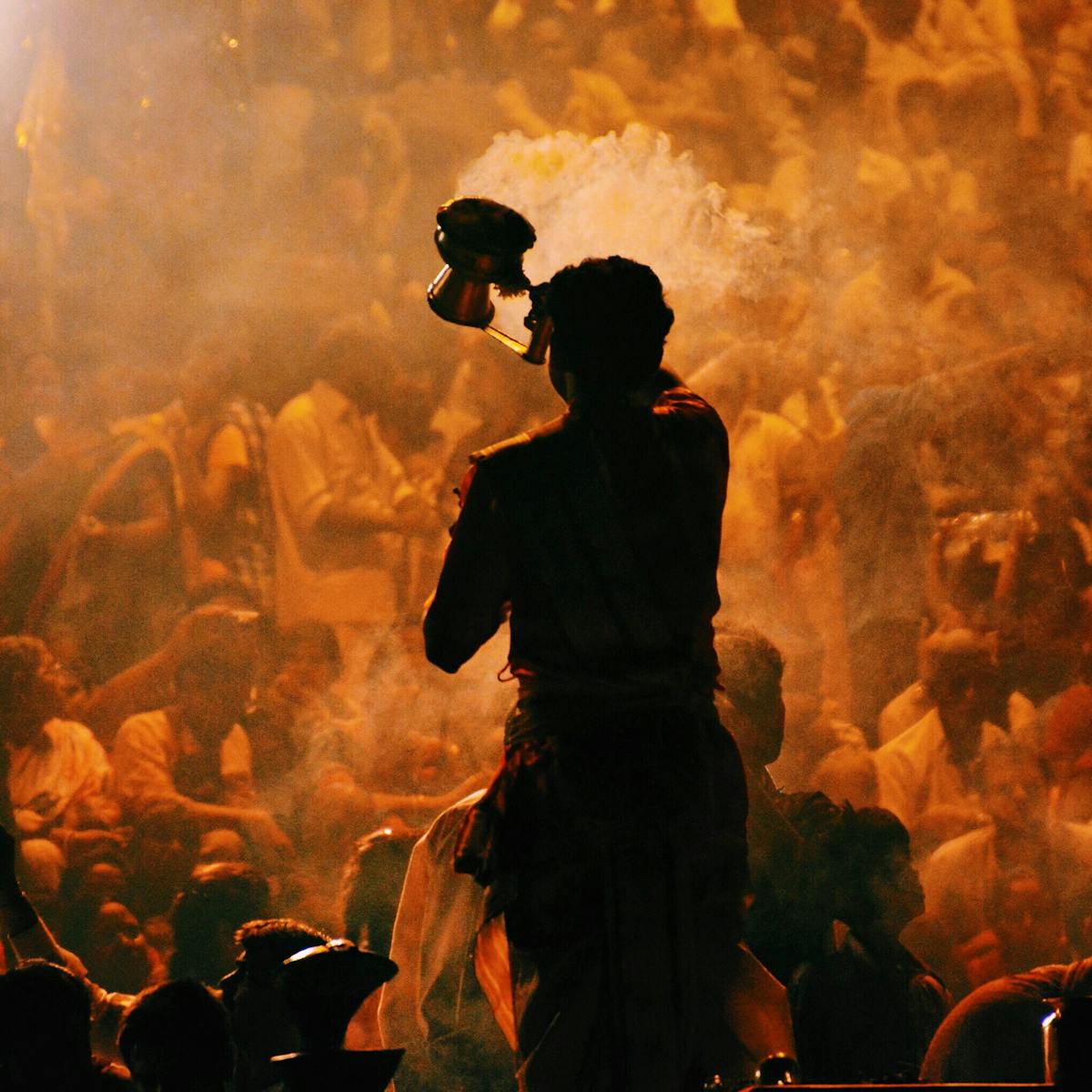
The Future of Cultural Identity: Trends and Transformations
In an ever-evolving global landscape, the future of cultural identity is not only a subject of contemplation but also a vibrant tapestry of trends and transformations that reflect the complexities of modern existence. As we navigate through the digital age, cultural identities are increasingly influenced by technology, migration, and social movements, leading to a rich interplay between tradition and innovation.
One significant trend is the rise of digital platforms that allow marginalized voices to reclaim and redefine their cultural narratives. Social media has become a powerful tool for individuals to share their stories, celebrate their heritage, and connect with others who share similar experiences. This digital renaissance enables a more diverse representation of cultural identities, breaking down monolithic perceptions and allowing for a mosaic of experiences to flourish.
Moreover, globalization continues to play a dual role in shaping cultural identity. While it can dilute traditional practices and languages, it also provides opportunities for cross-cultural exchange and fusion. We are witnessing the emergence of hybrid identities, where individuals blend elements from different cultures, creating unique expressions that resonate with their personal experiences. This transformation is not merely a trend but a testament to the resilience and adaptability of culture in the face of change.
Another critical aspect of the future of cultural identity is the increasing emphasis on inclusivity and social justice. As movements for equality and representation gain momentum, there is a growing awareness of the importance of recognizing and valuing diverse cultural backgrounds.
This shift is prompting institutions, brands, and communities to engage in meaningful dialogue about identity, leading to more authentic and respectful representations of various cultures in media, art, and education.
As we look ahead, it is essential to embrace these trends and transformations while honoring the rich histories and traditions that shape our identities. The future of cultural identity is not just about survival but about thriving in a world where the shadows of our past illuminate the paths of innovation and creativity. By fostering a deeper understanding of our interconnectedness, we can cultivate a society that celebrates the beauty of diversity and the strength found within our shared humanity.
Chhaava in Contemporary Society: Relevance and Reflection
In today’s fast-paced and interconnected world, the concept of Chhaava—often understood as the interplay of shadows and light in identity and culture—holds profound relevance. As society grapples with the complexities of globalization, cultural appropriation, and the quest for authenticity, Chhaava invites us to reflect on the intricate layers that constitute our identities.
In contemporary society, where social media platforms amplify voices and narratives, individuals often find themselves navigating a dual existence: the public persona and the private self. Chhaava serves as a metaphor for this dichotomy, illuminating the idea that our identities are not singular but multifaceted, shaped by both our visible attributes and the subtle nuances that lie beneath the surface.
Moreover, as communities strive for representation and recognition, the shadows of historical contexts, cultural heritage, and personal experiences come to the forefront, urging us to acknowledge and honor the complexities of our backgrounds.
The relevance of Chhaava in this discourse emphasizes the importance of storytelling and the sharing of lived experiences—reminding us that every shadow tells a story and every identity is a tapestry woven from countless threads of culture, history, and personal journey.
As we engage with Chhaava in contemporary discussions around identity, we are called to embrace both the light and the shadows, fostering a deeper understanding of ourselves and one another. By reflecting on the relevance of Chhaava, we not only honor the past but also pave the way for a more inclusive and empathetic society, where all voices and stories are valued and celebrated.
Conclusion: Finding Strength in Shadows
In conclusion, “Chhaava” invites us to explore the intricate dance between identity and culture through the lens of shadows. Shadows, often dismissed as mere absences of light, serve as powerful metaphors for the hidden aspects of our identities—those layers that shape who we are but often remain unexamined in the glare of societal expectations.
As we journey through the stories and experiences intertwined in this narrative, we discover that embracing our shadows can lead to profound strength and resilience. The shadows we carry are not symbols of weakness; instead, they can illuminate our paths, offering insights that help us navigate the complexities of our cultural landscapes.
By acknowledging the multifaceted nature of our identities—rooted in both heritage and personal experience—we learn to appreciate the richness that comes from our diverse backgrounds. Just as light and shadow coexist to create depth in art, our identities are painted with the hues of our experiences, struggles, and triumphs.
Ultimately, “Chhaava” encourages us to find strength not in erasing our shadows, but in understanding and embracing them. In doing so, we craft a more authentic narrative that honors our past while paving the way for future generations. It’s a call to celebrate the beauty of our complexities and to recognize that within our shadows lies the potential for growth, connection, and empowerment.
Encouraging Conversations on Identity and Culture
In a world increasingly defined by diversity and individuality, fostering conversations around identity and culture is more crucial than ever. **Chhaava** invites you to engage in this dialogue, to explore the intricate layers of your own identity and the cultural narratives that shape our lives.
We encourage you to share your stories—whether they stem from heritage, personal experiences, or the intersections of various cultures. Use social media platforms to start discussions, share your thoughts, and connect with others who are navigating similar journeys. Host community events or join local groups that focus on cultural exchange, where you can learn from one another and celebrate the richness of varied backgrounds.
Additionally, consider writing about your experiences, whether through a blog, a social media post, or even a letter to a friend. Your voice has the power to inspire others to reflect on their own identities, fostering a sense of connection in a world that can often feel divided.
As we embrace the shadows of our identities, we uncover the beauty that lies in our differences and the strength that comes from shared experiences. Let’s keep the conversation alive, encouraging openness and understanding around the complexities of culture.
Together, we can create a tapestry of stories that honors our unique journeys while paving the way for greater acceptance and celebration of diversity. Join us in this essential dialogue—your story is waiting to be told.
In conclusion, “Chhaava: Embracing the Shadows of Identity and Culture” invites us to reflect on the intricate tapestry of our identities, woven from the threads of our cultural heritage and personal experiences. By acknowledging and embracing the shadows that shape who we are, we gain the power to transform complexities into strengths.
As we navigate through the nuances of identity, let us celebrate the richness of diversity and foster a deeper understanding of ourselves and others. May the insights gleaned from this exploration inspire you to embrace your unique journey, honor your roots, and contribute to a more inclusive narrative that uplifts every voice in the vibrant chorus of human experience. Thank you for joining us in this enlightening discussion, and we look forward to continuing this journey of discovery together.
The Secrets of Batana Hair Oil: Nature’s Elixir for Luxurious Locks