Now Reading: Cardiovascular Specialist: The Key to Heart Health
-
01
Cardiovascular Specialist: The Key to Heart Health
Cardiovascular Specialist: The Key to Heart Health

A cardiovascular specialist, often referred to as a cardiologist, is a medical doctor who specializes in diagnosing, treating, and preventing diseases related to the heart and blood vessels. This subspecialty of internal medicine focuses on a wide array of cardiovascular conditions, including coronary artery disease, heart failure, arrhythmias, and hypertension. Cardiologists possess extensive knowledge of the cardiovascular system’s anatomy, physiology, and pathology, enabling them to provide comprehensive care for patients with heart-related issues.
These specialists are equipped with advanced training and skills to perform various diagnostic tests and therapeutic procedures. Their expertise is crucial in managing complex cardiovascular diseases that require a multidisciplinary approach. Cardiovascular specialists often collaborate with other healthcare professionals, including primary care physicians, surgeons, and rehabilitation experts, to ensure optimal patient outcomes.
Key Takeaways
- A cardiovascular specialist is a medical professional who specializes in the diagnosis, treatment, and prevention of heart and blood vessel diseases.
- Cardiovascular specialists play a crucial role in promoting heart health by providing comprehensive care, including diagnosis, treatment, and preventive measures.
- Becoming a cardiovascular specialist requires extensive training and education, including medical school, residency, and fellowship in cardiology.
- Common conditions treated by cardiovascular specialists include coronary artery disease, heart failure, arrhythmias, and valvular heart disease.
- Cardiovascular specialists perform diagnostic procedures and tests such as echocardiograms, stress tests, and cardiac catheterization to assess heart function and diagnose heart conditions.
The Role of a Cardiovascular Specialist in Heart Health
Cardiovascular specialists play a pivotal role in maintaining heart health through early detection and intervention. They conduct thorough evaluations of patients’ cardiovascular health, which may include assessing risk factors such as family history, lifestyle choices, and existing medical conditions. By identifying individuals at high risk for heart disease, cardiologists can implement preventive measures to mitigate potential complications.
In addition to diagnosis and treatment, these specialists are instrumental in educating patients about heart health. They provide guidance on lifestyle modifications, medication adherence, and the importance of regular check-ups. Cardiologists also stay abreast of the latest advancements in cardiovascular medicine, ensuring that their patients receive evidence-based care tailored to their specific needs.
Training and Education Required to Become a Cardiovascular Specialist
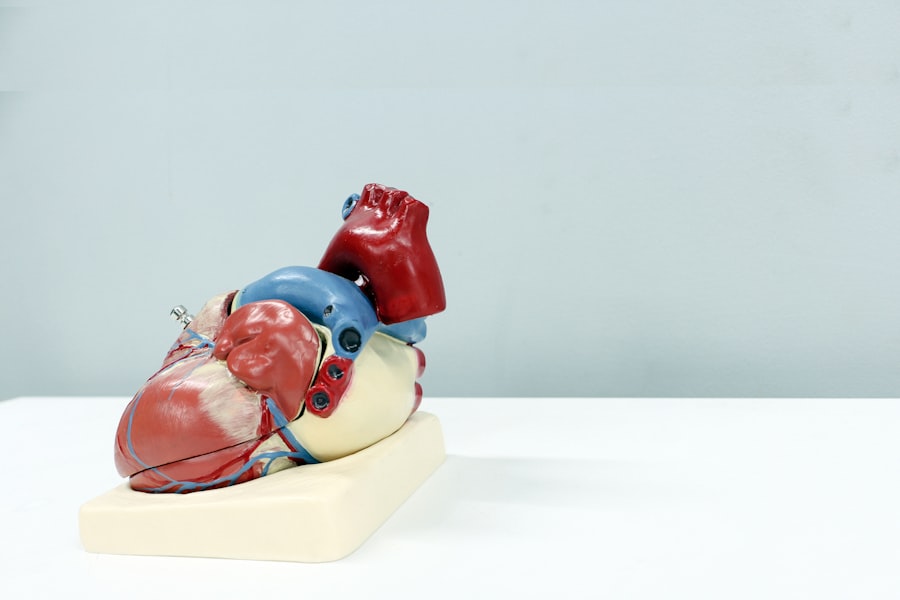
Becoming a cardiovascular specialist requires extensive education and training. The journey typically begins with obtaining a bachelor’s degree, followed by a medical degree from an accredited institution. After completing medical school, aspiring cardiologists must undergo a residency program in internal medicine, which usually lasts three years.
This foundational training equips them with essential skills in general medicine. Following the residency, candidates must complete a fellowship in cardiology, which typically spans an additional three years. During this fellowship, they gain specialized knowledge in various aspects of cardiovascular care, including interventional cardiology, electrophysiology, and heart failure management.
Board certification is also required to practice as a cardiologist, ensuring that they meet the rigorous standards set by professional medical organizations.
Common Conditions Treated by Cardiovascular Specialists
| Condition | Description |
|---|---|
| Coronary Artery Disease | A condition caused by the buildup of plaque in the arteries that supply blood to the heart. |
| Heart Failure | A condition in which the heart is unable to pump enough blood to meet the body’s needs. |
| Arrhythmias | Irregular heartbeats that can cause the heart to beat too fast, too slow, or irregularly. |
| Heart Valve Disease | A condition in which one or more of the heart’s valves do not work properly. |
| Peripheral Artery Disease | A circulatory condition in which narrowed arteries reduce blood flow to the limbs. |
Cardiovascular specialists manage a wide range of conditions affecting the heart and vascular system. Some of the most prevalent disorders include coronary artery disease (CAD), characterized by the narrowing of coronary arteries due to plaque buildup. This condition can lead to angina or myocardial infarction (heart attack) if left untreated.
Other common conditions include heart failure, where the heart’s ability to pump blood effectively is compromised; arrhythmias, which involve irregular heartbeats; and hypertension, or high blood pressure, a significant risk factor for cardiovascular events. Cardiologists also address congenital heart defects, valvular heart diseases, and peripheral artery disease (PAD), which affects blood flow to the limbs.
Diagnostic Procedures and Tests Performed by Cardiovascular Specialists
Cardiovascular specialists utilize a variety of diagnostic procedures to assess heart health accurately. One of the most common tests is the electrocardiogram (ECG or EKG), which records the electrical activity of the heart and helps identify arrhythmias or ischemic changes. Echocardiography is another essential tool that uses ultrasound waves to visualize heart structures and assess their function.
Stress testing is often employed to evaluate how the heart performs under physical exertion. This test can reveal underlying coronary artery disease or exercise-induced arrhythmias. Additionally, cardiologists may order advanced imaging techniques such as cardiac MRI or CT angiography to obtain detailed images of the heart and blood vessels.
These diagnostic modalities are crucial for formulating effective treatment plans.
Treatment Options Offered by Cardiovascular Specialists
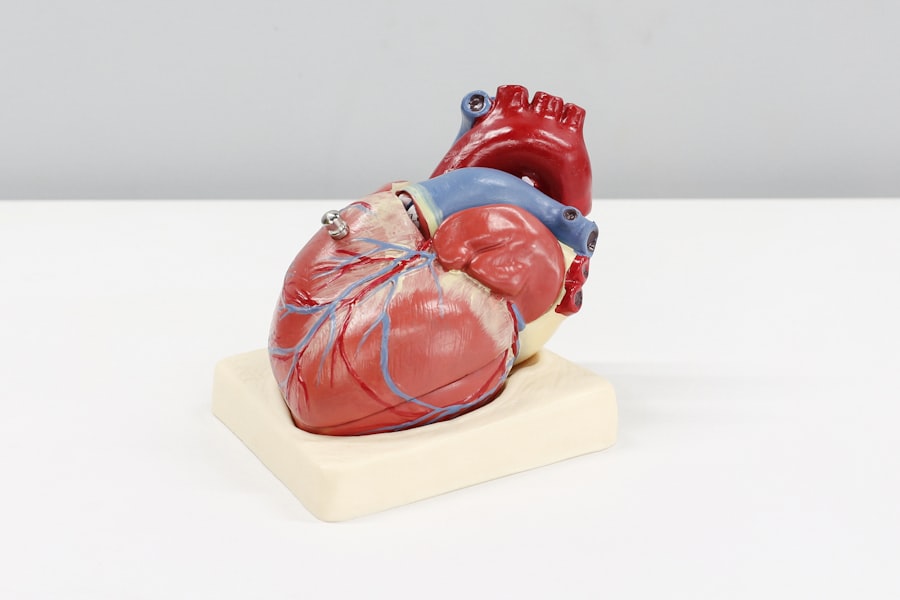
Cardiovascular specialists offer a comprehensive array of treatment options tailored to individual patient needs. Pharmacological interventions are often the first line of defense against cardiovascular diseases. Common medications include antiplatelet agents like aspirin, statins for cholesterol management, beta-blockers for arrhythmias, and ACE inhibitors for hypertension.
In cases where medication alone is insufficient, interventional procedures may be necessary.
For patients with severe arrhythmias, cardiologists may recommend implantable devices such as pacemakers or defibrillators to regulate heart rhythm.
The Importance of Regular Cardiovascular Check-ups
Regular cardiovascular check-ups are vital for maintaining optimal heart health and preventing serious complications. These evaluations allow for early detection of risk factors such as hypertension or elevated cholesterol levels before they progress into more severe conditions. Routine assessments also enable healthcare providers to monitor existing cardiovascular diseases and adjust treatment plans accordingly.
Patients with a family history of heart disease or those exhibiting symptoms such as chest pain or shortness of breath should prioritize regular visits to their cardiovascular specialist. These check-ups not only facilitate timely interventions but also empower patients with knowledge about their cardiovascular health status.
Lifestyle Changes Recommended by Cardiovascular Specialists for Heart Health
Cardiovascular specialists emphasize the importance of lifestyle modifications in promoting heart health. A balanced diet rich in fruits, vegetables, whole grains, lean proteins, and healthy fats is essential for maintaining optimal cardiovascular function. The Mediterranean diet is often recommended due to its heart-healthy components.
Regular physical activity is another cornerstone of cardiovascular health. Engaging in at least 150 minutes of moderate-intensity aerobic exercise per week can significantly reduce the risk of heart disease. Additionally, smoking cessation is critical; tobacco use is a major risk factor for various cardiovascular conditions.
Stress management techniques such as mindfulness meditation or yoga can also contribute positively to heart health by reducing stress-related impacts on the cardiovascular system.
How to Choose the Right Cardiovascular Specialist for You
Selecting an appropriate cardiovascular specialist is crucial for receiving quality care tailored to individual needs. Patients should consider factors such as the specialist’s credentials, experience in treating specific conditions, and their approach to patient care. Seeking recommendations from primary care physicians or trusted friends can provide valuable insights into potential candidates.
It is also essential to evaluate the specialist’s communication style and willingness to engage in shared decision-making regarding treatment options. A good rapport between patient and physician fosters an environment conducive to effective treatment outcomes.
The Future of Cardiovascular Care and Research
The future of cardiovascular care is poised for significant advancements driven by ongoing research and technological innovations. Emerging therapies such as gene therapy and regenerative medicine hold promise for treating previously untreatable conditions. Additionally, artificial intelligence (AI) is increasingly being integrated into diagnostic processes, enhancing accuracy and efficiency in identifying cardiovascular diseases.
Telemedicine has also gained traction in recent years, allowing patients to consult with specialists remotely while ensuring continuity of care. As research continues to evolve, cardiovascular specialists will be better equipped to provide personalized treatment plans based on genetic profiles and individual risk factors.
The Impact of Cardiovascular Specialists on Public Health and Well-being
Cardiovascular specialists play an integral role in enhancing public health by addressing one of the leading causes of morbidity and mortality worldwide: cardiovascular disease.
By advocating for lifestyle changes and promoting awareness about risk factors associated with cardiovascular conditions, these specialists help empower communities to take charge of their heart health.
Their contributions extend beyond clinical practice; they often engage in research efforts that inform public policy and shape healthcare practices aimed at improving population health outcomes. In summary, cardiovascular specialists are essential healthcare providers dedicated to diagnosing, treating, and preventing heart-related diseases. Their extensive training equips them with the skills necessary to manage complex conditions effectively while promoting overall cardiovascular health through education and lifestyle modifications.
Regular check-ups with these specialists are vital for early detection and intervention, ultimately leading to improved patient outcomes and enhanced public health initiatives aimed at combating cardiovascular disease globally.
As a cardiovascular specialist, it is important to prioritize self-care and stress management in order to maintain a healthy heart. One way to do this is by taking advantage of federal holidays to relax and recharge. In fact, a recent article on Boogger discusses the significance of federal holidays such as Easter and Veterans Day in allowing individuals to take a break from their busy schedules and focus on their well-being. To read more about how these holidays can benefit your heart health, check out the article