Now Reading: CAD: Understanding Heart Problems
-
01
CAD: Understanding Heart Problems
CAD: Understanding Heart Problems
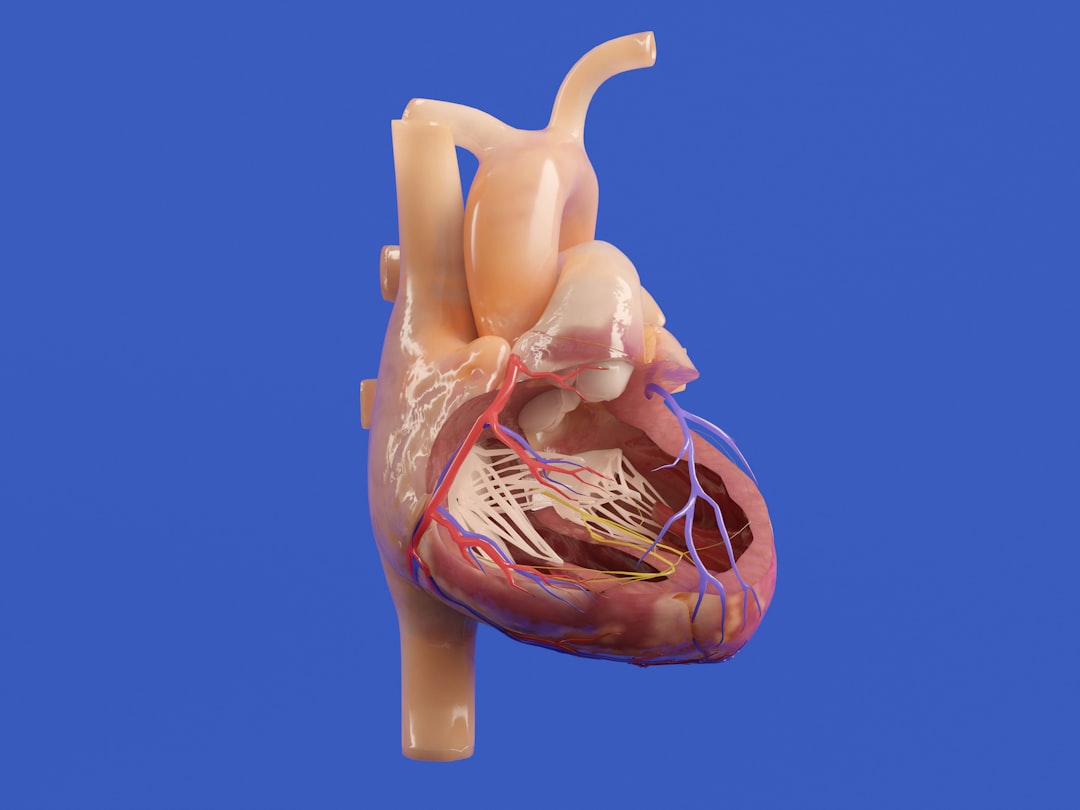
Coronary Artery Disease (CAD) represents a significant health concern globally, being one of the leading causes of morbidity and mortality. This condition arises when the coronary arteries, which supply blood to the heart muscle, become narrowed or blocked due to atherosclerosis—a process characterized by the accumulation of fatty deposits, cholesterol, and other substances on the arterial walls. As these arteries become increasingly obstructed, the heart may not receive adequate oxygen-rich blood, leading to various cardiovascular complications.
The implications of CAD extend beyond mere physical health; they encompass emotional and psychological dimensions as well. Individuals diagnosed with CAD often experience anxiety and depression due to the chronic nature of the disease and its potential to precipitate life-threatening events such as myocardial infarction (heart attack). Understanding CAD is crucial for both patients and healthcare providers, as it lays the foundation for effective management strategies aimed at improving quality of life and reducing the risk of severe cardiovascular events.
Key Takeaways
- CAD (Coronary Artery Disease) is a common heart problem caused by the buildup of plaque in the arteries, leading to reduced blood flow to the heart.
- Risk factors for CAD include high blood pressure, high cholesterol, smoking, diabetes, and a family history of heart disease.
- Symptoms of CAD can include chest pain, shortness of breath, and fatigue, but some people may not experience any symptoms at all.
- Diagnosis of CAD involves tests such as ECG, stress tests, and coronary angiography to assess the severity of the disease and determine the best treatment plan.
- Treatment options for CAD include lifestyle changes, medications, angioplasty, stent placement, and in severe cases, bypass surgery.
Risk Factors for CAD
Several risk factors contribute to the development of CAD, which can be categorized into modifiable and non-modifiable factors. Non-modifiable risk factors include age, gender, and family history. As individuals age, the likelihood of developing CAD increases significantly.
Men are generally at a higher risk than women until women reach menopause, after which their risk escalates. A family history of heart disease can also predispose individuals to CAD, indicating a genetic component that warrants attention. Modifiable risk factors present an opportunity for intervention and include hypertension, hyperlipidemia, diabetes mellitus, smoking, obesity, and physical inactivity.
Hypertension, or high blood pressure, exerts excessive force on arterial walls, contributing to endothelial damage and plaque formation. Elevated levels of low-density lipoprotein (LDL) cholesterol can lead to atherosclerosis, while diabetes accelerates vascular damage through glycation and inflammation. Smoking introduces harmful toxins into the bloodstream, promoting arterial stiffness and plaque buildup.
Furthermore, obesity and sedentary lifestyles exacerbate these conditions, creating a vicious cycle that heightens the risk of CAD.
Symptoms of CAD

The clinical manifestations of CAD can vary widely among individuals. Some may remain asymptomatic for years, while others may experience significant symptoms that warrant immediate medical attention. Common symptoms include angina pectoris—characterized by chest pain or discomfort that may radiate to the arms, neck, jaw, or back.
This sensation often occurs during physical exertion or emotional stress and typically subsides with rest. In more advanced stages of CAD, patients may experience shortness of breath (dyspnea), fatigue during routine activities, or even episodes of heart palpitations.
Recognizing these symptoms is vital for timely intervention and can significantly impact patient outcomes.
Diagnosis of CAD
| Diagnostic Test | Sensitivity | Specificity | Accuracy |
|---|---|---|---|
| Coronary Angiography | 85% | 90% | 88% |
| Stress Echocardiography | 80% | 85% | 82% |
| CT Angiography | 90% | 95% | 92% |
The diagnostic process for CAD involves a comprehensive evaluation that includes a detailed medical history, physical examination, and various diagnostic tests. Healthcare providers often begin with a thorough assessment of risk factors and symptoms. Following this initial evaluation, several diagnostic modalities may be employed.
Electrocardiograms (ECGs) are commonly used to assess the electrical activity of the heart and identify any abnormalities indicative of ischemia. Stress testing—either through exercise or pharmacological means—can help evaluate the heart’s response to increased workload. Imaging techniques such as echocardiography or coronary angiography provide visual insights into coronary artery patency and function.
Non-invasive imaging modalities like computed tomography (CT) angiography can also be utilized to assess coronary artery anatomy without the need for catheterization.
Treatment Options for CAD
The management of CAD encompasses a multifaceted approach that includes lifestyle modifications, pharmacotherapy, and interventional procedures. Initial treatment often focuses on lifestyle changes aimed at reducing risk factors—such as adopting a heart-healthy diet rich in fruits, vegetables, whole grains, and lean proteins while minimizing saturated fats and sugars. Pharmacological interventions play a crucial role in managing CAD.
Antiplatelet agents like aspirin are commonly prescribed to reduce thrombotic events by inhibiting platelet aggregation. Statins are utilized to lower LDL cholesterol levels and stabilize atherosclerotic plaques. Additionally, beta-blockers may be employed to manage angina symptoms by reducing heart rate and myocardial oxygen demand.
PCI involves the placement of a stent to open narrowed arteries, while CABG entails creating a bypass using grafts from other vessels to restore blood flow to the heart muscle.
Lifestyle Changes to Manage CAD
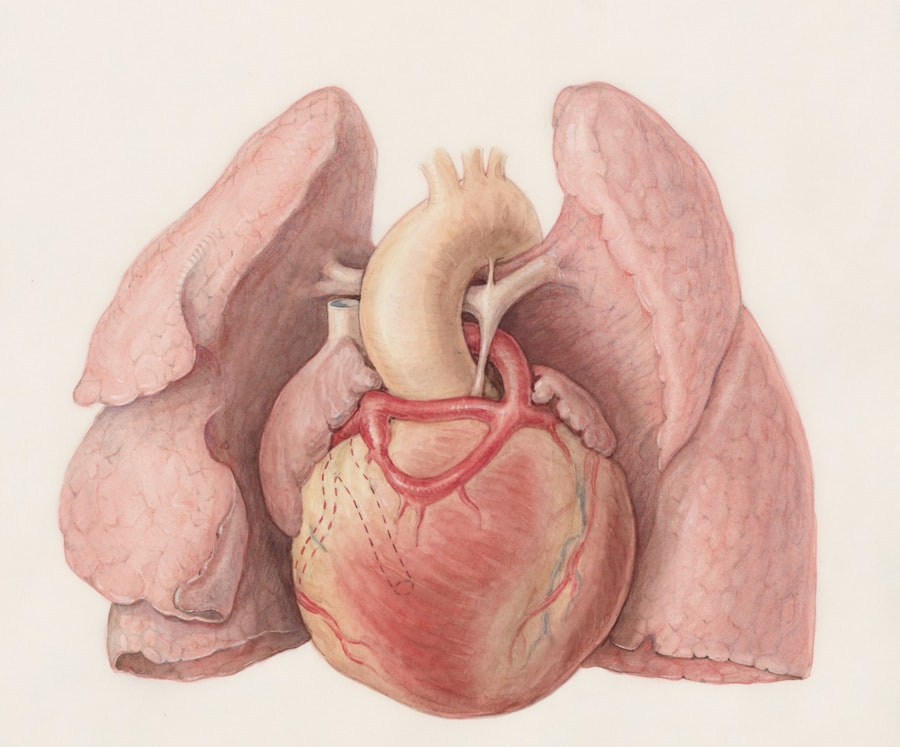
Implementing lifestyle changes is paramount in managing CAD effectively. A balanced diet plays a critical role in cardiovascular health; patients are encouraged to adopt the Mediterranean diet or DASH (Dietary Approaches to Stop Hypertension) diet, both of which emphasize whole foods rich in nutrients while limiting processed foods high in sodium and unhealthy fats. Regular physical activity is equally important; engaging in at least 150 minutes of moderate-intensity aerobic exercise weekly can significantly improve cardiovascular fitness and reduce symptoms associated with CAD.
Activities such as walking, swimming, or cycling can enhance overall well-being while promoting weight management. Smoking cessation is another vital component; quitting smoking can lead to substantial improvements in cardiovascular health within weeks. Support groups and counseling services can provide essential resources for individuals seeking to quit.
Understanding Heart Attacks and CAD
A heart attack occurs when blood flow to a portion of the heart muscle is obstructed for an extended period, leading to tissue damage or necrosis. This event is often precipitated by the rupture of an atherosclerotic plaque within a coronary artery, resulting in thrombosis that completely occludes blood flow. Recognizing the signs of a heart attack is crucial for timely intervention.
Symptoms may include intense chest pain or pressure, shortness of breath, nausea, or cold sweats. Immediate medical attention is essential; treatments such as thrombolytics or percutaneous coronary intervention can restore blood flow and minimize myocardial damage. Understanding the relationship between CAD and heart attacks underscores the importance of proactive management strategies aimed at reducing risk factors and enhancing overall cardiovascular health.
Complications of CAD
The complications associated with CAD can be severe and life-altering. Chronic ischemia may lead to heart failure—a condition characterized by the heart’s inability to pump sufficient blood to meet the body’s demands. This can result in fluid retention, pulmonary congestion, and decreased exercise tolerance.
Arrhythmias are another potential complication; disturbances in the heart’s electrical conduction system can lead to irregular heartbeats that may compromise cardiac output or even result in sudden cardiac arrest. Additionally, patients with CAD are at an increased risk for stroke due to embolic events originating from unstable plaques. Understanding these complications emphasizes the need for vigilant monitoring and comprehensive management strategies tailored to individual patient needs.
Prevention of CAD
Preventing CAD necessitates a proactive approach focused on mitigating risk factors through lifestyle modifications and regular health screenings. Individuals should prioritize maintaining healthy blood pressure levels through dietary changes and regular exercise while monitoring cholesterol levels through routine blood tests. Diabetes management is critical; individuals with diabetes should work closely with healthcare providers to achieve optimal glycemic control through medication adherence and lifestyle adjustments.
Smoking cessation programs should be promoted widely as smoking remains one of the most significant modifiable risk factors for CAD. Public health initiatives aimed at raising awareness about cardiovascular health can also play a pivotal role in prevention efforts by educating communities about healthy lifestyle choices and encouraging regular health check-ups.
Living with CAD: Support and Resources
Living with CAD can be challenging; however, numerous resources are available to support patients in managing their condition effectively. Cardiac rehabilitation programs offer structured exercise regimens combined with education on nutrition and stress management tailored specifically for individuals with heart disease. Support groups provide emotional support through shared experiences among individuals facing similar challenges.
These groups foster a sense of community while offering practical advice on coping strategies and lifestyle changes. Healthcare providers play an essential role in guiding patients through their journey with CAD; regular follow-up appointments allow for ongoing assessment of treatment efficacy and adjustment as needed.
Research and Future Developments in CAD Treatment
Ongoing research into CAD treatment continues to yield promising developments aimed at improving patient outcomes. Advances in pharmacotherapy include novel agents targeting specific pathways involved in atherosclerosis progression—such as PCSK9 inhibitors that significantly lower LDL cholesterol levels beyond traditional statin therapy. Innovative interventional techniques are also being explored; bioresorbable stents represent a new frontier in PCI by providing temporary support to arteries while promoting natural healing processes without leaving permanent implants behind.
Furthermore, genetic research holds potential for personalized medicine approaches that tailor treatment strategies based on individual genetic profiles—allowing for more effective management of CAD based on unique patient characteristics. In summary, Coronary Artery Disease is a complex condition influenced by various risk factors that necessitate comprehensive management strategies encompassing lifestyle changes, pharmacotherapy, and interventional procedures. Understanding its symptoms, diagnosis, treatment options, complications, prevention strategies, and available support resources is crucial for improving patient outcomes and quality of life.
Ongoing research continues to pave the way for innovative treatments that promise enhanced care for individuals living with this prevalent cardiovascular disease.
If you or a loved one is dealing with a CAD heart problem, it’s important to stay informed about the latest research and treatment options. One related article worth checking out is this piece that discusses the importance of honoring our leaders on Presidents’ Day. Understanding the impact of stress and lifestyle choices on heart health can be crucial in managing CAD. Stay informed and take care of your heart health.
FAQs
What is CAD (Coronary Artery Disease) and how does it affect the heart?
CAD, also known as coronary artery disease, is a condition in which the blood vessels that supply the heart with oxygen and nutrients become narrowed or blocked. This can lead to chest pain (angina), heart attack, and other serious heart problems.
What are the risk factors for developing CAD?
Risk factors for developing CAD include high blood pressure, high cholesterol, smoking, diabetes, obesity, and a sedentary lifestyle. Family history and age also play a role in the development of CAD.
What are the symptoms of CAD?
Symptoms of CAD can include chest pain or discomfort, shortness of breath, fatigue, and in some cases, heart attack. It’s important to seek medical attention if you experience any of these symptoms.
How is CAD diagnosed?
CAD can be diagnosed through a combination of medical history, physical examination, and diagnostic tests such as electrocardiogram (ECG), stress test, coronary angiography, and cardiac CT scan.
What are the treatment options for CAD?
Treatment for CAD may include lifestyle changes (such as diet and exercise), medications (such as statins and blood thinners), and in some cases, surgical procedures (such as angioplasty or bypass surgery) to improve blood flow to the heart.
Can CAD be prevented?
While some risk factors for CAD, such as family history and age, cannot be changed, lifestyle modifications such as quitting smoking, eating a healthy diet, exercising regularly, and managing conditions like high blood pressure and diabetes can help reduce the risk of developing CAD. Regular check-ups with a healthcare provider are also important for early detection and management of CAD.