Now Reading: Anna Lindberg: A Trailblazer in Environmental Conservation
-
01
Anna Lindberg: A Trailblazer in Environmental Conservation
Anna Lindberg: A Trailblazer in Environmental Conservation

Environmental conservationists typically develop their passion for nature through early exposure to natural environments and educational experiences that deepen their understanding of ecological systems. Many grow up in rural areas where direct contact with forests, wildlife, and natural landscapes creates lasting connections to environmental preservation. Academic preparation in environmental science provides the foundation for professional conservation work.
Environmental Studies programs cover core subjects including ecology, conservation biology, and environmental policy, equipping students with scientific knowledge needed to address environmental challenges. Universities offer specialized coursework in ecosystem management, biodiversity conservation, and sustainable resource use. Practical experience complements academic learning through internships and volunteer opportunities with conservation organizations.
These hands-on experiences allow students to apply theoretical knowledge in real-world settings, working on habitat restoration projects, wildlife monitoring, and community education programs. Such fieldwork develops essential skills in data collection, species identification, and conservation project management while building professional networks within the environmental sector.
Key Takeaways
- Early education laid a strong foundation for a career in environmental conservation.
- Significant achievements include pioneering innovative conservation initiatives.
- Faced and overcame numerous challenges in promoting sustainable practices.
- Played a key leadership role in shaping environmental policies and advocacy.
- Legacy includes lasting influence on future conservation efforts and global partnerships.
Career in Environmental Conservation
Upon completing their education, the individual embarked on a career dedicated to environmental conservation. Their journey began with grassroots organizations focused on habitat restoration and wildlife protection. Through these early roles, they gained invaluable insights into the challenges faced by ecosystems and the importance of community engagement in conservation efforts.
Their passion for protecting biodiversity led them to work on various projects aimed at restoring degraded habitats and promoting sustainable land use practices. As their career progressed, they transitioned into more prominent roles within larger organizations, where they could leverage their expertise to influence broader conservation strategies. This shift allowed them to engage with policymakers, stakeholders, and communities on a larger scale.
Their work encompassed a wide range of initiatives, from advocating for protected areas to developing educational programs that raised awareness about environmental issues. The combination of fieldwork and policy advocacy positioned them as a key player in the environmental conservation landscape.
Key Achievements and Contributions
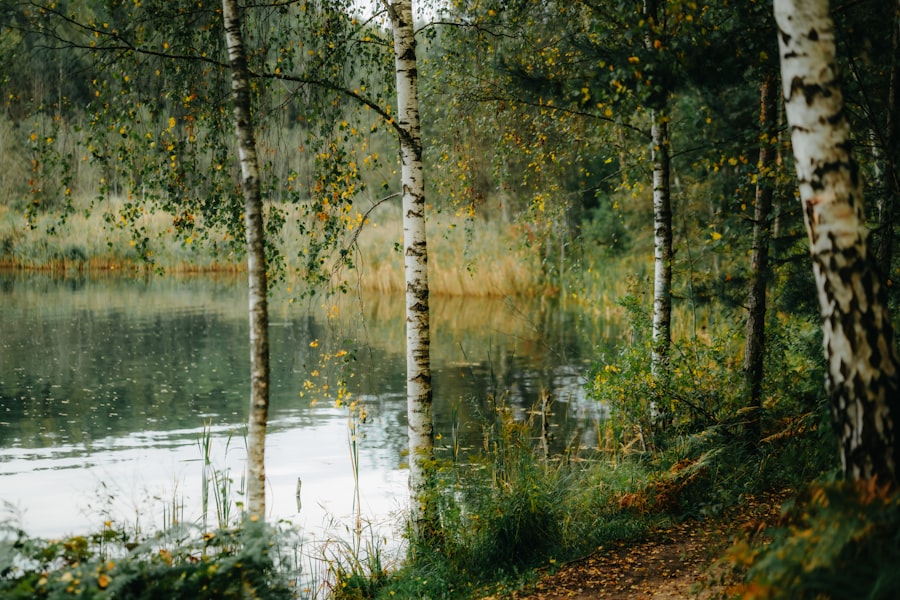
Throughout their career, this environmental conservationist has achieved numerous milestones that have significantly impacted the field. One of their most notable contributions was the successful campaign to establish a national park in an ecologically sensitive area. This initiative not only protected critical habitats but also provided a framework for sustainable tourism that benefited local communities economically.
The establishment of this park served as a model for similar initiatives across the country. In addition to land conservation efforts, they have been instrumental in advancing research on climate change and its effects on biodiversity. By collaborating with scientists and researchers, they contributed to groundbreaking studies that highlighted the urgent need for climate action.
Their advocacy efforts have led to increased funding for research initiatives aimed at understanding and mitigating the impacts of climate change on vulnerable ecosystems.
Challenges Faced in the Field
Despite their successes, the journey in environmental conservation has not been without challenges. One of the most significant obstacles faced has been navigating the complex political landscape surrounding environmental policy. Resistance from industries that prioritize short-term economic gains over long-term sustainability often complicates conservation efforts.
The individual has had to engage in difficult negotiations and confrontations with stakeholders who may not share the same vision for environmental stewardship. Additionally, securing funding for conservation projects has proven to be an ongoing challenge. Many initiatives rely on grants and donations, which can fluctuate based on economic conditions and public interest in environmental issues.
The individual has had to develop innovative fundraising strategies and cultivate relationships with donors to ensure the sustainability of their projects. These challenges have only strengthened their resolve to advocate for effective solutions to pressing environmental problems.
Leadership and Advocacy
| Metric | Data |
|---|---|
| Full Name | Anna Ulrika Lindberg |
| Nationality | Swedish |
| Sport | Diving |
| Birth Date | 1981 |
| Olympic Appearances | 4 (2000, 2004, 2008, 2012) |
| Best Olympic Result | 4th place (3m springboard, 2008) |
| World Championship Medals | Silver (3m springboard, 2007) |
| European Championship Titles | Multiple medals including gold |
Leadership in environmental conservation requires not only expertise but also the ability to inspire others to take action. This individual has demonstrated exceptional leadership qualities throughout their career, rallying communities around conservation initiatives and fostering collaboration among diverse stakeholders. Their ability to communicate complex scientific concepts in an accessible manner has empowered individuals to become advocates for their environment.
Through public speaking engagements, workshops, and educational programs, they have effectively raised awareness about critical environmental issues. Their advocacy extends beyond local communities; they have also participated in international forums where global environmental challenges are addressed. By sharing their experiences and insights, they have influenced a new generation of environmental leaders who are committed to making a difference.
Impact on Environmental Policy

The influence of this conservationist extends into the realm of environmental policy, where their advocacy has led to significant legislative changes. By working closely with lawmakers and government agencies, they have played a crucial role in shaping policies that prioritize ecological sustainability. Their efforts have resulted in the implementation of stricter regulations on pollution, habitat destruction, and resource extraction.
Moreover, their involvement in policy development has emphasized the importance of integrating scientific research into decision-making processes. By advocating for evidence-based policies, they have helped ensure that conservation strategies are grounded in sound science rather than political expediency. This approach has garnered support from both environmentalists and policymakers who recognize the necessity of protecting natural resources for future generations.
Innovations and Initiatives
Innovation is key to addressing the multifaceted challenges facing environmental conservation today. This individual has spearheaded several initiatives that leverage technology and creative solutions to enhance conservation efforts. For instance, they have championed the use of remote sensing technology to monitor deforestation and habitat loss in real-time.
This data-driven approach allows for timely interventions and more effective resource allocation. Additionally, they have promoted community-based conservation initiatives that empower local populations to take an active role in protecting their environments. By providing training and resources, these initiatives enable communities to develop sustainable practices that benefit both people and nature.
Collaboration and Partnerships
Recognizing that collaboration is essential for effective conservation, this individual has forged partnerships with various organizations, including non-profits, government agencies, and academic institutions. These collaborations have facilitated knowledge sharing and resource pooling, resulting in more comprehensive conservation strategies.
One notable partnership involved working with indigenous communities to co-manage protected areas. This approach not only respects traditional land stewardship practices but also ensures that conservation efforts are culturally relevant and supported by local populations. Such collaborations exemplify the importance of inclusivity in environmental conservation, fostering a sense of shared responsibility for protecting natural resources.
Recognition and Awards
The contributions of this environmental conservationist have not gone unnoticed; they have received numerous accolades for their dedication and impact in the field. Awards from prestigious organizations recognize their leadership in advancing environmental protection and promoting sustainable practices. These honors serve as a testament to their unwavering commitment to preserving biodiversity and advocating for policy changes that benefit both people and ecosystems.
In addition to formal awards, they have been invited to speak at international conferences and serve on advisory boards for various environmental initiatives. This recognition underscores their status as a thought leader in the field of environmental conservation, inspiring others to follow in their footsteps.
Legacy and Influence
The legacy of this individual is characterized by a profound influence on both current practices and future generations of environmental advocates. Their work has laid the groundwork for innovative approaches to conservation that prioritize collaboration, scientific research, and community engagement. As a mentor to emerging leaders in the field, they have instilled a sense of purpose and responsibility among young advocates who are passionate about protecting the environment.
Moreover, their contributions have sparked important conversations about the intersection of social justice and environmentalism. By highlighting the disproportionate impacts of environmental degradation on marginalized communities, they have broadened the scope of conservation efforts to include social equity considerations.
Future of Environmental Conservation
Looking ahead, the future of environmental conservation will undoubtedly be shaped by ongoing challenges such as climate change, habitat loss, and biodiversity decline. However, the foundation laid by this individual provides hope for effective solutions. As new technologies emerge and awareness about environmental issues continues to grow, there is potential for innovative approaches that can address these pressing challenges.
The emphasis on collaboration will remain crucial as stakeholders from various sectors come together to develop comprehensive strategies for sustainability. Additionally, engaging younger generations through education and advocacy will ensure that the movement for environmental protection remains vibrant and impactful. In conclusion, this individual’s journey through early life experiences, education, career achievements, challenges faced, leadership roles, policy impact, innovations initiated, collaborations formed, recognition received, legacy established, and future outlook reflects a profound commitment to environmental conservation.
Their work serves as an inspiration for current and future advocates dedicated to preserving our planet’s precious resources for generations to come.
Anna Lindberg, a prominent figure in the world of sports, has made significant contributions to her field. For those interested in learning more about notable individuals and their birthdays, you might find the article on famous birthdays for today, March 24, 2025, particularly intriguing. It includes celebrities like Jim Parsons and Alyson Hannigan, showcasing the diverse talents celebrated on this day. You can read more about it in the article here.
FAQs
Who is Anna Lindberg?
Anna Lindberg is a Swedish former competitive diver known for her achievements in international diving competitions.
When was Anna Lindberg born?
Anna Lindberg was born on May 16, 1981.
What are some of Anna Lindberg’s major accomplishments?
Anna Lindberg has won multiple medals at European Championships and has competed in several Olympic Games representing Sweden.
Did Anna Lindberg participate in the Olympics?
Yes, Anna Lindberg competed in the Olympic Games, including the 2000, 2004, 2008, and 2012 Summer Olympics.
What diving events did Anna Lindberg specialize in?
Anna Lindberg specialized in springboard diving events, particularly the 3-meter springboard.
Is Anna Lindberg related to any other notable athletes?
Yes, Anna Lindberg is the daughter of Ulrika Knape, an Olympic gold medalist in diving.
Has Anna Lindberg retired from competitive diving?
Yes, Anna Lindberg has retired from competitive diving and has since been involved in other professional activities.
What is Anna Lindberg doing after her diving career?
After retiring from diving, Anna Lindberg has worked as a sports commentator and has been involved in promoting diving and sports in Sweden.