
Now Reading: Analyzing the Latest Amazon Stock Movements
-
01
Analyzing the Latest Amazon Stock Movements
Analyzing the Latest Amazon Stock Movements

As of October 2023, Amazon’s stock price stands at about $202.77, up by 3.34% from the previous close. With a trading volume around 25.6 million shares, the stock has seen fluctuations between $151.61 and $242.52 over the past year and boasts a market cap of approximately $2.149 trillion. However, it’s important to note that the Year-to-Date change is down by 7.75%. Analysts are somewhat optimistic, with a mean rating of 1.76 among 72 analysts who suggest a mix of buy and hold recommendations amid positive market sentiment driven by broader indices like S&P 500 and NASDAQ growths.
Current Stock Price Overview
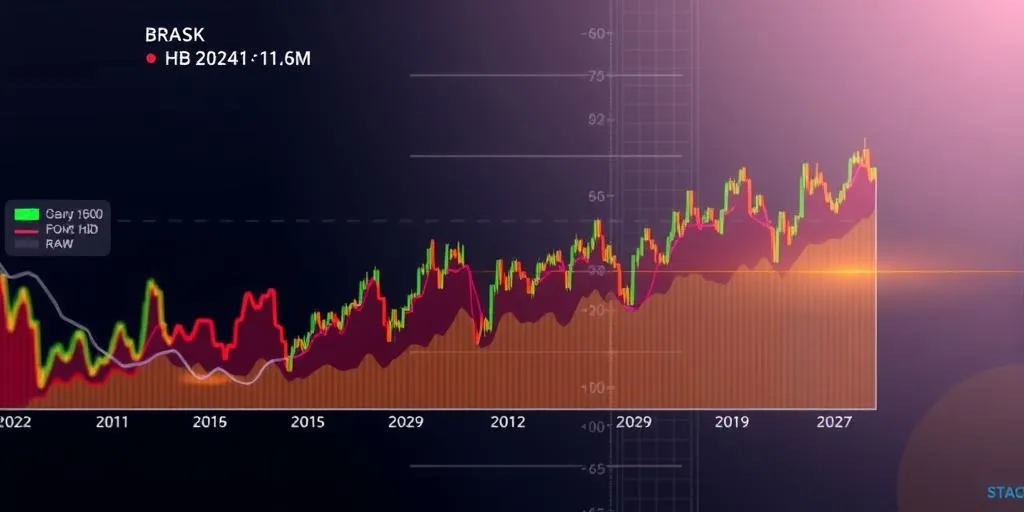
As of October 2023, Amazon’s stock price stands at approximately $202.77, marking a 3.34% increase from the previous close. This uptick reflects a moment of optimism for investors, especially in light of the stock’s year-to-date decline of 7.75%. Over the past year, Amazon’s stock has seen significant volatility, with a 52-week high of $242.52 reached on February 4, 2023, and a low of $151.61 recorded on August 5, 2023. The current trading volume is around 25.6 million shares, indicating active market participation. With a market capitalization of about $2.149 trillion, Amazon remains one of the most valuable companies in the world, although its price-to-earnings ratio of 36.72 suggests that investors may be paying a premium for future earnings. Recent analyst ratings show a mean score of 1.76, indicating a generally positive outlook, tempered by competitive pressures in the retail sector.
Market Performance Analysis
Amazon’s stock performance in October 2023 reflects a mixed environment for investors. As the stock currently trades around $202.77, it has seen a notable increase of 3.34% from the previous close, indicating some positive momentum. However, the Year-to-Date (YTD) performance shows a decline of 7.75%, suggesting that despite recent gains, the stock has not been able to maintain upward momentum since the start of the year.
The trading volume of approximately 25.6 million shares indicates active engagement from investors. Over the past year, Amazon’s stock has fluctuated within a 52-week range of $151.61 to $242.52, showcasing significant volatility. This volatility can be attributed to various factors, including market sentiment and competition in the retail sector. The market capitalization stands at approximately $2.149 trillion, solidifying Amazon’s position as a major player in the market.
Key financial metrics also play a crucial role in understanding Amazon’s market performance. With an earnings per share (EPS) of $5.52 and a price-to-earnings (P/E) ratio of 36.72, the stock appears relatively expensive compared to its earnings. The forward P/E of 32.28 suggests that analysts are optimistic about future earnings growth, which could influence stock performance positively.
Recent analyst insights have shown a cautious optimism, with a mean rating of 1.76 among 72 analysts, indicating a mix of buy, hold, and sell recommendations. Positive broader market trends, including rising indices like the S&P 500 and NASDAQ, have contributed to a favorable outlook for Amazon in the short term. However, the rising competition from companies like Walmart and Target in the digital retail space adds layers of complexity to the stock’s future performance.
Recent Stock Trends
Amazon’s stock has been on a rollercoaster ride over the past year. Currently priced at approximately $202.77, it has seen a notable increase of 3.34% from the previous close. However, looking at the Year-to-Date (YTD) performance, the stock is down 7.75%, indicating a tough year for investors so far. The 52-week range highlights this volatility, with a high of $242.52 in February and a low of $151.61 in August. Trading volume has also been robust, with around 25.6 million shares changing hands recently, suggesting active investor interest. Analysts remain cautiously optimistic, with a mean rating of 1.76, reflecting a blend of buy, hold, and sell recommendations. This mixed sentiment, coupled with the company’s ongoing expansion and increasing competition in retail, makes it essential for investors to keep a close watch on Amazon’s upcoming earnings reports for clues on its financial health.
Key Financial Metrics Breakdown
As of October 2023, Amazon’s financial metrics present a mixed picture for investors. The company’s earnings per share (EPS) stands at $5.52, which offers a glimpse into its profitability. However, the price-to-earnings ratio (P/E) of 36.72 suggests that the stock is trading at a premium compared to its earnings, indicating that investors may have high expectations for future growth. This is echoed in the forward P/E ratio of 32.28, which implies anticipated earnings growth ahead.
In terms of debt management, Amazon’s debt-to-equity ratio is 26.51%. This level of debt may be considered moderate, suggesting that the company has leveraged its equity in a manageable way to finance growth initiatives. These metrics are crucial for investors seeking to assess the financial health and operational efficiency of Amazon, especially in a competitive landscape where margins can be tight.
Furthermore, monitoring these metrics over the next few quarters will be essential for understanding how effectively Amazon can capitalize on growth opportunities in its core e-commerce and cloud services sectors.
| Metric | Value |
|---|---|
| Current Stock Price | $202.77 |
| Trading Volume | 25.6 million shares |
| 52-Week Range | $151.61 – $242.52 |
| Market Capitalization | $2.149 trillion |
| Year-to-Date Change | -7.75% |
| 52-Week High | $242.52 |
| 52-Week Low | $151.61 |
| Earnings Per Share (EPS) | $5.52 |
| Price-to-Earnings Ratio (P/E) | 36.72 |
| Forward P/E | 32.28 |
| Debt-to-Equity Ratio | 26.51% |
Analyst Insights and Ratings
Analysts currently have a cautiously optimistic view of Amazon’s stock, reflected in the mean rating of 1.76 among 72 analysts, which indicates a mix of buy, hold, and sell recommendations. This rating suggests that while there is confidence in Amazon’s potential for growth, there are also concerns that investors should consider. For example, the stock’s relatively high Price-to-Earnings (P/E) ratio of 36.72 indicates that it may be overvalued compared to its earnings, which could be a red flag for some investors. Additionally, the recent increase in trading volume to around 25.6 million shares demonstrates heightened interest in the stock, possibly driven by positive market sentiment as broader indices like the S&P 500 and NASDAQ show upward trends. However, analysts also caution about the competitive landscape, particularly with rivals such as Walmart and Target ramping up their digital operations, which could pressure Amazon’s market share. As investors weigh these insights, monitoring upcoming quarterly earnings reports will be crucial for understanding how effectively Amazon navigates these challenges and capitalizes on growth opportunities.
Recent News and Events Impact
In October 2023, several significant events have influenced Amazon’s stock movements. The company continues to expand its e-commerce and cloud services, which are crucial for its growth. For instance, Amazon’s investment in logistics and technology aims to enhance customer experience, keeping it competitive against major rivals like Walmart and Target, who are also boosting their digital capabilities. This competitive landscape has led analysts to express cautious optimism about Amazon’s stock, as it must navigate increased pressure to maintain market share. A recent report highlighted Amazon’s strong performance in its AWS segment, indicating its potential to drive future revenue. However, rising interest rates and inflation could pose challenges, impacting consumer spending and overall market conditions. Investors are encouraged to pay close attention to upcoming quarterly earnings reports for deeper insights into Amazon’s financial health and growth trajectory.
Investor Considerations for Amazon
When considering an investment in Amazon, it’s essential to keep an eye on the company’s quarterly earnings reports. These reports provide insights into revenue growth and profitability, especially in its highly profitable Amazon Web Services (AWS) segment. For instance, a strong performance in AWS can significantly influence overall financial health, attracting more investment.
Additionally, investors should be aware of broader market conditions, such as fluctuating interest rates and inflation. These factors can impact consumer spending, which directly affects Amazon’s e-commerce business. For example, if inflation rises, consumers may cut back on discretionary spending, which could hurt Amazon’s sales.
Moreover, competition is increasing in the retail space, with companies like Walmart and Target enhancing their digital offerings. Investors should assess how well Amazon adapts to these competitive pressures and whether it can maintain its market leadership.
Lastly, the stock’s current P/E ratio of 36.72 indicates that it is relatively expensive compared to its earnings. Investors should weigh this against the potential for future growth, as indicated by the forward P/E ratio of 32.28, suggesting earnings growth expectations. Overall, a careful evaluation of these factors will help investors make informed decisions about Amazon’s stock.
- Assess risk tolerance and market conditions
- Consider diversification within your portfolio
- Review recent financial statements and earnings reports
- Monitor Amazon’s competitive position in the e-commerce market
- Evaluate the impact of economic factors on consumer spending
- Stay updated on regulatory changes affecting Amazon
- Analyze the company’s growth potential in cloud services and advertising
- Keep an eye on geopolitical factors that could influence stock performance
Future Outlook for Amazon Stock
Looking ahead, the future outlook for Amazon’s stock is shaped by various factors. Analysts remain cautiously optimistic, citing potential for recovery if the company can showcase solid financial performance, particularly in its AWS segment, which has been a significant growth driver. For example, if Amazon can continue to innovate and expand its cloud services, it may enhance its revenue stream and improve stock performance.
However, the competitive landscape presents challenges. Companies like Walmart and Target are ramping up their digital offerings, potentially impacting Amazon’s market share. Investors should pay close attention to how well Amazon navigates this competition, as it could influence its stock price.
Additionally, broader economic conditions such as interest rates and inflation will play a crucial role. Should these factors remain stable or improve, Amazon may experience upward momentum in its stock price. Conversely, any adverse economic indicators could suppress growth.
In summary, while there is potential for Amazon’s stock to recover, it will depend on the company’s ability to maintain profitability amid rising competition and fluctuating economic conditions.
Frequently Asked Questions
1. What factors influence the changes in Amazon’s stock price?
Amazon’s stock price can change due to various factors like market trends, company earnings reports, economic news, and changes in consumer behavior.
2. How can I track Amazon’s stock movements effectively?
You can track Amazon’s stock movements by using financial news websites, stock market apps, or by following market analysis on social media platforms.
3. What does it mean when Amazon’s stock is volatile?
When Amazon’s stock is volatile, it means its price is changing rapidly, which can be caused by news, earnings results, or general market conditions.
4. How do global events impact Amazon’s stock performance?
Global events like trade policies, economic downturns, or technological advancements can affect Amazon’s stock performance by influencing investor confidence and market conditions.
5. What role do analysts play in understanding Amazon’s stock movements?
Analysts provide insights and predictions about Amazon’s stock movements based on research, trends, and financial data, helping investors make informed decisions.
TL;DR As of October 2023, Amazon’s stock is priced at $202.77, up 3.34% from the previous close. It has a market cap of $2.149 trillion and has fluctuated between $151.61 and $242.52 over the past year. Despite a Year-to-Date decline of 7.75%, analysts hold a cautiously optimistic outlook, with a mean rating of 1.76 among 72 analysts. Recent developments highlight Amazon’s expansion in e-commerce and cloud services, amid increasing competition. Investors should monitor earnings reports for insights into profitability, and consider the impact of broader market conditions on stock performance.


