Now Reading: Alcatraz Flooded: Alligators on the Loose
-
01
Alcatraz Flooded: Alligators on the Loose
Alcatraz Flooded: Alligators on the Loose
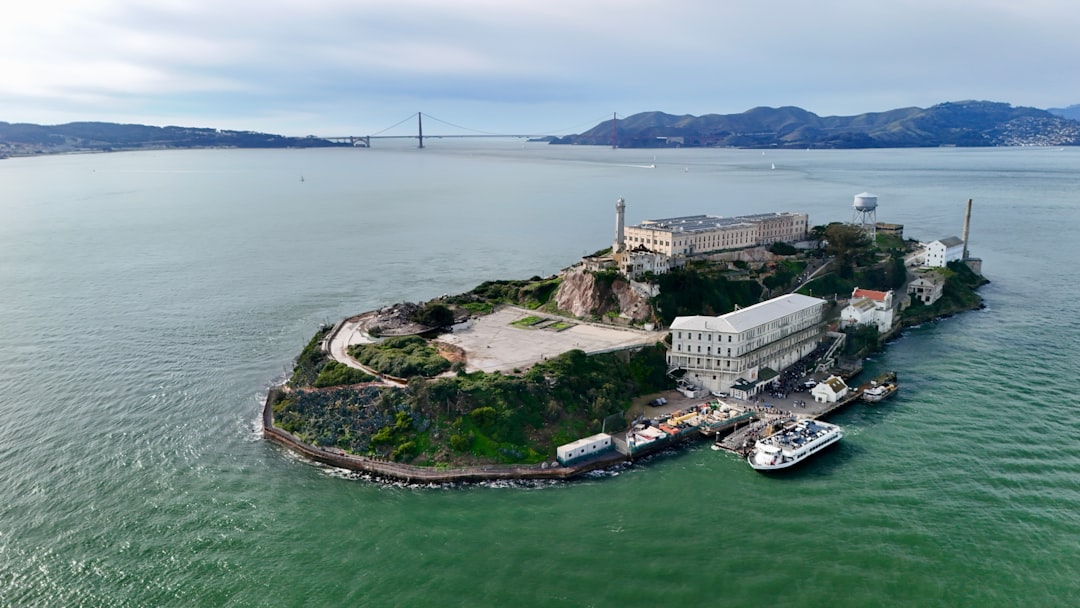
In the annals of history, few events have had as profound an impact on a location as the Great Flood that inundated Alcatraz Island. This incident, which occurred in early 2023, was precipitated by an unprecedented series of atmospheric rivers that unleashed torrential rains across California. The island, known for its notorious prison and rugged terrain, was ill-prepared for such a deluge.
The floodwaters rose rapidly, submerging the lower levels of the island and creating a temporary lake that transformed the landscape. The inundation not only affected the historical structures but also disrupted the delicate balance of the island’s ecosystem. The floodwaters breached barriers and flooded areas that had previously been dry, leading to significant changes in the habitat.
As a result, the flora and fauna that had adapted to the island’s unique environment faced new challenges. The flood’s aftermath would set the stage for a series of unexpected events, including the emergence of alligators that had previously been confined to captivity.
Key Takeaways
- Alcatraz became inundated due to the Great Flood, leading to the escape of alligators.
- The history of alligators on Alcatraz Island dates back to the 1930s when they were brought in as part of the island’s zoo.
- The alligators are affecting the ecosystem on Alcatraz Island, impacting the wildlife.
- Authorities are actively searching for the alligators and handling the situation to ensure public safety.
- Understanding the potential dangers of alligator encounters is crucial for visitors and locals on Alcatraz Island.
The Escape of the Alligators: What Happened After the Flood
In the wake of the Great Flood, a remarkable phenomenon unfolded on Alcatraz Island: the escape of several alligators from a small, private sanctuary that had been established for educational purposes. The rising waters breached the enclosures, allowing these reptiles to swim freely into the flooded areas. This unexpected turn of events not only posed a challenge for local authorities but also raised questions about the long-term implications for both the alligators and the island’s ecosystem.
As these alligators ventured into their new aquatic environment, they began to adapt to their surroundings. The floodwaters provided ample opportunities for hunting and basking in the sun, leading to a rapid increase in their population. The once-contained reptiles now roamed freely, creating a unique dynamic on Alcatraz Island that had not been seen before.
This situation prompted wildlife experts and local authorities to assess the potential consequences of having a population of alligators in an area that was not their natural habitat.
The History of Alligators on Alcatraz Island
The presence of alligators on Alcatraz Island is not entirely new; however, it has been limited to controlled environments until now. Historically, alligators were brought to the island as part of educational programs aimed at raising awareness about wildlife conservation. These reptiles were housed in secure enclosures, where they were cared for by trained professionals.
Their purpose was to educate visitors about their natural behaviors and habitats while promoting conservation efforts. However, with the recent flooding and subsequent escape, the narrative surrounding alligators on Alcatraz has shifted dramatically. The once-educational presence has transformed into a wild population that poses both challenges and opportunities for researchers and conservationists alike.
Understanding the history of these reptiles on the island is crucial for developing effective management strategies moving forward.
The Impact on Wildlife: How the Alligators Are Affecting the Ecosystem
| Metrics | Data |
|---|---|
| Alligator Population | Estimated 5 million in the United States |
| Prey Population | Decreased due to alligator predation |
| Wetland Erosion | Increased due to alligator nesting behavior |
| Species Diversity | Impacted by alligator predation on certain species |
The introduction of alligators into Alcatraz’s ecosystem has sparked significant concern among ecologists and wildlife experts. As apex predators, alligators play a critical role in maintaining ecological balance; however, their presence can also disrupt existing food chains and habitats. The floodwaters created an environment where these reptiles could thrive, leading to potential overpopulation and competition with native species.
The impact on local wildlife has been multifaceted. Alligators are known to prey on various species, including birds and small mammals that inhabit the island. This predation can lead to declines in certain populations, which may have cascading effects throughout the ecosystem.
Additionally, as alligators establish themselves in this new environment, they may compete with native species for resources such as food and shelter, further complicating the ecological dynamics.
The Search for the Alligators: How Authorities are Handling the Situation
In response to the emergence of alligators on Alcatraz Island, local authorities have initiated a comprehensive search and monitoring program. Wildlife officials have deployed teams to assess the situation and track the movements of these reptiles. Utilizing advanced tracking technology and aerial surveillance, they aim to gather data on population size, behavior patterns, and habitat preferences.
The primary goal of these efforts is to ensure public safety while also protecting the alligators themselves. Authorities are working closely with wildlife conservation organizations to develop a management plan that balances human interests with ecological integrity. This plan includes public education initiatives to inform visitors about safe practices when encountering alligators and strategies for minimizing human-wildlife conflicts.
The Alligators’ Behavior: What to Expect if Encountered

Understanding alligator behavior is essential for ensuring safety during encounters with these reptiles. Alligators are generally shy creatures that prefer to avoid human interaction; however, they can become aggressive if they feel threatened or cornered. Visitors to Alcatraz Island should be aware of their surroundings and maintain a safe distance from any alligators they may encounter.
Alligators are most active during warmer months and are often seen basking in sunny areas or swimming in water. They exhibit territorial behavior, especially during mating season, which typically occurs in late spring. It is crucial for individuals to respect their space and avoid approaching them, as this can provoke defensive actions.
If an alligator is spotted, it is advisable to back away slowly and report the sighting to authorities.
The Potential Dangers: Understanding the Risks of Alligator Encounters
While alligator attacks on humans are rare, understanding the potential dangers associated with encounters is vital for public safety. Alligators possess powerful jaws capable of exerting immense pressure, making them formidable predators when provoked. Their stealthy nature allows them to ambush prey effectively; thus, caution is paramount when navigating areas where they may reside.
In addition to physical threats, there are also risks associated with habitat disruption caused by human activities. Feeding alligators or approaching them can lead to habituation, increasing the likelihood of aggressive encounters. It is essential for visitors to adhere to guidelines set forth by wildlife officials and avoid any actions that may compromise both their safety and that of the alligators.
The Future of Alcatraz: How the Flood and Alligators are Shaping the Island’s Future
The Great Flood and subsequent emergence of alligators have ushered in a new era for Alcatraz Island. As authorities grapple with managing this unique situation, discussions surrounding conservation efforts and habitat restoration have gained momentum. The flood has highlighted vulnerabilities within existing infrastructure and prompted reevaluations of how best to protect both historical sites and natural ecosystems.
Looking ahead, it is likely that Alcatraz will become a focal point for research on human-wildlife interactions in urban environments. The presence of alligators presents an opportunity for scientists to study adaptation and resilience in changing ecosystems. Furthermore, educational programs may evolve to incorporate these developments, fostering greater awareness about wildlife conservation among visitors.
The Alligators’ Adaptation: How They Survived and Thrived on Alcatraz
The adaptability of alligators has been on full display since their escape onto Alcatraz Island. These reptiles possess remarkable survival instincts that allow them to thrive in diverse environments. The floodwaters provided an unexpected boon for their survival, offering ample food sources such as fish and small mammals while also creating new basking areas along the island’s shores.
As they acclimate to their new habitat, alligators have demonstrated behaviors indicative of successful adaptation. They have established territories within flooded zones and exhibited hunting strategies suited to their aquatic surroundings. This adaptability underscores their resilience as a species and raises intriguing questions about how they will continue to evolve within this unique ecosystem.
The Public’s Reaction: How Locals and Tourists are Responding to the Alligator Situation
The emergence of alligators on Alcatraz Island has elicited a wide range of reactions from both locals and tourists alike. For some residents, there is a sense of excitement at witnessing such an unusual occurrence in their community. Tourists are drawn by curiosity, eager to catch a glimpse of these reptiles in their newfound habitat.
Conversely, concerns about safety have prompted discussions among locals regarding how best to coexist with these creatures. Community meetings have been held to address fears while also emphasizing the importance of respecting wildlife boundaries. Educational campaigns aimed at informing visitors about safe practices have gained traction as authorities work diligently to ensure public safety while fostering appreciation for this unique situation.
The Alligators’ Capture: The Efforts to Safely Remove Them from Alcatraz
As authorities continue to monitor the alligator population on Alcatraz Island, plans for their safe capture and relocation are being developed. Wildlife experts are collaborating with conservation organizations to devise humane methods for capturing these reptiles without causing undue stress or harm. Trained professionals will utilize specialized equipment designed for safely handling alligators while minimizing risks associated with capture.
The relocation process will involve transporting captured alligators to suitable habitats where they can thrive without posing threats to human populations or local ecosystems. This effort underscores a commitment to responsible wildlife management while ensuring that both residents and visitors can enjoy Alcatraz Island safely. In summary, Alcatraz Island has undergone significant transformations due to the Great Flood and subsequent emergence of alligators into its ecosystem.
While challenges abound regarding public safety and ecological balance, opportunities for research and education have also arisen from this unique situation. As authorities work diligently towards effective management strategies, it is clear that both the island’s future and its inhabitants will be shaped by these unprecedented events.
There is a fascinating article on the magic of Christmas markets that showcases the festive holiday spirit in a unique way. In a similar vein, the recent flooding of Alcatraz by alligators has captured the attention of many, highlighting the unexpected and sometimes bizarre occurrences in nature. The juxtaposition of these two events serves as a reminder of the unpredictability and wonder of the world around us.
FAQs
What is the history of alligators on Alcatraz?
Alligators were brought to Alcatraz in the 1960s as part of a plan to create a tourist attraction on the island. However, the plan was never fully realized and the alligators were eventually removed from the island.
Has Alcatraz ever experienced flooding?
Yes, Alcatraz has experienced flooding in the past, particularly during heavy rainstorms and high tides. The island’s low-lying areas are susceptible to flooding.
How does flooding impact the alligators on Alcatraz?
Flooding can pose a threat to the alligators on Alcatraz by submerging their habitat and potentially causing them harm. It can also disrupt their natural behavior and feeding patterns.
What measures are in place to protect the alligators from flooding on Alcatraz?
There are no alligators currently on Alcatraz, as they were removed from the island. However, if alligators were to be reintroduced in the future, measures would need to be put in place to protect them from potential flooding, such as elevated habitats and flood barriers.
Are there any plans to reintroduce alligators to Alcatraz in the future?
There are currently no plans to reintroduce alligators to Alcatraz. Any potential reintroduction would need to be carefully considered and planned to ensure the safety and well-being of the alligators and the island’s ecosystem.