Now Reading: Advancements in Renal Cancer Treatment
-
01
Advancements in Renal Cancer Treatment
Advancements in Renal Cancer Treatment

Renal cancer, primarily manifesting as renal cell carcinoma (RCC), is a malignancy originating in the kidneys, which are vital organs responsible for filtering blood, regulating electrolytes, and producing urine. This type of cancer accounts for approximately 3% of all adult malignancies, with an estimated 76,000 new cases diagnosed annually in the United States alone. The incidence of renal cancer has been on the rise, attributed to factors such as obesity, smoking, hypertension, and genetic predispositions.
The clinical presentation of renal cancer can be insidious, often leading to late-stage diagnosis. Common symptoms include hematuria (blood in urine), flank pain, and palpable abdominal masses. Advanced stages may present with systemic symptoms such as weight loss, fatigue, and paraneoplastic syndromes.
Understanding the pathophysiology of renal cancer is crucial for developing effective treatment strategies and improving patient outcomes.
Key Takeaways
- Renal cancer is a type of cancer that originates in the kidneys and can be treated through various methods.
- Traditional treatment methods for renal cancer include surgery, radiation therapy, and chemotherapy.
- Targeted therapies for renal cancer focus on specific genetic mutations and pathways in cancer cells.
- Immunotherapy for renal cancer involves using the body’s immune system to fight cancer cells.
- Surgical advancements in treating renal cancer include minimally invasive procedures and personalized medicine approaches.
Traditional Treatment Methods for Renal Cancer
Historically, the cornerstone of renal cancer management has been surgical intervention. Radical nephrectomy, which involves the complete removal of the affected kidney along with surrounding tissues and lymph nodes, has been the standard approach for localized tumors. This method is associated with significant survival benefits, particularly in patients with early-stage disease.
Partial nephrectomy is another surgical option that preserves kidney function while excising the tumor, making it suitable for smaller lesions or patients with compromised renal function. Adjuvant therapies have also been employed post-surgery to mitigate recurrence risks. These may include cytokine therapies such as interleukin-2 (IL-2) and interferon-alpha (IFN-α), which aim to enhance the immune response against residual cancer cells.
However, these traditional methods often come with substantial side effects and variable efficacy, necessitating the exploration of more targeted approaches.
Targeted Therapies for Renal Cancer
Targeted therapies have revolutionized the treatment landscape for renal cancer by focusing on specific molecular pathways involved in tumor growth and progression. The introduction of tyrosine kinase inhibitors (TKIs) such as sunitinib and pazopanib has significantly improved outcomes for patients with advanced RCThese agents inhibit angiogenesis by blocking vascular endothelial growth factor (VEGF) receptors, thereby reducing tumor vascularization and growth. Another class of targeted therapies includes mTOR inhibitors like everolimus and temsirolimus, which disrupt cellular proliferation and survival pathways.
These agents are particularly beneficial for patients who have progressed after initial TKI therapy. The precision of targeted therapies allows for tailored treatment regimens based on individual tumor characteristics, enhancing therapeutic efficacy while minimizing adverse effects.
Immunotherapy for Renal Cancer
| Study | Number of Patients | Overall Response Rate | Progression-Free Survival |
|---|---|---|---|
| Keynote-426 | 861 | 59% | 15.1 months |
| CheckMate-214 | 1096 | 41.6% | 25.1 months |
| JAVELIN Renal 101 | 886 | 51.4% | 13.8 months |
Immunotherapy has emerged as a groundbreaking approach in the management of renal cancer, harnessing the body’s immune system to combat malignancies. Immune checkpoint inhibitors such as nivolumab and pembrolizumab have shown remarkable efficacy in treating advanced RCC by blocking proteins that inhibit T-cell activation, thus enhancing anti-tumor immune responses. Clinical trials have demonstrated that these agents can lead to durable responses in a subset of patients, even those with previously refractory disease.
Combination therapies involving immune checkpoint inhibitors and TKIs are currently being investigated to further improve outcomes. The advent of immunotherapy marks a paradigm shift in renal cancer treatment, offering hope for long-term remission in previously difficult-to-treat cases.
Surgical Advancements in Treating Renal Cancer
Surgical techniques for renal cancer have evolved significantly over the past few decades, with advancements in minimally invasive approaches such as laparoscopic and robotic-assisted surgeries. These techniques offer several advantages over traditional open surgery, including reduced postoperative pain, shorter recovery times, and minimal scarring. Robotic-assisted partial nephrectomy has gained popularity due to its precision and ability to preserve renal function while effectively removing tumors.
Surgeons can utilize advanced imaging technologies to enhance visualization during procedures, leading to improved surgical outcomes. As surgical techniques continue to advance, the focus remains on maximizing tumor control while minimizing morbidity.
Radiation Therapy for Renal Cancer

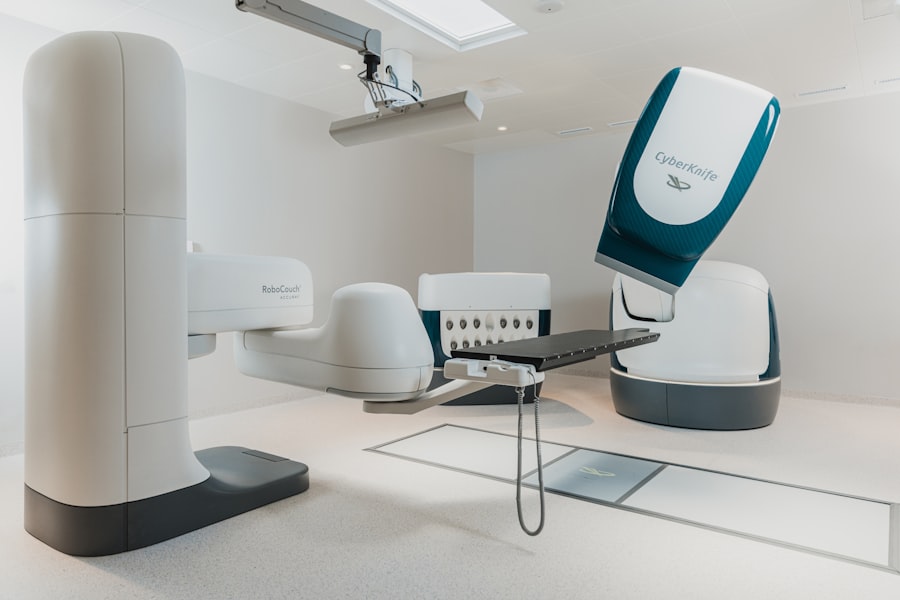
Radiation therapy plays a limited role in the management of renal cancer but can be beneficial in specific scenarios. It is primarily utilized for palliative care in patients with metastatic disease to alleviate symptoms such as pain from bone metastases or to manage local tumor growth when surgery is not feasible.
This method has shown promise in treating localized renal tumors and may serve as an alternative for patients who are not surgical candidates. Ongoing research aims to define the optimal role of radiation therapy in the comprehensive management of renal cancer.
Emerging Therapies and Clinical Trials for Renal Cancer
The landscape of renal cancer treatment is continuously evolving, with numerous emerging therapies undergoing clinical trials. Novel agents targeting various pathways involved in tumorigenesis are being explored, including agents that inhibit angiogenesis, immune modulation, and metabolic pathways. Combination therapies that integrate different modalities—such as immunotherapy with targeted agents—are also being investigated to enhance therapeutic efficacy.
Clinical trials are crucial for determining the safety and effectiveness of these new treatments, providing patients access to cutting-edge therapies that may improve survival rates and quality of life.
Personalized Medicine in Renal Cancer Treatment
Personalized medicine represents a transformative approach in renal cancer treatment by tailoring therapies based on individual patient characteristics and tumor biology. Genomic profiling of tumors can identify specific mutations or alterations that may predict response to targeted therapies or immunotherapy. By understanding the unique molecular landscape of each patient’s cancer, oncologists can develop customized treatment plans that optimize therapeutic outcomes while minimizing unnecessary side effects.
This approach not only enhances treatment efficacy but also empowers patients by involving them in decision-making regarding their care.
Minimally Invasive Procedures for Renal Cancer
Minimally invasive procedures have become increasingly prevalent in the management of renal cancer due to their associated benefits. Techniques such as cryoablation and radiofrequency ablation utilize extreme temperatures to destroy tumor cells while preserving surrounding healthy tissue. These procedures can be performed percutaneously under imaging guidance, allowing for outpatient management with minimal recovery time.
They are particularly advantageous for small tumors or patients who are not candidates for traditional surgery due to comorbidities. As technology advances, these minimally invasive options will likely become integral components of renal cancer management.
Complementary and Alternative Therapies for Renal Cancer
Complementary and alternative therapies are often sought by patients with renal cancer seeking holistic approaches to their treatment regimen. These may include dietary modifications, herbal supplements, acupuncture, and mind-body practices such as yoga or meditation. While some studies suggest potential benefits from certain complementary therapies—such as improved quality of life or reduced treatment-related side effects—scientific evidence supporting their efficacy remains limited.
Patients should engage in open discussions with their healthcare providers before incorporating these therapies into their treatment plans to ensure safety and avoid potential interactions with conventional treatments.
Future Directions in Renal Cancer Treatment
The future of renal cancer treatment is poised for significant advancements driven by ongoing research and technological innovations. The integration of artificial intelligence and machine learning into oncology may enhance diagnostic accuracy and treatment planning by analyzing vast datasets to identify patterns and predict outcomes. Furthermore, the exploration of novel biomarkers will facilitate early detection and personalized treatment strategies tailored to individual patient profiles.
As our understanding of renal cancer biology deepens, the development of innovative therapeutic agents targeting specific molecular pathways will likely lead to improved survival rates and quality of life for patients battling this challenging disease. In summary, renal cancer presents a complex challenge requiring a multifaceted approach to treatment. Traditional methods such as surgery remain foundational; however, advancements in targeted therapies, immunotherapy, and personalized medicine are reshaping the landscape of care.
Emerging therapies and clinical trials continue to offer hope for improved outcomes while minimally invasive procedures provide alternatives for select patients. As research progresses, the future holds promise for more effective strategies against renal cancer, ultimately enhancing patient survival and well-being.
Renal cancer, also known as kidney cancer, is a serious disease that affects thousands of people each year. One related article that provides valuable information on this topic can be found at this link. This article discusses the various features and content available on Amazon Prime Video, which can be a helpful distraction for those undergoing treatment for renal cancer. It is important for patients to have access to entertainment options that can provide comfort and relaxation during difficult times.
FAQs
What is renal cancer?
Renal cancer, also known as kidney cancer, is a type of cancer that starts in the cells of the kidney. It is one of the top 10 most common cancers in both men and women.
What are the risk factors for renal cancer?
Risk factors for renal cancer include smoking, obesity, high blood pressure, and family history of the disease. Exposure to certain chemicals and genetic factors may also increase the risk.
What are the symptoms of renal cancer?
Common symptoms of renal cancer include blood in the urine, persistent pain in the side or lower back, a lump in the abdomen, unexplained weight loss, and fatigue.
How is renal cancer diagnosed?
Renal cancer is often diagnosed through imaging tests such as CT scans, MRIs, and ultrasounds. A biopsy may also be performed to confirm the diagnosis.
What are the treatment options for renal cancer?
Treatment for renal cancer may include surgery to remove the tumor, targeted therapy, immunotherapy, radiation therapy, and chemotherapy. The specific treatment plan will depend on the stage and location of the cancer.
What is the prognosis for renal cancer?
The prognosis for renal cancer varies depending on the stage at which it is diagnosed and the individual’s overall health. Early detection and treatment can improve the chances of successful outcomes.