Now Reading: Advancements in Pediatric Oncology Treatment
-
01
Advancements in Pediatric Oncology Treatment
Advancements in Pediatric Oncology Treatment
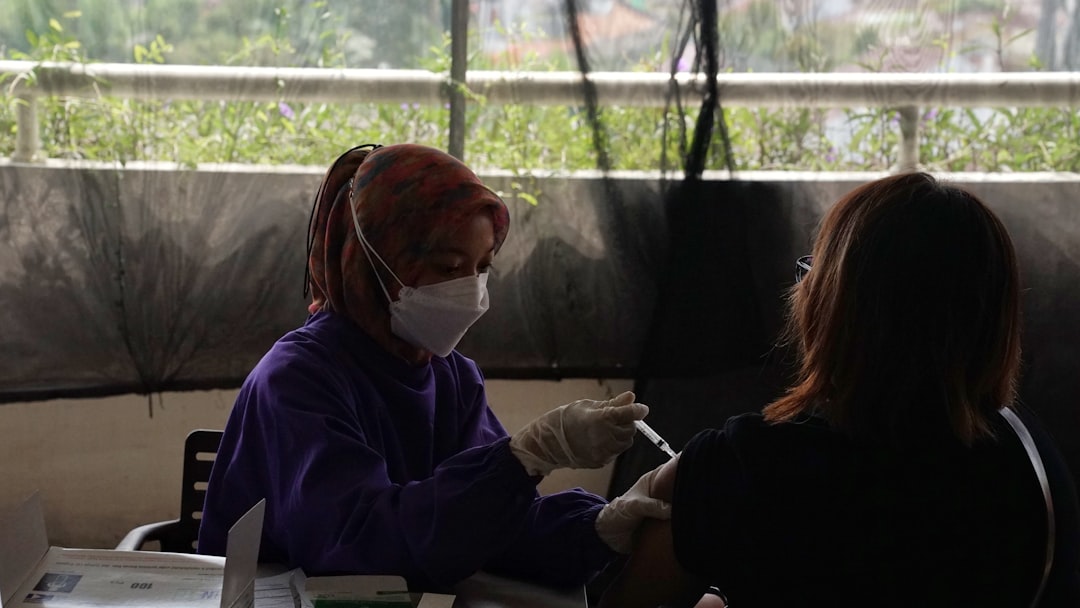
Pediatric oncology is a specialized branch of medicine that focuses on the diagnosis and treatment of cancers in children, adolescents, and young adults. This field encompasses a wide array of malignancies, including leukemia, brain tumors, lymphomas, and solid tumors. The incidence of cancer in children is relatively low compared to adults, with approximately 15,000 new cases diagnosed annually in the United States alone.
However, the impact of these diseases on young patients and their families is profound, necessitating a comprehensive approach to care that addresses not only the physical but also the emotional and psychological needs of the child. The unique biological characteristics of pediatric cancers often differ significantly from those seen in adult populations. For instance, certain types of leukemia, such as acute lymphoblastic leukemia (ALL), are more prevalent in children than adults.
Furthermore, the treatment protocols for pediatric cancers are tailored to accommodate the developmental stages of young patients, ensuring that therapies are both effective and minimize long-term side effects. As advancements in research continue to evolve, pediatric oncology remains at the forefront of innovative treatment strategies aimed at improving survival rates and quality of life for young cancer patients.
Key Takeaways
- Pediatric oncology focuses on the diagnosis and treatment of cancer in children and adolescents.
- Traditional treatment methods for pediatric cancer include surgery, chemotherapy, and radiation therapy.
- Targeted therapy uses drugs or other substances to identify and attack specific cancer cells without harming normal cells.
- Immunotherapy uses the body’s immune system to fight cancer and has shown promising results in pediatric oncology.
- Precision medicine involves tailoring treatment to a patient’s specific genetic makeup and has the potential to improve outcomes in pediatric cancer care.
Traditional Treatment Methods
Traditional treatment modalities for pediatric cancers primarily include surgery, chemotherapy, and radiation therapy. Surgical intervention is often the first line of treatment for solid tumors, aiming to remove the tumor mass while preserving surrounding healthy tissue. In cases where complete resection is not feasible, neoadjuvant chemotherapy may be employed to shrink the tumor before surgical excision.
Chemotherapy remains a cornerstone in the management of various pediatric malignancies. This systemic treatment utilizes cytotoxic agents to target rapidly dividing cancer cells. Commonly used chemotherapeutic agents include vincristine, doxorubicin, and cyclophosphamide.
The regimen is typically tailored based on the specific type of cancer, its stage, and the individual patient’s response to treatment. While effective, chemotherapy can lead to significant side effects such as nausea, hair loss, and immunosuppression, necessitating vigilant monitoring and supportive care. Radiation therapy is another traditional approach utilized in pediatric oncology, particularly for localized tumors or as an adjunct to surgery.
This modality employs high-energy particles or waves to destroy cancer cells. The precision of modern radiation techniques has improved significantly, allowing for targeted delivery that minimizes damage to surrounding healthy tissues. However, long-term effects such as growth abnormalities and secondary malignancies remain a concern, underscoring the need for careful consideration in treatment planning.
Targeted Therapy

Targeted therapy represents a paradigm shift in cancer treatment by focusing on specific molecular targets associated with cancer cells. Unlike traditional chemotherapy that indiscriminately affects all rapidly dividing cells, targeted therapies are designed to interfere with specific pathways that promote tumor growth and survival. This approach has shown promise in treating various pediatric cancers, particularly those with identifiable genetic mutations.
One notable example is the use of tyrosine kinase inhibitors (TKIs) in treating Philadelphia chromosome-positive acute lymphoblastic leukemia (Ph+ ALL). Imatinib, a TKI, has revolutionized the management of this subtype by specifically targeting the BCR-ABL fusion protein responsible for malignant cell proliferation. Clinical trials have demonstrated improved survival rates among children treated with imatinib compared to conventional chemotherapy alone.
Another area of targeted therapy involves monoclonal antibodies that can bind to specific antigens on cancer cells. For instance, rituximab is utilized in treating pediatric lymphomas by targeting CD20-positive B-cells. The specificity of these therapies not only enhances efficacy but also reduces collateral damage to normal tissues, thereby minimizing adverse effects and improving overall patient outcomes.
Immunotherapy
| Immunotherapy Metrics | 2019 | 2020 | 2021 |
|---|---|---|---|
| Number of Clinical Trials | 300 | 350 | 400 |
| Success Rate | 60% | 65% | 70% |
| Investment in Research | 500 million | 600 million | 700 million |
Immunotherapy harnesses the body’s immune system to recognize and combat cancer cells more effectively. This innovative approach has gained traction in pediatric oncology due to its potential for durable responses and lower toxicity compared to traditional treatments. Various immunotherapeutic strategies are currently being explored in clinical settings.
Chimeric antigen receptor (CAR) T-cell therapy is one of the most groundbreaking advancements in immunotherapy for pediatric patients with refractory or relapsed leukemia. This technique involves genetically modifying a patient’s T-cells to express CARs that specifically target CD19-positive B-cells. Clinical trials have shown remarkable success rates, with many children achieving complete remission after CAR T-cell infusion.
Checkpoint inhibitors are another class of immunotherapeutic agents that have shown promise in pediatric oncology. These drugs work by blocking proteins that inhibit immune responses against tumors, thereby enhancing T-cell activity against cancer cells. Pembrolizumab and nivolumab are examples of checkpoint inhibitors currently being investigated for various pediatric malignancies, including melanoma and Hodgkin lymphoma.
Precision Medicine
Precision medicine is an emerging approach that tailors treatment based on individual genetic profiles and tumor characteristics. In pediatric oncology, this strategy aims to optimize therapeutic efficacy while minimizing adverse effects by selecting treatments that align with specific molecular alterations present in a child’s cancer. Genomic sequencing technologies have advanced significantly, allowing for comprehensive profiling of tumors to identify actionable mutations.
For instance, children with neuroblastoma may benefit from targeted therapies directed at MYCN amplification or ALK mutations. By understanding the genetic landscape of a child’s cancer, oncologists can make informed decisions regarding treatment options that are more likely to yield positive outcomes. Moreover, precision medicine extends beyond targeted therapies; it also encompasses the use of biomarkers to predict treatment response and monitor disease progression.
Liquid biopsies, which analyze circulating tumor DNA (ctDNA) in blood samples, are being explored as non-invasive tools for real-time assessment of tumor dynamics and therapeutic efficacy.
Stem Cell Transplantation

Stem cell transplantation (SCT) is a critical component of treatment for certain high-risk pediatric cancers, particularly hematological malignancies such as leukemia and lymphoma. This procedure involves the infusion of hematopoietic stem cells to restore bone marrow function after intensive chemotherapy or radiation therapy. There are two primary types of stem cell transplantation: autologous and allogeneic.
Autologous SCT utilizes the patient’s own stem cells harvested prior to treatment, while allogeneic SCT involves donor stem cells from a matched sibling or unrelated donor. The choice between these approaches depends on various factors, including the type of cancer, response to prior treatments, and overall health status. While SCT can be curative for many children with high-risk cancers, it carries significant risks such as graft-versus-host disease (GVHD), infections, and organ toxicity.
Therefore, careful patient selection and rigorous post-transplant monitoring are essential to optimize outcomes and manage complications effectively.
Minimally Invasive Surgery
Minimally invasive surgical techniques have revolutionized the management of pediatric cancers by reducing recovery times and minimizing postoperative complications. These approaches utilize small incisions and specialized instruments such as laparoscopes or robotic systems to perform surgical procedures with enhanced precision. Laparoscopic surgery has become increasingly common in pediatric oncology for procedures such as tumor resection or staging lymphadenectomy.
The benefits include reduced pain, shorter hospital stays, and quicker return to normal activities compared to traditional open surgery. Additionally, robotic-assisted surgery offers improved visualization and dexterity for complex procedures involving delicate structures. Despite these advantages, it is crucial for surgical teams to assess each case individually to determine the appropriateness of minimally invasive techniques based on tumor location, size, and overall patient health.
Ongoing research continues to refine these methods and expand their applicability in pediatric oncology.
Supportive Care and Survivorship
Supportive care plays a vital role in the comprehensive management of pediatric cancer patients throughout their treatment journey. This multidisciplinary approach addresses not only physical symptoms but also emotional and psychological well-being. Palliative care services are integrated early in the treatment process to provide symptom management and support for both patients and families.
Common supportive care interventions include pain management strategies, nutritional support, psychosocial counseling, and educational resources tailored to meet the unique needs of young patients. Addressing these aspects is essential for enhancing quality of life during treatment and beyond. Survivorship care is equally important as more children successfully complete cancer treatment.
Long-term follow-up is necessary to monitor for late effects related to therapy, including potential secondary malignancies or organ dysfunction.
Integrative Therapies
Integrative therapies encompass a range of complementary approaches designed to enhance conventional cancer treatments while promoting overall well-being in pediatric patients. These therapies may include acupuncture, massage therapy, art therapy, music therapy, and mindfulness practices such as yoga or meditation. Research indicates that integrative therapies can help alleviate symptoms associated with cancer treatment, such as pain, anxiety, and fatigue.
For instance, music therapy has been shown to reduce anxiety levels in children undergoing procedures or treatments by providing a calming distraction. While integrative therapies should not replace standard medical care, they can serve as valuable adjuncts that support emotional resilience and improve quality of life during challenging times. Collaboration between oncologists and integrative health practitioners is essential to ensure safe implementation tailored to each child’s needs.
Clinical Trials and Research
Clinical trials are fundamental to advancing knowledge in pediatric oncology and improving treatment outcomes for young patients. These studies evaluate new therapies or combinations of existing treatments while adhering to rigorous scientific standards. Participation in clinical trials provides access to cutting-edge therapies that may not yet be widely available.
Ongoing research efforts focus on identifying novel therapeutic targets through genomic studies and exploring innovative treatment modalities such as CAR T-cell therapy or immune checkpoint inhibitors. Collaborative networks among institutions facilitate large-scale studies that enhance statistical power and accelerate progress toward improved survival rates. Parents considering clinical trial participation should engage in thorough discussions with their child’s healthcare team regarding potential risks and benefits.
Informed consent processes ensure that families understand the implications of participation while fostering transparency throughout the research process.
Future Directions in Pediatric Oncology
The future of pediatric oncology holds great promise as research continues to unveil new insights into cancer biology and treatment strategies. Advances in genomics will likely lead to more personalized approaches tailored specifically to each child’s unique tumor profile. The integration of artificial intelligence into diagnostic processes may enhance early detection rates while streamlining treatment decision-making.
Furthermore, ongoing efforts toward developing less toxic therapies will be paramount in minimizing long-term side effects associated with conventional treatments. The exploration of combination therapies that synergistically target multiple pathways may yield more effective outcomes while preserving quality of life. As we look ahead, fostering collaboration among researchers, clinicians, families, and advocacy groups will be essential in driving progress within pediatric oncology.
By prioritizing innovative research initiatives alongside compassionate care models, we can continue to improve survival rates and enhance the overall well-being of young cancer patients. In summary, pediatric oncology encompasses a multifaceted approach to diagnosing and treating childhood cancers through traditional methods like chemotherapy and surgery alongside innovative strategies such as targeted therapy and immunotherapy. With ongoing advancements in precision medicine and supportive care initiatives aimed at enhancing survivorship experiences post-treatment—pediatric oncology remains committed to improving outcomes for young patients facing these challenging diagnoses while prioritizing their holistic well-being throughout their journey.
One important aspect of pediatric oncology is the need for continued research and funding to improve treatment options for children battling cancer. A related article discussing the importance of investing in companies like Amazon, which can potentially lead to financial support for medical research, can be found here.
FAQs
What is pediatric oncology?
Pediatric oncology is a branch of medicine that deals with the diagnosis and treatment of cancer in children.
What are the most common types of cancer in children?
The most common types of cancer in children include leukemia, brain tumors, lymphoma, neuroblastoma, and Wilms tumor.
What are the symptoms of childhood cancer?
Symptoms of childhood cancer can vary depending on the type of cancer, but common symptoms may include unexplained weight loss, persistent fever, unusual lumps or swelling, and prolonged or unexplained pain.
How is pediatric cancer diagnosed?
Pediatric cancer is diagnosed through a combination of physical exams, blood tests, imaging tests (such as X-rays, CT scans, or MRIs), and biopsies.
What are the treatment options for pediatric cancer?
Treatment options for pediatric cancer may include surgery, chemotherapy, radiation therapy, targeted therapy, immunotherapy, and stem cell transplant.
What are the survival rates for pediatric cancer?
Survival rates for pediatric cancer vary depending on the type and stage of cancer, but overall, the survival rates for childhood cancer have improved significantly over the past few decades, with many children surviving and leading healthy lives after treatment.
What are the long-term effects of pediatric cancer treatment?
Some long-term effects of pediatric cancer treatment may include infertility, growth delays, learning and cognitive problems, and an increased risk of developing other health conditions later in life.