Now Reading: Advancements in Pancreatic Cancer Treatment
-
01
Advancements in Pancreatic Cancer Treatment
Advancements in Pancreatic Cancer Treatment
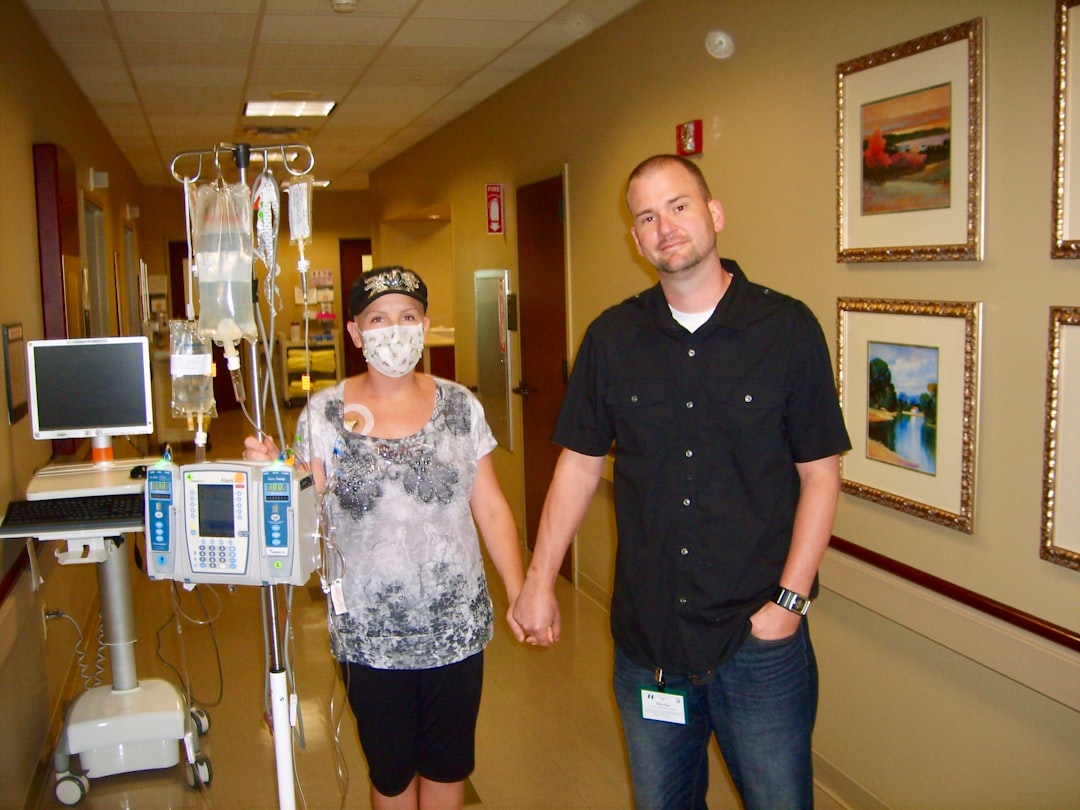
Pancreatic cancer, a formidable malignancy, ranks as the fourth leading cause of cancer-related mortality in the United States. Characterized by its aggressive nature and often late diagnosis, this disease presents significant challenges for both patients and healthcare providers. The pancreas, an organ located behind the stomach, plays a crucial role in digestion and blood sugar regulation.
When malignant cells form in the tissues of the pancreas, they can disrupt these vital functions, leading to severe health complications. The prognosis for pancreatic cancer remains grim, with a five-year survival rate hovering around 10%. This dismal statistic is largely attributed to the cancer’s insidious onset, as symptoms often do not manifest until the disease has reached advanced stages.
Common symptoms include jaundice, unexplained weight loss, abdominal pain, and changes in stool. Early detection is critical; however, the lack of effective screening methods complicates timely diagnosis. As research continues to evolve, understanding the molecular and genetic underpinnings of pancreatic cancer is essential for developing innovative treatment strategies.
Key Takeaways
- Pancreatic cancer is a highly aggressive and often difficult to treat form of cancer.
- Traditional treatment approaches for pancreatic cancer include surgery, chemotherapy, and radiation therapy.
- Targeted therapy focuses on specific genetic mutations or proteins in cancer cells to stop the growth and spread of the cancer.
- Immunotherapy uses the body’s immune system to help fight cancer and has shown promise in treating pancreatic cancer.
- Precision medicine involves tailoring treatment plans to individual patients based on their genetic makeup and other factors.
Traditional Treatment Approaches
Traditional treatment modalities for pancreatic cancer primarily encompass surgery, chemotherapy, and radiation therapy. Surgical intervention remains the most effective option for localized tumors. The Whipple procedure, or pancreaticoduodenectomy, is the most common surgical approach for tumors located in the head of the pancreas.
This complex operation involves the resection of the head of the pancreas, duodenum, gallbladder, and a portion of the bile duct. While surgery can offer a potential cure, only about 15-20% of patients are candidates due to late-stage diagnosis. Chemotherapy is often employed as an adjuvant therapy following surgery or as a primary treatment for advanced disease.
The standard regimen includes a combination of gemcitabine and nab-paclitaxel, which has shown improved survival rates compared to gemcitabine alone. Radiation therapy may also be utilized to target residual cancer cells post-surgery or to alleviate symptoms in advanced cases. Despite these traditional approaches, the overall effectiveness remains limited due to the cancer’s resistance to treatment and propensity for metastasis.
Targeted Therapy

Targeted therapy represents a paradigm shift in the treatment of pancreatic cancer by focusing on specific molecular targets associated with tumor growth and progression. Unlike conventional chemotherapy that indiscriminately affects rapidly dividing cells, targeted agents are designed to interfere with specific pathways that cancer cells exploit for survival. One notable example is the use of erlotinib, an epidermal growth factor receptor (EGFR) inhibitor, which has been studied in combination with gemcitabine.
Another promising avenue involves targeting mutations in the KRAS gene, which is frequently altered in pancreatic tumors. Agents such as sotorasib are being investigated for their efficacy against KRAS G12C mutations. The development of targeted therapies has ushered in a new era of personalized medicine, allowing for more tailored treatment approaches based on individual tumor characteristics.
However, challenges remain in identifying suitable biomarkers and ensuring patient access to these innovative therapies.
Immunotherapy
| Immunotherapy Metrics | 2019 | 2020 | 2021 |
|---|---|---|---|
| Number of Clinical Trials | 300 | 350 | 400 |
| Success Rate | 60% | 65% | 70% |
| Investment in Research | 500 million | 600 million | 700 million |
Immunotherapy has emerged as a groundbreaking approach in oncology, harnessing the body’s immune system to combat cancer cells. In pancreatic cancer, however, the application of immunotherapeutic strategies has been met with mixed results due to the tumor’s immunosuppressive microenvironment. Immune checkpoint inhibitors such as pembrolizumab and nivolumab have shown promise in other malignancies but have demonstrated limited efficacy in pancreatic cancer.
Recent studies have explored combination therapies that integrate immunotherapy with chemotherapy or targeted agents to enhance immune response. For instance, combining immune checkpoint inhibitors with gemcitabine has shown potential in preclinical models. Additionally, therapeutic vaccines aimed at stimulating an immune response against specific tumor antigens are under investigation.
While immunotherapy holds great promise, ongoing research is essential to unravel the complexities of pancreatic cancer’s immune evasion mechanisms.
Precision Medicine
Precision medicine represents a transformative approach that tailors treatment based on individual genetic profiles and tumor characteristics. In pancreatic cancer, this strategy involves comprehensive genomic profiling to identify actionable mutations and alterations that can inform treatment decisions. Next-generation sequencing technologies have revolutionized our ability to analyze tumor DNA and RNA, enabling clinicians to select targeted therapies that align with specific genetic abnormalities.
For example, patients with BRCA1 or BRCA2 mutations may benefit from PARP inhibitors such as olaparib or rucaparib, which exploit the concept of synthetic lethality in cancer cells with defective DNA repair mechanisms.
By integrating genomic data into clinical practice, precision medicine aims to optimize treatment outcomes and minimize adverse effects.
Minimally Invasive Surgery

Minimally invasive surgical techniques have gained traction in recent years as alternatives to traditional open surgery for pancreatic cancer. Laparoscopic and robotic-assisted approaches offer several advantages, including reduced postoperative pain, shorter recovery times, and decreased hospital stays. These techniques involve smaller incisions and enhanced visualization of the surgical field, allowing for precise tumor resection while preserving surrounding healthy tissue.
Laparoscopic distal pancreatectomy is one such procedure used for tumors located in the body or tail of the pancreas. Robotic-assisted surgery further enhances dexterity and precision during complex resections. While minimally invasive techniques are not suitable for all patients, ongoing advancements continue to refine these approaches and expand their applicability in pancreatic cancer management.
Radiofrequency Ablation
Radiofrequency ablation (RFA) is an innovative technique that utilizes thermal energy to destroy cancer cells through localized heat application. This minimally invasive procedure is particularly beneficial for patients with unresectable tumors or those seeking palliative care options. RFA can be performed percutaneously or laparoscopically and is often guided by imaging modalities such as ultrasound or CT scans.
Clinical studies have demonstrated that RFA can effectively reduce tumor size and alleviate pain associated with advanced pancreatic cancer. Additionally, RFA may be combined with other treatments such as chemotherapy or radiation therapy to enhance overall efficacy. As research continues to explore optimal patient selection and procedural techniques, RFA holds promise as a valuable tool in the multidisciplinary management of pancreatic cancer.
Nanotechnology in Treatment
Nanotechnology represents a cutting-edge frontier in cancer treatment, leveraging nanoscale materials for targeted drug delivery and enhanced therapeutic efficacy. In pancreatic cancer, nanoparticles can be engineered to encapsulate chemotherapeutic agents and deliver them directly to tumor sites while minimizing systemic toxicity. This approach aims to overcome challenges associated with conventional drug delivery methods.
For instance, liposomal formulations of doxorubicin have shown improved pharmacokinetics and reduced side effects compared to traditional formulations. Additionally, nanoparticles can be designed to release their payload in response to specific stimuli within the tumor microenvironment, further enhancing therapeutic outcomes. Ongoing research into nanotechnology applications continues to unveil new possibilities for improving treatment efficacy and patient quality of life.
Personalized Treatment Plans
The development of personalized treatment plans is paramount in addressing the unique characteristics of each patient’s pancreatic cancer. A multidisciplinary approach involving oncologists, surgeons, radiologists, and genetic counselors is essential for formulating comprehensive care strategies tailored to individual needs.
Personalized treatment may involve a combination of surgical intervention, chemotherapy regimens tailored to specific genetic profiles, targeted therapies based on molecular characteristics, and supportive care measures aimed at enhancing quality of life. By prioritizing individualized care pathways, healthcare providers can optimize treatment outcomes while minimizing adverse effects associated with conventional approaches.
Advancements in Palliative Care
Palliative care plays a crucial role in managing symptoms and improving quality of life for patients with advanced pancreatic cancer. This holistic approach focuses on alleviating physical discomfort while addressing emotional and psychological needs. Recent advancements in palliative care emphasize early integration into treatment plans, ensuring that patients receive comprehensive support throughout their cancer journey.
Symptom management strategies may include pharmacological interventions for pain control, nutritional support for weight loss and cachexia, and psychosocial counseling to address anxiety and depression associated with diagnosis and treatment. Additionally, palliative care teams work collaboratively with oncologists to facilitate discussions about goals of care and advance directives, empowering patients to make informed decisions about their treatment options.
Future Directions in Pancreatic Cancer Treatment
The future of pancreatic cancer treatment holds great promise as ongoing research continues to unveil novel therapeutic strategies and innovative technologies. Advances in biomarker discovery may lead to improved screening methods for early detection while enabling more precise targeting of therapies based on individual tumor profiles. Furthermore, ongoing clinical trials exploring combination therapies that integrate immunotherapy with traditional modalities may yield significant breakthroughs in treatment efficacy.
The integration of artificial intelligence and machine learning into oncology holds potential for enhancing diagnostic accuracy and predicting treatment responses based on vast datasets of patient information. As researchers strive to unravel the complexities of pancreatic cancer biology, collaborative efforts between academia and industry will be essential for translating scientific discoveries into clinical practice. In summary, pancreatic cancer remains a challenging malignancy characterized by late diagnosis and limited treatment options.
Traditional approaches such as surgery and chemotherapy continue to play vital roles; however, emerging therapies including targeted treatments, immunotherapy, precision medicine, minimally invasive techniques, radiofrequency ablation, nanotechnology applications, personalized care plans, and advancements in palliative care are reshaping the landscape of management strategies. As research progresses toward innovative solutions and improved patient outcomes, hope persists for those affected by this formidable disease.
Pancreatic cancer treatment is a complex and challenging process that often requires a multidisciplinary approach. One related article that delves into the latest advancements in pancreatic cancer treatment can be found here. This article highlights the importance of early detection and personalized treatment plans in improving outcomes for patients with pancreatic cancer. By staying informed about the latest research and treatment options, patients and their loved ones can make more informed decisions about their care.
FAQs
What is pancreatic cancer?
Pancreatic cancer is a type of cancer that occurs in the pancreas, an organ located behind the stomach. It is known for its aggressive nature and often has a poor prognosis.
What are the treatment options for pancreatic cancer?
Treatment options for pancreatic cancer may include surgery, chemotherapy, radiation therapy, targeted therapy, immunotherapy, and palliative care. The specific treatment plan will depend on the stage of the cancer and the overall health of the patient.
How is pancreatic cancer treated surgically?
Surgical treatment for pancreatic cancer may involve removing part or all of the pancreas, as well as nearby lymph nodes and other affected tissues. In some cases, surgery may also involve removing a portion of the stomach, small intestine, or other nearby organs.
What is the role of chemotherapy in treating pancreatic cancer?
Chemotherapy is often used in the treatment of pancreatic cancer to kill cancer cells or slow their growth. It may be used before surgery to shrink the tumor, after surgery to kill any remaining cancer cells, or as a primary treatment for advanced pancreatic cancer.
How does radiation therapy help in the treatment of pancreatic cancer?
Radiation therapy uses high-energy X-rays or other forms of radiation to kill cancer cells or stop them from growing. It may be used before or after surgery, or in combination with chemotherapy as part of the treatment plan for pancreatic cancer.
What is targeted therapy and immunotherapy in the context of pancreatic cancer treatment?
Targeted therapy uses drugs or other substances to identify and attack specific cancer cells without harming normal cells. Immunotherapy, on the other hand, uses the body’s immune system to help fight cancer. Both targeted therapy and immunotherapy are being studied as potential treatments for pancreatic cancer.
What is palliative care and how does it factor into pancreatic cancer treatment?
Palliative care is specialized medical care that focuses on providing relief from the symptoms and stress of a serious illness, such as pancreatic cancer. It is an important aspect of treatment that aims to improve the quality of life for both the patient and their family.