Now Reading: Advancements in Cardiovascular Procedures
-
01
Advancements in Cardiovascular Procedures
Advancements in Cardiovascular Procedures

Cardiovascular procedures encompass a wide array of medical interventions aimed at diagnosing, treating, and managing heart and vascular diseases. These procedures are critical in addressing conditions such as coronary artery disease, heart valve disorders, arrhythmias, and congenital heart defects. The heart, a vital organ responsible for pumping blood throughout the body, can be affected by various factors including genetics, lifestyle choices, and environmental influences.
As cardiovascular diseases remain a leading cause of morbidity and mortality globally, advancements in medical technology and surgical techniques have significantly improved patient outcomes. The landscape of cardiovascular care has evolved dramatically over the past few decades. With the integration of innovative technologies and a deeper understanding of cardiovascular pathophysiology, healthcare professionals are now equipped to offer more effective treatments.
This article delves into the evolution of cardiovascular surgery, the emergence of minimally invasive techniques, robotic-assisted interventions, and the latest advancements in catheter-based therapies. Furthermore, it explores innovations in heart valve replacement, breakthroughs in coronary artery bypass surgery, and the burgeoning field of electrophysiology. The discussion culminates with insights into personalized medicine and future trends that promise to reshape cardiovascular care.
Key Takeaways
- Cardiovascular procedures have evolved significantly over time, leading to improved patient outcomes and reduced recovery times.
- Minimally invasive cardiovascular procedures offer patients less pain, shorter hospital stays, and quicker recovery compared to traditional open-heart surgeries.
- Robotic-assisted cardiovascular surgery allows for greater precision, smaller incisions, and enhanced visualization for surgeons.
- Advancements in catheter-based interventions have revolutionized the treatment of heart disease, offering less invasive options for patients.
- Innovations in heart valve replacement have led to the development of less invasive procedures and improved outcomes for patients with valve disease.
Evolution of Cardiovascular Surgery
The history of cardiovascular surgery is marked by significant milestones that have transformed the field. The first successful open-heart surgery was performed in 1893 by Dr. Daniel Hale Williams, who repaired a stab wound to the heart.
This pioneering effort laid the groundwork for future surgical interventions. The introduction of cardiopulmonary bypass in the 1950s revolutionized cardiac surgery by allowing surgeons to operate on a still heart while maintaining blood circulation and oxygenation. This breakthrough enabled complex procedures such as valve repairs and coronary artery bypass grafting (CABG) to become routine.
Over the years, surgical techniques have continued to evolve, driven by advancements in imaging technology, anesthesia, and postoperative care. The development of minimally invasive approaches has further transformed cardiovascular surgery, allowing for reduced recovery times and lower complication rates. Surgeons now utilize video-assisted thoracoscopic surgery (VATS) and endoscopic techniques to perform procedures with smaller incisions, minimizing trauma to surrounding tissues.
As a result, patients experience less pain and a quicker return to normal activities.
Minimally Invasive Cardiovascular Procedures

Minimally invasive cardiovascular procedures have gained prominence due to their numerous advantages over traditional open-heart surgery. These techniques involve smaller incisions, which lead to reduced postoperative pain, shorter hospital stays, and faster recovery times. Common minimally invasive procedures include percutaneous coronary interventions (PCI), transcatheter aortic valve replacement (TAVR), and endovascular aneurysm repair (EVAR).
Percutaneous coronary intervention is particularly noteworthy for its role in treating coronary artery disease. During this procedure, a catheter is inserted through the skin into a blood vessel and guided to the site of blockage in the coronary arteries. A balloon is inflated to open the narrowed artery, often followed by the placement of a stent to maintain patency. This approach has significantly decreased the need for open-heart surgery in many patients. Transcatheter aortic valve replacement has emerged as a game-changer for patients with severe aortic stenosis who are considered high-risk for traditional surgery.
This procedure involves delivering a replacement valve via catheter through the femoral artery or other access points, allowing for valve implantation without the need for sternotomy. The success of TAVR has led to its approval for lower-risk populations as well.
Robotic-Assisted Cardiovascular Surgery
| Metrics | Value |
|---|---|
| Success Rate | 95% |
| Procedure Time | 3-6 hours |
| Recovery Time | 2-4 weeks |
| Complication Rate | 3% |
Robotic-assisted cardiovascular surgery represents a significant advancement in surgical precision and control. Utilizing robotic systems such as the da Vinci Surgical System, surgeons can perform complex procedures with enhanced dexterity and visualization. The robotic platform allows for three-dimensional imaging and magnification, enabling surgeons to navigate intricate anatomical structures with unparalleled accuracy.
One of the primary applications of robotic-assisted surgery is in mitral valve repair. Surgeons can access the heart through small incisions while controlling robotic instruments that mimic their hand movements. This technique not only reduces trauma but also enhances surgical outcomes by allowing for precise repairs of valve leaflets and chords.
Studies have shown that patients undergoing robotic mitral valve repair experience shorter hospital stays and quicker recovery compared to traditional approaches. Moreover, robotic assistance is being explored in other areas such as atrial septal defect closure and coronary artery bypass grafting. As technology continues to advance, the potential applications of robotic-assisted surgery in cardiovascular care are expected to expand further.
Advancements in Catheter-Based Interventions
Catheter-based interventions have revolutionized the management of various cardiovascular conditions by providing less invasive alternatives to traditional surgical approaches. These techniques utilize thin, flexible tubes (catheters) that are inserted into blood vessels to diagnose and treat cardiovascular diseases. Recent advancements have led to improved efficacy and safety profiles for these interventions.
One notable advancement is the development of drug-eluting stents (DES), which release medication to prevent restenosis after angioplasty. DES have significantly reduced the rates of re-narrowing compared to bare-metal stents, making them a preferred choice for many patients undergoing PCI. Additionally, bioresorbable stents are being investigated as an alternative that dissolves over time, potentially reducing long-term complications associated with permanent implants.
Another area of progress is in transcatheter closure devices for atrial septal defects (ASD) and patent foramen ovale (PFO). These devices allow for minimally invasive closure of these defects without the need for open-heart surgery. The use of echocardiography and fluoroscopy during these procedures ensures accurate placement and optimal outcomes.
Innovations in Heart Valve Replacement
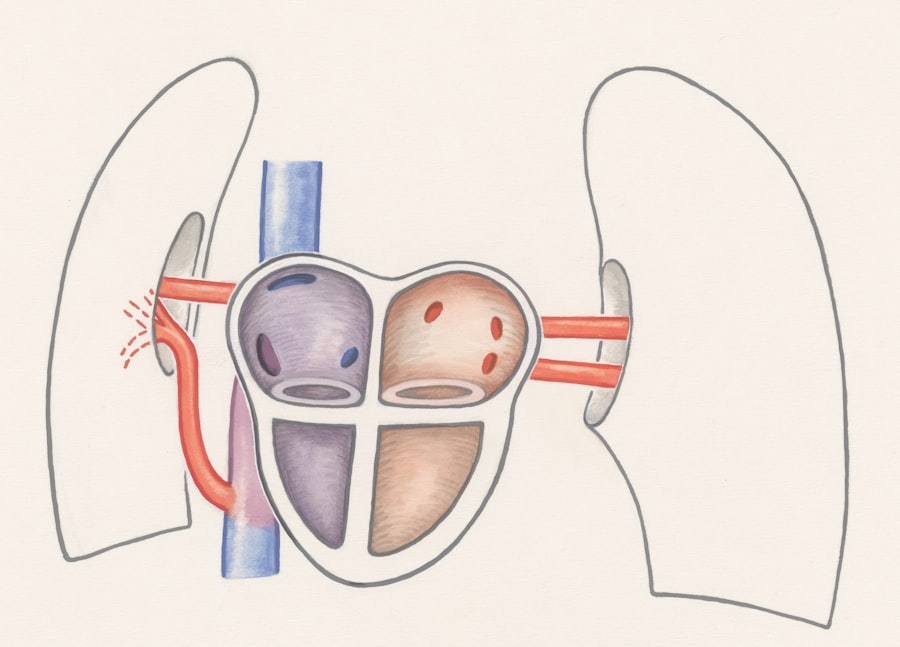
Heart valve replacement has undergone significant innovations over recent years, particularly with the advent of transcatheter techniques. Traditional surgical valve replacement requires open-heart surgery; however, transcatheter heart valve replacement (THVR) offers a less invasive alternative for patients with severe valvular heart disease. The development of bioprosthetic valves has also transformed valve replacement strategies.
These valves are made from biological tissues and are designed to mimic natural valve function while minimizing the risk of thrombosis compared to mechanical valves. The introduction of TAVR has expanded treatment options for patients with aortic stenosis who are at high risk for surgical complications. Furthermore, ongoing research is focused on improving valve durability and function through tissue engineering and regenerative medicine approaches.
Innovations such as 3D-printed valves are being explored as potential solutions for personalized valve replacement tailored to individual patient anatomy.
Breakthroughs in Coronary Artery Bypass Surgery
Coronary artery bypass grafting remains one of the most common surgical procedures performed worldwide for patients with significant coronary artery disease. Recent breakthroughs have enhanced both surgical techniques and postoperative care, leading to improved outcomes. One significant advancement is the use of arterial grafts instead of traditional saphenous vein grafts.
Surgeons are increasingly adopting multi-arterial bypass strategies to optimize blood flow and reduce the risk of graft failure. Additionally, enhanced recovery protocols following CABG have been implemented to expedite patient recovery.
These protocols emphasize early mobilization, pain management strategies, and nutritional support, resulting in shorter hospital stays and improved patient satisfaction.
Emerging Technologies in Electrophysiology Procedures
Electrophysiology procedures focus on diagnosing and treating arrhythmias through catheter-based interventions or surgical approaches.
One notable innovation is the use of three-dimensional mapping systems that allow electrophysiologists to visualize electrical activity within the heart in real-time.
This technology enhances the precision of catheter ablation procedures for conditions such as atrial fibrillation (AF) by enabling targeted ablation of arrhythmogenic foci while minimizing damage to surrounding healthy tissue. Furthermore, advancements in implantable devices such as cardiac resynchronization therapy (CRT) devices have improved outcomes for patients with heart failure and conduction abnormalities. These devices synchronize contractions between the left and right ventricles, enhancing cardiac output and improving quality of life.
Personalized Medicine in Cardiovascular Care
The concept of personalized medicine is gaining traction within cardiovascular care as healthcare providers strive to tailor treatments based on individual patient characteristics. Genetic profiling, biomarker analysis, and advanced imaging techniques are being utilized to develop personalized treatment plans that optimize outcomes. For instance, pharmacogenomics plays a crucial role in determining how patients metabolize medications used in cardiovascular care.
By understanding genetic variations that affect drug metabolism, clinicians can prescribe medications that are more effective while minimizing adverse effects. Additionally, personalized approaches extend to lifestyle modifications as well. Tailored interventions focusing on diet, exercise, and risk factor management can significantly impact cardiovascular health outcomes based on individual patient profiles.
Future Trends in Cardiovascular Procedures
The future of cardiovascular procedures is poised for remarkable advancements driven by technological innovation and research breakthroughs. Artificial intelligence (AI) is expected to play a pivotal role in enhancing diagnostic accuracy through advanced imaging analysis and predictive modeling. Telemedicine is also emerging as a valuable tool in cardiovascular care delivery, allowing remote monitoring of patients with chronic conditions such as heart failure or arrhythmias.
This approach facilitates timely interventions while reducing hospital visits. Moreover, ongoing research into regenerative medicine holds promise for repairing damaged cardiac tissue following myocardial infarction or heart failure. Stem cell therapy and tissue engineering may pave the way for novel treatment options that restore cardiac function at a cellular level.
Conclusion and Implications for Patient Care
In conclusion, cardiovascular procedures have evolved significantly over time, leading to improved patient outcomes through innovative techniques and technologies. Minimally invasive approaches, robotic-assisted surgeries, catheter-based interventions, and personalized medicine are reshaping how cardiovascular diseases are diagnosed and treated. As advancements continue to emerge within this field, healthcare providers must remain vigilant in adopting new practices that enhance patient care while ensuring safety and efficacy.
The integration of cutting-edge technologies alongside personalized treatment strategies will undoubtedly lead to better management of cardiovascular diseases in the future. In summary, ongoing research and innovation will continue to drive improvements in cardiovascular care, ultimately benefiting patients through enhanced treatment options and outcomes tailored to their unique needs.
If you are interested in learning more about cardiovascular procedures, you may also want to check out this article on