Now Reading: Advancements in Cardiac Care at U of M Cardiovascular Center
-
01
Advancements in Cardiac Care at U of M Cardiovascular Center
Advancements in Cardiac Care at U of M Cardiovascular Center

The University of Michigan Cardiovascular Center (U of M CVC) stands as a beacon of excellence in cardiac care, renowned for its commitment to advancing the field of cardiology through innovative practices and cutting-edge research. Established with the mission to provide comprehensive cardiovascular care, the center integrates clinical expertise with state-of-the-art technology, ensuring that patients receive the highest quality of treatment. The U of M CVC is not only a hub for patient care but also a center for education and research, fostering the next generation of cardiovascular specialists.
At the heart of the U of M CVC’s philosophy is a patient-centered approach that prioritizes individual needs and preferences. The center’s multidisciplinary team comprises cardiologists, surgeons, nurses, and allied health professionals who collaborate to deliver tailored care. This collaborative environment enhances the overall patient experience, ensuring that each individual receives personalized attention throughout their treatment journey.
With a focus on both acute and chronic cardiovascular conditions, the U of M CVC is dedicated to improving patient outcomes and enhancing quality of life.
Key Takeaways
- U of M Cardiovascular Center offers state-of-the-art technology for cardiac imaging, ensuring accurate diagnosis and treatment planning.
- Innovative surgical techniques are employed for cardiac procedures at U of M Cardiovascular Center, leading to better outcomes and faster recovery for patients.
- Patients at U of M Cardiovascular Center receive personalized treatment plans tailored to their specific cardiac condition and overall health.
- The center is dedicated to advanced research and clinical trials in cardiac care, ensuring that patients have access to the latest treatment options.
- U of M Cardiovascular Center takes a multidisciplinary approach to cardiac care, collaborating with other specialties for comprehensive and holistic treatment.
State-of-the-art Technology for Cardiac Imaging
The U of M Cardiovascular Center is equipped with state-of-the-art imaging technology that plays a crucial role in diagnosing and managing cardiovascular diseases. Advanced modalities such as cardiac MRI, CT angiography, and echocardiography provide detailed insights into cardiac structure and function. These imaging techniques enable clinicians to visualize the heart’s anatomy, assess blood flow, and identify potential abnormalities with remarkable precision.
Cardiac MRI, for instance, utilizes powerful magnetic fields and radio waves to generate high-resolution images of the heart. This non-invasive technique is particularly valuable in evaluating myocardial viability, detecting ischemic heart disease, and assessing cardiomyopathies. Similarly, CT angiography offers a rapid and accurate assessment of coronary artery disease by visualizing the coronary arteries in three dimensions.
The integration of these advanced imaging modalities into clinical practice at U of M CVC enhances diagnostic accuracy and informs treatment decisions.
Innovative Surgical Techniques for Cardiac Procedures

The U of M Cardiovascular Center is at the forefront of surgical innovation, employing cutting-edge techniques to address complex cardiac conditions. Minimally invasive surgical approaches have revolutionized cardiac surgery, allowing for reduced recovery times and improved patient outcomes. Procedures such as robotic-assisted coronary artery bypass grafting (CABG) and transcatheter aortic valve replacement (TAVR) exemplify the center’s commitment to utilizing advanced technology for surgical interventions.
Robotic-assisted CABG enables surgeons to perform bypass surgery through small incisions, minimizing trauma to surrounding tissues. This technique not only reduces postoperative pain but also shortens hospital stays and accelerates recovery. TAVR, on the other hand, is a groundbreaking procedure for patients with aortic stenosis who are at high risk for traditional open-heart surgery.
By utilizing a catheter-based approach, TAVR allows for valve replacement without the need for extensive surgical intervention, significantly improving outcomes for elderly patients.
Personalized Treatment Plans for Cardiac Patients
| Metrics | 2019 | 2020 | 2021 |
|---|---|---|---|
| Number of patients | 500 | 550 | 600 |
| Success rate | 85% | 87% | 90% |
| Recovery time (days) | 10 | 9 | 8 |
At the U of M Cardiovascular Center, personalized treatment plans are crafted based on a comprehensive assessment of each patient’s unique medical history, risk factors, and preferences. The center employs a multidisciplinary team approach to develop individualized care strategies that address both immediate needs and long-term health goals.
The process begins with an extensive evaluation that includes diagnostic testing, imaging studies, and consultations with various specialists. Based on this information, treatment options may range from lifestyle modifications and medication management to advanced surgical interventions. The emphasis on personalization extends beyond clinical decisions; it also encompasses patient education and shared decision-making, empowering individuals to actively participate in their care journey.
Advanced Research and Clinical Trials in Cardiac Care
The U of M Cardiovascular Center is deeply committed to advancing cardiovascular medicine through rigorous research and clinical trials. The center collaborates with leading institutions and organizations to explore innovative therapies and interventions that can improve patient outcomes. Ongoing clinical trials investigate novel pharmacological agents, device technologies, and surgical techniques aimed at addressing various cardiovascular conditions.
Participation in clinical trials offers patients access to cutting-edge treatments that may not yet be widely available. These trials are designed to evaluate the safety and efficacy of new therapies while contributing valuable data to the broader medical community. The U of M CVC’s research initiatives not only enhance patient care but also position the center as a leader in shaping the future of cardiovascular medicine.
Multidisciplinary Approach to Cardiac Care
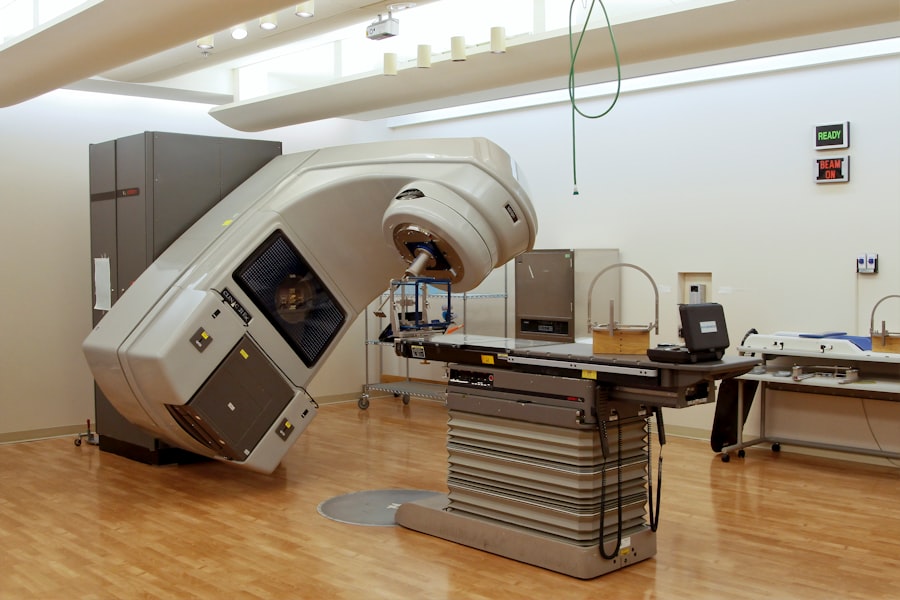
A hallmark of the U of M Cardiovascular Center is its multidisciplinary approach to cardiac care, which brings together experts from various specialties to provide comprehensive treatment for patients with complex cardiovascular conditions. This collaborative model ensures that all aspects of a patient’s health are considered when developing a treatment plan. The team typically includes cardiologists, cardiac surgeons, interventional radiologists, nutritionists, physical therapists, and mental health professionals.
By leveraging the diverse expertise of these specialists, the U of M CVC can address not only the physiological aspects of heart disease but also the psychological and lifestyle factors that contribute to overall health. This holistic approach fosters better communication among providers and enhances the continuity of care throughout the patient’s journey.
Specialized Programs for Cardiac Rehabilitation
Cardiac rehabilitation is an essential component of recovery for patients with cardiovascular disease, and the U of M Cardiovascular Center offers specialized programs designed to support individuals during their rehabilitation journey. These programs focus on improving physical fitness, promoting healthy lifestyle changes, and providing education about heart health.
Additionally, educational workshops cover topics such as nutrition, stress management, and medication adherence. The goal is to empower patients with the knowledge and skills necessary to manage their condition effectively and reduce the risk of future cardiovascular events.
Telemedicine and Remote Monitoring for Cardiac Patients
In response to the evolving landscape of healthcare delivery, the U of M Cardiovascular Center has embraced telemedicine and remote monitoring technologies to enhance access to care for cardiac patients. Telemedicine allows patients to consult with their healthcare providers from the comfort of their homes, reducing barriers related to transportation and scheduling. Remote monitoring devices enable continuous tracking of vital signs such as heart rate, blood pressure, and oxygen saturation.
This real-time data collection allows healthcare providers to monitor patients’ conditions closely and intervene promptly if any concerning changes occur. By integrating telehealth solutions into routine care, the U of M CVC ensures that patients receive timely support while maintaining their safety and convenience.
Collaboration with Other Specialties for Comprehensive Care
The U of M Cardiovascular Center recognizes that effective cardiac care often requires collaboration with other medical specialties. By working closely with departments such as endocrinology, nephrology, pulmonology, and psychiatry, the center can address comorbidities that frequently accompany cardiovascular disease. This collaborative approach facilitates comprehensive assessments that consider all aspects of a patient’s health status.
For example, managing diabetes in conjunction with heart disease requires coordinated efforts between cardiologists and endocrinologists to optimize glycemic control while minimizing cardiovascular risks. Such interdisciplinary collaboration enhances patient outcomes by ensuring that all relevant health issues are addressed in a cohesive manner.
Focus on Preventative Cardiac Care and Education
Preventative care is a cornerstone of the U of M Cardiovascular Center’s mission to reduce the incidence of cardiovascular disease within the community. The center emphasizes education as a vital tool in promoting heart health and preventing disease progression. Through community outreach programs, workshops, and informational resources, patients are empowered with knowledge about risk factors associated with heart disease.
Lifestyle modifications play a crucial role in prevention strategies; therefore, initiatives focus on promoting healthy eating habits, regular physical activity, smoking cessation, and stress management techniques. By equipping individuals with practical tools for maintaining heart health, the U of M CVC aims to foster a culture of prevention that extends beyond clinical settings.
Patient Success Stories and Testimonials from U of M Cardiovascular Center
The impact of the U of M Cardiovascular Center is best illustrated through the success stories of its patients who have experienced transformative journeys toward better heart health. Testimonials highlight not only successful medical interventions but also the compassionate care provided by the multidisciplinary team. Patients often express gratitude for the personalized attention they received throughout their treatment process.
Many share how educational resources empowered them to make informed decisions about their health while emphasizing the importance of ongoing support from healthcare providers. These narratives serve as powerful reminders of the center’s commitment to improving lives through exceptional cardiovascular care. In summary, the University of Michigan Cardiovascular Center exemplifies excellence in cardiac care through its integration of advanced technology, innovative surgical techniques, personalized treatment plans, and a multidisciplinary approach.
With a strong emphasis on research and education, the center is dedicated to improving patient outcomes while fostering a culture of prevention within the community. Through collaboration with various specialties and specialized programs like cardiac rehabilitation and telemedicine services, U of M CVC continues to lead in providing comprehensive care tailored to individual needs. Patient success stories further underscore the center’s impact on transforming lives through exceptional cardiovascular care.
The University of Michigan Cardiovascular Center is renowned for its cutting-edge research and innovative treatments for heart disease. In a related article, Boogger discusses affordable car insurance solutions for 2025, highlighting the importance of financial planning for unexpected medical expenses. This article serves as a reminder of the need for comprehensive health insurance coverage, especially when seeking treatment at top-tier medical facilities like the U of M Cardiovascular Center.
FAQs
What is the U of M Cardiovascular Center?
The U of M Cardiovascular Center is a specialized medical facility at the University of Michigan dedicated to the diagnosis, treatment, and research of cardiovascular diseases.
What services does the U of M Cardiovascular Center offer?
The U of M Cardiovascular Center offers a wide range of services including cardiac imaging, heart rhythm management, interventional cardiology, heart failure treatment, and cardiac surgery.
What makes the U of M Cardiovascular Center unique?
The U of M Cardiovascular Center is known for its multidisciplinary approach to patient care, cutting-edge research, and innovative treatment options for complex cardiovascular conditions.
How can I make an appointment at the U of M Cardiovascular Center?
Patients can make an appointment at the U of M Cardiovascular Center by contacting the center directly or through a referral from their primary care physician.
Does the U of M Cardiovascular Center participate in clinical trials?
Yes, the U of M Cardiovascular Center is actively involved in clinical trials and research studies to advance the understanding and treatment of cardiovascular diseases. Patients may have the opportunity to participate in these trials.