Now Reading: Understanding Different Types of Cancers
-
01
Understanding Different Types of Cancers
Understanding Different Types of Cancers
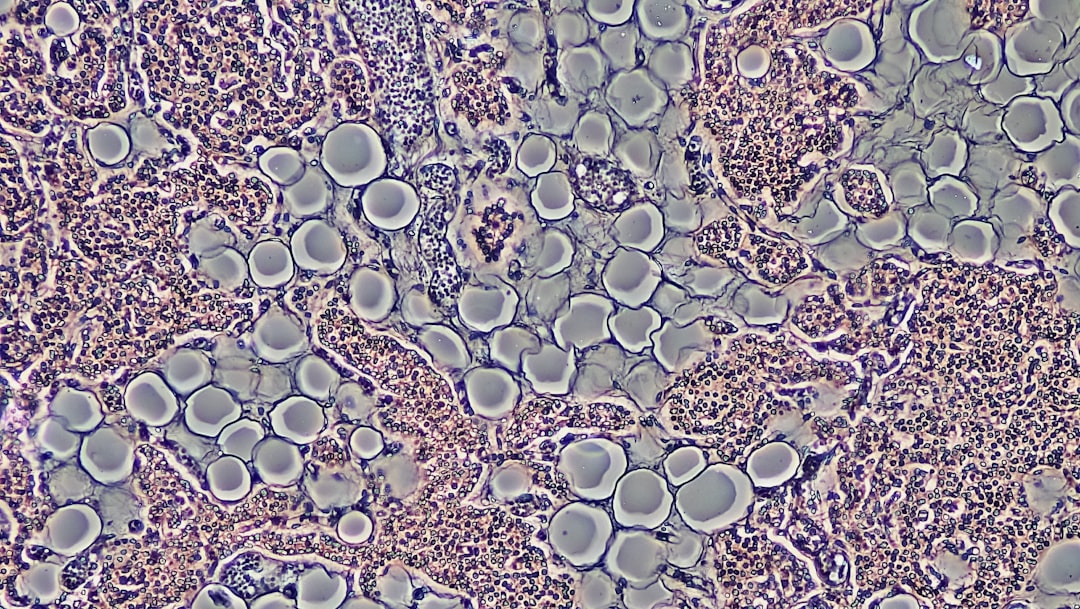
Cancer represents a complex group of diseases characterized by the uncontrolled proliferation of abnormal cells. These cells can invade surrounding tissues and metastasize to distant organs, leading to significant morbidity and mortality. According to the World Health Organization (WHO), cancer is the second leading cause of death globally, accounting for approximately 10 million deaths in 2020 alone.
The pathophysiology of cancer involves a series of genetic mutations that disrupt normal cellular processes, including apoptosis, cell cycle regulation, and DNA repair mechanisms. The etiology of cancer is multifactorial, encompassing genetic predispositions, environmental exposures, lifestyle choices, and infectious agents. For instance, tobacco use is a well-established risk factor for various malignancies, while certain viruses, such as human papillomavirus (HPV) and hepatitis B virus (HBV), are linked to specific cancers.
Understanding the diverse origins and mechanisms of cancer is crucial for developing effective prevention strategies and therapeutic interventions.
Key Takeaways
- Cancer is a complex disease characterized by the uncontrolled growth and spread of abnormal cells.
- Carcinomas are the most common type of cancer, originating in the skin or tissues lining internal organs.
- Leukemias are blood cancers that affect the bone marrow and blood, leading to the overproduction of abnormal white blood cells.
- Lymphomas are cancers of the lymphatic system, which is part of the body’s immune system.
- Sarcomas are rare but dangerous types of cancer that develop in the bones and soft tissues of the body.
Carcinomas: The Most Common Type of Cancer
Carcinomas are the most prevalent form of cancer, originating from epithelial cells that line organs and tissues throughout the body. They account for approximately 80-90% of all cancer diagnoses. The two primary subtypes of carcinomas are adenocarcinomas and squamous cell carcinomas.
Adenocarcinomas arise from glandular tissues, such as those found in the breast, prostate, and colon, while squamous cell carcinomas originate from flat epithelial cells found in the skin and mucous membranes. The risk factors for developing carcinomas include age, exposure to carcinogens (such as tobacco smoke and ultraviolet radiation), and genetic predispositions. Early detection through screening methods like mammography for breast cancer or colonoscopy for colorectal cancer significantly improves prognosis.
Treatment options typically involve a combination of surgery, radiation therapy, and systemic therapies such as chemotherapy or targeted agents.
Leukemias: Understanding Blood Cancer
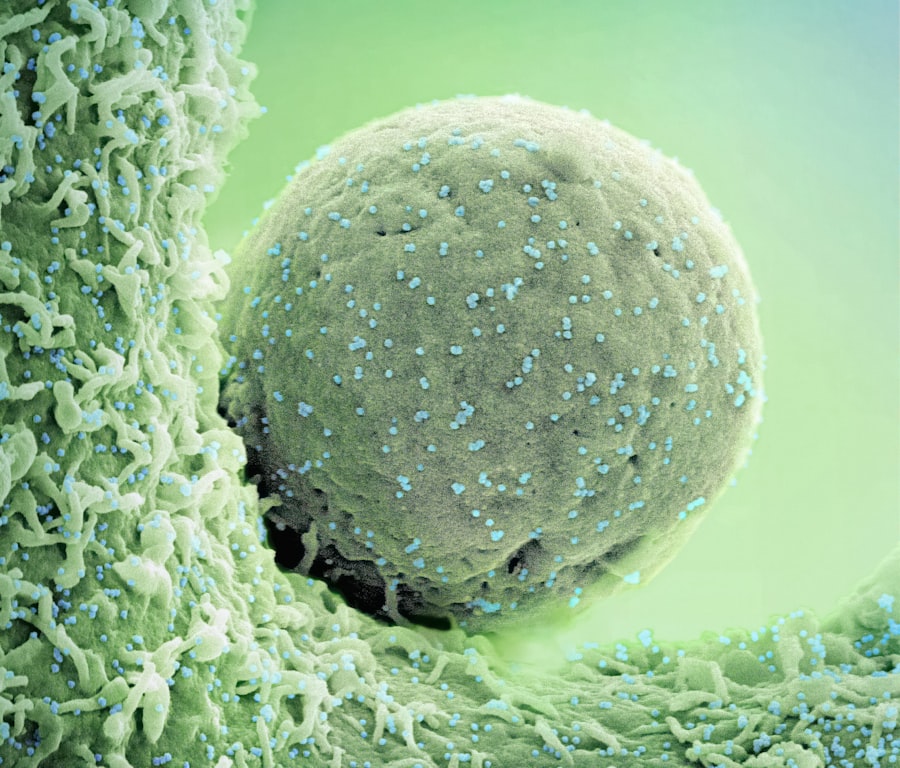
Leukemias are a heterogeneous group of malignancies characterized by the uncontrolled proliferation of hematopoietic stem cells in the bone marrow. This results in an overproduction of abnormal white blood cells that impair normal blood cell function. There are four main types of leukemia: acute lymphoblastic leukemia (ALL), acute myeloid leukemia (AML), chronic lymphocytic leukemia (CLL), and chronic myeloid leukemia (CML).
Acute leukemias progress rapidly and require immediate intervention, while chronic forms may develop more slowly and can often be monitored before treatment is initiated. Risk factors include genetic syndromes, exposure to ionizing radiation, and certain chemical exposures. Treatment modalities vary based on the type and stage of leukemia but often include chemotherapy, targeted therapy, and stem cell transplantation.
The advent of immunotherapy has also revolutionized treatment options for certain leukemias, offering hope for improved outcomes.
Lymphomas: Cancer of the Lymphatic System
| Types of Lymphomas | Incidence Rate | Mortality Rate |
|---|---|---|
| Hodgkin lymphoma | 2.6 per 100,000 people | 0.2 per 100,000 people |
| Non-Hodgkin lymphoma | 19.6 per 100,000 people | 3.4 per 100,000 people |
Lymphomas are malignancies that arise from lymphocytes, a type of white blood cell integral to the immune system. They are broadly classified into two categories: Hodgkin lymphoma (HL) and non-Hodgkin lymphoma (NHL). HL is characterized by the presence of Reed-Sternberg cells, while NHL encompasses a diverse group of lymphoid neoplasms with varying clinical behaviors.
The incidence of lymphomas has been rising, with risk factors including immunosuppression, certain infections (such as Epstein-Barr virus), and exposure to chemicals like pesticides. Symptoms often include lymphadenopathy, fever, night sweats, and unexplained weight loss. Treatment strategies depend on the specific subtype and stage of lymphoma but may involve chemotherapy, radiation therapy, targeted therapies like monoclonal antibodies, and stem cell transplantation.
Sarcomas: Rare but Dangerous Types of Cancer
Sarcomas are a rare group of cancers that originate from mesenchymal tissues, including bone, cartilage, fat, muscle, and vascular tissues. They account for approximately 1% of all adult cancers but can be particularly aggressive. The two main categories are soft tissue sarcomas and bone sarcomas, with numerous subtypes within each category.
Risk factors for sarcomas include genetic syndromes such as Li-Fraumeni syndrome and exposure to radiation or certain chemicals. Symptoms may vary widely depending on the tumor’s location but often include localized pain or swelling. Treatment typically involves surgical resection as the primary modality, often followed by adjuvant therapies such as radiation or chemotherapy to reduce recurrence risk.
Melanomas: Skin Cancer and its Variants
Melanoma is a malignant neoplasm arising from melanocytes, the pigment-producing cells in the skin. It is considered one of the most aggressive forms of skin cancer due to its propensity for metastasis if not detected early. The incidence of melanoma has been increasing globally, with risk factors including excessive sun exposure, fair skin type, family history, and the presence of atypical moles.
Melanoma can be classified into several subtypes based on histological features, including superficial spreading melanoma, nodular melanoma, lentigo maligna melanoma, and acral lentiginous melanoma. Early detection through skin examinations and the ABCDE rule (Asymmetry, Border irregularity, Color variation, Diameter greater than 6mm, Evolving) is crucial for improving outcomes. Treatment options range from surgical excision for localized disease to immunotherapy and targeted therapy for advanced stages.
Understanding Brain and Nervous System Cancers
Cancers of the brain and nervous system encompass a diverse array of tumors that can arise from glial cells (gliomas), neurons (neuroblastomas), or other supporting structures within the central nervous system (CNS). These tumors can be primary (originating in the brain) or secondary (metastatic from other sites).
Symptoms often depend on tumor location but may include headaches, seizures, cognitive changes, and neurological deficits. Risk factors are less well-defined compared to other cancers but may include genetic predispositions and exposure to ionizing radiation. Treatment typically involves surgical resection followed by radiation therapy and chemotherapy; however, due to the blood-brain barrier’s protective nature, delivering systemic therapies can be challenging.
Gastrointestinal Cancers: Colon, Stomach, and Liver Cancer
Gastrointestinal cancers encompass a range of malignancies affecting the digestive tract, including colorectal cancer (CRC), gastric cancer (stomach), and hepatocellular carcinoma (liver). Colorectal cancer is one of the leading causes of cancer-related deaths worldwide; risk factors include age, family history, inflammatory bowel disease, and lifestyle factors such as diet and physical inactivity. Stomach cancer often presents at advanced stages due to vague symptoms like indigestion or weight loss; risk factors include H.
pylori infection and dietary factors. Hepatocellular carcinoma is primarily associated with chronic liver disease due to hepatitis B or C infections or alcohol abuse. Early detection through screening methods like colonoscopy for CRC can significantly improve survival rates; treatment options may include surgery, chemotherapy, targeted therapy, or immunotherapy.
Reproductive System Cancers: Breast, Ovarian, and Prostate Cancer
Reproductive system cancers primarily affect organs associated with reproduction in both males and females. In women, breast cancer is the most common malignancy; risk factors include age, family history (BRCA mutations), hormonal factors, and lifestyle choices. Ovarian cancer is often diagnosed at later stages due to nonspecific symptoms; risk factors include genetic predisposition and endometriosis.
In men, prostate cancer is one of the most frequently diagnosed cancers; risk factors include age, family history, and race. Screening methods such as mammography for breast cancer and prostate-specific antigen (PSA) testing for prostate cancer play critical roles in early detection. Treatment options vary widely based on stage but may involve surgery, radiation therapy, hormone therapy, or chemotherapy.
Understanding Respiratory Cancers: Lung and Throat Cancer
Respiratory cancers primarily include lung cancer and cancers affecting the throat (pharynx and larynx). Lung cancer remains one of the leading causes of cancer-related mortality globally; risk factors predominantly include smoking tobacco exposure and environmental pollutants such as asbestos or radon gas. Lung cancer is classified into two main types: non-small cell lung cancer (NSCLC) and small cell lung cancer (SCLC), each with distinct biological behaviors and treatment approaches.
Throat cancers can arise from squamous cells lining the throat; risk factors include tobacco use and HPV infection. Early detection through imaging studies or biopsies is essential for improving outcomes; treatment options may involve surgery, chemotherapy, radiation therapy, or targeted therapies.
The Importance of Early Detection and Treatment of Cancer
In conclusion, cancer remains a formidable public health challenge that necessitates ongoing research into its prevention, early detection, and treatment strategies. The diversity of cancer types underscores the importance of tailored approaches based on individual patient characteristics and tumor biology. Advances in medical technology have improved diagnostic capabilities while novel therapeutic agents continue to emerge.
Early detection through regular screenings can significantly enhance survival rates across various malignancies. Public health initiatives aimed at reducing risk factors—such as smoking cessation programs—are vital in decreasing incidence rates. Ultimately, a multidisciplinary approach involving oncologists, surgeons, radiologists, pathologists, and supportive care teams is essential for optimizing patient outcomes in this complex disease landscape.
### FAQ Section 1. **What are the main types of cancer?**
– The main types include carcinomas (epithelial origin), leukemias (blood origin), lymphomas (lymphatic system), sarcomas (mesenchymal origin), melanomas (skin), brain tumors (CNS), gastrointestinal cancers (digestive tract), reproductive system cancers (breast/prostate/ovarian), and respiratory cancers (lung/throat). 2.
**What are common risk factors for developing cancer?**
– Common risk factors include age, family history/genetic predisposition (e.g., BRCA mutations), lifestyle choices (tobacco use/alcohol consumption), environmental exposures (radiation/pollutants), infections (HPV/HBV), and obesity. 3. **How can I reduce my risk of developing cancer?**
– Strategies include maintaining a healthy diet rich in fruits/vegetables, engaging in regular physical activity, avoiding tobacco products/alcohol consumption, protecting skin from UV exposure, getting vaccinated against certain viruses (e.g., HPV/HBV), and participating in regular screenings.
**What are some early signs of cancer?**
– Early signs may vary by type but can include unexplained weight loss/gain, persistent fatigue or pain, changes in bowel/bladder habits, unusual bleeding/discharge, lumps or masses in any part of the body. 5.
**What treatments are available for cancer?**
– Treatment options depend on cancer type/stage but may include surgery (tumor removal), chemotherapy (systemic treatment with drugs), radiation therapy (localized treatment using high-energy rays), targeted therapy (drugs targeting specific molecular pathways), immunotherapy (boosting immune response against tumors). 6. **Is there a cure for cancer?**
– While some cancers can be cured with early detection/treatment (e.g., localized breast/prostate cancers), others may be managed as chronic conditions with ongoing treatment aimed at prolonging life/quality of life.
7. **What role does genetics play in cancer?**
– Genetic mutations can predispose individuals to certain cancers; hereditary syndromes like Lynch syndrome increase colorectal cancer risk while BRCA mutations elevate breast/ovarian cancer risk. 8.
**How often should I get screened for cancer?**
– Screening recommendations vary by age/gender/risk factors; general guidelines suggest mammograms starting at age 40-50 for women; colonoscopies beginning at age 45-50 for both genders; PSA testing discussions should start at age 50 for men. 9. **What support resources are available for cancer patients?**
– Numerous resources exist including support groups (in-person/online), counseling services for emotional support/navigating treatment decisions; organizations like American Cancer Society provide educational materials/funding assistance.
10. **What advancements are being made in cancer research?**
– Ongoing research focuses on personalized medicine approaches using genomic profiling to tailor treatments; advancements in immunotherapy have shown promise in various malignancies; clinical trials continue to explore novel agents/therapies. In summary, understanding the multifaceted nature of cancer—from its various types to prevention strategies—empowers individuals to take proactive steps toward health management while fostering hope through advancements in medical science.
If you are interested in learning more about the latest advancements in cancer research and treatment, check out the article Forecast for AMZN Stock Quote and Price in 2025. This article discusses the potential future outlook for Amazon’s stock price, but it also highlights the importance of investing in companies that are making a difference in the fight against cancer. By staying informed about the financial side of healthcare and biotech industries, you can better understand how these sectors are working to combat various types of cancers.
FAQs
What are the different types of cancers?
There are over 100 different types of cancers, which can be categorized based on the type of cells they originate from. Some common types include breast cancer, lung cancer, prostate cancer, skin cancer, and leukemia.
What are the most common types of cancers?
The most common types of cancers vary by region and demographics, but globally, the most common types include lung cancer, breast cancer, colorectal cancer, prostate cancer, and stomach cancer.
Are there rare types of cancers?
Yes, there are rare types of cancers that are less common and may not receive as much attention or research funding. Examples of rare cancers include mesothelioma, sarcoma, and pancreatic neuroendocrine tumors.
Can cancers be classified based on their aggressiveness?
Yes, cancers can be classified as either benign or malignant. Benign tumors are non-cancerous and do not spread to other parts of the body, while malignant tumors are cancerous and have the potential to spread and invade other tissues.
Do different types of cancers require different treatment approaches?
Yes, different types of cancers may require different treatment approaches based on factors such as the location of the cancer, its stage, and its aggressiveness. Treatment options may include surgery, chemotherapy, radiation therapy, immunotherapy, and targeted therapy.