
Now Reading: Tragic Indianapolis Shooting: Community in Shock
-
01
Tragic Indianapolis Shooting: Community in Shock
Tragic Indianapolis Shooting: Community in Shock

On a fateful day in Indianapolis, a shooting incident unfolded that would leave an indelible mark on the community. The event, characterized by its suddenness and brutality, resulted in multiple casualties, shaking the very foundation of a city known for its resilience and unity. As news broke, the harrowing details began to emerge, revealing a scene of chaos and heartbreak.
Families were torn apart, and lives were irrevocably changed in an instant. The tragedy not only claimed lives but also instigated a wave of fear and uncertainty among residents, prompting urgent discussions about safety and security. The aftermath of the shooting saw an outpouring of grief and disbelief.
Vigils were held, and memorials sprang up in honor of the victims, serving as poignant reminders of the lives lost. The community grappled with the emotional toll of such violence, as individuals sought to comprehend the senselessness of the act. This incident was not merely a statistic; it represented real people with dreams, aspirations, and loved ones left behind.
Key Takeaways
- The Indianapolis shooting is a devastating tragedy that has deeply impacted the local community.
- The shooting incident details are still being investigated, but it has already had a profound effect on the community.
- Local officials and leaders have reacted with shock and grief, and are working to provide support and resources for the affected community.
- Addressing the issue of gun violence is a crucial step in preventing future tragedies and promoting healing and unity.
- It is important to prioritize mental health support and resources for the affected community in the wake of this tragedy.
The Impact on the Local Community
The repercussions of the Indianapolis shooting reverberated throughout the local community, affecting individuals from all walks of life. Families directly impacted by the tragedy faced unimaginable grief, while friends and neighbors struggled to process their emotions. The psychological impact extended beyond those immediately involved; it permeated schools, workplaces, and social circles, creating an atmosphere of anxiety and fear.
Community members found themselves questioning their safety and the security of their loved ones, leading to heightened vigilance and concern. Moreover, the incident sparked conversations about gun violence and its prevalence in society. Local organizations and advocacy groups began to mobilize, calling for action to address the root causes of such violence.
The community’s response highlighted a collective desire for change, as residents sought to reclaim their sense of safety and security. This tragedy served as a catalyst for dialogue about mental health resources, conflict resolution strategies, and community engagement initiatives aimed at preventing future incidents.
Details of the Shooting Incident
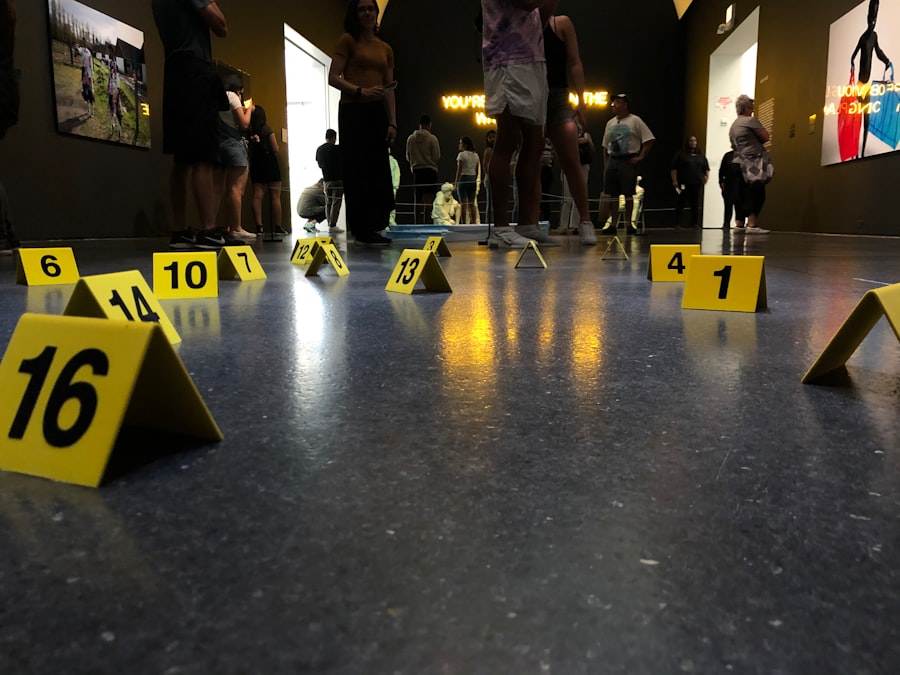
The shooting incident unfolded in a public space, where individuals had gathered for what was meant to be a peaceful day. Eyewitness accounts described a scene filled with confusion and terror as gunfire erupted unexpectedly. First responders arrived swiftly, working tirelessly to provide aid to those injured and to secure the area. The chaos that ensued was palpable, with sirens blaring and people fleeing in panic.
As law enforcement began their investigation, details emerged about the shooter’s background and motivations, raising questions about mental health and access to firearms. In the days following the incident, authorities released information regarding the number of victims and their conditions. Tragically, several individuals succumbed to their injuries, while others faced long-term physical and emotional challenges as a result of the attack.
The community was left grappling with the stark reality that such violence could occur in their midst, prompting discussions about preventive measures and the need for comprehensive gun control policies.
Reactions from Local Officials and Leaders
| Official/Leader | Reaction |
|---|---|
| Mayor | Expressed concern and called for immediate action |
| Police Chief | Stated commitment to investigating the issue |
| City Council Member | Called for emergency meeting to address the situation |
Local officials and community leaders responded swiftly to the tragedy, expressing their condolences and solidarity with those affected. Statements from city officials emphasized the importance of coming together as a community during such trying times. Many leaders called for unity and resilience, urging residents to support one another in their grief.
Public forums were organized to facilitate open dialogue about safety concerns and potential solutions to prevent future violence. In addition to expressing sympathy, local leaders took proactive steps to address the issue of gun violence. They convened meetings with law enforcement agencies, mental health professionals, and community organizations to discuss strategies for enhancing public safety.
These discussions included exploring legislative measures aimed at regulating firearm access and promoting responsible gun ownership. The commitment from local officials to tackle this pressing issue demonstrated a recognition that change was necessary to foster a safer environment for all residents.
Support and Resources for the Affected Community
In the wake of the shooting, various support systems were established to assist those impacted by the tragedy. Mental health professionals mobilized to provide counseling services for individuals grappling with trauma and grief. Community centers opened their doors to offer safe spaces for residents to gather, share their experiences, and seek solace in one another’s company.
These resources were crucial in helping individuals process their emotions and begin the healing journey. Additionally, local organizations launched fundraising efforts to support victims’ families and cover medical expenses for those injured in the shooting. The outpouring of generosity from community members highlighted a collective commitment to supporting one another during difficult times.
Fundraisers not only provided financial assistance but also fostered a sense of solidarity among residents as they came together to honor those affected by the tragedy.
Addressing the Issue of Gun Violence
The Indianapolis shooting reignited discussions about gun violence on both local and national levels. Advocates for gun control emphasized the need for comprehensive reforms aimed at reducing access to firearms for individuals deemed a risk to themselves or others. This included calls for universal background checks, waiting periods for firearm purchases, and restrictions on high-capacity magazines.
The conversation surrounding gun violence also encompassed discussions about mental health resources, recognizing that addressing underlying issues could play a significant role in preventing future tragedies. Community leaders began collaborating with advocacy groups to develop educational programs focused on responsible gun ownership and conflict resolution strategies. These initiatives aimed to empower individuals with knowledge about safe practices while fostering a culture of non-violence within communities.
By addressing both legislative measures and educational efforts, stakeholders sought to create a multifaceted approach to combatting gun violence effectively.
Healing and Moving Forward as a Community
As time passed following the shooting incident, the community began to focus on healing and rebuilding. Support groups emerged, providing safe spaces for individuals to share their stories and connect with others who had experienced similar trauma.
Community events were organized to promote resilience, encouraging residents to come together in solidarity while honoring the memory of those lost. Moreover, local leaders emphasized the importance of long-term recovery efforts that extended beyond immediate support services. Initiatives aimed at enhancing community cohesion were implemented, including neighborhood watch programs and youth engagement activities designed to foster positive relationships among residents.
By prioritizing healing and connection, the community sought not only to recover from this tragedy but also to emerge stronger than before.
The Importance of Mental Health Support
The psychological impact of such traumatic events cannot be overstated; therefore, mental health support emerged as a critical component of recovery efforts in Indianapolis. Mental health professionals emphasized the need for accessible resources tailored specifically for those affected by gun violence. This included trauma-informed care approaches that recognized the unique challenges faced by survivors and their families.
Community workshops focused on coping strategies were organized to equip individuals with tools for managing anxiety, depression, and post-traumatic stress disorder (PTSD). Additionally, partnerships with local schools ensured that students received appropriate support as they navigated their emotions in response to the tragedy. By prioritizing mental health resources, stakeholders aimed to foster resilience within the community while addressing the long-term effects of trauma.
Solidarity and Unity in the Face of Tragedy
In times of crisis, communities often find strength in solidarity. The Indianapolis shooting served as a poignant reminder of this truth as residents rallied together in support of one another. Vigils held in memory of victims became symbols of hope amidst despair, showcasing an unwavering commitment to unity despite overwhelming grief.
Community members shared stories of love and resilience that transcended individual loss. Local businesses also played a vital role in demonstrating solidarity by donating proceeds from sales or hosting fundraising events dedicated to supporting victims’ families. This collective effort underscored how communities can come together during challenging times—transforming sorrow into action while honoring those affected by tragedy.
Preventing Future Tragedies
Preventing future tragedies requires a multifaceted approach that encompasses legislative action, community engagement initiatives, and education on responsible firearm ownership practices. Advocacy groups continue pushing for comprehensive gun control measures at both state and national levels while emphasizing mental health resources as integral components of prevention strategies. Community leaders are encouraged to foster open dialogues about safety concerns within neighborhoods—creating environments where residents feel empowered to report suspicious activities or seek assistance when needed.
By prioritizing proactive measures alongside legislative reforms aimed at reducing access to firearms among high-risk individuals, communities can work towards creating safer environments for all residents.
Honoring the Victims and Their Families
As Indianapolis continues its journey toward healing following this tragic event, honoring victims’ memories remains paramount within community efforts moving forward. Memorials dedicated to those lost serve not only as reminders but also as calls-to-action—encouraging ongoing conversations about gun violence prevention while fostering unity among residents. Community events celebrating life—such as art exhibits showcasing works created by survivors or family members—provide opportunities for expression while honoring legacies left behind by victims.
By ensuring that their stories are told—and that lessons learned from this tragedy inform future actions—communities can strive toward creating lasting change while keeping memories alive. In summary, the Indianapolis shooting represents a profound tragedy that has impacted countless lives within its community. As residents navigate grief together while seeking solutions for preventing future violence through advocacy efforts focused on mental health support—there lies hope amidst sorrow—a testament to resilience found within unity during times of crisis.
The recent Indianapolis shooting has once again brought attention to the issue of gun violence in America. According to a related article on boogger.com, Christmas Day should be a time for joy and celebration, but for the families of the victims in Indianapolis, it was a day of tragedy and loss. This heartbreaking event serves as a reminder of the urgent need for gun control measures to prevent such senseless acts of violence in the future.
FAQs
What happened in the Indianapolis shooting?
On April 15, 2021, a gunman opened fire at a FedEx facility in Indianapolis, Indiana, killing eight people and injuring several others before taking his own life.
Who was the gunman in the Indianapolis shooting?
The gunman was identified as 19-year-old Brandon Scott Hole, a former employee at the FedEx facility.
What was the motive behind the Indianapolis shooting?
The motive behind the shooting is still under investigation, and authorities have not yet determined a clear motive for the attack.
What is the current status of the investigation into the Indianapolis shooting?
The investigation into the Indianapolis shooting is ongoing, with law enforcement agencies working to gather evidence and determine the circumstances surrounding the attack.
What measures have been taken to support the victims and their families?
Local authorities, community organizations, and the company have been providing support to the victims and their families, including counseling services and financial assistance.
What is being done to prevent similar incidents in the future?
Following the shooting, there have been discussions about implementing stricter gun control measures and improving workplace safety protocols to prevent similar incidents from occurring in the future.


