Now Reading: Discover the Charm of Austria: A Traveler’s Guide
-
01
Discover the Charm of Austria: A Traveler’s Guide
Discover the Charm of Austria: A Traveler’s Guide
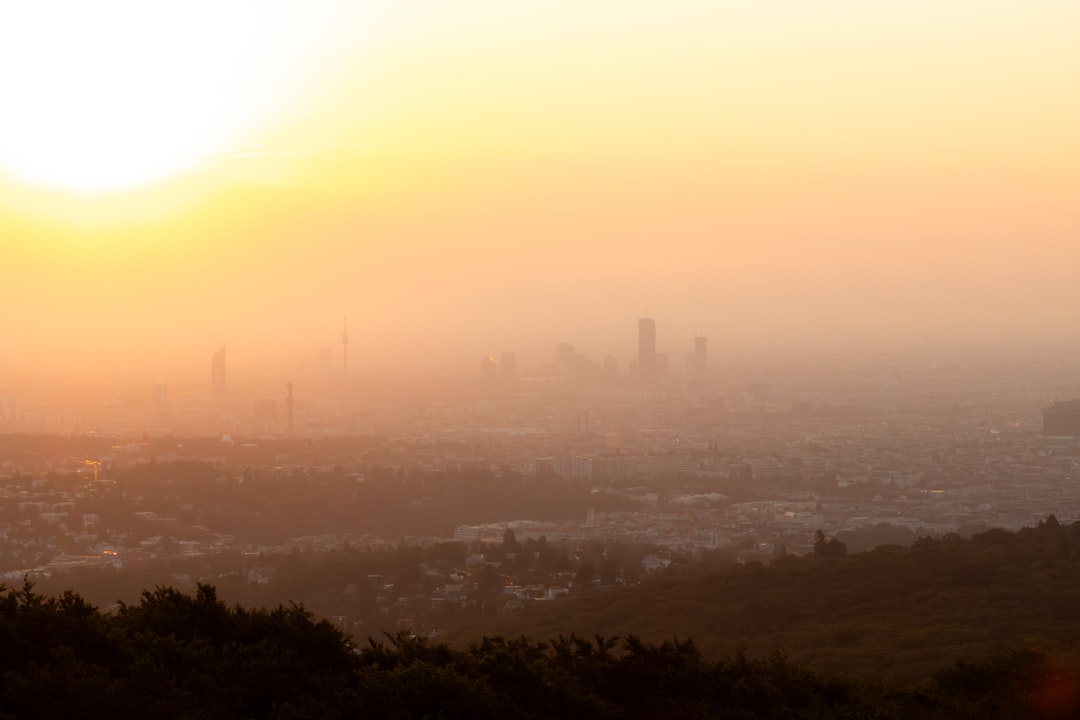
Austria, a landlocked country nestled in the heart of Europe, is renowned for its stunning landscapes, rich history, and vibrant culture. Bordered by eight countries, including Germany, Czech Republic, and Italy, Austria serves as a cultural crossroads that has influenced and been influenced by its neighbors. The nation boasts a diverse topography, from the majestic peaks of the Alps to the serene Danube River, making it a haven for nature lovers and adventure seekers alike.
With a population of approximately 9 million people, Austria is characterized by its high standard of living, excellent public services, and a strong commitment to environmental sustainability.
Austria’s historical significance is underscored by its role as the birthplace of many influential figures in music, philosophy, and science.
The country has produced luminaries such as Wolfgang Amadeus Mozart, Ludwig van Beethoven, and Sigmund Freud, whose legacies continue to shape global culture. As travelers embark on their journey through Austria, they will discover a nation that harmoniously blends tradition with modernity, offering an array of experiences that cater to diverse interests.
Key Takeaways
- Austria is a beautiful country located in the heart of Europe, known for its rich history, stunning landscapes, and vibrant culture.
- Top destinations in Austria include Vienna, Salzburg, Innsbruck, and the picturesque Austrian Alps, offering a mix of historical landmarks, natural beauty, and cultural experiences.
- Austrian cuisine is a delightful blend of flavors, with must-try dishes such as Wiener Schnitzel, Sachertorte, and Apfelstrudel, along with a variety of local wines and beers.
- Austrian culture and traditions are deeply rooted in music, art, and folklore, with the country’s classical music heritage and traditional festivals being major highlights.
- Outdoor activities in Austria are abundant, from skiing and snowboarding in the winter to hiking, cycling, and water sports in the summer, making it a paradise for nature lovers and adventure seekers.
Top Destinations in Austria
Austria is home to numerous destinations that captivate visitors with their unique charm and beauty. One of the most iconic locations is Salzburg, the birthplace of Mozart and a city steeped in Baroque architecture. The Hohensalzburg Fortress looms over the cityscape, providing panoramic views of the surrounding mountains and the Salzach River.
Visitors can explore the Mirabell Palace and Gardens, which are renowned for their exquisite landscaping and historical significance. Another must-visit destination is Innsbruck, nestled in the Tyrolean Alps. This picturesque city is famous for its winter sports facilities and stunning alpine scenery.
The Golden Roof (Goldenes Dachl), adorned with 2,738 fire-gilded copper tiles, is a symbol of Innsbruck’s rich history. The nearby Nordkette mountain range offers opportunities for skiing in winter and hiking in summer, making it a year-round destination for outdoor enthusiasts. Vienna stands out as a cultural epicenter with its grand palaces such as Schönbrunn and Belvedere.
The Vienna State Opera is a world-renowned institution that attracts music lovers from around the globe. The city’s historic center is a UNESCO World Heritage site, showcasing architectural masterpieces like St. Stephen’s Cathedral and the Hofburg Palace.
Each of these destinations offers a unique glimpse into Austria’s heritage and natural beauty.
Exploring Austrian Cuisine

Austrian cuisine is a delightful fusion of flavors influenced by various cultures throughout history. Traditional dishes often feature hearty ingredients such as potatoes, dumplings, and meats, reflecting the agricultural richness of the region. One of the most famous dishes is Wiener Schnitzel, a breaded veal cutlet that is typically served with potato salad or lingonberry sauce.
This iconic meal embodies the essence of Austrian comfort food. Another culinary highlight is Sachertorte, a decadent chocolate cake layered with apricot jam and topped with dark chocolate icing. This dessert originated in Vienna and has become synonymous with Austrian gastronomy.
Visitors can indulge in this sweet treat at the Hotel Sacher, where it was first created in 1832.
In the summer months, fresh vegetables and herbs take center stage, while winter menus often feature hearty stews and roasted meats. Wine lovers will appreciate Austria’s burgeoning wine industry, particularly its white wines made from Grüner Veltliner grapes. Exploring local markets and dining establishments provides an authentic taste of Austria’s culinary heritage.
Austrian Culture and Traditions
| Aspect | Description |
|---|---|
| Traditional Clothing | Dirndl for women and Lederhosen for men are traditional Austrian clothing. |
| Music | Austria is known for its classical music, with famous composers like Mozart and Strauss. |
| Food | Traditional Austrian dishes include Wiener Schnitzel, Apfelstrudel, and Sachertorte. |
| Christmas Markets | Austria is famous for its festive Christmas markets, offering traditional crafts and treats. |
| Alpine Folklore | Austrian folklore includes stories of alpine creatures like the Krampus and Perchten. |
Austrian culture is deeply rooted in its historical legacy and diverse influences from neighboring countries. The nation celebrates a rich tapestry of traditions that reflect its regional diversity. Music plays a pivotal role in Austrian culture; classical music concerts are held regularly in grand venues across the country.
The Vienna Philharmonic Orchestra is one of the most prestigious orchestras globally, known for its New Year’s Concert that attracts millions of viewers each year. Festivals are an integral part of Austrian life, showcasing traditional customs and local craftsmanship. The Advent season brings Christmas markets to life with festive decorations, handcrafted ornaments, and mulled wine.
In Tyrol, the Almabtrieb festival marks the return of cattle from summer pastures to their winter barns, featuring colorful parades and lively folk music. Austrian folk dances are another cherished aspect of cultural expression. The Schuhplattler dance involves rhythmic clapping and stomping while wearing traditional attire known as Tracht.
These dances are often performed during local celebrations and provide insight into the community’s heritage. Engaging with these cultural practices allows visitors to appreciate Austria’s vibrant identity.
Outdoor Activities in Austria
Austria’s diverse landscapes offer an abundance of outdoor activities for adventure enthusiasts year-round. The majestic Alps provide a playground for skiing and snowboarding during winter months. Resorts such as St. Anton am Arlberg and Kitzbühel are renowned for their world-class slopes and après-ski culture. Skiing enthusiasts can enjoy over 7,000 kilometers of groomed trails across various regions. In warmer months, hiking trails abound throughout the country, catering to all skill levels. The Salzkammergut region features picturesque lakes surrounded by mountains, making it an ideal destination for hiking and swimming. The Eagle Walk (Adlerweg) is a long-distance hiking trail that spans 413 kilometers through Tyrol’s breathtaking landscapes. Cycling is another popular activity in Austria, with well-marked bike paths connecting cities and scenic routes along rivers such as the Danube. The Danube Cycle Path offers cyclists an opportunity to explore charming towns while enjoying stunning views of vineyards and rolling hills. Whether it’s skiing down powdery slopes or cycling along serene riversides, Austria provides endless opportunities for outdoor exploration.
Austrian Architecture and Landmarks
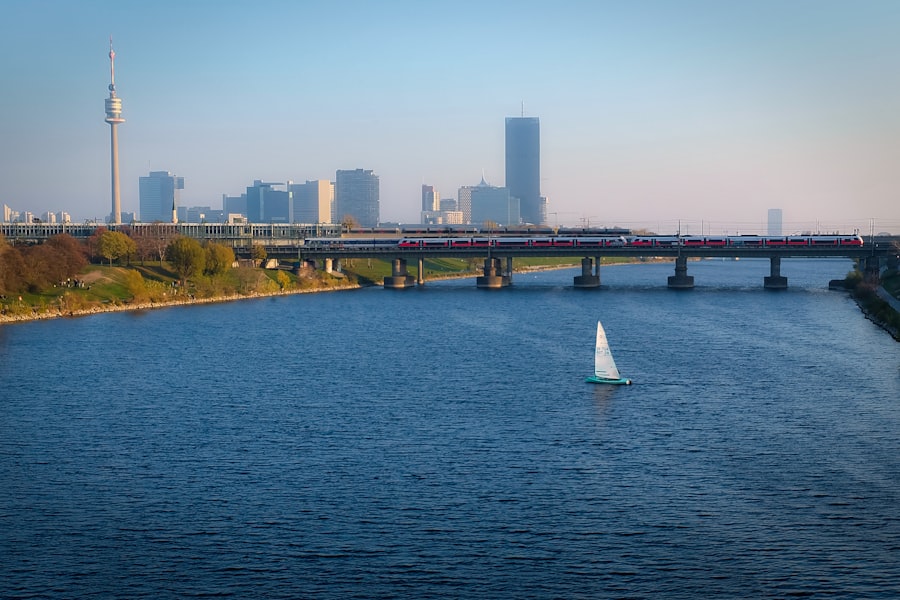
Austria’s architectural landscape is a testament to its rich history and artistic heritage. From Gothic cathedrals to Baroque palaces, the country’s landmarks reflect various architectural styles that have evolved over centuries. St. Stephen’s Cathedral in Vienna is a prime example of Gothic architecture with its intricate spires and stunning stained glass windows. The Schönbrunn Palace stands as a symbol of imperial grandeur, showcasing Baroque architecture at its finest. This UNESCO World Heritage site features beautifully landscaped gardens and opulent rooms that once housed Habsburg royalty. Visitors can explore the palace’s rich history through guided tours that highlight its significance in Austrian culture. In contrast to historical structures, contemporary architecture also flourishes in Austria’s urban centers. The Kunsthaus Graz, designed by Peter Cook and Colin Fournier, exemplifies modern design with its organic shapes and innovative use of materials. This juxtaposition of old and new creates a dynamic architectural landscape that captivates visitors.
Transportation in Austria
Austria boasts an efficient transportation system that facilitates seamless travel throughout the country. The extensive railway network connects major cities such as Vienna, Salzburg, and Innsbruck, making train travel a convenient option for tourists. ÖBB (Austrian Federal Railways) offers comfortable trains with scenic routes that allow passengers to enjoy breathtaking views of the countryside.
Public transportation within cities is equally efficient, with trams, buses, and metro systems providing easy access to various attractions. Vienna’s public transport system is particularly well-developed, offering an integrated network that includes U-Bahn (subway), trams, and buses. For those who prefer driving, Austria’s well-maintained roadways make it easy to explore rural areas and picturesque villages.
However, it’s essential to be aware of local traffic regulations and parking restrictions in urban centers. Additionally, many cities encourage cycling as an eco-friendly mode of transportation, with dedicated bike lanes available for cyclists.
Shopping and Souvenirs in Austria
Shopping in Austria offers a delightful blend of traditional craftsmanship and modern retail experiences. Visitors can explore bustling markets where artisans showcase handmade goods such as ceramics, textiles, and jewelry. The Naschmarkt in Vienna is a vibrant food market where locals gather to purchase fresh produce, spices, and gourmet delicacies.
For those seeking unique souvenirs, traditional items like Tyrolean hats (Tirolerhut) or hand-carved wooden figurines make excellent mementos of one’s visit to Austria. Additionally, Austrian crystal products from brands like Swarovski are highly sought after for their exquisite craftsmanship. In urban centers like Vienna and Salzburg, luxury boutiques coexist with charming shops selling local products.
Visitors can find everything from high-end fashion to artisanal chocolates while immersing themselves in the local shopping culture.
Austrian Festivals and Events
Austria hosts a plethora of festivals throughout the year that celebrate its rich cultural heritage and traditions. One of the most famous events is the Vienna Opera Ball held annually at the Vienna State Opera. This glamorous event attracts celebrities from around the world who don formal attire for an evening filled with music and dance.
The Salzburg Festival is another highlight on Austria’s cultural calendar, showcasing opera performances, concerts, and theatrical productions in stunning venues across the city. This prestigious festival draws artists and audiences alike who appreciate high-quality performances in an enchanting setting. In addition to these grand events, local festivals celebrate regional customs such as harvest festivals or traditional fairs featuring folk music and dance performances.
Engaging with these festivities provides visitors with an authentic experience of Austrian culture while fostering connections with local communities.
Tips for Traveling in Austria
Traveling through Austria can be an enriching experience when equipped with helpful tips for navigating the country effectively. First and foremost, learning basic German phrases can enhance communication with locals who may not speak English fluently. Simple greetings or expressions of gratitude go a long way in fostering positive interactions.
When planning an itinerary, consider purchasing an Austrian Travel Pass that offers unlimited travel on public transportation across various regions for a set duration. This pass can save both time and money while allowing travelers to explore multiple destinations conveniently. Additionally, be mindful of local customs such as dining etiquette; it’s customary to wait until everyone at the table has been served before starting your meal.
Tipping is appreciated but not obligatory; rounding up the bill or leaving small change is generally sufficient. Lastly, embrace Austria’s outdoor lifestyle by dressing appropriately for seasonal activities—layering clothing during colder months ensures comfort while exploring alpine regions or participating in winter sports.
Embracing the Charm of Austria
In conclusion, Austria presents an enchanting blend of natural beauty, rich history, vibrant culture, and culinary delights that captivate travelers from around the globe. From exploring iconic landmarks like Schönbrunn Palace to indulging in traditional dishes such as Wiener Schnitzel or Sachertorte—each experience contributes to an unforgettable journey through this remarkable country. As visitors traverse through picturesque towns nestled amidst breathtaking landscapes or immerse themselves in lively festivals celebrating local traditions—Austria reveals its charm at every turn.
Whether seeking adventure in the Alps or indulging in cultural experiences within bustling cities—Austria invites exploration while leaving lasting memories etched in one’s heart. Ultimately embracing all that this beautiful nation has to offer ensures an enriching travel experience filled with discovery—making Austria a destination worth cherishing long after departure.
If you are planning a trip to Austria, you may want to consider getting personalized Christmas ornaments as a souvenir to remember your holiday. These ornaments can be a perfect holiday gift for yourself or loved ones back home. Check out this article on personalized Christmas ornaments for more ideas on how to make your trip to Austria even more memorable.
FAQs
What is the capital of Austria?
The capital of Austria is Vienna.
What is the official language of Austria?
The official language of Austria is German.
What is the currency used in Austria?
The currency used in Austria is the Euro (EUR).
What are some popular tourist attractions in Austria?
Some popular tourist attractions in Austria include the historic city of Salzburg, the Schönbrunn Palace in Vienna, the Hohensalzburg Fortress, and the ski resorts in the Austrian Alps.
What is the climate like in Austria?
Austria has a temperate continental climate, with cold winters and warm summers. The climate can vary depending on the region, with the Alpine region experiencing colder temperatures and more snowfall.
What are some traditional Austrian dishes?
Some traditional Austrian dishes include Wiener Schnitzel (breaded and fried veal cutlet), Apfelstrudel (apple strudel), Sachertorte (chocolate cake), and Kaiserschmarrn (shredded pancake).
What is the population of Austria?
As of 2021, the population of Austria is estimated to be around 8.9 million people.