Now Reading: The Future of Air Power: The F35 Revolution
-
01
The Future of Air Power: The F35 Revolution
The Future of Air Power: The F35 Revolution
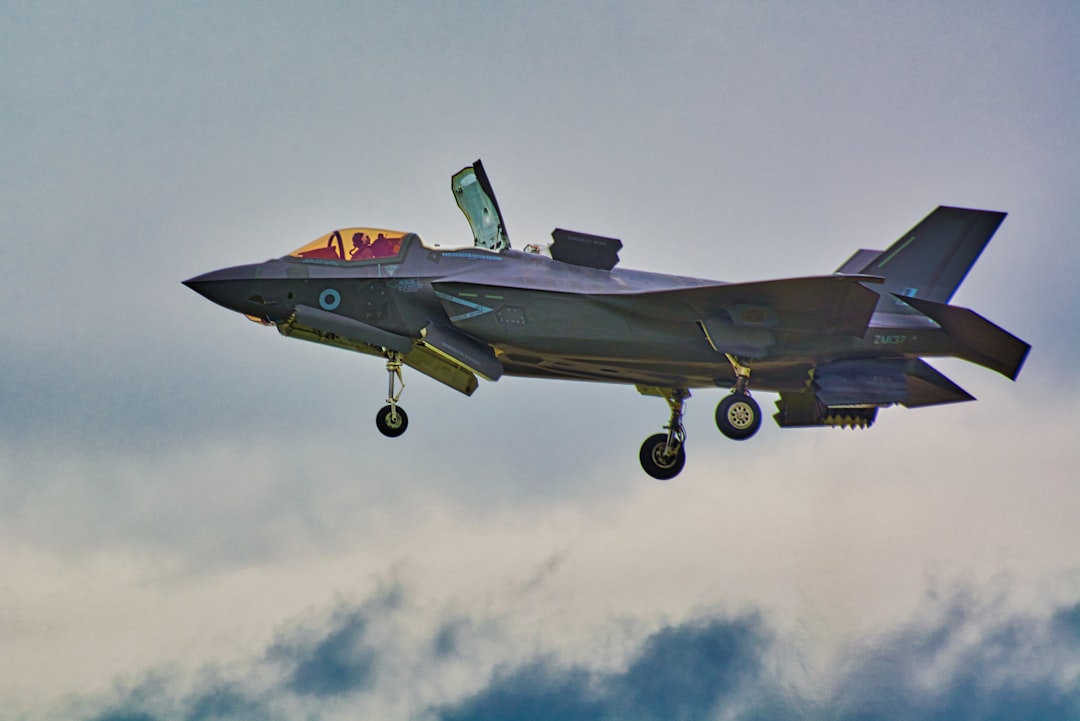
The F-35 Lightning II, developed by Lockheed Martin, represents a significant leap in military aviation technology, marking a revolution in air combat capabilities. This fifth-generation multirole stealth fighter is designed to perform a variety of missions, including air-to-air combat, air-to-ground strikes, and intelligence, surveillance, and reconnaissance (ISR) operations. The F-35 program, initiated in the late 1990s, aimed to create a versatile aircraft that could meet the needs of multiple branches of the U.S.
military and allied nations. With its advanced technology and capabilities, the F-35 is poised to redefine air power in the 21st century. The introduction of the F-35 has not only transformed the landscape of aerial warfare but has also influenced military strategies worldwide.
As nations invest in advanced fighter jets, the F-35 stands out due to its unique combination of stealth, speed, and agility. This aircraft is designed to operate in contested environments, where traditional fighters may struggle to survive. The F-35’s ability to gather and share real-time data enhances situational awareness for pilots and ground forces alike, making it a game-changer in modern military operations.
Key Takeaways
- The F35 is a revolutionary aircraft that has transformed air power strategy.
- The development and design of the F35 involved cutting-edge technology and collaboration between multiple countries.
- The F35’s capabilities and advantages include stealth, advanced sensors, and multi-role capabilities.
- The integration of the F35 into air force operations has enhanced combat effectiveness and mission success.
- The F35 has had a significant impact on air power strategy, modern warfare, and the future of air power.
The Development and Design of the F35
The development of the F-35 began with the Joint Strike Fighter (JSF) program, which sought to create a family of aircraft capable of fulfilling various roles for the U.S. Air Force, Navy, and Marine Corps. The design process involved extensive research and collaboration among multiple defense contractors and international partners.
The F-35 features three distinct variants: the F-35A for conventional takeoff and landing (CTOL), the F-35B for short takeoff and vertical landing (STOVL), and the F-35C for carrier operations. The design of the F-35 incorporates advanced materials and technologies that enhance its stealth capabilities. The aircraft’s shape minimizes radar cross-section, while its composite materials reduce weight and improve performance.
Additionally, the F-35 is equipped with cutting-edge avionics and sensor systems that provide pilots with unparalleled situational awareness. The cockpit features a large touchscreen display that integrates data from various sensors, allowing pilots to make informed decisions quickly.
The Capabilities and Advantages of the F35
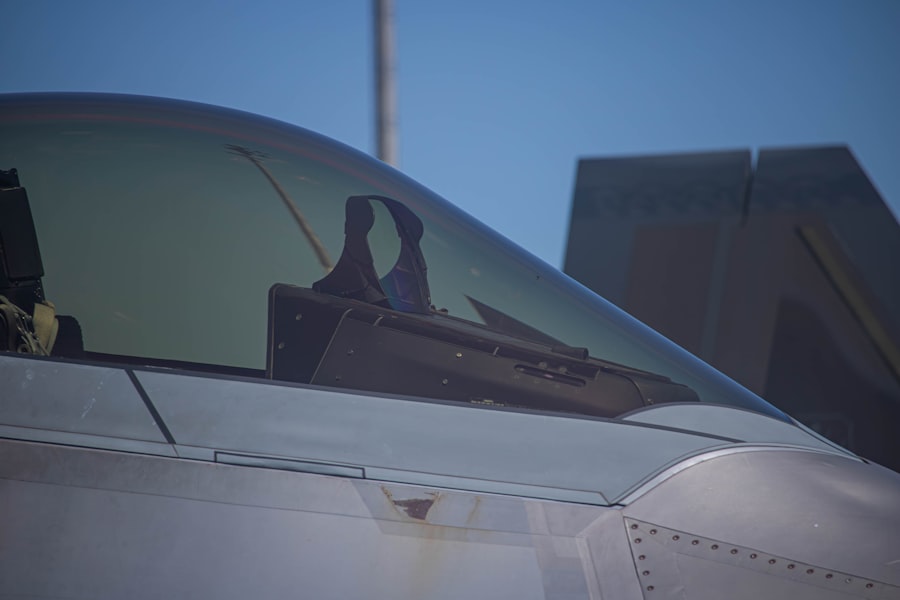
The F-35 boasts an impressive array of capabilities that set it apart from previous generations of fighter aircraft.
This capability is crucial in modern warfare, where being undetected can mean the difference between mission success and failure. The F-35’s low observable design enables it to penetrate enemy airspace with reduced risk. In addition to its stealth capabilities, the F-35 is equipped with advanced sensor fusion technology.
This allows the aircraft to collect and analyze data from multiple sources, including onboard sensors and external platforms. The result is a comprehensive picture of the battlefield that enhances decision-making for pilots and commanders. Furthermore, the F-35’s versatility enables it to perform a wide range of missions, from air superiority to close air support, making it an invaluable asset in any military operation.
Integration of the F35 into Air Force Operations
| Metrics | Data |
|---|---|
| Number of F35s integrated | 200+ |
| Operational readiness rate | 70% |
| Cost of integration program | 10 billion |
| Training hours required | 150+ |
The integration of the F-35 into Air Force operations has been a complex process that involves training pilots, developing tactics, and establishing maintenance protocols. As new squadrons receive their aircraft, extensive training programs are implemented to ensure pilots are proficient in utilizing the F-35’s advanced systems. This includes simulator training as well as live flight exercises that allow pilots to practice various mission scenarios.
Moreover, the integration of the F-35 into existing air force structures requires collaboration among various military branches and allied nations. Joint exercises and operations are conducted to familiarize personnel with the aircraft’s capabilities and foster interoperability among different forces. As more countries adopt the F-35, its role within multinational operations will continue to grow, enhancing collective defense efforts.
The Impact of the F35 on Air Power Strategy
The introduction of the F-35 has had a profound impact on air power strategy both in the United States and among allied nations. Its advanced capabilities have prompted military planners to rethink traditional approaches to aerial combat and force projection. The ability to conduct operations in contested environments with reduced risk has led to a shift in how air power is employed in modern conflicts.
Furthermore, the F-35’s sensor fusion capabilities enable commanders to make more informed decisions based on real-time data from multiple sources. This enhances situational awareness across all levels of command and allows for more effective coordination between air and ground forces. As a result, military strategies are evolving to leverage the unique advantages offered by the F-35, leading to more effective and efficient operations.
The F35’s Role in Modern Warfare
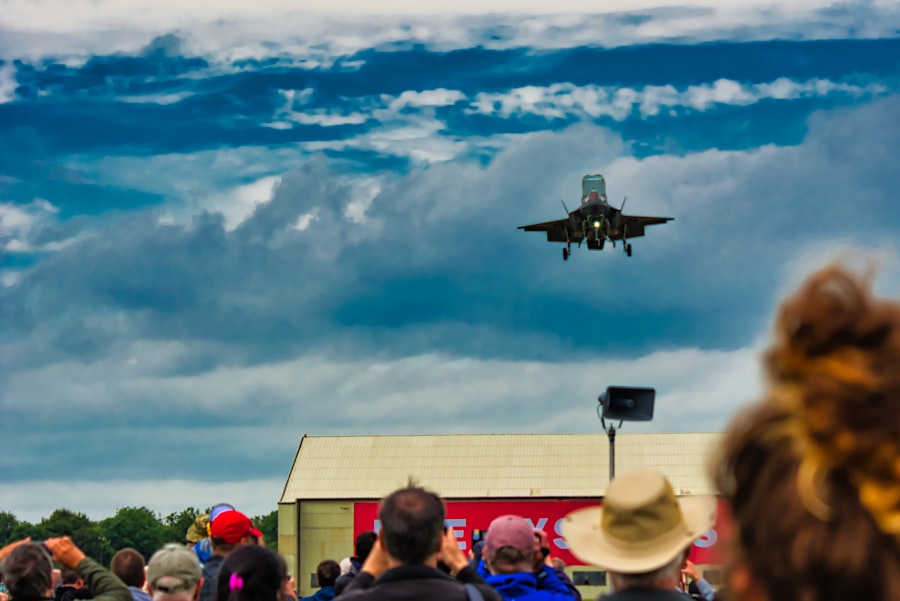
In contemporary warfare, where threats are increasingly asymmetric and multifaceted, the F-35 plays a critical role in addressing emerging challenges. Its ability to operate in high-threat environments while maintaining a low profile makes it an essential asset for modern militaries. The aircraft’s versatility allows it to adapt to various mission profiles, from counterinsurgency operations to high-intensity conflicts against peer adversaries.
Additionally, the F-35’s network-centric capabilities enable it to function as a force multiplier within joint task forces. By sharing data with other platforms—such as drones, ground vehicles, and naval assets—the F-35 enhances overall mission effectiveness. This interconnectedness is vital in modern warfare, where success often hinges on rapid information sharing and coordinated responses.
Challenges and Controversies Surrounding the F35
Despite its many advantages, the F-35 program has faced significant challenges and controversies since its inception. Cost overruns and delays have plagued the project, leading to scrutiny from lawmakers and defense analysts alike. Critics argue that these issues have compromised the program’s effectiveness and raised questions about its long-term viability.
Moreover, concerns have been raised regarding the aircraft’s performance in certain areas. While the F-35 excels in stealth and sensor capabilities, some analysts argue that it may not match older aircraft in specific dogfighting scenarios. These debates highlight the need for ongoing evaluation and potential adjustments to tactics as new data emerges from operational use.
The Future of Air Power with the F35
Looking ahead, the future of air power will undoubtedly be influenced by the continued integration of the F-35 into military operations worldwide. As more nations acquire this advanced fighter jet, its role in shaping global security dynamics will become increasingly significant. The ongoing development of new technologies will further enhance the capabilities of the F-35 fleet.
Moreover, as military strategies evolve in response to emerging threats—such as cyber warfare and unmanned systems—the adaptability of the F-35 will be crucial. Future upgrades may include enhancements to its avionics, weapons systems, and communication capabilities, ensuring that it remains at the forefront of aerial combat for years to come.
International Partnerships and Collaborations with the F35
The F-35 program has fostered international partnerships that extend beyond mere procurement agreements. Countries involved in the Joint Strike Fighter program have collaborated on various aspects of development, production, and maintenance. This collaborative approach not only strengthens defense ties but also promotes interoperability among allied forces.
Several nations have already integrated the F-35 into their air forces, including Israel, Japan, South Korea, and several NATO members. These partnerships enhance collective security efforts by ensuring that allied forces can operate seamlessly together during joint missions or exercises.
Advancements and Upgrades in F35 Technology
As technology continues to advance at a rapid pace, so too does the potential for upgrades to enhance the capabilities of the F-35 fleet. Ongoing research focuses on improving stealth features, enhancing sensor systems, and integrating new weapons platforms that can expand operational flexibility. These advancements are essential for maintaining a competitive edge against evolving threats.
Additionally, software updates play a crucial role in keeping the F-35 relevant in an ever-changing battlefield environment. Regular updates ensure that pilots have access to the latest tactical information while also improving overall aircraft performance through enhanced algorithms for data processing.
The F35’s Influence on the Future of Air Power
In conclusion, the F-35 Lightning II represents a transformative force in modern military aviation. Its advanced capabilities have redefined air power strategy while fostering international partnerships that enhance collective security efforts. Despite facing challenges throughout its development, ongoing advancements ensure that this fifth-generation fighter remains at the forefront of aerial combat.
As nations continue to integrate the F-35 into their air forces, its influence on future military operations will only grow stronger. The aircraft’s unique combination of stealth, versatility, and advanced technology positions it as a cornerstone of modern warfare—a testament to innovation in defense aviation that will shape air power for decades to come.
The F35 fighter jet has been a topic of controversy and debate since its inception. Critics argue that the cost of the program is too high and that the aircraft has numerous technical issues.