Now Reading: Protecting Your Rights: The Role of a Criminal Defense Lawyer
-
01
Protecting Your Rights: The Role of a Criminal Defense Lawyer
Protecting Your Rights: The Role of a Criminal Defense Lawyer

In the realm of criminal law, understanding your rights is paramount. The legal system is intricate and often overwhelming, particularly for individuals facing criminal charges. The Sixth Amendment of the United States Constitution guarantees the right to legal counsel, ensuring that defendants have access to professional representation.
This right is not merely a formality; it is a critical component of a fair trial. Legal representation serves as a safeguard against potential abuses of power by law enforcement and the judicial system. Without an attorney, individuals may struggle to navigate the complexities of their cases, potentially leading to unjust outcomes.
Legal representation is essential for several reasons. First, attorneys possess specialized knowledge of criminal law, including statutes, case law, and procedural rules. This expertise enables them to identify viable defenses and formulate strategies tailored to each case.
Second, a skilled attorney can effectively communicate with prosecutors and judges, advocating for their clients’ best interests. They can negotiate plea deals, seek reduced charges, or even work towards case dismissals. Ultimately, having competent legal representation can significantly influence the trajectory of a criminal case, making it imperative for defendants to secure an attorney as soon as possible.
Key Takeaways
- Understanding your rights is crucial, and having legal representation ensures that those rights are protected.
- Navigating the legal process of criminal defense can be complex, and having a skilled attorney can make a significant difference in the outcome of your case.
- Building a strong defense requires strategic tactics and thorough preparation, which a knowledgeable defense lawyer can provide.
- Protecting your constitutional rights is essential for ensuring fair treatment, and a defense attorney can advocate for you in this regard.
- Negotiating with prosecutors is a key aspect of seeking favorable outcomes, and having a skilled defense attorney can greatly impact the negotiation process.
The legal process in criminal defense is multifaceted and can be daunting for those unfamiliar with its intricacies. It typically begins with an arrest, followed by an arraignment where charges are formally presented. During this stage, defendants are informed of their rights and the nature of the accusations against them.
Following the arraignment, pre-trial motions may occur, where attorneys can challenge evidence or seek to dismiss charges based on legal grounds. Each step in this process requires careful consideration and strategic planning. Navigating the complexities of criminal defense also involves understanding the various types of pleas available to defendants.
A guilty plea may result in a more lenient sentence, while a not guilty plea allows for a trial where the prosecution must prove its case beyond a reasonable doubt. Additionally, defendants may enter an Alford plea, acknowledging that the prosecution has enough evidence for conviction while maintaining their innocence. Each option carries significant implications for the defendant’s future, underscoring the importance of having an experienced attorney to guide them through these decisions.
Building a Strong Defense: Strategies and Tactics

Constructing a robust defense requires meticulous planning and strategic thinking. Defense attorneys employ various tactics tailored to the specifics of each case. One common strategy is to challenge the prosecution’s evidence, questioning its reliability and relevance.
This may involve scrutinizing witness testimonies, examining forensic evidence, or highlighting procedural errors made during the investigation. By undermining the prosecution’s case, defense attorneys can create reasonable doubt in the minds of jurors. Another effective tactic is to present alternative theories of the case.
For instance, if a defendant is accused of theft, the defense may argue that the individual had permission to take the property in question or that they were elsewhere at the time of the alleged crime. Additionally, character witnesses can be introduced to provide context about the defendant’s behavior and reputation, further bolstering the defense’s position. Ultimately, a well-rounded defense strategy combines various elements to create a compelling narrative that resonates with jurors.
Protecting Your Constitutional Rights: Ensuring Fair Treatment
| Constitutional Right | Fair Treatment Metric |
|---|---|
| Freedom of Speech | Number of cases of censorship or suppression |
| Right to Privacy | Percentage of successful privacy protection cases |
| Right to a Fair Trial | Rate of impartial jury selection |
| Protection from Discrimination | Number of reported discrimination incidents |
The protection of constitutional rights is a cornerstone of the American legal system. Defendants are entitled to fair treatment throughout the legal process, which includes protection against unlawful searches and seizures under the Fourth Amendment. If law enforcement violates these rights during an investigation, any evidence obtained may be deemed inadmissible in court.
Defense attorneys play a crucial role in safeguarding these rights by identifying violations and advocating for their clients. Moreover, defendants have the right to remain silent and avoid self-incrimination as outlined in the Fifth Amendment. This right is vital in preventing coerced confessions or statements that could be used against them in court.
An experienced attorney will advise clients on when to exercise this right and how to navigate interactions with law enforcement effectively. Ensuring that constitutional rights are upheld not only protects individual defendants but also reinforces the integrity of the justice system as a whole.
Negotiating with Prosecutors: Seeking Favorable Outcomes
Negotiation is a critical aspect of criminal defense that can lead to favorable outcomes for defendants. Prosecutors often have significant discretion in determining charges and potential plea deals. A skilled defense attorney can leverage their knowledge of the law and familiarity with local practices to negotiate terms that benefit their clients.
This may involve seeking reduced charges or alternative sentencing options such as probation or community service instead of incarceration. Effective negotiation requires strong communication skills and an understanding of both legal principles and human psychology. Defense attorneys must be able to present compelling arguments that highlight mitigating factors in their clients’ cases while also demonstrating a willingness to cooperate with prosecutors.
Building rapport with opposing counsel can facilitate more productive discussions and increase the likelihood of achieving favorable resolutions.
Courtroom Advocacy: Presenting a Compelling Case
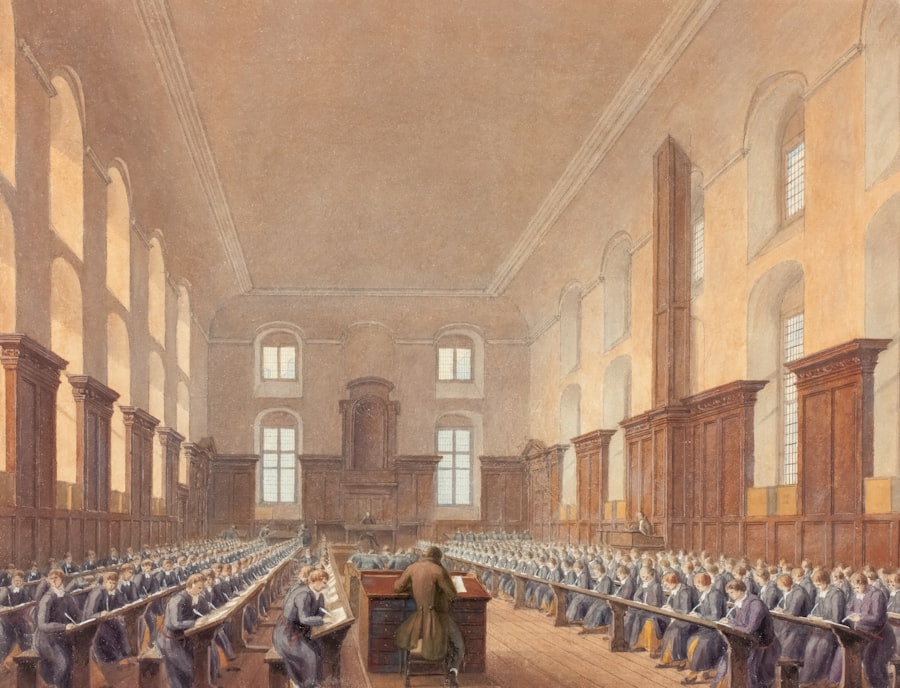
Courtroom advocacy is an essential skill for defense attorneys as they represent their clients before judges and juries. A compelling case presentation involves not only articulating legal arguments but also engaging emotionally with jurors. Attorneys must be adept at storytelling, weaving together facts and evidence to create a narrative that resonates with those deciding the case’s outcome.
Visual aids can enhance courtroom presentations by illustrating key points or summarizing complex information. Additionally, attorneys must be prepared for cross-examination, anticipating questions from opposing counsel and formulating responses that reinforce their client’s position. The ability to think on one’s feet and adapt strategies in real-time is crucial in maintaining credibility and persuading jurors.
Investigating and Gathering Evidence: Uncovering the Truth
A thorough investigation is fundamental to building a strong defense. Defense attorneys must gather evidence that supports their clients’ claims while also scrutinizing evidence presented by the prosecution. This process may involve interviewing witnesses, obtaining expert opinions, and reviewing police reports or surveillance footage.
Forensic evidence plays a significant role in many criminal cases, ranging from DNA analysis to ballistics testing.
By uncovering new information or inconsistencies in the prosecution’s case, defense teams can strengthen their arguments and enhance their chances of success at trial.
Preparing for Trial: Anticipating Challenges and Obstacles
Preparation for trial is an exhaustive process that requires meticulous attention to detail. Defense attorneys must anticipate potential challenges and obstacles that may arise during proceedings. This includes preparing witnesses for testimony, developing strategies for jury selection, and organizing evidence for presentation.
Mock trials can be beneficial in this preparatory phase, allowing attorneys to practice their arguments and refine their strategies in a simulated environment. Additionally, understanding juror demographics and biases can inform jury selection processes, ensuring that defendants are represented by individuals who are more likely to empathize with their circumstances.
Understanding the Role of the Criminal Defense Lawyer: Advocacy and Support
The role of a criminal defense lawyer extends beyond mere legal representation; it encompasses advocacy and emotional support for clients facing significant life challenges. Attorneys serve as trusted advisors who guide defendants through one of the most stressful experiences they may encounter. They provide reassurance during uncertain times while also empowering clients to make informed decisions about their cases.
Moreover, defense lawyers often act as intermediaries between clients and the legal system, ensuring that defendants understand their rights and options at every stage of proceedings. This supportive role fosters trust between attorney and client, which is essential for effective collaboration throughout the legal process.
Protecting Your Future: Minimizing the Impact of Criminal Charges
The consequences of criminal charges can be far-reaching, affecting various aspects of an individual’s life including employment opportunities, personal relationships, and mental health. A skilled defense attorney works diligently to minimize these impacts by pursuing favorable outcomes such as reduced sentences or alternative resolutions like diversion programs. Additionally, attorneys can provide guidance on expungement processes for individuals seeking to clear their records after successfully navigating their cases.
Understanding how to mitigate long-term repercussions is crucial for defendants aiming to rebuild their lives post-incident.
Seeking Justice: The Importance of a Skilled and Experienced Defense Attorney
In conclusion, seeking justice within the criminal justice system necessitates skilled legal representation from experienced defense attorneys who understand both the law and human dynamics involved in each case. Their expertise enables them to navigate complex legal processes while advocating fiercely for their clients’ rights. Ultimately, securing competent legal counsel is not just about winning cases; it is about ensuring that individuals receive fair treatment under the law while protecting their futures from unjust consequences stemming from criminal charges.
In summary, understanding your rights within the legal framework is essential when facing criminal charges. Navigating this complex process requires strategic planning and effective courtroom advocacy from skilled defense attorneys who prioritize protecting constitutional rights while seeking favorable outcomes through negotiation and thorough investigation efforts.
If you are in need of a criminal defense lawyer, it is important to understand your rights and options. One related article that may be of interest is USPS MLK Day: Celebrating a Legacy, which discusses the importance of honoring the legacy of Martin Luther King Jr.
Just as Dr. King fought for equality and justice, a criminal defense lawyer can help ensure that your rights are protected and that you receive a fair trial.
FAQs
What does a criminal defense lawyer do?
A criminal defense lawyer is a legal professional who specializes in defending individuals and organizations charged with criminal activity. They provide legal representation and guidance throughout the legal process, from investigation to trial.
What are the responsibilities of a criminal defense lawyer?
The responsibilities of a criminal defense lawyer include advising clients on their legal rights, building a defense strategy, negotiating plea bargains, representing clients in court, and advocating for their clients’ best interests.
What types of cases do criminal defense lawyers handle?
Criminal defense lawyers handle a wide range of cases, including but not limited to drug offenses, DUI/DWI, assault, theft, white-collar crimes, domestic violence, and other criminal charges.
How does a criminal defense lawyer help their clients?
A criminal defense lawyer helps their clients by providing legal advice, conducting thorough investigations, gathering evidence, negotiating with prosecutors, and representing their clients in court to ensure their rights are protected and to achieve the best possible outcome for their case.
What qualifications are required to become a criminal defense lawyer?
To become a criminal defense lawyer, one must complete a bachelor’s degree, attend law school, pass the bar exam, and obtain a license to practice law in their jurisdiction. Additionally, gaining experience through internships or clerkships in criminal defense is beneficial.
How can someone find a reputable criminal defense lawyer?
One can find a reputable criminal defense lawyer by seeking referrals from trusted sources, such as friends, family, or other attorneys. Additionally, researching online reviews and contacting local bar associations can help identify qualified and experienced criminal defense lawyers.