Now Reading: Federal Holiday: July 4th Independence Day Celebrations
-
01
Federal Holiday: July 4th Independence Day Celebrations
Federal Holiday: July 4th Independence Day Celebrations
Independence Day, celebrated on July 4th each year, marks a pivotal moment in American history—the adoption of the Declaration of Independence in 1776. This document, primarily authored by Thomas Jefferson, proclaimed the thirteen American colonies’ separation from British rule. The Continental Congress officially adopted the Declaration on July 4, 1776, a date that has since become synonymous with American freedom and national identity.
The decision to declare independence was not made lightly; it was the culmination of years of growing discontent with British governance, characterized by oppressive taxation and a lack of representation. The Declaration articulated the colonies’ grievances and their desire for self-governance, laying the foundation for the United States as a sovereign nation.
Festivities included fireworks, parades, and speeches, setting a precedent for future observances. Over the years, the significance of July 4th evolved, becoming a day not only to commemorate independence but also to reflect on the values of liberty and democracy that the nation strives to uphold. As the United States expanded westward and grew in diversity, Independence Day celebrations began to incorporate various cultural elements, making it a truly national holiday that resonates with people from all walks of life.
Today, it serves as a reminder of the sacrifices made by those who fought for freedom and the ongoing journey toward a more perfect union.
Traditional Celebrations and Events
Traditional celebrations of Independence Day are as varied as the nation itself, reflecting the rich tapestry of American culture. Across the country, communities come together to honor their shared history and values through a multitude of events. From small-town gatherings to grand city-wide festivities, each celebration is infused with local flavor and unique traditions.
Many towns host concerts featuring patriotic music, where citizens can gather to sing along to beloved anthems like “The Star-Spangled Banner” and “America the Beautiful.” These musical performances often serve as a backdrop for speeches by local leaders who remind attendees of the significance of the day and the importance of unity in celebrating freedom. In addition to concerts, many communities organize festivals that include food stalls, craft booths, and games for children. These events foster a sense of camaraderie among residents and provide an opportunity for families to bond over shared experiences.
Local organizations often take part in these celebrations, showcasing their contributions to the community and encouraging civic engagement. Whether it’s a pie-eating contest or a historical reenactment, these traditional events create lasting memories and reinforce the spirit of independence that defines July 4th.
Fireworks Displays
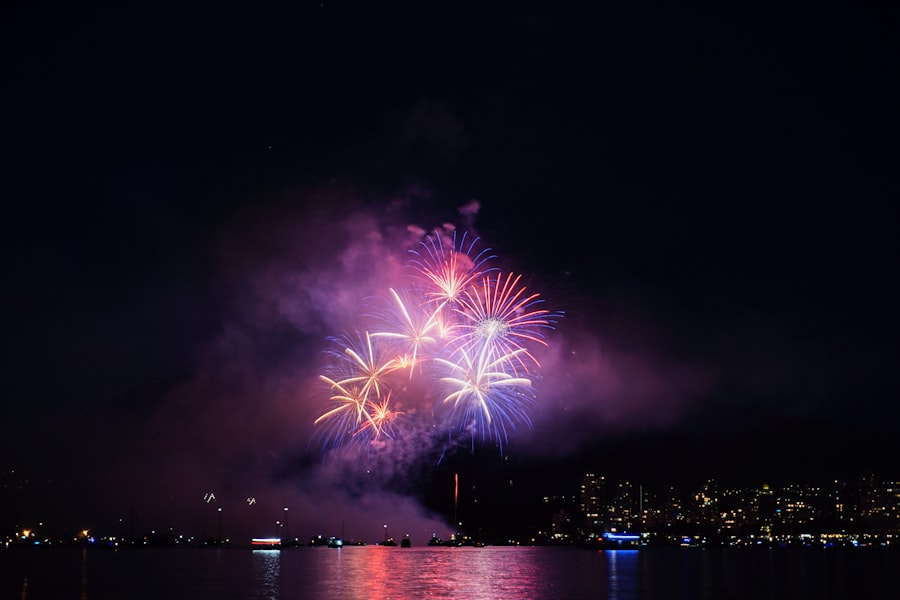
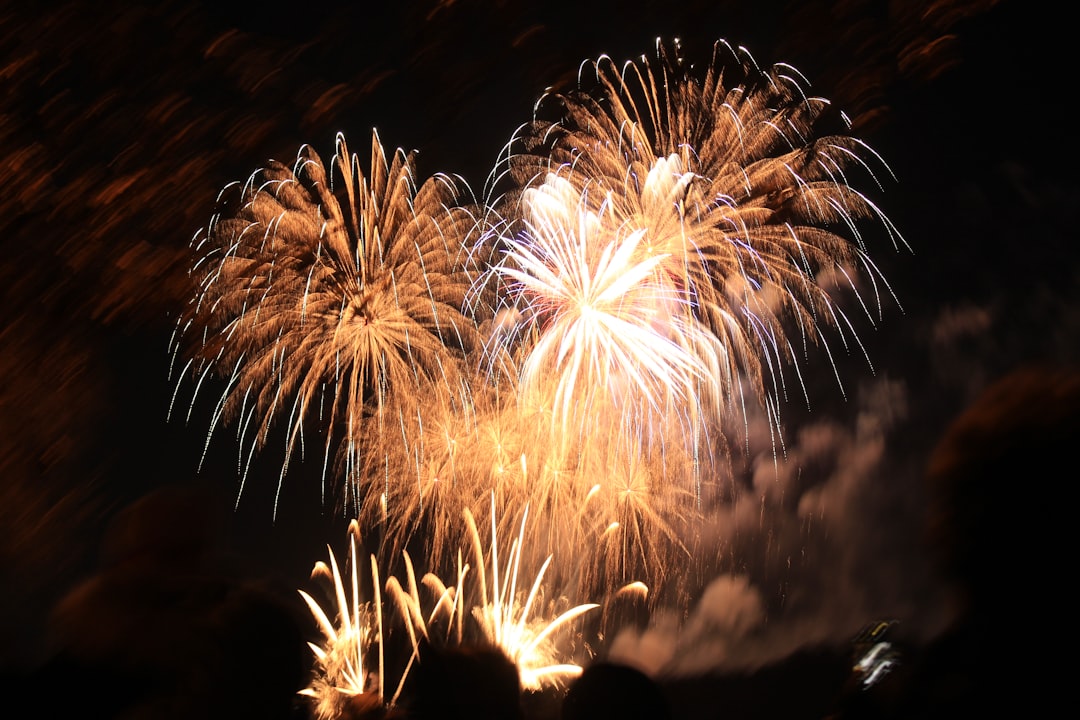
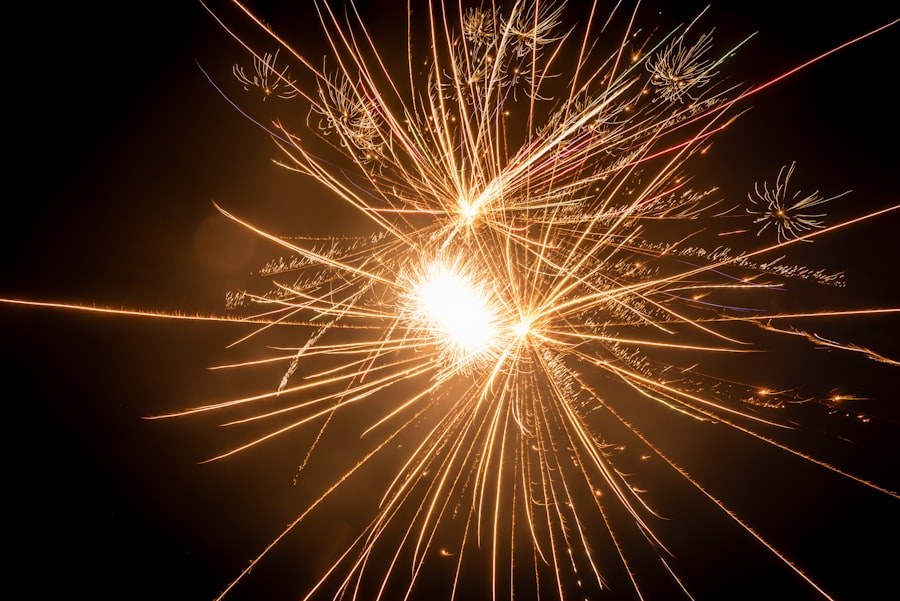
One of the most iconic aspects of Independence Day celebrations is the dazzling array of fireworks that light up the night sky. Fireworks have been a part of July 4th festivities since the very first celebration in 1777 when they were used to symbolize joy and patriotism. The explosive colors and patterns serve as a visual representation of the freedom that Americans cherish.
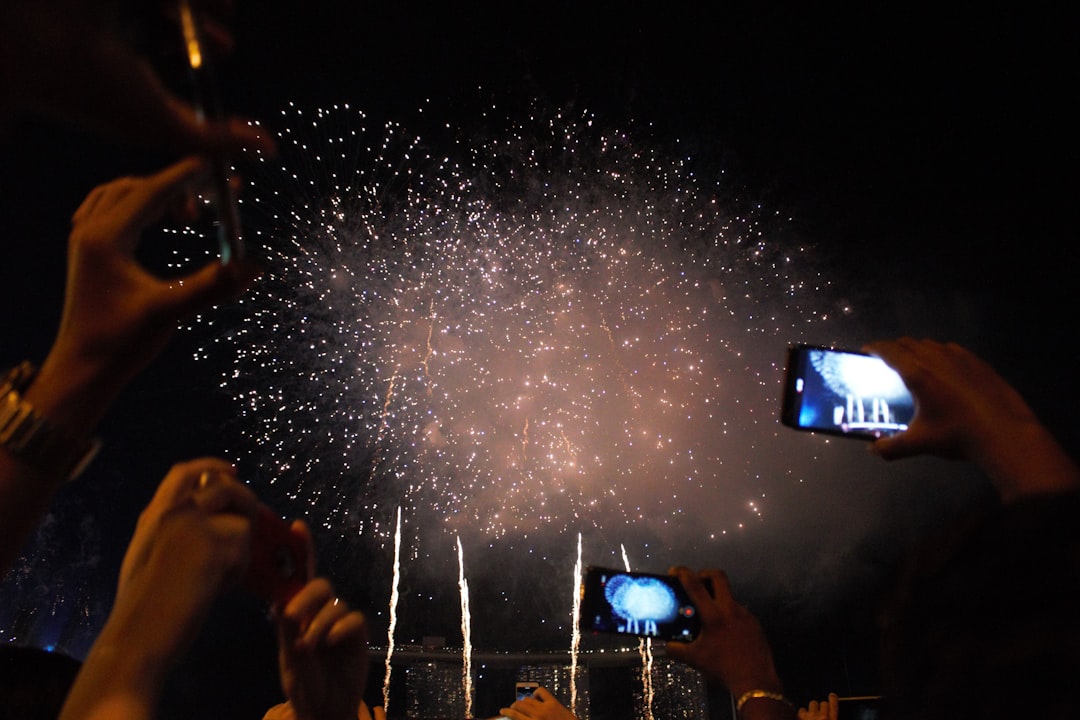
Today, cities across the nation invest significant resources into orchestrating elaborate fireworks displays that draw thousands of spectators eager to witness this breathtaking spectacle. Fireworks displays vary in scale and complexity, from small neighborhood shows to grand productions in major cities like New York and Washington, D.These events often feature synchronized music that enhances the viewing experience, creating an emotional connection between the audience and the display. Families often gather in parks or on rooftops to enjoy these shows together, making it a cherished tradition that transcends generations.
The anticipation builds as night falls, culminating in a breathtaking finale that leaves spectators in awe. The sight of vibrant bursts illuminating the sky serves as a powerful reminder of the sacrifices made for freedom and the unity that binds Americans together.
Patriotic Parades
| City | Date | Number of Participants | Length of Parade Route (miles) |
|---|---|---|---|
| New York City | July 4th, 2021 | 10,000 | 2.5 |
| Washington D.C. | July 4th, 2021 | 15,000 | 3 |
| Los Angeles | July 4th, 2021 | 8,000 | 1.5 |
Patriotic parades are another hallmark of Independence Day celebrations, showcasing community spirit and national pride. These parades often feature a colorful procession of floats, marching bands, veterans, and local organizations, all coming together to celebrate their shared heritage. Participants don red, white, and blue attire, proudly displaying their allegiance to the nation while honoring its history.
The atmosphere is filled with excitement as families line the streets to watch the festivities unfold. In many towns, parades also serve as a platform for local leaders and community members to express their gratitude for those who have served in the military or contributed to society in meaningful ways. Speeches are often delivered to honor veterans and active-duty service members, reminding attendees of the sacrifices made for their freedom.
Children wave flags and cheer as they watch their friends and neighbors participate in this vibrant display of patriotism. The sense of community fostered during these parades reinforces the idea that Independence Day is not just about celebrating individual freedom but also about coming together as a nation united in purpose.
Barbecues and Picnics
No Independence Day celebration would be complete without the quintessential American tradition of barbecues and picnics. Families and friends gather in backyards, parks, or at beaches to enjoy delicious food while basking in the summer sun. Grills sizzle with hamburgers, hot dogs, and ribs, while tables overflow with sides like coleslaw, potato salad, and corn on the cob.
The aroma of grilled meats wafts through the air, drawing people together in a communal feast that embodies the spirit of sharing and togetherness. Picnics often include games such as frisbee or cornhole, providing entertainment for all ages. Children run around playing tag while adults engage in friendly conversations over cold drinks.
This relaxed atmosphere fosters connections among family members and friends alike, creating cherished memories that last long after the holiday has passed. As dusk approaches, many families transition from outdoor feasting to watching fireworks displays together, making it a day filled with joy, laughter, and gratitude for the freedoms they enjoy.
Family and Community Gatherings
Independence Day serves as an opportunity for families and communities to come together in celebration of their shared values and history. Many people take advantage of this holiday to reconnect with loved ones they may not see often throughout the year. Family reunions are common during this time, where relatives gather from near and far to reminisce about old times while creating new memories together.
These gatherings often include traditional foods passed down through generations, reinforcing cultural heritage while celebrating national pride. Community gatherings also play a significant role in Independence Day celebrations. Local parks often host events featuring live music, games for children, and food vendors offering a variety of culinary delights.
These gatherings foster a sense of belonging among residents as they come together to celebrate their shared identity as Americans. The spirit of cooperation is palpable as neighbors engage in friendly conversations and participate in activities designed to strengthen community bonds. Whether it’s through volunteering at local events or simply enjoying each other’s company at a picnic table, these gatherings highlight the importance of unity on this significant day.
National Symbols and Decorations
The use of national symbols and decorations is an integral part of Independence Day celebrations across America. Red, white, and blue—the colors of the American flag—are prominently displayed everywhere during this time. Homes are adorned with flags hanging from porches or draped over fences, while businesses often decorate their storefronts with patriotic bunting and banners.
This visual representation of national pride creates an atmosphere filled with excitement and reverence for what July 4th represents. In addition to flags and colors, many people incorporate symbols such as eagles or stars into their decorations. These symbols evoke feelings of patriotism and remind citizens of their shared history and values.
Parades often feature floats adorned with these emblems, showcasing creativity while honoring American heritage. The sight of communities coming together to display these symbols reinforces a collective identity rooted in freedom and democracy—a powerful reminder that Independence Day is not just about celebrating individual liberties but also about recognizing what unites us as a nation.
Modern Independence Day Celebrations
As society evolves, so too do Independence Day celebrations across America. While many traditional elements remain intact—such as fireworks displays and barbecues—modern observances have adapted to reflect contemporary values and lifestyles. For instance, social media plays an increasingly significant role in how people share their experiences during this holiday.
Families post photos of their celebrations online, allowing friends near and far to partake in their festivities virtually. Moreover, there is a growing emphasis on inclusivity during Independence Day celebrations. Communities are increasingly recognizing diverse cultural backgrounds within their populations by incorporating various traditions into their events.
This evolution reflects America’s commitment to embracing its multicultural identity while honoring its foundational principles of liberty and justice for all. As new generations take part in these celebrations, they bring fresh perspectives that enrich traditional practices while ensuring that Independence Day remains relevant in today’s society. In conclusion, Independence Day is more than just a holiday; it is a celebration of freedom that resonates deeply within the hearts of Americans across generations.
From its historical roots to modern-day observances filled with joy and unity, July 4th serves as a reminder of what it means to be part of this great nation—a day when families come together to honor their shared history while looking forward toward a brighter future built on liberty for all.
As we celebrate the federal holiday on July 4th, it is important to reflect on the significance of this day in American history. One interesting article that delves into the history and traditions of Independence Day can be found on boogger.com. This article provides insights into the origins of the holiday and how it has evolved over time to become a day of national pride and celebration. It is a great read for anyone interested in learning more about the Fourth of July and its cultural importance in the United States.
FAQs
What is the federal holiday on July 4th?
The federal holiday on July 4th is Independence Day, which commemorates the adoption of the Declaration of Independence on July 4, 1776, declaring independence from Great Britain.
Is July 4th a federal holiday?
Yes, July 4th is a federal holiday in the United States. It is a day off for most federal employees and many private sector employees as well.
Do all states observe July 4th as a holiday?
Yes, all 50 states in the United States observe July 4th as a federal holiday.
What are common ways to celebrate July 4th?
Common ways to celebrate July 4th include fireworks displays, parades, barbecues, picnics, concerts, and other public and private events celebrating the history, government, and traditions of the United States.
Are there any specific traditions associated with July 4th?
Some specific traditions associated with July 4th include the reading of the Declaration of Independence, the singing of patriotic songs such as “The Star-Spangled Banner” and “America the Beautiful,” and the display of the American flag.