Now Reading: Federal Holidays in July: Celebrating Independence and Patriotism
-
01
Federal Holidays in July: Celebrating Independence and Patriotism
Federal Holidays in July: Celebrating Independence and Patriotism
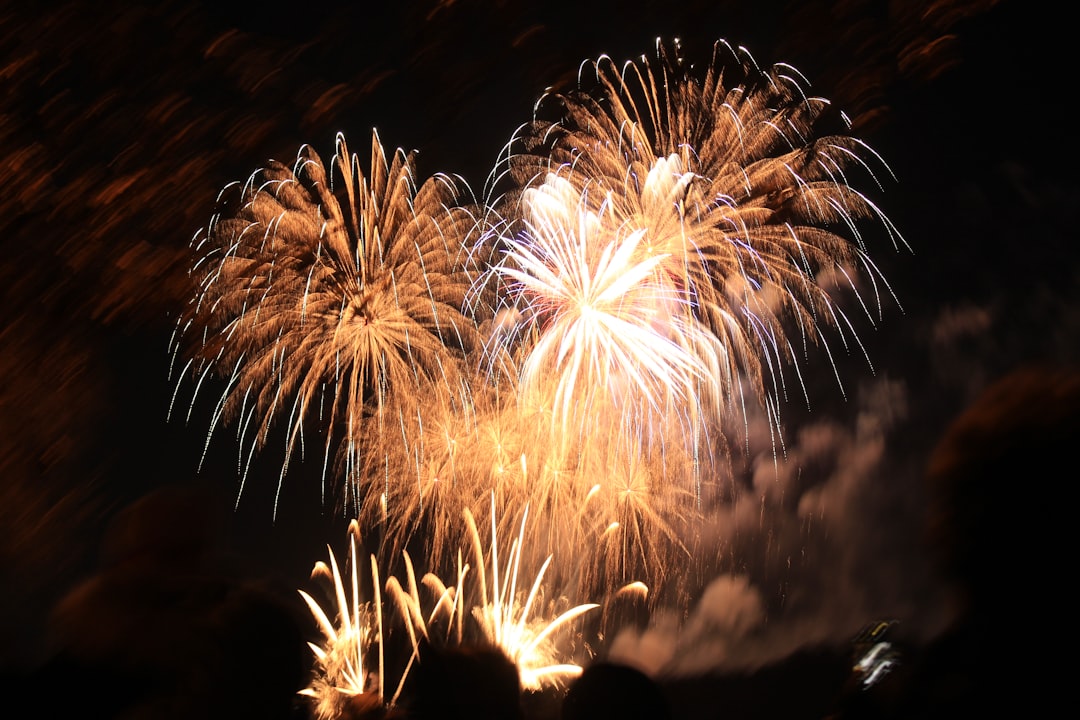
Federal holidays serve as a vital reflection of a nation’s values, history, and collective identity. In the United States, July is particularly significant due to the celebration of Independence Day on the 4th. This holiday not only marks the anniversary of the adoption of the Declaration of Independence in 1776 but also embodies the spirit of freedom and democracy that the nation cherishes.
Federal holidays like Independence Day provide citizens with an opportunity to pause and reflect on the sacrifices made by those who fought for their rights and liberties. They serve as a reminder of the ongoing journey toward a more perfect union, encouraging individuals to appreciate their freedoms while recognizing the responsibilities that come with them.
These occasions bring people together, transcending regional, cultural, and social divides. Families gather for barbecues, friends unite for fireworks displays, and communities organize parades to celebrate their shared heritage. The collective observance of these holidays strengthens national identity and reinforces the bonds that tie citizens together.
In this way, July serves not only as a month of celebration but also as a time for introspection about what it means to be an American.
Celebrating Independence Day on July 4th
Independence Day, celebrated on July 4th, is perhaps the most iconic federal holiday in the United States. It commemorates the day in 1776 when the Continental Congress officially adopted the Declaration of Independence, declaring the thirteen American colonies free from British rule. This momentous event marked a turning point in history, as it laid the foundation for a new nation built on principles of liberty and self-governance.
Each year, Americans across the country come together to honor this pivotal moment with various festivities that reflect their pride in their nation’s history. The celebrations on July 4th are as diverse as the country itself. From small-town parades featuring local bands and floats to grand fireworks displays illuminating city skylines, the day is filled with activities that engage people of all ages.
Many families take part in traditional barbecues, enjoying grilled foods and sharing stories about their ancestors who fought for independence. Communities often host events that include live music, games, and contests, creating an atmosphere of joy and camaraderie. The day is not just about revelry; it is also an opportunity for Americans to express gratitude for their freedoms and to remember the struggles that led to their establishment.
Honoring American Patriotism on Independence Day
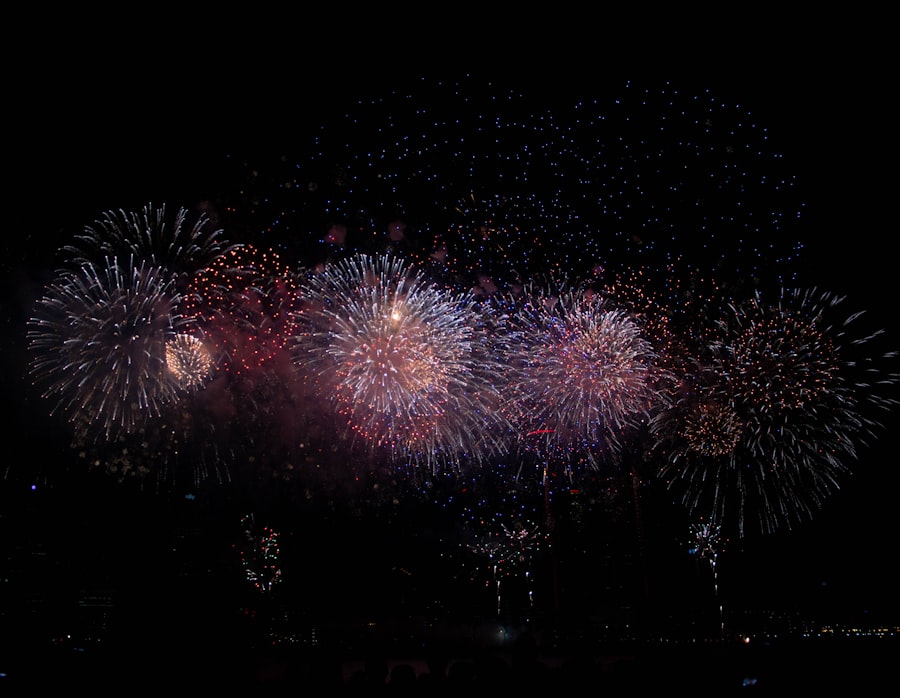
Independence Day is a powerful expression of American patriotism, serving as a reminder of the values that define the nation. The day is steeped in symbolism, with the American flag prominently displayed in homes, businesses, and public spaces. This emblem of freedom represents not only the country’s history but also its aspirations for equality and justice.
As citizens gather to celebrate, they reaffirm their commitment to these ideals and honor those who have fought to protect them throughout history. Patriotism on Independence Day is often expressed through various rituals and traditions. Many people begin the day by attending flag-raising ceremonies or participating in community events that emphasize civic pride.
The singing of the national anthem and other patriotic songs resonates deeply during these gatherings, evoking feelings of unity and shared purpose. Additionally, moments of silence are often observed to pay tribute to military personnel who have sacrificed their lives for the nation’s freedom. These acts of remembrance serve to connect present generations with their forebears, fostering a sense of continuity and responsibility toward future generations.
The History and Traditions of Independence Day Celebrations
| Year | Event | Location | Attendees |
|---|---|---|---|
| 1776 | First Independence Day | Philadelphia | Unknown |
| 1870 | Official Federal Holiday | United States | N/A |
| 1941 | Fireworks at National Mall | Washington D.C. | Unknown |
| 2020 | Virtual Celebrations | Online | Millions |
The history of Independence Day celebrations dates back to the very first anniversary of the Declaration of Independence in 1777. The initial observances were marked by public readings of the document, fireworks, and festivities that included bonfires and parades. Over time, these celebrations evolved into more organized events that incorporated various cultural elements reflective of America’s diverse population.
Today, Independence Day is celebrated with a rich tapestry of traditions that highlight both historical significance and contemporary expressions of national pride. One enduring tradition is the use of fireworks to commemorate the occasion. Fireworks were first used in 1777 to symbolize joy and celebration, and they have since become synonymous with Independence Day festivities.
Communities across the nation invest significant resources into elaborate firework displays that light up the night sky, drawing crowds eager to witness the spectacle. Parades are another hallmark of July 4th celebrations, showcasing local talent and fostering community spirit. These parades often feature marching bands, floats representing local organizations, and veterans honoring their service.
Such traditions not only celebrate independence but also reinforce community bonds and shared values.
Commemorating the Birth of American Independence
Commemorating the birth of American independence involves more than just festive activities; it requires a deep understanding of what that independence represents. The Declaration of Independence articulated a vision for a society based on individual rights and democratic governance—a radical idea at the time that has since inspired countless movements for freedom around the world. As Americans celebrate this pivotal moment in history, they are reminded of their responsibility to uphold these principles in their daily lives.
The act of commemorating independence also invites reflection on the complexities surrounding it. While July 4th symbolizes freedom for many, it is essential to acknowledge that this freedom was not universally granted at its inception. The struggles for civil rights and equality continue to shape American society today.
By recognizing these historical nuances during Independence Day celebrations, citizens can engage in meaningful conversations about progress and justice while honoring those who have fought for a more inclusive definition of freedom.
Observing Federal Holidays with Parades and Fireworks
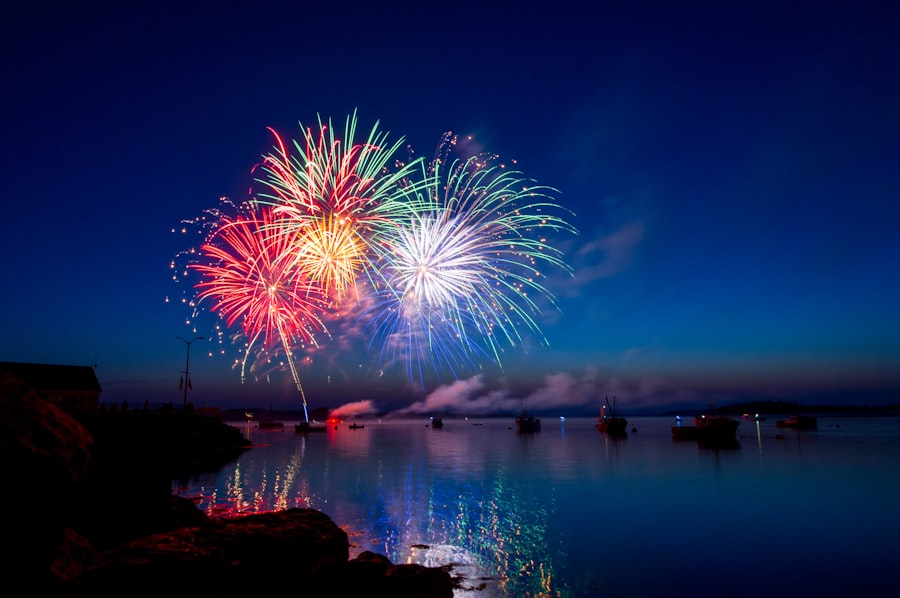
Parades and fireworks are quintessential elements of federal holiday celebrations in July, particularly on Independence Day. These vibrant displays serve as focal points for communities to come together in celebration while showcasing local culture and pride. Parades often feature a mix of participants—from school bands to veterans’ organizations—each contributing to a sense of unity and shared purpose.
The streets come alive with music, laughter, and colorful floats that tell stories about local history or highlight important causes. Fireworks add an element of spectacle that captivates audiences young and old alike. As night falls on July 4th, families gather in parks or backyards to watch dazzling displays light up the sky.
The bursts of color symbolize joy and celebration while also serving as a reminder of the explosive spirit that fueled America’s fight for independence. Many communities host synchronized firework shows set to patriotic music, creating an immersive experience that resonates deeply with attendees. These traditions not only entertain but also reinforce a sense of belonging among participants as they share in the collective joy of celebrating their nation’s independence.
Recognizing the Contributions of American Patriots
Independence Day is an opportune moment to recognize and honor the contributions of American patriots who played pivotal roles in shaping the nation’s history. Figures such as George Washington, Thomas Jefferson, Benjamin Franklin, and countless others dedicated their lives to securing freedom for future generations. Their sacrifices laid the groundwork for a democratic society where individual rights are valued and protected.
As citizens celebrate on July 4th, it is essential to reflect on these contributions and acknowledge how they continue to influence contemporary society. In addition to historical figures, modern-day patriots also deserve recognition during Independence Day celebrations. Veterans who have served in various conflicts embody the spirit of sacrifice and commitment to protecting American freedoms.
Many communities take time during parades or ceremonies to honor these individuals, often inviting them to participate as grand marshals or speakers. By highlighting both historical and contemporary contributions to American independence, citizens can foster a deeper appreciation for the ongoing struggle for freedom while inspiring future generations to uphold these values.
Embracing National Unity and Pride on Federal Holidays
Federal holidays like Independence Day serve as powerful reminders of national unity and pride. They provide opportunities for citizens from diverse backgrounds to come together in celebration of shared values and aspirations.
This sense of unity is particularly important in today’s increasingly polarized society; federal holidays remind individuals that despite differences in opinion or background, they are all part of a larger narrative. Moreover, embracing national pride during federal holidays encourages citizens to engage actively in civic life beyond mere celebration. It inspires individuals to reflect on their roles within their communities and consider how they can contribute positively to society.
Whether through volunteering, participating in local governance, or advocating for social justice issues, citizens can channel their patriotic spirit into meaningful action that honors the legacy of those who fought for independence. In this way, federal holidays become not just moments of celebration but catalysts for ongoing engagement in building a better future for all Americans. In conclusion, federal holidays in July hold profound significance for Americans as they commemorate independence while fostering unity and pride within communities.
Through celebrations like Independence Day on July 4th, citizens honor their history while reflecting on their responsibilities toward one another and future generations. By recognizing both historical contributions and contemporary struggles for freedom, individuals can engage meaningfully with their national identity while celebrating what it means to be part of this diverse tapestry known as America.
If you’re interested in learning more about federal holidays in July, you may want to check out the article “10 Federal Holidays in July You Should Know About” on Boogger.com. This article provides information on the various federal holidays celebrated in July and their significance. It’s a great resource for anyone looking to understand the history and importance of these holidays.
FAQs
What federal holidays are celebrated in July?
In the United States, the only federal holiday celebrated in July is Independence Day, which falls on July 4th.
What is the significance of Independence Day?
Independence Day commemorates the adoption of the Declaration of Independence on July 4, 1776, declaring the 13 American colonies as a new nation, independent from British rule.
Do all businesses and government offices close on Independence Day?
Most government offices, banks, and businesses are closed on Independence Day to observe the federal holiday.
Are there any other holidays or observances in July?
While not federal holidays, there are other observances in July such as National Ice Cream Day on the third Sunday of the month and Parents’ Day on the fourth Sunday of the month. These observances are not widely recognized as official holidays.