Now Reading: Embracing Holiday Traditions: A Time for Togetherness
-
01
Embracing Holiday Traditions: A Time for Togetherness
Embracing Holiday Traditions: A Time for Togetherness
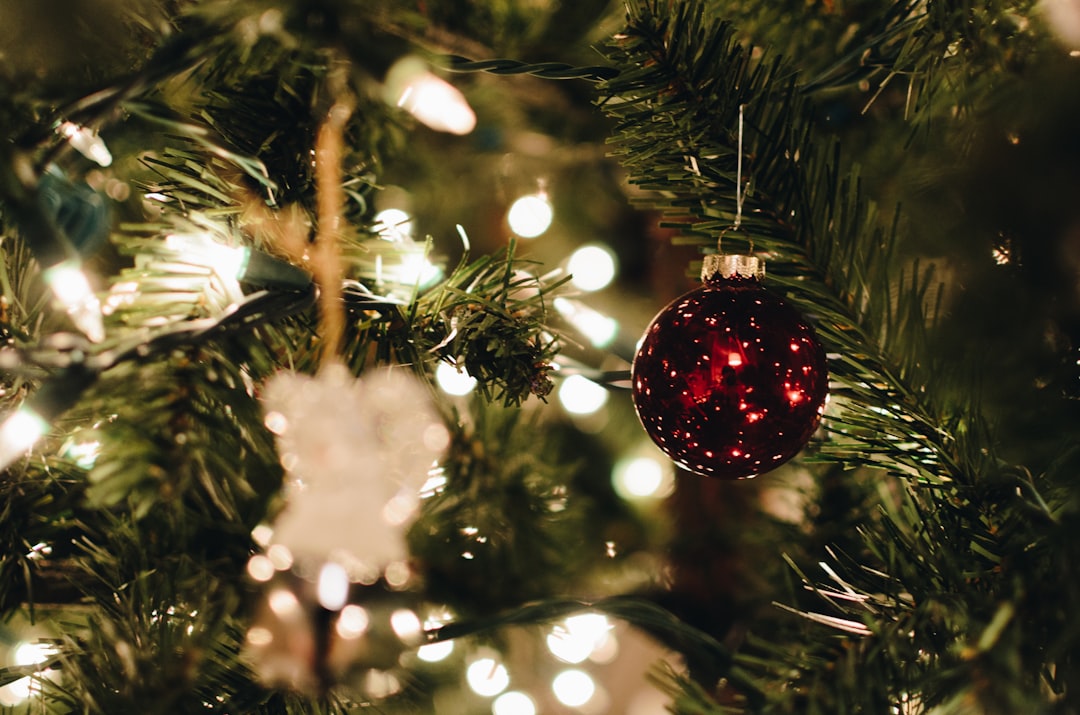
Holiday traditions serve as the backbone of our celebrations, providing a sense of continuity and belonging that transcends generations. These rituals, whether they are grand or simple, create a framework within which families and communities come together to celebrate shared values and beliefs. They offer a unique opportunity to reflect on the past while looking forward to the future, reinforcing the bonds that tie us to one another.
The importance of these traditions cannot be overstated; they are the threads that weave the fabric of our cultural identity, allowing us to connect with our heritage and with each other. Moreover, holiday traditions often carry deep emotional significance. They evoke memories of childhood, family gatherings, and cherished moments that shape our understanding of love and connection.
For many, the act of participating in these rituals brings comfort and joy, serving as a reminder of the stability and warmth that family can provide. Whether it’s baking cookies together, lighting candles, or gathering around a festive table, these practices create a sense of anticipation and excitement that enriches our lives. In a world that is constantly changing, holiday traditions offer a reassuring anchor, reminding us of who we are and where we come from.
Creating Meaningful Memories with Loved Ones
The essence of holiday celebrations lies in the memories we create with our loved ones. Each gathering is an opportunity to forge connections that last a lifetime, filled with laughter, stories, and shared experiences.
Whether it’s through shared meals, games, or simply enjoying each other’s company, the time spent together during the holidays is invaluable. Creating meaningful memories often involves intentionality. It’s about being present in the moment and engaging fully with those around us.
This can mean putting away distractions like phones and focusing on the people who matter most. By doing so, we open ourselves up to genuine interactions that foster closeness and understanding. Additionally, incorporating activities that encourage participation from everyone—such as crafting decorations or preparing traditional dishes—can enhance the experience, making it more memorable for all involved.
Ultimately, it is these shared moments that become cherished stories passed down through generations.
Embracing Cultural and Family Traditions
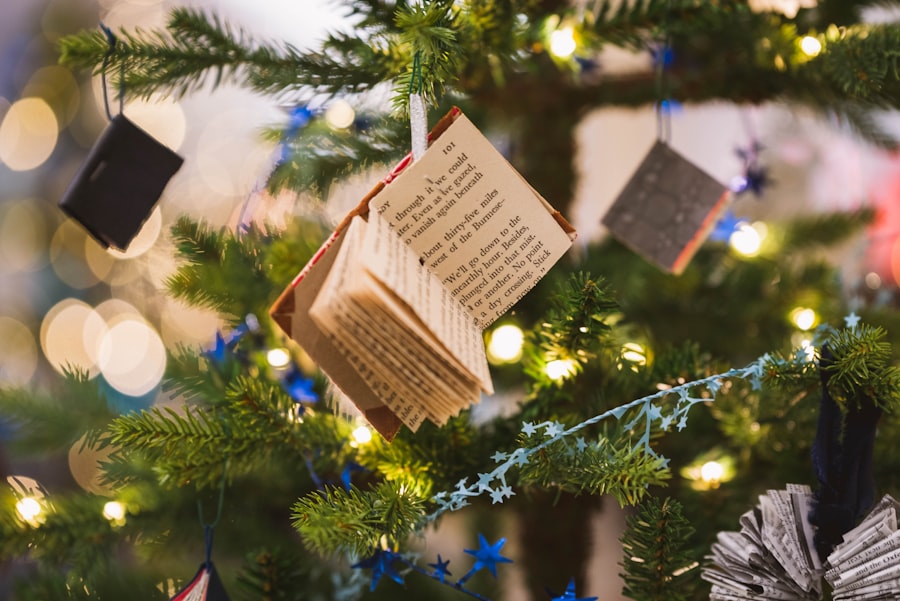
Cultural and family traditions play a pivotal role in shaping our holiday experiences. They provide a rich tapestry of practices that reflect our unique backgrounds and histories. Embracing these traditions allows us to celebrate our heritage while also educating others about our customs.
For instance, families may gather to prepare traditional dishes that have been passed down through generations, each recipe telling a story of its own. These culinary practices not only nourish the body but also feed the soul, connecting us to our ancestors and their way of life. In addition to food, cultural traditions often encompass music, dance, and storytelling.
These elements bring vibrancy to our celebrations and create an atmosphere of joy and festivity. Participating in cultural rituals can also foster a sense of pride in one’s identity, encouraging individuals to share their heritage with others. This exchange enriches the holiday experience for everyone involved, creating a tapestry of diverse customs that can be appreciated by all.
By embracing both cultural and family traditions, we honor our past while celebrating the present.
Incorporating New Traditions into the Holiday Season
| Tradition | Details |
|---|---|
| Family Recipe Exchange | Sharing and swapping favorite holiday recipes with family and friends |
| Volunteering | Participating in community service or charity work during the holiday season |
| Cultural Celebrations | Exploring and incorporating traditions from different cultures into holiday festivities |
| DIY Decorations | Creating handmade decorations and ornaments to add a personal touch to the holiday season |
While honoring established traditions is important, incorporating new practices can breathe fresh life into holiday celebrations. As families evolve and new generations emerge, there is often a desire to blend old customs with new ideas. This can lead to the creation of unique traditions that reflect the current dynamics of the family or community.
For example, families might choose to volunteer together during the holidays, fostering a spirit of giving and gratitude while also creating new memories. Introducing new traditions can also be an opportunity for families to explore different cultures and practices. This might involve trying out new recipes from various cuisines or participating in celebrations from different cultures.
By embracing change and innovation in our holiday practices, we can create a more dynamic and engaging celebration that resonates with everyone involved.
Finding Joy and Connection through Holiday Rituals
At their core, holiday rituals are designed to foster joy and connection among individuals. These practices create an environment where people can come together to celebrate life’s blessings and express gratitude for one another. Whether it’s through exchanging gifts, sharing meals, or engaging in communal activities, these rituals serve as a reminder of the importance of togetherness.
They allow us to step away from the hustle and bustle of daily life and focus on what truly matters: our relationships with those we love. The joy derived from holiday rituals often stems from their ability to evoke feelings of nostalgia and warmth. As we engage in familiar practices—such as decorating a tree or singing carols—we are transported back to moments filled with happiness and love.
This emotional connection enhances our overall experience during the holidays, making it more meaningful. Furthermore, these rituals provide an opportunity for individuals to express their creativity and personal touch, whether through handmade decorations or personalized gifts. In doing so, we not only celebrate our connections but also contribute to the collective joy of the season.
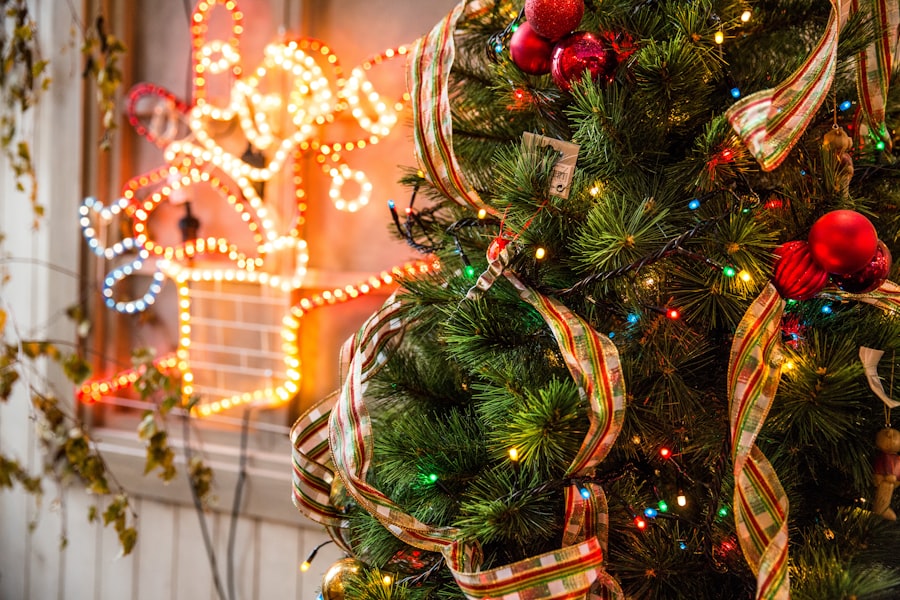
As life evolves, so too do our holiday traditions. Changes such as moving away from home, losing loved ones, or experiencing shifts in family dynamics can pose challenges to maintaining established practices. However, navigating these changes can also lead to growth and adaptation within families.
It is essential to approach these transitions with an open mind and a willingness to embrace new possibilities. For instance, if a beloved family member is no longer able to participate in certain traditions due to health reasons, finding alternative ways to honor their memory can be a meaningful way to keep their spirit alive during the holidays. Additionally, it is important to recognize that not all changes need to be viewed negatively.
New family members—such as spouses or children—can bring fresh perspectives and ideas that enrich holiday celebrations. By being open to incorporating their customs or preferences into existing traditions, families can create a more inclusive environment that reflects their evolving identities. Ultimately, navigating changes in holiday traditions requires flexibility and creativity but can lead to deeper connections and a more profound appreciation for one another.
Honoring the Past while Embracing the Present
Striking a balance between honoring past traditions and embracing present realities is crucial for meaningful holiday celebrations. While it is essential to acknowledge the customs that have shaped our identities, it is equally important to adapt them to fit our current lives. This dual approach allows us to pay tribute to our heritage while also making space for new experiences that resonate with today’s values and lifestyles.
For instance, families may choose to honor their ancestors by sharing stories about them during holiday gatherings while also discussing contemporary issues that matter to them today. This practice not only keeps the memory of loved ones alive but also encourages dialogue about how their values can inform current decisions and actions. By blending past and present in this way, families can create a richer narrative that honors their history while remaining relevant in today’s world.
Fostering Togetherness and Unity through Holiday Traditions
At their heart, holiday traditions are about fostering togetherness and unity among individuals. They provide a platform for people to come together in celebration, reinforcing social bonds that are vital for emotional well-being. In an increasingly fragmented world, these rituals serve as a reminder of the importance of community and connection.
Whether through shared meals, communal activities, or collective acts of kindness, holiday traditions encourage individuals to prioritize relationships over material concerns. Moreover, fostering togetherness during the holidays can have lasting effects on individuals’ mental health and overall happiness. Engaging in shared experiences creates a sense of belonging that is essential for emotional resilience.
As families gather around tables laden with food or participate in festive activities together, they cultivate an atmosphere of love and support that extends beyond the holiday season itself. By prioritizing togetherness through holiday traditions, we not only enrich our own lives but also contribute positively to the well-being of those around us. In conclusion, holiday traditions hold immense significance in our lives as they provide continuity, foster connections, and create meaningful memories with loved ones.
By embracing cultural practices while also incorporating new ideas into our celebrations, we can navigate changes gracefully while honoring both the past and present. Ultimately, these rituals serve as powerful reminders of the joy found in togetherness and unity during this special time of year.
One interesting article related to holiday traditions can be found on Boogger.com. The article discusses the history and significance of Christmas caroling as a beloved holiday tradition. Christmas caroling has been a popular activity for centuries, bringing joy and spreading cheer during the holiday season. To learn more about the origins and evolution of this festive tradition, check out the article here.
FAQs
What are holiday traditions?
Holiday traditions are customs, rituals, and practices that are passed down from generation to generation and are observed during specific holidays or festive occasions.
Why are holiday traditions important?
Holiday traditions are important because they help to create a sense of continuity and connection with the past, strengthen family and community bonds, and provide a sense of comfort and stability during times of change.
What are some common holiday traditions?
Common holiday traditions include decorating a Christmas tree, exchanging gifts, preparing special meals, attending religious services, singing carols, and participating in festive parades or events.
How do holiday traditions vary around the world?
Holiday traditions vary around the world based on cultural, religious, and regional differences. For example, while Christmas is widely celebrated, the specific customs and rituals associated with it can vary greatly from country to country.
How do holiday traditions evolve over time?
Holiday traditions evolve over time as new generations bring their own perspectives and experiences to the celebrations. Additionally, cultural influences, technological advancements, and changing societal norms can also impact the way holiday traditions are observed.