Now Reading: Discovering the Charm of Amrum: A Hidden Gem in Germany
-
01
Discovering the Charm of Amrum: A Hidden Gem in Germany
Discovering the Charm of Amrum: A Hidden Gem in Germany

Amrum is an island in the North Frisian archipelago of Germany, situated in the Wadden Sea. The island covers an area of approximately 20 square kilometers and has a population of around 2,300 residents. Amrum is characterized by extensive sandy beaches along its western coast, heathland, and several small settlements including Nebel, Norddorf, Süddorf, Steenodde, and Wittdün.
The island’s landscape consists of dunes, mudflats, salt marshes, and agricultural areas. Amrum is part of the Schleswig-Holstein Wadden Sea National Park, a UNESCO World Heritage Site that protects the unique tidal ecosystem of the region. The western beach, known as Kniepsand, extends for approximately 12 kilometers and is one of the widest sandy beaches in Northern Europe.
Amrum has a documented history dating back to medieval times, with archaeological evidence indicating earlier settlement periods. The island’s economy traditionally relied on seafaring, fishing, and agriculture. Today, tourism serves as the primary economic sector.
The local population maintains Frisian cultural traditions, including the North Frisian language, which is spoken alongside German. The island is accessible by ferry from the mainland port of Dagebüll and connects to neighboring islands in the archipelago.
Key Takeaways
- Amrum is a picturesque island known for its stunning natural landscapes and unique cultural heritage.
- The island offers a variety of activities and attractions, from beach walks to exploring local traditions.
- Visitors can enjoy authentic regional cuisine and diverse accommodation options catering to different preferences.
- Easy access and transportation options make getting to and around Amrum convenient for travelers.
- The best time to visit and local tips enhance the experience, making Amrum a must-visit destination.
The History of Amrum
The history of Amrum is as rich and varied as its landscapes. Archaeological findings suggest that the island has been inhabited since the Stone Age, with evidence of early settlements dating back thousands of years. The island’s strategic location made it a significant point for maritime trade and navigation during the Viking Age.
Historical records indicate that Amrum was part of the Danish realm until the 19th century when it became integrated into the Kingdom of Prussia. Throughout the centuries, Amrum has faced numerous challenges, including devastating storms and wars that shaped its development. The island’s inhabitants have demonstrated remarkable resilience, adapting to changing circumstances while preserving their unique cultural identity.
Today, visitors can explore historical landmarks such as the iconic lighthouse at Wittdün, which has stood since 1875, serving as a beacon for sailors navigating the treacherous waters of the North Sea.
The Natural Beauty of Amrum
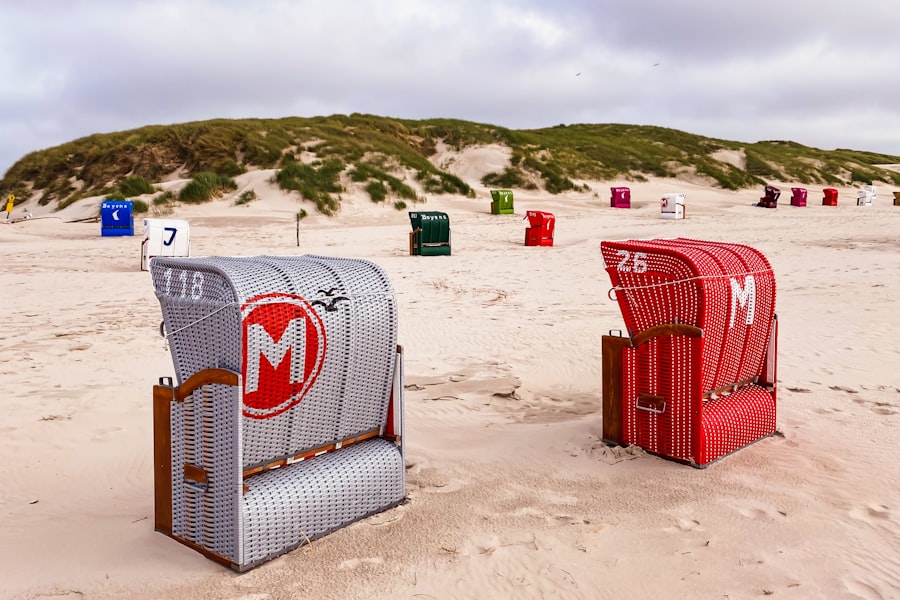
Amrum’s natural beauty is nothing short of breathtaking. The island boasts an impressive array of landscapes, from pristine beaches to rolling sand dunes and verdant forests. The expansive sandy shores stretch for over 15 kilometers, providing ample space for sunbathing, beachcombing, and water sports.
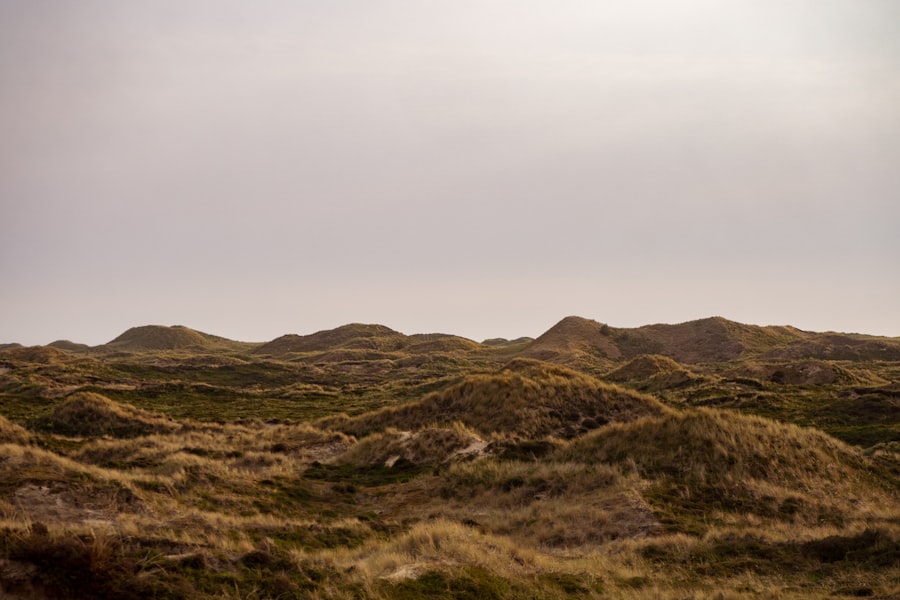
The Wadden Sea, a UNESCO World Heritage Site, is home to a diverse range of flora and fauna, making it a paradise for birdwatchers and nature lovers. One of the most striking features of Amrum is its unique dune landscape, which is constantly shaped by the wind and tides. These dunes provide a habitat for various plant species and serve as a natural barrier against coastal erosion.
Visitors can explore the island’s numerous hiking trails that wind through these stunning landscapes, offering panoramic views of the surrounding sea and sky. The tranquility of Amrum’s natural environment invites visitors to reconnect with nature and experience the island’s serene beauty.
The Unique Culture of Amrum
The culture of Amrum is deeply rooted in its history and traditions. The island’s inhabitants are proud of their Frisian heritage, which is reflected in their language, customs, and festivals. Frisian is still spoken by many locals, adding to the island’s charm and authenticity.
Traditional crafts such as weaving and pottery are celebrated on Amrum, with local artisans showcasing their skills at various markets and events throughout the year.
Festivals celebrating local traditions often feature music, dance, and culinary delights that highlight the island’s unique identity.
Visitors can participate in these festivities, gaining insight into the customs that have shaped Amrum over generations. The warm hospitality of the locals further enhances the cultural experience, making visitors feel welcome and connected to the island’s vibrant community.
Activities and Attractions on Amrum
| Metric | Value | Unit |
|---|---|---|
| Location | Amrum Island, Germany | – |
| Area | 20.46 | km² |
| Population | 2,300 | people |
| Length of Beach | 12 | km |
| Average Annual Temperature | 8.5 | °C |
| Annual Rainfall | 800 | mm |
| Main Economic Activity | Tourism | – |
Amrum offers a plethora of activities and attractions that cater to diverse interests. For outdoor enthusiasts, the island provides numerous opportunities for hiking, cycling, and water sports. The extensive network of trails allows visitors to explore the island’s stunning landscapes while enjoying fresh sea air.
Cycling along the scenic paths is particularly popular, offering a leisurely way to take in the sights. For those seeking relaxation, Amrum’s beaches are perfect for sunbathing or enjoying a leisurely stroll along the shore. The island’s tranquil atmosphere makes it an ideal spot for meditation or simply unwinding with a good book.
Additionally, visitors can engage in water sports such as windsurfing or kite surfing, taking advantage of the favorable conditions provided by the North Sea.
The Cuisine of Amrum
The culinary scene on Amrum is a delightful reflection of its coastal location and cultural heritage. Fresh seafood is a highlight of local cuisine, with dishes featuring fish caught daily from the surrounding waters. Traditional Frisian recipes often incorporate locally sourced ingredients, resulting in flavorful meals that celebrate the island’s agricultural bounty.
One must-try dish is “Matjes,” a type of pickled herring that is typically served with onions and potatoes. Another local specialty is “Friesentorte,” a delicious cake made with layers of cream and fruit that showcases the island’s sweet offerings. Visitors can savor these culinary delights at local restaurants or during food festivals that celebrate Amrum’s gastronomic traditions.
Accommodation Options on Amrum
Amrum offers a variety of accommodation options to suit different preferences and budgets. From charming guesthouses to modern hotels, visitors can find comfortable lodging that enhances their experience on the island. Many accommodations are strategically located near the beach or within walking distance of local attractions.
For those seeking a more immersive experience, vacation rentals provide an opportunity to live like a local. These homes often come equipped with kitchens, allowing guests to prepare their own meals using fresh ingredients from local markets. Camping is also an option for adventurous travelers who wish to connect with nature while enjoying stunning views of the surrounding landscapes.
Getting to and Around Amrum
Reaching Amrum is relatively straightforward, with several transportation options available for travelers. The most common way to access the island is via ferry services from mainland ports such as Dagebüll or Föhr. The ferry ride offers scenic views of the Wadden Sea and takes approximately 30 minutes to an hour, depending on the route.
Once on the island, getting around is convenient due to its compact size. Bicycles are a popular mode of transportation, with rental services available at various locations. Walking is also encouraged, as many attractions are easily accessible on foot.
Public transportation options include buses that connect different parts of the island, ensuring that visitors can explore all that Amrum has to offer.
The Best Time to Visit Amrum
The ideal time to visit Amrum largely depends on personal preferences regarding weather and activities. The summer months from June to August are particularly popular among tourists due to warm temperatures and longer daylight hours. This period is perfect for beach activities and outdoor exploration.
However, spring (April to May) and autumn (September to October) also offer unique experiences on Amrum. During these seasons, visitors can enjoy milder weather while avoiding large crowds. Spring brings blooming flowers and vibrant landscapes, while autumn showcases stunning sunsets over the sea.
Winter months can be quiet but provide an opportunity for solitude and reflection amidst nature’s beauty.
Tips for Exploring Amrum Like a Local
To truly experience Amrum like a local, consider embracing some insider tips during your visit. Start by learning a few basic phrases in Frisian; locals appreciate any effort made to communicate in their native language. Engage with residents at markets or festivals to gain insight into their way of life.
Exploring lesser-known trails or hidden beaches can lead to delightful discoveries away from tourist hotspots. Additionally, participating in local events or workshops can provide a deeper understanding of Amrum’s culture and traditions. Finally, savoring traditional dishes at family-run eateries will enhance your culinary experience while supporting local businesses.
Why Amrum Should Be on Your Travel Bucket List
In conclusion, Amrum stands out as an exceptional travel destination that combines natural beauty, rich history, unique culture, and delightful cuisine. Its serene environment offers an ideal escape for those seeking relaxation or adventure alike. With diverse activities ranging from outdoor exploration to cultural immersion, there is something for everyone on this enchanting island.
Whether you are drawn by its stunning landscapes or intrigued by its vibrant community life, Amrum promises an unforgettable experience that will linger long after your visit. As you plan your next getaway, consider adding this hidden gem to your travel bucket list—Amrum awaits with open arms!
Amrum, a picturesque island in the North Sea, offers a unique blend of natural beauty and cultural experiences. For those interested in exploring more about travel and leisure, you might find the article on federal holidays insightful, as it can help you plan your trips around these dates. Check out the article here: Federal Holidays 2021: A Complete Guide.
FAQs
What is Amrum?
Amrum is a small island located in the North Sea, part of the North Frisian Islands in Germany. It is known for its natural beauty, sandy beaches, and unique dune landscapes.
Where is Amrum located?
Amrum is situated off the coast of Schleswig-Holstein in northern Germany, between the islands of Föhr and Sylt in the North Sea.
How can I get to Amrum?
Amrum can be reached by ferry from the mainland town of Dagebüll. The ferry service operates regularly and is the primary means of transportation to the island.
What is the climate like on Amrum?
Amrum has a temperate maritime climate, characterized by mild summers, cool winters, and relatively high humidity. The weather can be changeable, with frequent winds and occasional rain.
What activities can visitors do on Amrum?
Visitors to Amrum can enjoy activities such as hiking, cycling, bird watching, beachcombing, and exploring the island’s dunes and nature reserves. The island is also popular for water sports like windsurfing and sailing.
Are there accommodations available on Amrum?
Yes, Amrum offers a range of accommodations including hotels, guesthouses, holiday apartments, and campsites to suit different preferences and budgets.
Is Amrum suitable for family vacations?
Yes, Amrum is family-friendly with safe beaches, shallow waters, and plenty of outdoor activities suitable for children and adults alike.
What languages are spoken on Amrum?
The primary language spoken on Amrum is German. However, due to tourism, English is also commonly understood in many places.
Are there any special environmental protections on Amrum?
Yes, parts of Amrum are designated as protected nature reserves to preserve its unique dune ecosystems and wildlife habitats. Visitors are encouraged to respect these areas and follow local guidelines.
When is the best time to visit Amrum?
The best time to visit Amrum is during the late spring to early autumn months (May to September) when the weather is milder and more suitable for outdoor activities.