Now Reading: Empowering Law Enforcement: The Role of the Officer
-
01
Empowering Law Enforcement: The Role of the Officer
Empowering Law Enforcement: The Role of the Officer

Law enforcement officers serve as the backbone of public safety, tasked with maintaining order, enforcing laws, and protecting citizens. Their responsibilities extend beyond mere enforcement; they are also community leaders, educators, and mediators. Officers are often the first responders in emergencies, requiring them to possess a diverse skill set that includes critical thinking, communication, and conflict resolution.
The multifaceted nature of their role necessitates a deep understanding of legal frameworks, social dynamics, and ethical considerations. In addition to their law enforcement duties, officers are expected to engage with the community proactively. This engagement fosters a sense of security and trust among citizens, which is essential for effective policing.
Officers must navigate complex social issues such as crime prevention, public health crises, and community relations. Their ability to adapt to these challenges is crucial for fostering a safe environment and ensuring that justice is served equitably.
Key Takeaways
- Law enforcement officers require comprehensive training and education to perform effectively and ethically.
- Building trust and strong community relationships is essential for successful policing.
- Utilizing technology and procedural justice practices enhances fairness and efficiency in law enforcement.
- Promoting mental health, addressing bias, and supporting officer resilience improve overall officer well-being.
- Collaboration with other agencies and community partners strengthens leadership, accountability, and crisis intervention efforts.
Training and Education for Law Enforcement Officers
The training and education of law enforcement officers are paramount in preparing them for the complexities of their roles. Most police academies provide a comprehensive curriculum that includes physical training, legal education, ethics, and community policing strategies. Recruits undergo rigorous physical conditioning to ensure they can handle the demands of the job, while classroom instruction covers topics such as criminal law, constitutional rights, and investigative techniques.
Continuing education is equally important for officers throughout their careers. Regular training sessions on emerging issues such as cybercrime, mental health crises, and cultural competency are essential for keeping officers informed and effective. Advanced training programs often include specialized units focusing on areas like narcotics enforcement or homicide investigations.
This ongoing education not only enhances individual officer performance but also contributes to the overall effectiveness of law enforcement agencies.
Building Trust and Community Relationships
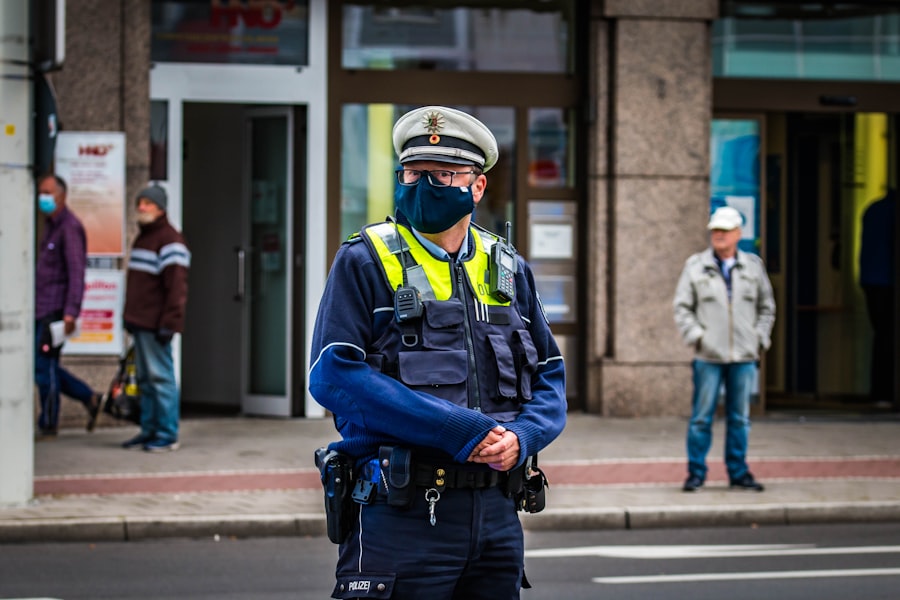
Establishing trust between law enforcement agencies and the communities they serve is critical for effective policing. Trust is built through transparency, accountability, and consistent engagement with community members. Officers who actively participate in community events, town hall meetings, and outreach programs can foster positive relationships that enhance public safety.
Community policing initiatives are designed to bridge the gap between officers and citizens. These programs encourage collaboration on crime prevention strategies and promote open lines of communication. By involving community members in decision-making processes, law enforcement agencies can better understand local concerns and tailor their approaches accordingly.
This collaborative effort not only improves public perception but also enhances the overall effectiveness of policing strategies.
Utilizing Technology and Tools for Effective Policing
In an era defined by rapid technological advancements, law enforcement agencies must leverage innovative tools to enhance their effectiveness. Technologies such as body-worn cameras, automated license plate readers, and predictive policing software have transformed the landscape of modern policing. Body-worn cameras promote transparency and accountability by providing an objective record of interactions between officers and the public.
Moreover, data analytics plays a crucial role in crime prevention strategies. By analyzing crime patterns and trends, law enforcement agencies can allocate resources more effectively and develop targeted interventions. Social media platforms also serve as valuable tools for communication and engagement with the community.
Officers can disseminate information quickly, solicit tips from the public, and foster a sense of community involvement in public safety efforts.
Implementing Procedural Justice and Fairness
| Officer Name | Rank | Department | Years of Service | Cases Handled | Commendations |
|---|---|---|---|---|---|
| John Smith | Sergeant | Homicide | 12 | 150 | 5 |
| Emily Johnson | Lieutenant | Traffic | 8 | 200 | 3 |
| Michael Brown | Captain | Detective | 15 | 300 | 7 |
| Sarah Davis | Officer | Patrol | 5 | 100 | 2 |
| David Wilson | Sergeant | SWAT | 10 | 120 | 4 |
Procedural justice is a critical concept in law enforcement that emphasizes fairness in the processes by which decisions are made. Officers must ensure that all individuals are treated with respect and dignity during interactions, regardless of their background or circumstances. This approach not only enhances public trust but also reduces perceptions of bias within the community.
Training programs focused on procedural justice equip officers with the skills necessary to communicate effectively and empathetically with citizens. By actively listening to individuals’ concerns and providing clear explanations for actions taken, officers can foster a sense of legitimacy in their authority. This commitment to fairness can lead to improved cooperation from community members and ultimately contribute to more effective policing outcomes.
Promoting Mental Health and Wellness for Officers
The mental health and wellness of law enforcement officers are paramount for maintaining a resilient workforce capable of handling the stresses associated with policing. Officers frequently encounter traumatic situations that can lead to mental health challenges such as post-traumatic stress disorder (PTSD), anxiety, and depression. Agencies must prioritize mental health resources to support their personnel effectively.
Implementing wellness programs that include counseling services, peer support networks, and stress management training can significantly improve officer well-being. Regular mental health check-ins should be integrated into departmental practices to ensure that officers receive the support they need. By fostering a culture that prioritizes mental health, law enforcement agencies can enhance officer resilience and overall job satisfaction.
Addressing Bias and Diversity in Law Enforcement
Addressing bias within law enforcement is essential for promoting equity and justice in policing practices. Implicit biases can influence decision-making processes, leading to disproportionate impacts on marginalized communities. Training programs focused on diversity awareness and bias recognition are crucial for equipping officers with the tools necessary to mitigate these biases.
Recruitment efforts should prioritize diversity within law enforcement agencies to reflect the communities they serve better. A diverse workforce brings varied perspectives that can enhance problem-solving capabilities and improve community relations. By fostering an inclusive environment within departments, agencies can work towards dismantling systemic biases that may exist in policing practices.
Strengthening Leadership and Accountability
Effective leadership is vital for fostering a culture of accountability within law enforcement agencies. Leaders must model ethical behavior and establish clear expectations for their personnel regarding conduct and performance. Transparent policies regarding misconduct investigations should be implemented to ensure accountability at all levels.
Leadership training programs should focus on developing skills such as conflict resolution, communication, and decision-making. By empowering leaders within departments to promote ethical practices and accountability, agencies can create an environment where officers feel supported in upholding high standards of conduct.
Enhancing Crisis Intervention and De-escalation Techniques
Crisis intervention training equips officers with the skills necessary to handle high-stress situations effectively while minimizing harm to all parties involved. De-escalation techniques are particularly important when dealing with individuals experiencing mental health crises or exhibiting aggressive behavior. Officers trained in these techniques can diffuse potentially volatile situations through effective communication strategies.
Agencies should collaborate with mental health professionals to develop comprehensive crisis intervention programs that include specialized training for officers. By integrating mental health resources into policing practices, law enforcement agencies can enhance their ability to respond compassionately and effectively during crises.
Supporting Officer Resilience and Professional Development
Supporting officer resilience is essential for maintaining a motivated workforce capable of navigating the challenges associated with policing. Professional development opportunities should be made available to all personnel to encourage continuous learning and growth within the field. Workshops on leadership skills, conflict resolution, and community engagement can empower officers to excel in their roles.
Additionally, mentorship programs can provide guidance for new recruits as they transition into their roles within law enforcement.
Collaborating with Other Agencies and Community Partners
Collaboration between law enforcement agencies and community partners is essential for addressing complex social issues effectively.
These collaborations facilitate a holistic approach to public safety that addresses underlying issues contributing to crime.
Joint initiatives such as community outreach programs or crime prevention workshops can strengthen relationships between law enforcement agencies and community stakeholders. By working together towards common goals, agencies can create safer environments while fostering trust among citizens. In summary, law enforcement officers play a critical role in maintaining public safety through effective training, community engagement, technological utilization, procedural justice implementation, mental health support, bias reduction efforts, strong leadership practices, crisis intervention techniques, resilience promotion, professional development opportunities, and collaborative partnerships with other agencies.
Prioritizing these areas will enhance the effectiveness of policing while fostering trust within communities they serve.
In recent discussions about federal holidays, it’s interesting to note the significance of Juneteenth as America’s newest federal holiday. This celebration not only marks the end of slavery in the United States but also highlights the ongoing journey toward equality and justice. For a deeper understanding of the implications of this holiday, you can read more in the article on Juneteenth at Juneteenth: America’s Newest Federal Holiday.
FAQs
What is the role of an officer?
An officer is a person who holds a position of authority or command in an organization, such as the military, police, or a corporation. Their responsibilities typically include enforcing laws, maintaining order, managing personnel, and executing policies.
What types of officers are there?
There are various types of officers, including police officers, military officers, corporate officers (such as CEOs and CFOs), and government officers. Each type has specific duties related to their field.
What qualifications are required to become an officer?
Qualifications vary depending on the type of officer. Generally, candidates must meet educational requirements, pass physical and background checks, complete training programs, and sometimes pass exams or obtain certifications.
How does one become a police officer?
To become a police officer, candidates usually need a high school diploma or equivalent, complete police academy training, pass physical and psychological tests, and undergo background checks. Some departments may require college coursework or degrees.
What is the difference between a commissioned and non-commissioned officer?
A commissioned officer has received a formal commission, granting them authority from a government or organization, often involving leadership roles. Non-commissioned officers (NCOs) are enlisted members with leadership responsibilities but do not hold commissions.
What are the typical duties of a military officer?
Military officers lead and manage troops, plan and execute missions, ensure discipline, and make strategic decisions. They also handle administrative tasks and coordinate with other units.
Can officers be held legally responsible for their actions?
Yes, officers can be held legally accountable for misconduct, negligence, or violations of laws and regulations. This accountability varies by jurisdiction and the nature of their duties.
What is the importance of ethics for officers?
Ethics are crucial for officers to maintain public trust, ensure fair and just enforcement of laws, and uphold the integrity of their organization. Ethical behavior helps prevent abuse of power and corruption.
Do officers receive ongoing training?
Yes, many officers undergo continuous training to update their skills, learn new laws and procedures, and improve their effectiveness in their roles.
What career advancement opportunities exist for officers?
Officers can advance through ranks or positions based on experience, performance, education, and additional training. Higher ranks often involve greater leadership responsibilities and specialized roles.