Now Reading: Officer Safety: Essential Tips for Law Enforcement
-
01
Officer Safety: Essential Tips for Law Enforcement
Officer Safety: Essential Tips for Law Enforcement

Law enforcement officer safety is a critical component of effective policing operations and public safety maintenance. Officer safety encompasses multiple dimensions including physical protection, psychological well-being, and tactical security measures. Police officers face documented occupational hazards ranging from routine patrol activities and traffic enforcement to armed confrontations and emergency response situations.
Statistical analysis of law enforcement incidents demonstrates the necessity of comprehensive safety protocols and risk assessment procedures. Research indicates that officer safety measures directly correlate with operational effectiveness and community relations outcomes. Officers operating under established safety protocols demonstrate improved decision-making capabilities and enhanced public interaction quality.
Studies show that departments with robust safety training programs experience higher levels of community cooperation and information sharing. This cooperation facilitates intelligence collection, crime prevention initiatives, and investigative processes. Consequently, officer safety protocols serve dual functions: protecting personnel and optimizing law enforcement effectiveness through improved community partnerships and operational capacity.
Key Takeaways
- Officer safety is crucial and relies on proper equipment, situational awareness, and effective communication.
- Implementing tactics, de-escalation techniques, and threat recognition helps minimize risks during encounters.
- Continuous physical and mental training enhances preparedness for various situations.
- Leveraging technology can improve safety measures and operational efficiency.
- Building community relationships and pursuing ongoing education support long-term officer safety and effectiveness.
Utilizing proper equipment and protective gear
The utilization of appropriate equipment and protective gear is essential for ensuring officer safety during various law enforcement activities. Officers are equipped with a range of tools designed to enhance their safety and effectiveness, including firearms, non-lethal weapons, body armor, and communication devices. Each piece of equipment serves a specific purpose and must be selected based on the operational context and potential threats faced by officers.
Body armor, for instance, is a critical component of an officer’s protective gear.
Officers must be trained in the proper use and maintenance of this equipment to ensure maximum protection.
Additionally, non-lethal options such as tasers or pepper spray offer alternatives for subduing suspects without resorting to lethal force, thereby reducing the risk of fatal encounters. Regular assessments of equipment functionality and suitability are necessary to adapt to evolving threats and ensure that officers are always prepared for any situation.
Maintaining situational awareness at all times
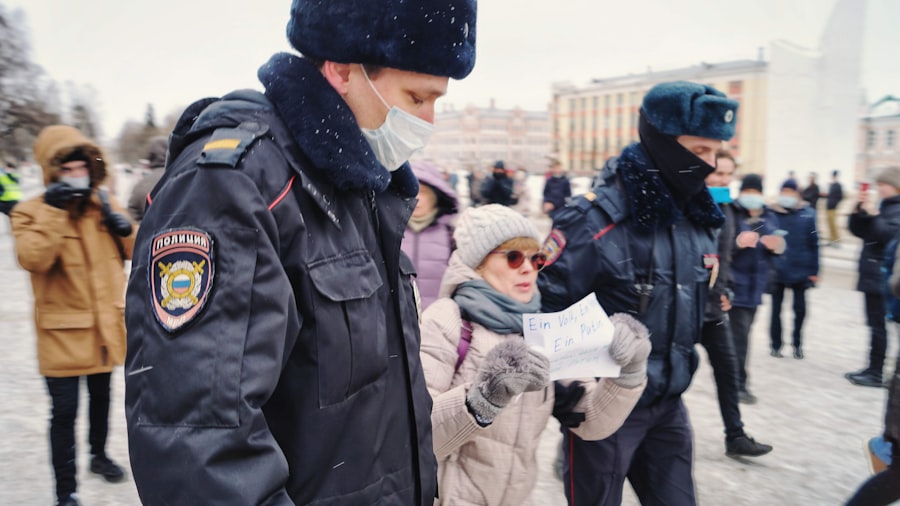
Situational awareness is a fundamental skill that every law enforcement officer must cultivate to enhance their safety and effectiveness. This concept involves being acutely aware of one’s surroundings, recognizing potential threats, and understanding the dynamics of interactions with the public. Officers must develop the ability to assess environments quickly, identifying any changes that may indicate danger or require immediate action.
To maintain situational awareness, officers should engage in continuous observation and analysis of their surroundings. This includes monitoring the behavior of individuals in proximity, recognizing unusual patterns, and being attuned to environmental cues that may signal potential risks. Training exercises that simulate real-life scenarios can help officers practice these skills in a controlled environment, allowing them to refine their ability to respond effectively under pressure.
By fostering a culture of vigilance and proactive assessment, law enforcement agencies can significantly enhance officer safety during daily operations.
Communicating effectively with fellow officers
Effective communication among law enforcement personnel is crucial for ensuring officer safety during operations. Clear and concise communication can prevent misunderstandings that may lead to dangerous situations. Officers must be trained in various communication techniques, including verbal commands, non-verbal cues, and the use of radio systems to relay critical information swiftly.
In high-stress situations, maintaining calm and assertive communication can de-escalate potential conflicts and facilitate coordinated responses among team members. Regular briefings before operations can help establish clear roles and expectations, ensuring that all officers are on the same page regarding tactics and objectives. Additionally, utilizing technology such as body-worn cameras can enhance accountability and provide valuable insights into interactions with the public, further improving communication strategies within law enforcement agencies.
Implementing effective tactics and strategies during encounters
| Officer Name | Rank | Department | Years of Service | Cases Handled | Commendations |
|---|---|---|---|---|---|
| John Smith | Sergeant | Homicide | 12 | 150 | 5 |
| Emily Johnson | Lieutenant | Traffic | 8 | 200 | 3 |
| Michael Brown | Captain | Detective | 15 | 300 | 7 |
| Sarah Davis | Officer | Patrol | 5 | 100 | 2 |
| David Wilson | Sergeant | SWAT | 10 | 120 | 4 |
The implementation of effective tactics and strategies during encounters with suspects is vital for ensuring officer safety while minimizing risks to civilians. Officers must be trained in various approaches tailored to different scenarios, whether it involves engaging a non-compliant individual or managing a volatile crowd. Understanding the principles of use-of-force continuum allows officers to make informed decisions about the appropriate level of response based on the situation at hand.
Moreover, employing tactical formations during operations can enhance officer safety by providing cover and support for each member of the team. For instance, utilizing a “stack” formation when approaching a building can ensure that officers are protected while maintaining visibility and control over the environment. Continuous training in these tactics is essential for preparing officers to respond effectively in dynamic situations where split-second decisions can have significant consequences.
Practicing de-escalation techniques to minimize risk

De-escalation techniques are critical tools for law enforcement officers aiming to minimize risks during confrontations with individuals exhibiting aggressive or erratic behavior. These techniques focus on calming individuals through verbal communication, active listening, and empathy rather than resorting to physical force. Training in de-escalation strategies equips officers with the skills necessary to diffuse potentially volatile situations while prioritizing safety for all parties involved.
Officers should be trained to recognize signs of agitation or distress in individuals and employ techniques such as maintaining a non-threatening posture, using a calm tone of voice, and allowing individuals to express their concerns. By establishing rapport and demonstrating understanding, officers can often resolve conflicts without escalating tensions or resorting to forceful measures. Regular practice of these techniques through scenario-based training can enhance officers’ confidence in their ability to manage difficult encounters effectively.
Recognizing potential threats and assessing risk levels
The ability to recognize potential threats and assess risk levels is a critical skill for law enforcement officers tasked with ensuring public safety. Officers must be trained to identify indicators of danger in various contexts, whether during routine patrols or responding to emergency calls. This involves understanding behavioral cues that may suggest aggression or intent to harm, as well as environmental factors that could pose risks.
Risk assessment should be an ongoing process throughout an officer’s shift. By continuously evaluating their surroundings and the behavior of individuals they encounter, officers can make informed decisions about their level of engagement and response strategies. Training programs that emphasize threat recognition and risk assessment can significantly enhance an officer’s situational awareness and decision-making capabilities in high-pressure situations.
Training for physical and mental preparedness
Physical fitness and mental resilience are essential components of officer safety in law enforcement. Officers face physically demanding situations that require strength, endurance, and agility. Regular physical training not only enhances an officer’s ability to perform their duties effectively but also contributes to overall well-being and stress management.
Mental preparedness is equally important in equipping officers to handle the psychological demands of policing. Exposure to traumatic incidents can lead to stress-related disorders if not addressed appropriately. Agencies should prioritize mental health resources, including counseling services and peer support programs, to help officers cope with the challenges they face on duty.
Comprehensive training programs that address both physical fitness and mental health can create a more resilient workforce capable of navigating the complexities of law enforcement.
Utilizing technology for enhanced safety measures
The integration of technology into law enforcement practices has revolutionized officer safety measures significantly. Advanced tools such as body-worn cameras provide transparency during interactions with the public while serving as valuable evidence in investigations. Additionally, real-time data analytics can assist officers in identifying crime trends and deploying resources more effectively.
Communication technologies also play a crucial role in enhancing officer safety. Mobile applications designed for law enforcement can facilitate rapid information sharing among officers in the field, allowing them to stay informed about potential threats or ongoing incidents. Furthermore, GPS tracking systems enable agencies to monitor officer locations during high-risk operations, ensuring timely support when needed.
Embracing technological advancements can significantly bolster officer safety protocols while improving overall operational efficiency.
Establishing strong relationships with the community for support
Building strong relationships with community members is essential for fostering trust between law enforcement agencies and the public they serve. Community-oriented policing initiatives encourage collaboration between officers and residents, creating an environment where individuals feel comfortable reporting concerns or providing information about criminal activity. Engaging with community members through outreach programs, town hall meetings, or school visits allows officers to establish rapport and demonstrate their commitment to public safety.
This collaborative approach not only enhances officer safety but also contributes to overall crime reduction efforts within neighborhoods.
Seeking ongoing education and training for continuous improvement
Continuous education and training are vital components of professional development for law enforcement officers seeking to enhance their skills and knowledge base. The landscape of policing is constantly evolving due to changes in laws, societal expectations, and emerging technologies. Therefore, ongoing training programs should be implemented to ensure that officers remain informed about best practices in areas such as crisis intervention, cultural competency, and legal updates.
Participating in workshops, seminars, or specialized training courses allows officers to refine their skills while learning from experts in various fields related to law enforcement. Additionally, agencies should encourage peer-to-peer learning opportunities where experienced officers can share insights with newer recruits. By fostering a culture of continuous improvement through education and training initiatives, law enforcement agencies can better equip their personnel to navigate the complexities of modern policing effectively.
In summary, ensuring officer safety is a multifaceted endeavor that requires a comprehensive approach encompassing proper equipment usage, situational awareness, effective communication, tactical strategies, de-escalation techniques, threat recognition, physical fitness training, technological integration, community engagement, and ongoing education. By prioritizing these elements within law enforcement agencies, we can create safer environments for both officers and the communities they serve while enhancing overall public trust in policing practices.
If you’re interested in understanding the various benefits and support systems available for those who have served in the military, you might find the article on the significance of Veterans Day as a federal holiday particularly insightful. It explores the importance of honoring our veterans and the impact of this day on national consciousness. You can read more about it here: Honoring Our Veterans: The Significance of Veterans Day as a Federal Holiday.
FAQs
What is the role of an officer?
An officer is a person who holds a position of authority or command in an organization, such as the military, police, or a corporation. Their role typically involves leadership, decision-making, and ensuring that rules and policies are followed.
What types of officers are there?
There are various types of officers, including military officers, police officers, corporate officers (such as CEOs and CFOs), and government officers. Each type has specific duties related to their field.
How does one become a military officer?
To become a military officer, individuals usually need to complete officer training programs, which may include attending a military academy, completing a college ROTC program, or attending Officer Candidate School (OCS).
What qualifications are required to be a police officer?
Qualifications for police officers typically include a high school diploma or equivalent, completion of police academy training, physical fitness, and passing background checks. Some departments may require college coursework or degrees.
What responsibilities do corporate officers have?
Corporate officers, such as presidents, vice presidents, and treasurers, are responsible for managing the company’s operations, making strategic decisions, and ensuring compliance with laws and regulations.
Are officers required to follow a code of conduct?
Yes, officers in all fields are generally required to adhere to a code of conduct or ethics that governs their professional behavior and responsibilities.
What is the difference between a commissioned and non-commissioned officer?
A commissioned officer has received a formal commission granting authority from a government or organization, often involving leadership roles. Non-commissioned officers (NCOs) typically hold lower ranks and serve as enlisted leaders or supervisors.
Can officers be held legally responsible for their actions?
Yes, officers can be held legally accountable for their actions, especially if they violate laws, regulations, or ethical standards related to their duties.
What training do officers typically undergo?
Officers undergo specialized training relevant to their roles, which may include leadership development, tactical skills, legal education, and ethical instruction.
How do officers contribute to public safety?
Officers, particularly in law enforcement and the military, contribute to public safety by enforcing laws, maintaining order, protecting citizens, and responding to emergencies.