Now Reading: Texas Roadhouse Closes Locations Across Texas
-
01
Texas Roadhouse Closes Locations Across Texas
Texas Roadhouse Closes Locations Across Texas

Texas Roadhouse, an American steakhouse chain established in 1993, has recently implemented multiple location closures across its network of over 600 restaurants nationwide. These closures represent a notable development for the company, which has built its reputation on hand-cut steaks and an energetic dining environment. The decision to close several establishments has prompted industry analysis regarding the specific factors driving these changes.
The situation highlights operational challenges facing Texas Roadhouse despite its established market position and loyal customer following. As with many restaurant businesses, the company operates in a competitive and changing industry landscape where even successful chains must adapt to economic realities.
The specific causes behind these closures warrant examination to fully understand their significance for employees, customers, and investors connected to the brand.
Key Takeaways
- Texas Roadhouse is closing several locations due to financial and operational challenges.
- The closures have led to job losses, affecting many employees across Texas.
- The company has issued statements addressing the closures and outlining support measures.
- Customer reactions have been mixed, with some expressing disappointment and others understanding.
- Future plans include opening new locations, aiming to adapt to market conditions and community needs.
Reasons for the closures
Several factors have contributed to the recent closures of Texas Roadhouse locations. One primary reason is the ongoing labor shortage that has plagued the restaurant industry since the COVID-19 pandemic. Many establishments have struggled to find and retain qualified staff, leading to operational inefficiencies and increased labor costs.
Texas Roadhouse, known for its commitment to quality service, has faced challenges in maintaining its high standards amid staffing shortages. Additionally, rising food costs have significantly impacted profitability. The price of essential ingredients such as beef, chicken, and produce has surged due to supply chain disruptions and inflationary pressures.
These increased costs have forced many restaurants, including Texas Roadhouse, to reevaluate their pricing strategies and operational models. As a result, some locations may have become financially unsustainable, leading to their closure.
Impact on employees
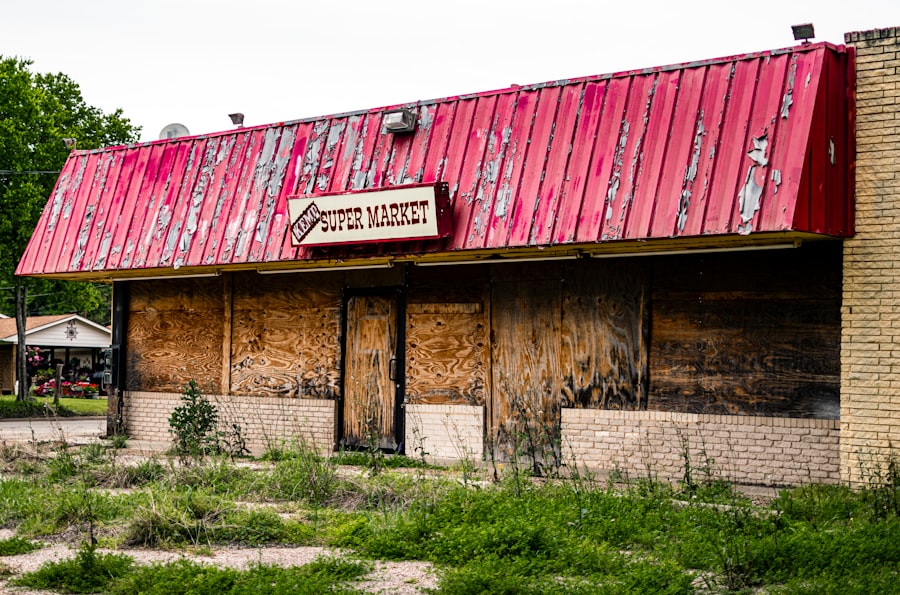
The closure of Texas Roadhouse locations has profound implications for employees who rely on their jobs for financial stability. Many workers in the restaurant industry are part-time or hourly employees, making them particularly vulnerable during times of economic uncertainty. The loss of jobs not only affects their immediate income but also impacts their long-term career prospects within the hospitality sector.
Moreover, employees often develop strong bonds with their colleagues and customers, creating a sense of community within each location. The closure of a restaurant can lead to feelings of loss and uncertainty among staff members who have invested time and effort into building relationships and providing excellent service. For many, the closure represents not just a job loss but a disruption of their social network and professional identity.
Response from Texas Roadhouse
In response to the closures, Texas Roadhouse has taken proactive measures to address the challenges facing its operations. The company has implemented various strategies aimed at improving employee retention and recruitment. This includes offering competitive wages, enhanced benefits packages, and flexible scheduling options to attract potential hires in a tight labor market.
Furthermore, Texas Roadhouse has focused on optimizing its supply chain management to mitigate rising food costs. By establishing stronger relationships with suppliers and exploring alternative sourcing options, the company aims to stabilize its ingredient prices while maintaining quality standards. These efforts reflect a commitment to not only surviving but thriving in a challenging economic landscape.
Reaction from customers
| Metric | Data |
|---|---|
| Number of Locations Closing | Approximately 20 |
| Reason for Closing | Underperformance and lease expirations |
| Impact on Employees | Estimated 500 job losses |
| Regions Affected | Midwest and Southern US |
| Closure Announcement Date | March 2024 |
| Company Response | Offering severance and job placement assistance |
The reaction from customers regarding the closures has been mixed, with many expressing disappointment over losing their favorite dining spots. Loyal patrons often associate Texas Roadhouse with memorable experiences, from celebratory dinners to casual family outings. The emotional connection that customers have with the brand amplifies their concern over closures, as they fear losing access to a beloved dining experience.
Social media platforms have become a space for customers to voice their opinions and share their sentiments about the closures. Many have taken to platforms like Twitter and Facebook to express their support for affected employees while lamenting the loss of their local Texas Roadhouse. This outpouring of emotion highlights the brand’s significance in local communities and underscores the importance of customer loyalty in the restaurant industry.
Plans for future locations
Despite the recent closures, Texas Roadhouse remains committed to its growth strategy and plans to open new locations in the future. The company is actively seeking opportunities in markets where it can establish a strong presence and cater to customer demand. By focusing on areas with favorable demographics and limited competition, Texas Roadhouse aims to expand its footprint while ensuring operational viability.
Additionally, Texas Roadhouse is exploring innovative concepts that align with changing consumer preferences. This includes enhancing its takeout and delivery services to adapt to evolving dining habits post-pandemic. By diversifying its offerings and expanding into new markets, Texas Roadhouse seeks to position itself for long-term success while navigating current challenges.
Comparison to other restaurant closures in Texas
The closures of Texas Roadhouse locations are not isolated incidents; they reflect broader trends within the Texas restaurant landscape. Many establishments across the state have faced similar challenges due to labor shortages, rising costs, and shifting consumer behaviors.
Comparatively, Texas Roadhouse’s approach to addressing these challenges sets it apart from some competitors who may be struggling more significantly. While other chains have opted for drastic measures such as bankruptcy filings or mass layoffs, Texas Roadhouse has focused on strategic adjustments aimed at preserving its brand identity and customer loyalty.
Financial implications for the company
The financial implications of these closures are multifaceted and warrant careful consideration. On one hand, closing underperforming locations can lead to short-term cost savings by reducing overhead expenses associated with rent, utilities, and staffing. However, these savings must be weighed against potential revenue losses from loyal customers who may choose to dine elsewhere.
Moreover, investor confidence may be affected by perceptions of instability within the company. Shareholders closely monitor performance metrics such as same-store sales growth and overall profitability. A decline in these metrics due to closures could lead to fluctuations in stock prices and impact future investment opportunities for Texas Roadhouse.
Analysis of the restaurant industry in Texas
The restaurant industry in Texas is characterized by its diversity and resilience. With a rich culinary heritage that encompasses everything from Tex-Mex cuisine to barbecue joints, the state boasts a vibrant dining scene that attracts both locals and tourists alike. However, recent economic challenges have tested this resilience as restaurants grapple with labor shortages, supply chain disruptions, and changing consumer preferences.
In this competitive landscape, adaptability is key for success. Restaurants that can pivot quickly in response to market demands are more likely to thrive despite external pressures. As Texas Roadhouse navigates these challenges, its ability to innovate and respond effectively will be critical in maintaining its position as a leader in the industry.
Potential effects on local communities
The closure of Texas Roadhouse locations can have significant ripple effects on local communities beyond just job losses. Restaurants often serve as gathering places where families celebrate milestones and friends connect over meals. The absence of such establishments can diminish community cohesion and reduce opportunities for social interaction.
Additionally, local economies may suffer as restaurants contribute to job creation and tax revenue generation. The loss of a popular chain like Texas Roadhouse can lead to decreased foot traffic in surrounding businesses, impacting everything from retail shops to service providers. As communities grapple with these changes, fostering support for remaining local establishments becomes increasingly important.
Conclusion and outlook for Texas Roadhouse
In conclusion, the recent closures of Texas Roadhouse locations highlight the complexities facing the restaurant industry today. While challenges such as labor shortages and rising costs pose significant hurdles, the company’s proactive response demonstrates its commitment to navigating these issues effectively. By focusing on employee retention, optimizing supply chains, and exploring new market opportunities, Texas Roadhouse aims to emerge stronger from this period of uncertainty.
Looking ahead, the outlook for Texas Roadhouse remains cautiously optimistic. As it adapts to changing consumer preferences and continues expanding its footprint strategically, there is potential for recovery and growth in the coming years. Ultimately, the resilience of both the brand and its loyal customer base will play a pivotal role in shaping its future trajectory within an ever-evolving industry landscape.
Texas Roadhouse has recently announced the closing of several locations, which has raised concerns among loyal customers and employees alike. For those interested in understanding the broader implications of business closures in the current economic climate, you might find this article on the importance of leadership during challenging times insightful: Honoring Our Nation’s Leaders.
FAQs
Why is Texas Roadhouse closing some of its locations?
Texas Roadhouse may close certain locations due to factors such as underperformance, lease expirations, or strategic business decisions aimed at optimizing their restaurant portfolio.
Are all Texas Roadhouse restaurants closing permanently?
No, not all Texas Roadhouse restaurants are closing. Closures typically affect specific locations, while many others remain open and operational.
How can I find out if my local Texas Roadhouse is closing?
You can check the official Texas Roadhouse website, contact the restaurant directly, or look for local news updates to confirm if a specific location is closing.
Will Texas Roadhouse offer any support or compensation to employees affected by closures?
Texas Roadhouse generally follows local labor laws and company policies regarding employee support during closures, which may include severance packages or assistance with job placement, but specifics vary by location.
When will the announced Texas Roadhouse closures take effect?
Closure dates vary by location and are typically announced in advance to allow customers and employees to prepare. Exact dates can be confirmed through official company communications.
Will Texas Roadhouse reopen any closed locations in the future?
There is no public information confirming plans to reopen closed Texas Roadhouse locations; decisions depend on market conditions and company strategy.
How will Texas Roadhouse closures affect gift cards or reservations?
Gift cards remain valid at other Texas Roadhouse locations unless otherwise stated. Reservations at closing locations will be canceled, and customers should contact the restaurant for alternatives.
Is Texas Roadhouse closing due to financial difficulties?
Closures can be part of routine business adjustments and do not necessarily indicate financial trouble. For detailed financial information, refer to Texas Roadhouse’s official financial statements or press releases.