Now Reading: Exploring the Enchanting Forest: A Nature Lover’s Paradise
-
01
Exploring the Enchanting Forest: A Nature Lover’s Paradise
Exploring the Enchanting Forest: A Nature Lover’s Paradise
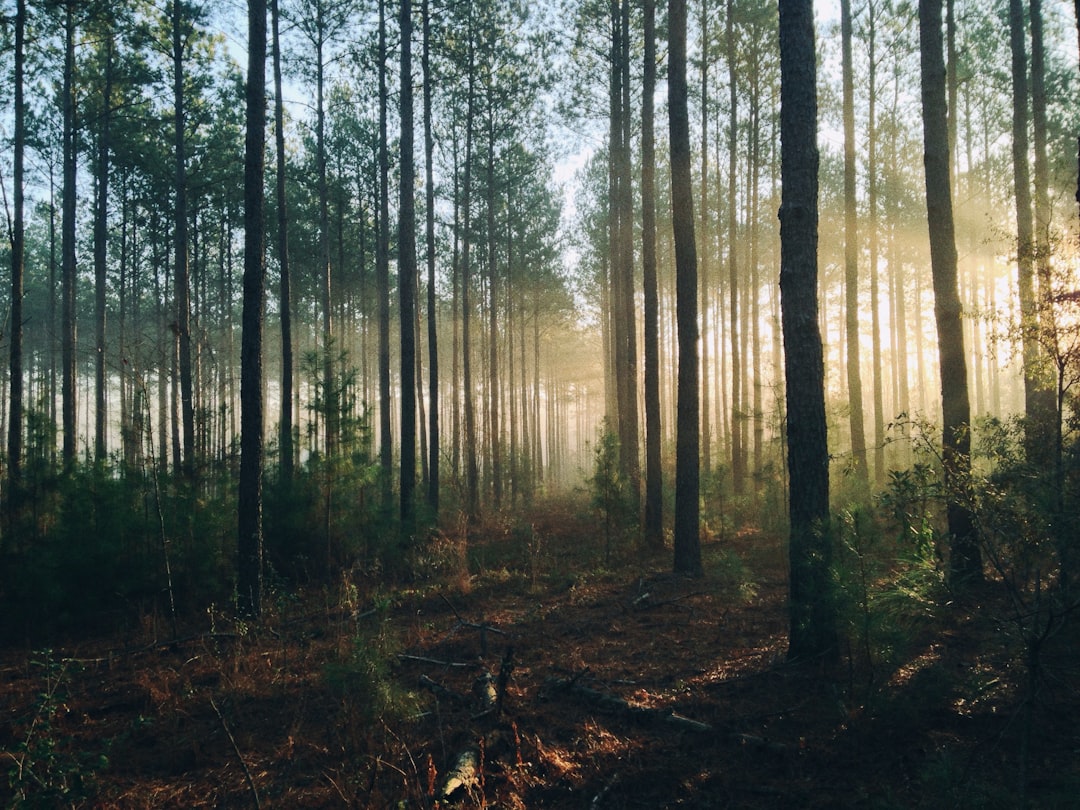
Forests are complex ecosystems that support diverse plant and animal species while providing essential resources for both wildlife and human populations. These environments consist of interconnected biological communities that extend beyond individual trees to form intricate networks of interdependent organisms. Forest floors are characterized by decomposing organic matter, including fallen leaves and plant material, which contribute to soil formation and nutrient cycling.
The acoustic environment typically includes sounds from wind moving through vegetation and various animal species. Forest canopies create varying light conditions through their layered structure, with sunlight penetrating to different degrees depending on canopy density and seasonal changes. These environments support numerous bird species and other wildlife that utilize different forest layers for habitat and resources.
Forests provide opportunities for scientific research, recreation, and environmental education, allowing people to observe natural processes and ecosystem functions.
This dynamic nature makes forests important subjects for ecological research and conservation efforts, as they play crucial roles in carbon storage, water cycle regulation, and biodiversity preservation.
Key Takeaways
- The Enchanting Forest offers a rich diversity of plants, animals, and hidden trails to explore.
- Its waterways provide serene beauty, enhancing the forest’s peaceful atmosphere.
- Nighttime reveals a unique, magical side of the forest, distinct from daytime experiences.
- Conservation efforts are crucial to preserving the forest’s natural wonders and wildlife.
- Visitors can enjoy various activities, wildlife spotting, and wellness retreats while planning their visit carefully.
The Diverse Flora and Fauna of the Enchanting Forest
The enchanting forest is a treasure trove of biodiversity, showcasing an impressive array of flora and fauna. Trees such as oaks, pines, and maples dominate the landscape, each contributing to the unique character of the ecosystem. Underneath the towering giants, a rich tapestry of shrubs, ferns, and wildflowers flourishes, creating a vibrant undergrowth that supports countless organisms.
The seasonal changes in foliage add to the visual spectacle, with autumn’s fiery hues contrasting sharply against the lush greens of summer. In addition to its plant life, the forest is home to an astonishing variety of wildlife. Mammals such as deer, foxes, and raccoons roam the underbrush, while birds like woodpeckers, owls, and songbirds fill the air with their presence.
Insects play a crucial role in pollination and decomposition, ensuring the health of the ecosystem. Amphibians and reptiles can be found near water sources, contributing to the intricate balance of life within this habitat. The interdependence of these species highlights the importance of preserving such environments for future generations.
Exploring the Hidden Trails and Pathways
Venturing into the heart of the forest reveals a network of hidden trails and pathways that beckon adventurers to explore. These winding routes offer opportunities for hiking, biking, and horseback riding, allowing visitors to immerse themselves in nature’s embrace. Each trail presents its own unique experience, from gentle strolls through sun-dappled glades to challenging ascents that reward trekkers with breathtaking vistas.
As one navigates these paths, the forest unveils its secrets—hidden clearings adorned with wildflowers, ancient trees that tell stories of centuries past, and serene spots perfect for reflection. Trail markers guide explorers while interpretive signs provide insights into the flora and fauna encountered along the way. Engaging with nature in this manner fosters a deeper appreciation for the environment and encourages individuals to become stewards of these precious landscapes.
The Tranquil Beauty of the Forest’s Waterways
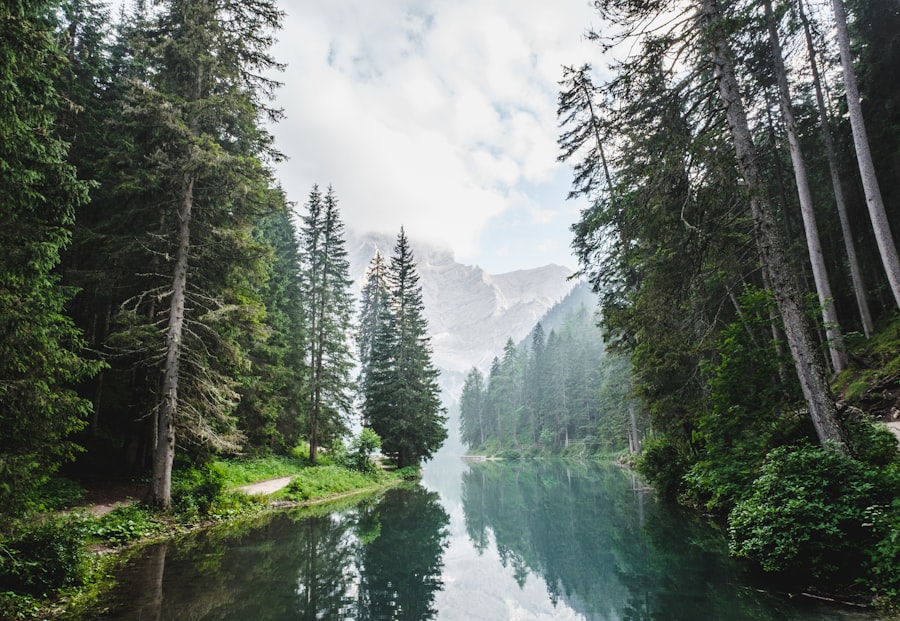
Waterways within the enchanting forest add an element of tranquility and beauty to the landscape. Streams meander through the woods, their crystal-clear waters reflecting sunlight and creating soothing sounds that enhance the overall ambiance. These aquatic ecosystems are vital for sustaining wildlife and supporting plant life along their banks.
The presence of water attracts various species, from playful otters to graceful herons, each contributing to the rich tapestry of life. The forest’s waterways also provide opportunities for recreational activities such as fishing, kayaking, and picnicking by the shore. The gentle lapping of water against rocks creates a serene atmosphere that invites relaxation and contemplation.
Observing the interplay between land and water fosters an understanding of ecological balance and highlights the importance of preserving these vital resources.
The Enchanting Forest at Night: A Different World
| Metric | Value | Unit | Description |
|---|---|---|---|
| Forest Area | 3,200 | hectares | Total area covered by Forest 3 |
| Tree Density | 450 | trees per hectare | Average number of trees per hectare |
| Average Tree Height | 18 | meters | Mean height of trees in Forest 3 |
| Species Diversity | 25 | species | Number of different tree species identified |
| Carbon Sequestration | 120 | tons per hectare per year | Estimated carbon captured annually |
| Wildlife Species Count | 40 | species | Number of wildlife species observed |
| Annual Rainfall | 1,200 | mm | Average yearly precipitation |
As daylight fades and darkness envelops the forest, a transformation occurs—one that reveals a different world teeming with nocturnal life. The enchanting forest at night is alive with sounds; crickets chirp in rhythmic harmony while owls hoot softly from their perches. The moonlight casts an ethereal glow on the landscape, illuminating paths and creating shadows that dance among the trees.
Nighttime exploration offers unique opportunities for wildlife spotting; creatures such as raccoons, foxes, and bats emerge from their daytime hiding places to forage for food. The cool night air carries scents that are often masked during daylight hours, enhancing sensory experiences.
This nocturnal adventure fosters a deeper connection to nature and encourages appreciation for its diverse rhythms.
The Importance of Conservation and Preservation

The enchanting forest is not only a source of beauty but also a critical component of our planet’s health. Forests play an essential role in carbon sequestration, helping to mitigate climate change by absorbing carbon dioxide from the atmosphere. They also provide habitat for countless species, support biodiversity, and contribute to clean air and water resources.
However, human activities such as deforestation, pollution, and urbanization threaten these vital ecosystems. Conservation efforts are paramount in ensuring that future generations can experience the magic of forests. Initiatives such as reforestation projects, sustainable logging practices, and protected areas help safeguard these environments from degradation.
Education plays a crucial role in fostering awareness about environmental issues and encouraging responsible stewardship among communities. By promoting conservation efforts, we can preserve the enchanting forest for years to come.
The Healing Power of Nature: The Enchanting Forest as a Wellness Retreat
The enchanting forest serves as a natural wellness retreat, offering numerous physical and mental health benefits. Studies have shown that spending time in nature can reduce stress levels, lower blood pressure, and improve overall well-being. The calming effects of being surrounded by greenery promote relaxation and mindfulness, allowing individuals to disconnect from daily stressors.
Nature therapy or ecotherapy has gained popularity as a holistic approach to mental health treatment. Activities such as forest bathing—immersing oneself in nature—encourage individuals to engage their senses fully while fostering a sense of connection to the environment. Guided meditation sessions amidst towering trees or yoga classes held in serene clearings further enhance this healing experience.
By embracing nature’s restorative powers, individuals can cultivate resilience and improve their quality of life.
Wildlife Spotting: A Guide to the Forest’s Most Intriguing Creatures
The enchanting forest is home to an array of fascinating wildlife that captivates nature enthusiasts and casual observers alike. Birdwatchers may delight in spotting elusive species such as the majestic bald eagle or vibrant indigo bunting flitting through branches. Mammals like black bears or bobcats may be seen during early morning or late evening hours when they are most active.
Insects also play an essential role in maintaining ecological balance; butterflies flutter gracefully while bees diligently pollinate flowers. For those interested in herpetology, observing amphibians like frogs or salamanders can be particularly rewarding during damp conditions when they emerge from hiding. Carrying binoculars or a camera enhances wildlife spotting experiences while fostering appreciation for these remarkable creatures.
The Enchanting Forest in Literature and Folklore
Throughout history, forests have served as rich sources of inspiration for literature and folklore across cultures worldwide. They are often depicted as mystical places where heroes embark on quests or encounter magical beings. From J.R.R. Tolkien’s “The Lord of the Rings” to A.Milne’s “Winnie-the-Pooh,” forests have become integral settings that evoke wonderment and adventure. Folklore often intertwines with nature’s mysteries; tales of fairies dancing among trees or spirits guarding sacred groves reflect humanity’s deep-rooted connection to these landscapes. Such stories remind us that forests are not merely physical spaces but also realms filled with imagination and symbolism—places where dreams take flight and lessons are learned.
Activities and Adventures for Nature Lovers
For those seeking adventure within the enchanting forest, numerous activities await exploration. Hiking trails cater to all skill levels—from leisurely walks suitable for families to challenging treks designed for seasoned adventurers looking for adrenaline-pumping experiences. Mountain biking enthusiasts can navigate rugged terrain while enjoying breathtaking views along designated paths.
Wildlife photography offers another avenue for engagement; capturing images of elusive creatures or stunning landscapes allows individuals to document their experiences while fostering appreciation for nature’s beauty. Additionally, guided tours led by knowledgeable naturalists provide insights into local ecosystems while enhancing understanding of flora and fauna encountered along the way.
Planning Your Visit: Tips and Recommendations for Exploring the Enchanting Forest
When planning a visit to the enchanting forest, preparation is key to ensuring an enjoyable experience. Researching trail maps beforehand helps identify routes suited to individual preferences while considering factors such as difficulty level and distance covered. Packing essentials like water bottles, snacks, sunscreen, insect repellent, and appropriate footwear enhances comfort during outdoor activities.
Timing your visit can also impact your experience; early mornings often provide opportunities for wildlife sightings while avoiding crowds during peak hours enhances tranquility within nature’s embrace. Respecting park regulations—such as staying on designated trails—ensures minimal disruption to wildlife habitats while preserving natural beauty for future visitors. In conclusion, forests are magical realms that offer diverse experiences ranging from tranquil beauty to thrilling adventures.
Their rich biodiversity supports countless species while providing essential resources for humanity’s survival. By embracing conservation efforts and recognizing nature’s healing powers, we can ensure that future generations continue to enjoy these enchanting landscapes for years to come. Whether exploring hidden trails or immersing oneself in literature inspired by these mystical places—there is no denying that forests hold an enduring allure that captivates hearts across generations.
In exploring the significance of forest conservation, it’s interesting to consider how national holidays can foster a sense of unity and remembrance, which is essential for promoting environmental awareness. For instance, the article on national holidays highlights the importance of collective action and community engagement in preserving our natural resources, including forests. By celebrating these occasions, we can inspire a greater appreciation for the environment and encourage sustainable practices.
FAQs
What is Forest 3?
Forest 3 is a software platform designed for environmental monitoring and forest management. It integrates data collection, analysis, and reporting tools to help users track forest health and biodiversity.
Who can use Forest 3?
Forest 3 is intended for use by environmental scientists, forest managers, conservationists, and government agencies involved in forestry and natural resource management.
What are the main features of Forest 3?
Key features of Forest 3 include real-time data collection, satellite imagery integration, species identification tools, and customizable reporting dashboards.
How does Forest 3 help in forest conservation?
By providing accurate and timely data on forest conditions, Forest 3 enables better decision-making for conservation efforts, helps detect illegal logging, and supports sustainable forest management practices.
Is Forest 3 compatible with mobile devices?
Yes, Forest 3 offers mobile applications that allow field workers to collect and upload data directly from remote forest locations.
Can Forest 3 be integrated with other environmental monitoring systems?
Forest 3 supports integration with various GIS platforms and environmental databases to enhance data sharing and analysis capabilities.
What types of data can be collected using Forest 3?
Users can collect data on tree species, canopy cover, soil quality, wildlife sightings, and environmental parameters such as temperature and humidity.
Is training required to use Forest 3?
While Forest 3 is designed to be user-friendly, training sessions and user manuals are available to help new users maximize the platform’s capabilities.
Where can I find more information or support for Forest 3?
Additional information, tutorials, and customer support can typically be found on the official Forest 3 website or through authorized distributors.