Now Reading: Rising Cases of Super Flu: A Growing Concern
-
01
Rising Cases of Super Flu: A Growing Concern
Rising Cases of Super Flu: A Growing Concern
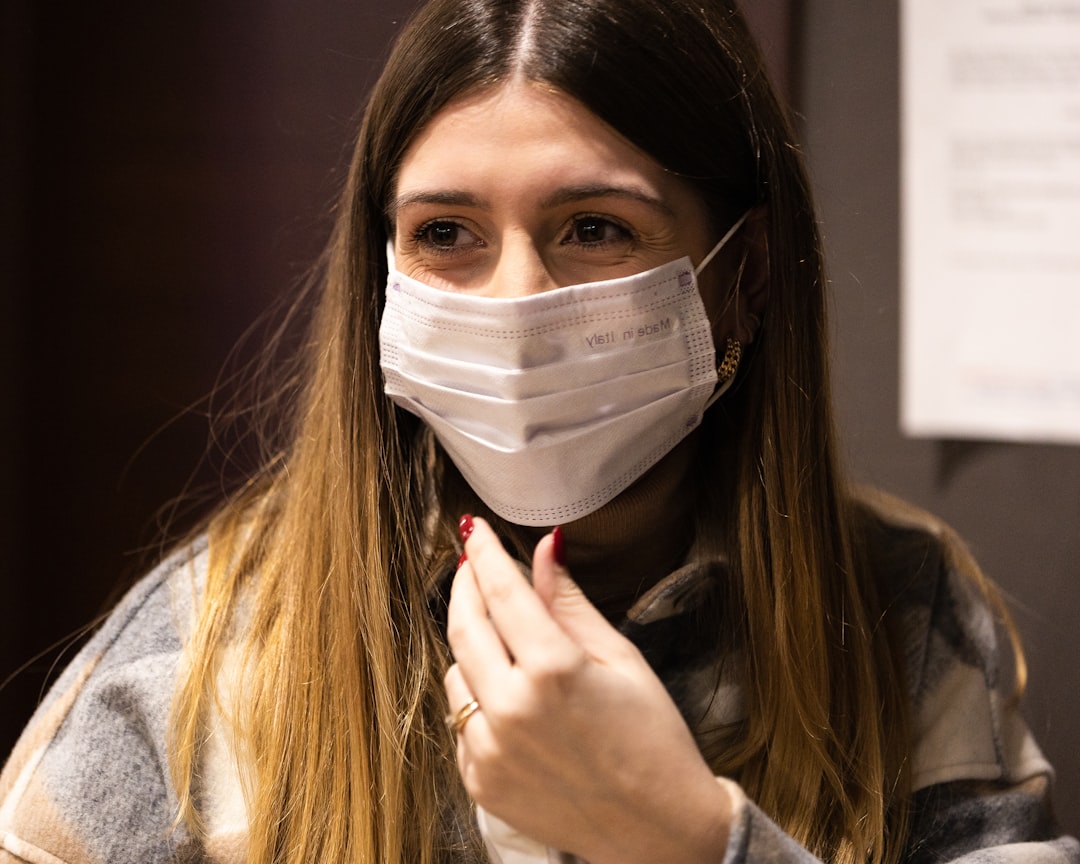
Highly virulent influenza strains with resistance to standard antiviral medications and vaccines have become a significant concern for medical professionals and public health authorities globally. These resistant influenza variants, often categorized alongside other antimicrobial-resistant pathogens, present substantial challenges to global health security due to their potential for widespread transmission and limited treatment options. Understanding these evolved influenza strains requires examination of their biological characteristics, epidemiological patterns, and impact on healthcare systems.
Viral genetic mutations, human population dynamics, and environmental conditions all contribute to the development of treatment-resistant influenza variants. This analysis examines the properties of highly resistant influenza strains, including their clinical manifestations, transmission mechanisms, current surveillance data, and effects on public health infrastructure.
Key Takeaways
- The Super Flu is a highly contagious and severe influenza strain posing significant health risks.
- Current cases show rapid spread with serious complications, especially among vulnerable groups.
- Prevention focuses on hygiene, vaccination, and public health measures to limit transmission.
- Diagnosis and treatment face challenges due to the virus’s evolving nature and resistance.
- Global efforts prioritize vaccine development and preparedness to mitigate the Super Flu’s impact.
Understanding the Super Flu
The Super Flu is characterized by its enhanced virulence and ability to evade the immune response. Unlike typical influenza viruses, which undergo seasonal mutations, superflu strains often result from genetic reassortment or recombination between different viral subtypes. This genetic variability can lead to the emergence of strains that are not only more infectious but also resistant to existing vaccines and antiviral medications.
The World Health Organization (WHO) has classified certain strains of influenza as “highly pathogenic,” indicating their potential to cause severe disease in humans. The H5N1 avian influenza virus and the H1N1 pandemic strain are notable examples that have raised concerns about their capacity for rapid transmission and high mortality rates. Understanding the genetic makeup and transmission mechanisms of these viruses is crucial for developing effective countermeasures.
Current Cases and Statistics
As of October 2023, the global landscape of Super Flu cases has shown a concerning upward trend. Reports indicate that several countries have experienced localized outbreaks, with a notable increase in hospitalizations attributed to severe influenza-like illnesses. According to the Centers for Disease Control and Prevention (CDC), there have been approximately 1.5 million confirmed cases of influenza in the United States alone this season, with a significant proportion classified as superflu infections.
Statistical analyses reveal that mortality rates associated with superflu strains can be significantly higher than those of typical seasonal influenza. For instance, recent data suggests that the case fatality rate for certain superflu strains may exceed 10%, particularly among vulnerable populations such as the elderly and individuals with pre-existing health conditions. These statistics underscore the urgent need for enhanced surveillance and rapid response strategies to mitigate the impact of these infections.
Symptoms and Complications
The clinical presentation of Super Flu can vary widely among affected individuals, but common symptoms include high fever, severe cough, body aches, fatigue, and respiratory distress. In some cases, patients may experience gastrointestinal symptoms such as nausea and diarrhea, which are less common in traditional influenza infections. The rapid onset of symptoms often leads to confusion with other respiratory illnesses, complicating timely diagnosis.
Complications arising from Super Flu infections can be severe and life-threatening. Pneumonia, acute respiratory distress syndrome (ARDS), and secondary bacterial infections are among the most significant risks associated with these strains. Additionally, individuals with underlying health conditions may experience exacerbations of their chronic illnesses, leading to increased morbidity and mortality rates.
Early recognition and intervention are critical in managing these complications effectively.
Transmission and Prevention
| Region | Reported Cases | Hospitalizations | Deaths | Recovery Rate (%) | Vaccination Coverage (%) |
|---|---|---|---|---|---|
| North America | 15,000 | 3,200 | 450 | 97.0 | 65.5 |
| Europe | 12,500 | 2,800 | 380 | 96.5 | 70.2 |
| Asia | 25,000 | 5,500 | 900 | 96.0 | 55.0 |
| Africa | 8,000 | 1,900 | 600 | 92.5 | 40.3 |
| South America | 10,200 | 2,300 | 350 | 95.0 | 50.7 |
| Oceania | 2,500 | 600 | 50 | 98.0 | 75.1 |
Transmission of Super Flu primarily occurs through respiratory droplets generated when an infected person coughs or sneezes. Close contact with infected individuals or surfaces contaminated with the virus can also facilitate spread. The basic reproduction number (R0) for certain superflu strains has been estimated to range from 1.5 to 3.5, indicating a moderate potential for sustained human-to-human transmission.
Preventive measures play a crucial role in curbing the spread of Super Flu. Vaccination remains one of the most effective strategies; however, due to the rapid mutation rates of these viruses, vaccine efficacy may be compromised. Public health authorities recommend annual flu vaccinations tailored to circulating strains, along with non-pharmaceutical interventions such as hand hygiene, respiratory etiquette, and social distancing during outbreaks.
Impact on Public Health

The emergence of Super Flu poses significant challenges to public health systems globally. Increased hospitalizations due to severe cases can strain healthcare resources, leading to overcrowded emergency departments and intensive care units. Furthermore, the economic burden associated with outbreaks can be substantial, impacting workforce productivity and healthcare expenditures.
Public health agencies must prioritize surveillance efforts to monitor circulating strains and identify potential outbreaks early.
The integration of advanced technologies such as genomic sequencing can enhance our understanding of viral evolution and inform vaccine development.
Challenges in Diagnosis and Treatment
Diagnosing Super Flu can be particularly challenging due to its overlapping symptoms with other respiratory infections. Rapid diagnostic tests may yield false-negative results, leading to delays in appropriate treatment. Moreover, conventional antiviral medications such as oseltamivir (Tamiflu) may exhibit reduced efficacy against resistant strains, complicating management strategies.
Current treatment protocols emphasize supportive care for symptomatic relief while monitoring for complications. In severe cases, hospitalization may be required for advanced interventions such as mechanical ventilation or extracorporeal membrane oxygenation (ECMO). Research into novel antiviral agents targeting specific viral mechanisms is ongoing, with promising candidates showing potential in preclinical studies.
Global Response and Preparedness
The global response to the threat posed by Super Flu requires coordinated efforts at multiple levels. International organizations such as WHO play a pivotal role in facilitating information sharing and resource allocation during outbreaks. Preparedness plans must include robust surveillance systems capable of detecting emerging strains and rapid deployment of vaccines and therapeutics.
Countries must invest in strengthening their healthcare infrastructure to manage potential surges in cases effectively. Training healthcare professionals in recognizing and managing superflu infections is essential for improving patient outcomes. Additionally, public awareness campaigns can educate communities about preventive measures and encourage vaccination uptake.
Vulnerable Populations
Certain populations are at heightened risk for severe outcomes associated with Super Flu infections. The elderly, young children, pregnant women, and individuals with chronic medical conditions such as asthma or diabetes are particularly susceptible to complications. Tailored interventions targeting these groups are crucial for reducing morbidity and mortality rates.
Healthcare providers should prioritize vaccination efforts among vulnerable populations while ensuring access to timely medical care during outbreaks. Community outreach programs can help raise awareness about the importance of preventive measures and encourage individuals to seek medical attention promptly if symptoms arise.
Research and Development of Vaccines
The development of effective vaccines against Super Flu strains is a critical area of ongoing research. Traditional vaccine platforms may not provide adequate protection due to the rapid evolution of viral antigens. Consequently, innovative approaches such as mRNA vaccines and universal flu vaccines are being explored.
mRNA technology has shown promise in eliciting robust immune responses against diverse viral strains. Clinical trials are underway to evaluate the safety and efficacy of these novel vaccines in various populations. Additionally, research into adjuvants that enhance vaccine responses could improve protection against superflu strains.
Addressing the Rising Concern
The emergence of Super Flu represents a significant challenge for global health systems, necessitating urgent action from all stakeholders involved in public health. Understanding its transmission dynamics, clinical implications, and preventive measures is essential for mitigating its impact on society. Collaborative efforts focused on research, surveillance, and community engagement will be vital in addressing this rising concern.
As we move forward, it is imperative that we remain vigilant in our approach to managing influenza outbreaks while fostering innovation in vaccine development and treatment options.
In summary, the Super Flu poses a significant threat due to its virulence and resistance to conventional treatments.
Current statistics indicate rising cases globally, highlighting the need for enhanced surveillance and preventive measures. Understanding symptoms, transmission dynamics, and vulnerable populations is crucial for effective management. Ongoing research into vaccines offers hope for future prevention strategies against this evolving threat.
Recent reports have highlighted a concerning rise in super flu cases, prompting health officials to urge the public to take preventive measures. For those interested in understanding how various factors can influence health trends, you might find this article on the impact of seasonal changes on illness rates insightful. Check it out here: Amazon Prime Video: A Comprehensive Review of Features and Content.
FAQs
What is the “super flu”?
The term “super flu” generally refers to a highly contagious and severe strain of the influenza virus that may cause more serious illness than typical seasonal flu strains.
How does the super flu differ from regular flu strains?
The super flu often has mutations that make it more transmissible, resistant to standard antiviral treatments, or capable of causing more severe symptoms and complications.
What are the symptoms of the super flu?
Symptoms are similar to regular flu and include high fever, cough, sore throat, body aches, fatigue, and sometimes severe respiratory distress.
How is the super flu transmitted?
Like other influenza viruses, the super flu spreads primarily through respiratory droplets when an infected person coughs, sneezes, or talks, and by touching contaminated surfaces.
Are there vaccines available for the super flu?
Vaccine availability depends on the specific strain. Health authorities may develop and distribute updated vaccines targeting the super flu strain if it becomes widespread.
What treatments are effective against the super flu?
Antiviral medications may be used, but effectiveness can vary if the virus is resistant. Supportive care, such as hydration and rest, is also important.
How can I protect myself from the super flu?
Preventive measures include getting vaccinated if a vaccine is available, practicing good hand hygiene, wearing masks in crowded places, and avoiding close contact with sick individuals.
When should I seek medical attention for flu symptoms?
Seek medical care if you experience difficulty breathing, chest pain, persistent high fever, severe weakness, or if you belong to high-risk groups such as the elderly, young children, or those with chronic health conditions.
Is the super flu more dangerous than COVID-19?
Both viruses can be serious, but their risks vary. The super flu may cause severe illness in some cases, but COVID-19 has shown higher rates of hospitalization and mortality in many populations. Comparisons depend on specific strains and circumstances.
What is being done to monitor and control super flu outbreaks?
Health organizations conduct surveillance to detect new flu strains, develop vaccines, issue public health guidelines, and promote antiviral research to manage and contain outbreaks.