Now Reading: iPhone Specifications: A Comprehensive Overview
-
01
iPhone Specifications: A Comprehensive Overview
iPhone Specifications: A Comprehensive Overview
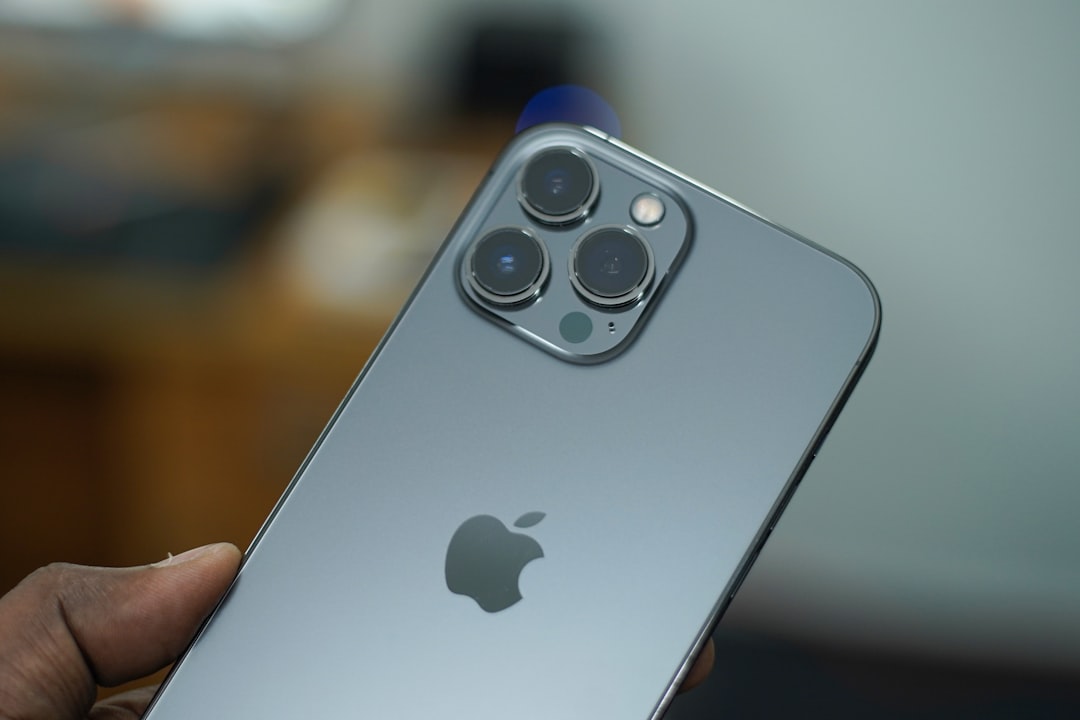
The iPhone has long been a benchmark in the smartphone industry, renowned for its innovative technology and user-centric design. Each iteration of the iPhone brings forth a plethora of specifications that cater to a diverse range of users, from casual consumers to tech enthusiasts. Apple meticulously engineers each model, ensuring that it not only meets but often exceeds the expectations of its user base.
The specifications of the iPhone encompass various aspects, including display quality, processing power, camera capabilities, battery efficiency, and much more.
Understanding the specifications of an iPhone is crucial for potential buyers and tech aficionados alike.
With each new release, Apple introduces enhancements that reflect advancements in technology and shifts in consumer preferences. From the introduction of powerful processors to improvements in camera technology, the specifications serve as a testament to Apple’s commitment to innovation. This article will explore each aspect of the iPhone’s specifications in detail, offering insights into how these features contribute to the overall user experience.
Key Takeaways
- iPhone specifications include display size, processor, camera features, battery life, storage options, operating system, connectivity, security, design, and pricing.
- The display and screen size of the iPhone offers a high-quality viewing experience with options for different sizes and resolutions.
- The processor and performance of the iPhone ensure smooth and efficient operation for various tasks and applications.
- The iPhone’s camera and photography features provide high-quality images and advanced capabilities for capturing memorable moments.
- The battery life and charging options of the iPhone offer long-lasting usage and convenient recharging methods.
Display and Screen Size
The display of an iPhone is one of its most striking features, often serving as the primary interface for users. Apple has consistently prioritized high-quality displays, utilizing advanced technologies such as Retina and Super Retina XDR. The screen size varies across different models, catering to various preferences; for instance, the iPhone 13 mini features a compact 5.4-inch display, while the iPhone 13 Pro Max boasts an expansive 6.7-inch screen.
This range allows users to select a device that best fits their lifestyle and usage patterns. In addition to size, the display technology employed in iPhones enhances visual clarity and color accuracy. The Super Retina XDR display offers HDR support, providing a wider color gamut and improved contrast ratios.
This results in vibrant images and videos that are particularly appealing for media consumption. Furthermore, features such as True Tone and Night Shift adjust the display’s color temperature based on ambient lighting conditions, ensuring a comfortable viewing experience at all times.
Processor and Performance
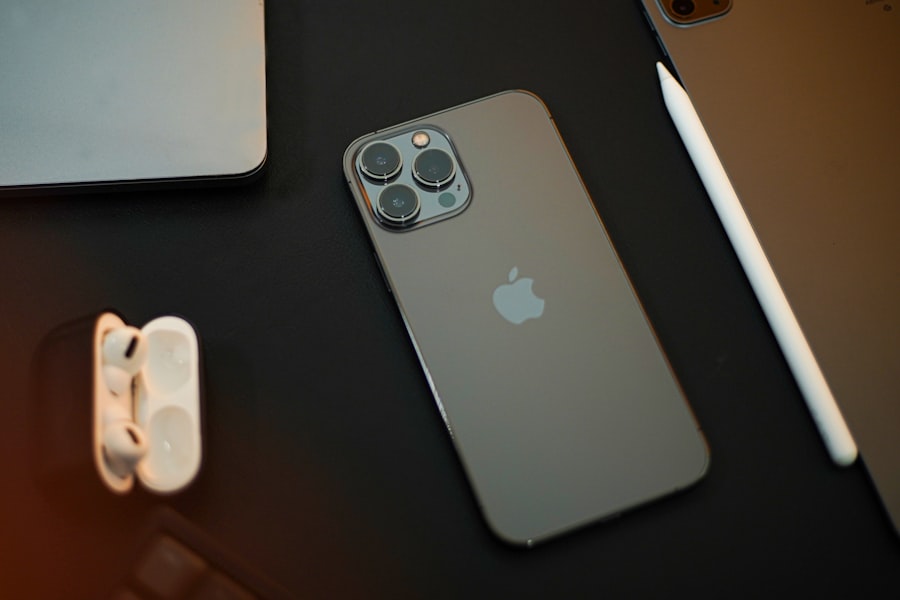
At the heart of every iPhone lies its processor, which plays a pivotal role in determining overall performance. Apple’s custom silicon, such as the A15 Bionic chip found in the latest models, is engineered for efficiency and speed.
The A15 Bionic chip not only enhances processing speed but also optimizes power consumption, contributing to longer battery life. The performance capabilities of the iPhone extend beyond mere speed; they also encompass advanced machine learning functionalities.
The Neural Engine allows for real-time processing of complex tasks such as image recognition and augmented reality applications. This level of performance ensures that users can engage with demanding applications without experiencing lag or slowdowns. As a result, whether users are gaming, streaming videos, or utilizing productivity apps, the iPhone delivers an unparalleled experience.
Camera and Photography Features
| Feature | Description |
|---|---|
| Resolution | The number of pixels that the camera can capture |
| Aperture | The size of the opening in the lens through which light enters |
| Zoom | The ability to magnify the image |
| Focus | The ability to adjust the sharpness of the image |
| Shutter Speed | The amount of time the shutter is open to capture the image |
The camera system on an iPhone is often regarded as one of its standout features, appealing to photography enthusiasts and casual users alike. Recent models have introduced sophisticated multi-camera setups that include wide, ultra-wide, and telephoto lenses. For instance, the iPhone 13 Pro features a triple-camera system that allows for versatile shooting options, including macro photography and night mode capabilities.
These advancements enable users to capture stunning images in various lighting conditions. In addition to hardware improvements, Apple has integrated advanced software features that enhance photography experiences. Computational photography techniques such as Smart HDR and Photographic Styles allow users to achieve professional-quality results with minimal effort.
The introduction of ProRAW format provides photographers with greater control over post-processing adjustments, making it easier to edit images while retaining high-quality details. Furthermore, video capabilities have also seen significant enhancements, with features like Cinematic mode allowing for shallow depth-of-field effects that elevate video production quality.
Battery Life and Charging
Battery life is a critical consideration for smartphone users, and Apple has made significant strides in optimizing battery performance across its iPhone lineup. The integration of energy-efficient processors contributes to extended usage times, allowing users to enjoy their devices throughout the day without frequent recharging. For example, the iPhone 13 series boasts up to 19 hours of talk time and up to 75 hours of audio playback on a single charge.
Charging options have also evolved with advancements in technology. The latest models support fast charging capabilities, enabling users to recharge their devices quickly when needed. Additionally, wireless charging options are available through MagSafe technology, which allows for easy attachment of compatible accessories while providing efficient charging solutions.
This versatility ensures that users can maintain their devices’ power levels with minimal hassle.
Storage Options

Storage capacity is another essential aspect of iPhone specifications that directly impacts user experience. Apple offers various storage options across its models, ranging from 128GB to 1TB in some cases. This range accommodates different user needs; casual users may find 128GB sufficient for everyday tasks, while power users who store large files or engage in extensive media consumption may opt for higher capacities.
The absence of expandable storage options has been a point of contention among some users; however, Apple has designed its cloud services to complement local storage effectively. With iCloud integration, users can seamlessly back up their data and access it across multiple devices without worrying about running out of space on their iPhones. This approach provides flexibility and convenience for managing digital content.
Operating System and Software
The operating system plays a crucial role in defining the user experience on an iPhone. Apple’s iOS is known for its intuitive interface and robust ecosystem of applications. Each new version introduces enhancements that improve functionality and security while maintaining user familiarity.
The latest iteration of iOS includes features such as Focus mode for managing notifications and enhanced privacy settings that give users greater control over their data. Moreover, Apple’s commitment to software updates ensures that even older models receive new features and security patches for several years after their release. This longevity is a significant advantage for consumers who wish to maximize their investment in an iPhone.
The seamless integration between hardware and software further enhances performance, allowing users to enjoy a smooth and responsive experience across all applications.
Connectivity and Network Support
Connectivity options are vital for modern smartphones, and Apple has equipped its iPhones with advanced capabilities to ensure users stay connected at all times. The latest models support 5G technology, providing faster download speeds and improved network reliability compared to previous generations. This advancement allows users to stream high-definition content, engage in online gaming, and participate in video calls with minimal latency.
In addition to cellular connectivity, iPhones offer robust Wi-Fi capabilities with support for Wi-Fi 6E technology. This enables faster wireless connections and improved performance in crowded environments where multiple devices are connected simultaneously. Bluetooth technology is also integrated into iPhones for seamless pairing with accessories such as headphones and smartwatches.
Security Features
Security is paramount in today’s digital landscape, and Apple has implemented numerous features to protect user data on its devices. Face ID technology utilizes advanced facial recognition algorithms to unlock devices securely while ensuring that unauthorized access is prevented. Additionally, Touch ID remains available on certain models for those who prefer fingerprint authentication.
Apple places a strong emphasis on privacy by incorporating features such as App Tracking Transparency, which requires apps to obtain user consent before tracking their activity across other applications or websites. Furthermore, end-to-end encryption is employed for services like iMessage and FaceTime, ensuring that communications remain private between users. These security measures instill confidence among consumers regarding the safety of their personal information.
Design and Build Quality
The design aesthetic of an iPhone is often lauded for its elegance and sophistication. Apple employs premium materials such as glass and aluminum in its construction, resulting in a sleek appearance that appeals to consumers seeking both style and durability. The attention to detail is evident in every aspect of the design process, from the precision-engineered buttons to the seamless integration of components.
In addition to aesthetics, build quality is paramount for longevity and user satisfaction. The latest models feature Ceramic Shield front covers that provide enhanced durability against scratches and drops compared to previous iterations. Water and dust resistance ratings further contribute to the device’s resilience in everyday use scenarios.
Pricing and Availability
Pricing strategies for iPhones vary based on model specifications and storage options available at launch. While flagship models often command premium prices due to their advanced features, Apple also offers more budget-friendly alternatives within its lineup. This approach ensures that consumers have access to a range of options that fit different budgets without compromising on quality.
Availability is another critical factor influencing consumer decisions; Apple typically releases new models annually during its September event. Pre-orders usually commence shortly after the announcement, with devices becoming available in retail stores shortly thereafter. Apple’s global distribution network ensures that consumers worldwide can access the latest models promptly.
In summary, the specifications of the iPhone encompass a wide array of features designed to enhance user experience across various domains—display quality, processing power, camera capabilities, battery efficiency, storage options, operating system functionality, connectivity support, security measures, design aesthetics, and pricing strategies all contribute to making the iPhone a leading choice among smartphones today. As technology continues to evolve rapidly, Apple’s commitment to innovation ensures that each new model remains relevant in an ever-changing market landscape.
If you are interested in learning more about the latest iPhone specifications, you may also want to check out this article on what Amazon stock will look like in 2025. This article discusses the future projections for Amazon’s stock and how it may impact the tech industry as a whole. It’s always interesting to stay informed about the latest trends and developments in the technology sector.
FAQs
What are the key specifications of the iPhone?
The key specifications of the iPhone typically include the model name, display size and resolution, processor type and speed, camera specifications, battery life, and storage options.
What is the display size and resolution of the iPhone?
The display size and resolution of the iPhone vary by model, but typically range from 4.7 inches to 6.7 inches and from 1334 x 750 pixels to 2778 x 1284 pixels.
What type of processor does the iPhone use?
The iPhone uses Apple’s custom-designed A-series processors, which are known for their high performance and energy efficiency.
What are the camera specifications of the iPhone?
The camera specifications of the iPhone vary by model, but typically include a combination of wide, ultra-wide, and telephoto lenses, as well as features such as Night mode, Deep Fusion, and Smart HDR.
What is the battery life of the iPhone?
The battery life of the iPhone varies by model, but typically ranges from 10 to 20 hours of talk time and up to 65 hours of audio playback.
What storage options are available for the iPhone?
The storage options for the iPhone vary by model, but typically include capacities of 64GB, 128GB, 256GB, and 512GB.