Now Reading: Apple Inc.: A Leader in Innovation
-
01
Apple Inc.: A Leader in Innovation
Apple Inc.: A Leader in Innovation

Apple Inc.
The company initially focused on developing and selling personal computers, with the Apple I being its first product.
This groundbreaking device was a single-board computer that revolutionized the way individuals interacted with technology. The introduction of the Apple II in 1977 marked a significant milestone, as it became one of the first highly successful mass-produced microcomputer products. This early success laid the groundwork for Apple’s future innovations and established its reputation as a pioneer in the tech industry.
Throughout the 1980s, Apple faced numerous challenges, including intense competition from IBM and other emerging tech companies. Despite these hurdles, the launch of the Macintosh in 1984 showcased Apple’s commitment to user-friendly design and graphical user interfaces. The iconic Super Bowl commercial directed by Ridley Scott introduced the Macintosh to the world, positioning it as a revolutionary product that would change computing forever.
However, internal struggles and market pressures led to a decline in Apple’s market share by the late 1990s, prompting a series of leadership changes and strategic shifts.
Key Takeaways
- Apple Inc. was founded in 1976 by Steve Jobs, Steve Wozniak, and Ronald Wayne, and has since become one of the most valuable companies in the world.
- Apple’s innovative products and services, such as the iPhone, iPad, and App Store, have revolutionized the tech industry and changed the way people interact with technology.
- Apple’s design philosophy and aesthetic prioritize simplicity, elegance, and user-friendly interfaces, setting a standard for modern product design.
- Apple’s innovations have had a significant impact on the tech industry, influencing the development of smartphones, tablets, and app ecosystems.
- Apple’s approach to research and development focuses on creating cutting-edge technology and pushing the boundaries of what is possible in the tech world.
Apple’s portfolio of innovative products and services has consistently set industry standards and redefined consumer expectations. The introduction of the iPod in 2001 revolutionized the music industry by allowing users to carry thousands of songs in their pockets. This portable media player not only transformed how music was consumed but also paved the way for the iTunes Store, which became a dominant platform for digital music distribution.
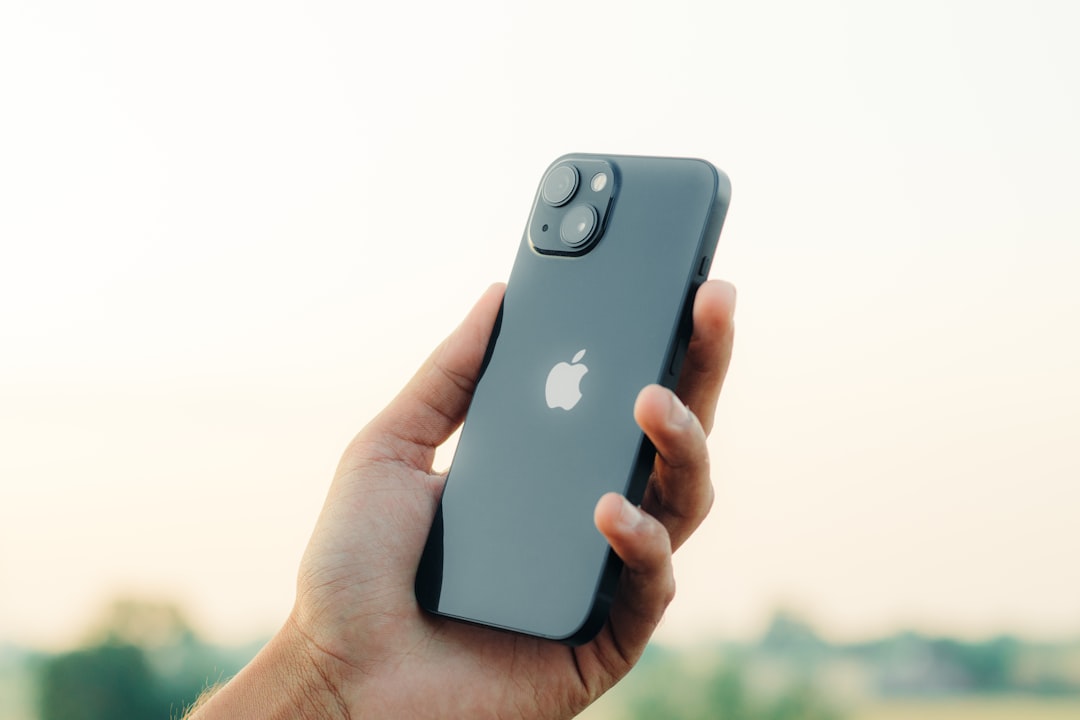
The seamless integration of hardware and software exemplified Apple’s commitment to creating an unparalleled user experience. In 2007, Apple ventured into the smartphone market with the launch of the iPhone, which has since become one of the most influential devices in modern history. The iPhone’s intuitive touchscreen interface, robust app ecosystem, and sleek design set a new benchmark for mobile technology.
Following this success, Apple expanded its product line to include the iPad in 2010, further solidifying its position as a leader in consumer electronics. The Apple Watch and AirPods have also contributed to Apple’s diverse offerings, showcasing its ability to innovate across various categories while maintaining a focus on user-centric design.
Apple’s Design Philosophy and Aesthetic
Apple’s design philosophy is rooted in simplicity, elegance, and functionality. The company’s products are characterized by clean lines, minimalistic aesthetics, and intuitive interfaces that prioritize user experience. This design ethos is exemplified by the work of Jony Ive, Apple’s former Chief Design Officer, who played a pivotal role in shaping the visual identity of iconic products such as the iMac, iPhone, and MacBook.
Ive’s approach emphasized the importance of form following function, ensuring that each product not only looked beautiful but also performed seamlessly. The aesthetic appeal of Apple products extends beyond their physical design; it encompasses the entire ecosystem of software and services. The user interface of macOS and iOS is designed to be visually cohesive and easy to navigate, enhancing user engagement and satisfaction.
Apple’s commitment to design excellence has garnered numerous awards and accolades, reinforcing its status as a leader in industrial design. This focus on aesthetics has not only attracted loyal customers but has also influenced competitors to adopt similar design principles.
The Impact of Apple’s Innovations on the Tech Industry
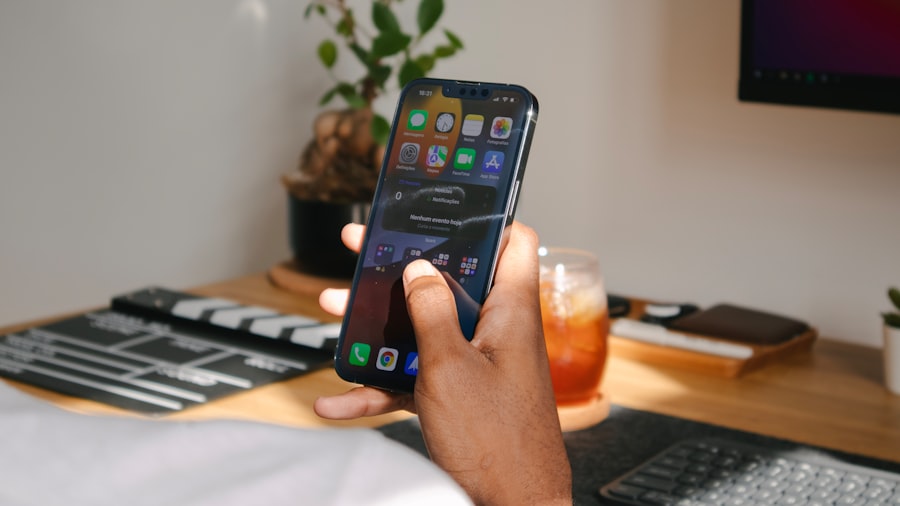
Apple’s innovations have had a profound impact on the technology landscape, driving advancements across various sectors. The introduction of the iPhone catalyzed the smartphone revolution, leading to a surge in mobile app development and changing how consumers interact with technology daily. This shift has prompted other companies to invest heavily in mobile technology, resulting in a competitive landscape that prioritizes innovation and user experience.
Moreover, Apple’s emphasis on ecosystem integration has influenced how technology companies approach product development. The seamless connectivity between devices such as iPhones, iPads, Macs, and Apple Watches has set a standard for interoperability that many competitors strive to achieve. This interconnectedness fosters brand loyalty and encourages consumers to remain within the Apple ecosystem for their technology needs.
As a result, Apple’s innovations have not only shaped its own trajectory but have also redefined industry standards and consumer expectations.
Apple’s Approach to Research and Development
| Aspect | Details |
|---|---|
| Investment | Apple invests heavily in R&D, spending billions of dollars annually. |
| Focus | Research and development efforts are focused on innovation and creating new products and technologies. |
| Team | Apple has a dedicated team of researchers, engineers, and designers working on R&D projects. |
| Facilities | Apple has state-of-the-art R&D facilities, including labs and testing environments. |
| Results | Apple’s R&D efforts have led to the development of iconic products such as the iPhone, iPad, and Mac. |
Apple’s commitment to research and development (R&D) is a cornerstone of its success. The company invests billions annually in R&D initiatives to drive innovation and maintain its competitive edge.
Apple’s R&D strategy emphasizes collaboration between hardware and software teams, fostering an environment where innovative ideas can flourish. This integrated approach allows for rapid prototyping and testing of new concepts, resulting in products that are not only technologically advanced but also user-friendly. By prioritizing R&D, Apple continues to push boundaries and explore new frontiers in technology, solidifying its position as an industry leader.
The Leadership and Vision of Apple’s Founders
The vision of Apple’s founders has been instrumental in shaping the company’s trajectory. Steve Jobs’ relentless pursuit of perfection and innovation drove Apple to create products that resonated with consumers on an emotional level. His charismatic leadership style inspired employees to think differently and challenge conventional wisdom, fostering a culture of creativity within the organization.
Steve Wozniak’s technical expertise complemented Jobs’ vision by providing the engineering prowess necessary to bring innovative ideas to life. Together, they established a foundation built on creativity, quality, and user-centric design that continues to guide Apple’s leadership today. The legacy of Jobs and Wozniak serves as a reminder of the importance of visionary leadership in driving technological advancements and shaping corporate culture.
Apple’s Commitment to Sustainability and Environmental Responsibility
In recent years, Apple has made significant strides toward sustainability and environmental responsibility. The company has committed to becoming carbon neutral across its entire supply chain by 2030, demonstrating its dedication to reducing its environmental footprint. This ambitious goal encompasses not only product manufacturing but also transportation, packaging, and energy consumption.
Apple’s initiatives include using recycled materials in its products, such as aluminum enclosures made from recycled sources. Additionally, the company has invested in renewable energy projects worldwide to power its facilities with clean energy. By prioritizing sustainability, Apple aims to set an example for other corporations while addressing pressing environmental challenges.
Apple’s Influence on Consumer Behavior and Trends
Apple’s influence extends beyond technology; it has significantly shaped consumer behavior and trends over the years. The company’s marketing strategies emphasize lifestyle branding, positioning its products as symbols of status and sophistication. This approach has cultivated a loyal customer base willing to invest in premium-priced products due to their perceived value.
The introduction of features such as Face ID and Apple Pay has also transformed consumer expectations regarding security and convenience in technology. As consumers increasingly prioritize privacy and seamless transactions, other companies have followed suit by enhancing their security measures and payment options. Apple’s ability to anticipate consumer needs has solidified its role as a trendsetter in the tech industry.
Apple’s Role in Shaping the Future of Technology
As a leader in technological innovation, Apple plays a crucial role in shaping the future of technology across various domains. Its investments in AI and AR signal a commitment to exploring new frontiers that will redefine how users interact with devices and information. By integrating these technologies into its products, Apple is poised to enhance user experiences while driving advancements in fields such as healthcare, education, and entertainment.
Furthermore, Apple’s focus on privacy and security sets a precedent for how technology companies approach data protection in an increasingly digital world. As consumers become more aware of privacy concerns, Apple’s commitment to safeguarding user data will likely influence industry standards and practices moving forward.
The Challenges and Competition Faced by Apple
Despite its successes, Apple faces numerous challenges in an ever-evolving tech landscape. Intense competition from companies such as Samsung, Google, and emerging startups poses significant threats to Apple’s market share. These competitors continually innovate their product offerings while often undercutting prices, compelling Apple to maintain its premium pricing strategy while justifying its value proposition.
Additionally, regulatory scrutiny surrounding antitrust issues has increased as governments worldwide examine large tech companies’ market dominance. Apple’s App Store policies have come under fire for perceived monopolistic practices, leading to legal battles that could impact its business model. Navigating these challenges will require strategic foresight and adaptability from Apple’s leadership.
Looking ahead, Apple’s future innovation strategy will likely focus on enhancing user experiences through advanced technologies while maintaining its commitment to sustainability. The company is expected to continue exploring AI-driven solutions that improve productivity across various sectors while integrating AR capabilities into everyday applications. Moreover, as consumer preferences shift toward health-focused technologies, Apple may expand its offerings in health monitoring through devices like the Apple Watch.
By leveraging its existing ecosystem while exploring new markets, Apple is well-positioned to remain at the forefront of technological innovation for years to come. In summary, Apple Inc.’s journey from a small startup to a global technology leader is marked by groundbreaking innovations that have reshaped industries and consumer behavior alike. With a strong commitment to design excellence, sustainability, and research-driven development, Apple continues to influence trends while navigating challenges posed by competition and regulatory scrutiny.
As it looks toward the future, Apple’s focus on innovation will undoubtedly play a pivotal role in shaping the next generation of technology.
Apple Incorporated recently announced their plans to release a new line of products in 2025, including the highly anticipated iPhone 15. For more information on the latest tech trends and innovations, check out this comprehensive guide to car insurance in 2025. This article provides valuable insights into the future of technology and how it will impact various industries, including the automotive sector. Stay informed and ahead of the curve with the latest updates on Apple and other leading tech companies.
FAQs
What is Apple Incorporated?
Apple Incorporated, commonly known as Apple, is a multinational technology company that designs, manufactures, and markets consumer electronics, software, and online services. It is best known for its hardware products such as the iPhone, iPad, Mac computers, and Apple Watch, as well as its software platforms like iOS, macOS, and iCloud.
When was Apple Incorporated founded?
Apple Incorporated was founded on April 1, 1976, by Steve Jobs, Steve Wozniak, and Ronald Wayne. The company was initially focused on developing and selling personal computers, and has since expanded its product line to include a wide range of consumer electronics and software.
Where is Apple Incorporated headquartered?
Apple Incorporated is headquartered in Cupertino, California, United States. The company’s main campus, known as Apple Park, is a distinctive circular building located in Cupertino and is often referred to as the “spaceship campus.”
What are some of Apple Incorporated’s most popular products?
Some of Apple Incorporated’s most popular products include the iPhone, iPad, Mac computers, Apple Watch, and AirPods. The company also offers a range of software products and services, including the iOS and macOS operating systems, the App Store, iTunes, and iCloud.
How does Apple Incorporated make money?
Apple Incorporated generates revenue primarily through the sale of its hardware products, including the iPhone, iPad, Mac computers, and Apple Watch. The company also earns money from the sale of digital content and services through platforms like the App Store, iTunes, and Apple Music, as well as from other services such as AppleCare and iCloud storage.
What is Apple Incorporated’s market value?
As of [current date], Apple Incorporated has a market value of [current market value], making it one of the most valuable publicly traded companies in the world. The company’s market value is determined by the total market capitalization of its outstanding shares of stock.