Now Reading: Maximize Cardio with Mace Training
-
01
Maximize Cardio with Mace Training
Maximize Cardio with Mace Training
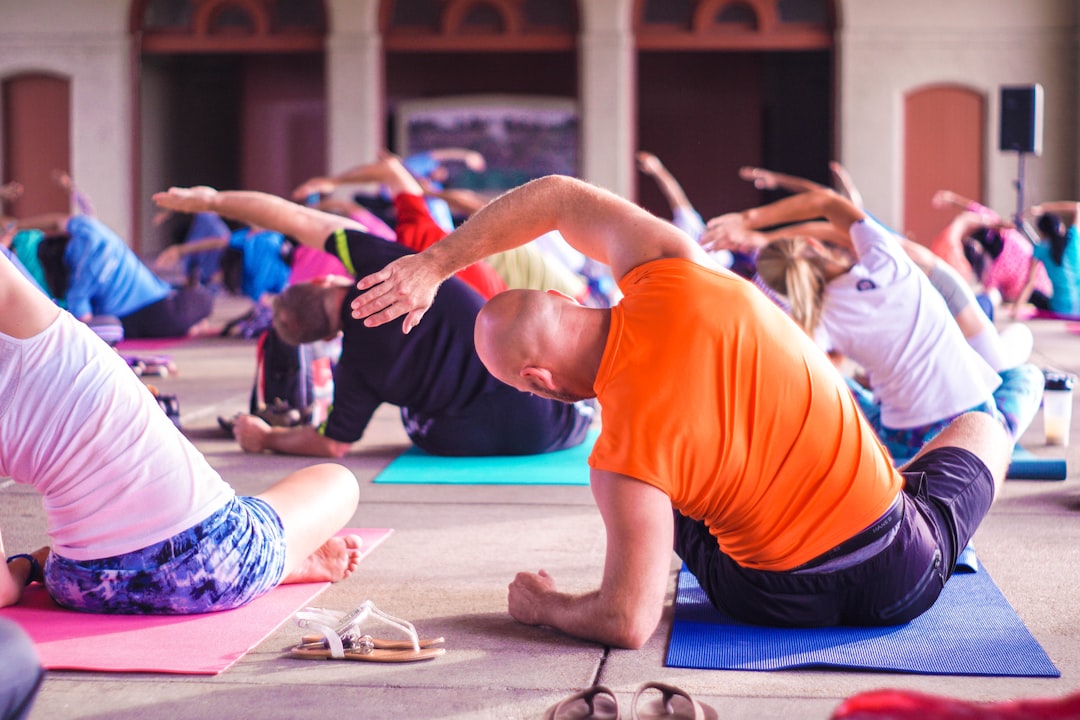
Mace training, a form of functional fitness, has gained popularity in recent years due to its unique approach to strength and conditioning. Originating from ancient warrior training, the mace is a weighted tool with a long handle, allowing for dynamic movements that engage multiple muscle groups simultaneously. This training method emphasizes rotational strength, grip strength, and core stability, making it an excellent addition to any fitness regimen.
The versatility of the mace allows practitioners to perform a variety of exercises that can enhance overall athletic performance and improve cardiovascular endurance. The fundamental principle behind mace training is its ability to mimic real-life movements, promoting functional strength that translates into everyday activities. By incorporating swinging, twisting, and lifting motions, individuals can develop not only muscular strength but also coordination and balance.
This holistic approach to fitness makes mace training an effective tool for athletes and fitness enthusiasts alike, as it challenges the body in ways traditional weightlifting may not.
Key Takeaways
- Mace training involves using a weighted mace to perform various exercises that challenge the cardiovascular system and improve overall fitness.
- Mace training for cardio offers benefits such as improved endurance, increased heart rate, and enhanced calorie burn.
- Proper form and technique in mace training include maintaining a strong grip, engaging the core, and using controlled movements to prevent injury.
- Choosing the right mace weight for cardio is essential for a challenging yet safe workout, with beginners starting with lighter weights and gradually progressing.
- Incorporating mace training into your cardio routine can be done by adding mace exercises to existing workouts or creating dedicated mace training sessions.
Benefits of Mace Training for Cardio
Improved Cardiovascular Endurance
One of the primary advantages of mace training is its ability to effectively elevate heart rate.
Efficient Workout for Strength and Cardio
This makes mace training an efficient workout for those looking to improve their cardiovascular endurance while simultaneously building strength.
The combination of resistance training and cardiovascular exercise stimulates the body’s energy systems, leading to enhanced fat oxidation and improved aerobic capacity.
Enhanced Stamina and Motivation
As a result, individuals can experience better stamina and endurance during both high-intensity workouts and daily activities. Furthermore, the engaging nature of mace training can help combat workout monotony, keeping individuals motivated and committed to their fitness goals.
Proper Form and Technique for Mace Training
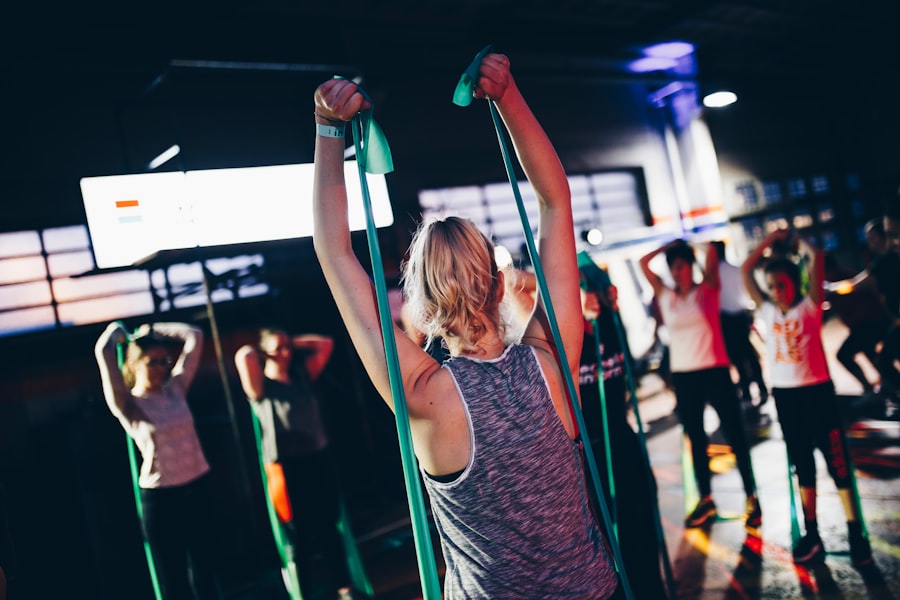
To maximize the benefits of mace training, proper form and technique are paramount. The foundation of effective mace training lies in maintaining a stable core and proper posture throughout each movement. When performing swings or lifts, it is crucial to engage the core muscles to protect the spine and maintain balance.
A neutral spine position should be upheld, with shoulders retracted and down, ensuring that the body remains aligned during dynamic movements. Moreover, grip technique plays a vital role in executing mace exercises safely and effectively. The hands should be positioned firmly on the handle, with fingers wrapped securely around it.
This grip not only enhances control but also prevents slippage during high-intensity movements. Practitioners should focus on fluidity in their motions, emphasizing smooth transitions between exercises to maintain momentum and prevent injury.
Choosing the Right Mace Weight for Cardio
| Mace Weight (lbs) | Cardio Level | Recommended User |
|---|---|---|
| 5-7 lbs | Beginner | Those new to mace training or with limited upper body strength |
| 10-12 lbs | Intermediate | Experienced mace users or individuals with moderate upper body strength |
| 15-20 lbs | Advanced | Highly experienced mace users or individuals with strong upper body strength |
Selecting the appropriate mace weight is essential for optimizing cardio workouts while minimizing the risk of injury. Beginners should start with a lighter mace, typically ranging from 5 to 10 pounds, allowing them to focus on mastering form and technique before progressing to heavier weights. As individuals become more comfortable with the movements and develop strength, they can gradually increase the weight to challenge themselves further.
It is important to consider individual fitness levels and goals when choosing a mace weight. Those aiming for endurance may benefit from lighter weights that allow for higher repetitions, while individuals focusing on strength may opt for heavier maces with lower repetitions. Ultimately, finding a balance between weight and technique is crucial for achieving desired results without compromising safety.
Incorporating Mace Training into Your Cardio Routine
Integrating mace training into an existing cardio routine can enhance overall fitness outcomes significantly. One effective approach is to incorporate mace exercises as part of a circuit training regimen. By alternating between traditional cardio exercises such as running or cycling and mace movements, individuals can create a dynamic workout that challenges both aerobic capacity and muscular endurance.
For instance, a sample workout could include 5 minutes of jogging followed by 1 minute of mace swings, repeated for several rounds. This method not only keeps the heart rate elevated but also introduces variety into the workout, preventing boredom and promoting adherence to fitness goals. Additionally, scheduling dedicated mace training sessions throughout the week can further enhance cardiovascular fitness while allowing for focused skill development.
Mace Training Workouts for Cardio

Mace training workouts can be tailored to suit various fitness levels and goals while providing an effective cardiovascular challenge. A well-rounded mace workout may include exercises such as the 360-degree swing, which targets the shoulders, core, and legs while elevating heart rate. Another effective movement is the mace squat-to-press, combining lower body strength with upper body engagement for a full-body workout.
A sample workout could consist of the following circuit: 1. **360-degree swings**: 10-15 reps
2. **Mace squats**: 10-12 reps
3.
**Mace lunges**: 10 reps per leg
4. **Mace overhead presses**: 10-12 reps
5. **Rest**: 30 seconds between exercises This circuit can be repeated for multiple rounds, allowing individuals to adjust intensity based on their fitness levels.
Incorporating variations in tempo or adding additional weight can further enhance cardiovascular benefits.
Tips for Maximizing Cardio with Mace Training
To maximize cardiovascular benefits through mace training, individuals should focus on maintaining a consistent pace throughout their workouts. Engaging in high-intensity interval training (HIIT) with mace exercises can significantly elevate heart rate and improve aerobic capacity. Alternating between periods of intense effort and active recovery allows practitioners to push their limits while promoting recovery.
Additionally, incorporating compound movements that engage multiple muscle groups can enhance calorie burn during workouts. Exercises such as the mace snatch or clean-and-press not only challenge cardiovascular endurance but also promote functional strength development. Lastly, tracking progress through metrics such as heart rate or workout duration can help individuals stay motivated and monitor improvements over time.
Common Mistakes to Avoid in Mace Training for Cardio
While mace training offers numerous benefits, several common mistakes can hinder progress or lead to injury. One prevalent error is neglecting proper warm-up routines before engaging in intense workouts. Failing to adequately prepare the body can result in muscle strains or joint injuries during dynamic movements.
Another mistake is using excessive weight too soon. Beginners often underestimate their capabilities or overestimate their strength levels, leading to compromised form and increased injury risk. It is essential to prioritize technique over weight until proficiency is achieved.
Lastly, neglecting recovery time between workouts can lead to overtraining and burnout; therefore, incorporating rest days into a training schedule is crucial for long-term success.
Progressing and Advancing in Mace Training for Cardio
As individuals become more proficient in mace training, progression becomes essential for continued improvement in cardiovascular fitness. One effective method of progression is increasing the weight of the mace gradually while maintaining proper form. This approach challenges the body’s strength capacity while enhancing cardiovascular endurance.
Additionally, incorporating advanced techniques such as complex movements or multi-directional swings can further elevate workout intensity. Practitioners may also consider increasing workout duration or reducing rest intervals between sets to promote greater cardiovascular demand. Setting specific goals—such as completing a certain number of repetitions or achieving a target heart rate—can provide motivation and direction for progression.
Combining Mace Training with Other Cardio Exercises
Combining mace training with other forms of cardio can create a well-rounded fitness regimen that addresses various aspects of cardiovascular health. For instance, integrating traditional cardio exercises like running or cycling with mace workouts can enhance overall endurance while providing variety in training routines. A balanced approach may involve alternating between steady-state cardio sessions and high-intensity mace workouts throughout the week.
This combination allows individuals to reap the benefits of both aerobic conditioning and functional strength development while preventing workout monotony.
Safety Precautions and Considerations for Mace Training
Safety should always be a priority when engaging in mace training or any form of exercise. Practitioners should ensure they are using appropriate footwear with adequate grip to prevent slipping during dynamic movements. Additionally, selecting a suitable training environment—free from obstacles or hazards—can minimize injury risk.
It is also advisable to consult with a fitness professional or coach when starting mace training to ensure proper technique is established from the outset. Individuals with pre-existing medical conditions or injuries should seek medical advice before beginning any new exercise program to ensure safety and appropriateness. In summary, mace training presents an innovative approach to enhancing cardiovascular fitness through dynamic movements that engage multiple muscle groups simultaneously.
By understanding proper form, selecting appropriate weights, and incorporating varied workouts into existing routines, individuals can maximize their cardio benefits while minimizing injury risk. With consistent practice and attention to safety precautions, mace training can become an integral part of any fitness journey. In conclusion, embracing mace training not only diversifies your workout routine but also provides significant cardiovascular benefits that contribute to overall health and wellness.
By focusing on proper technique, progression strategies, and safety measures, individuals can harness the full potential of this unique training method while achieving their fitness goals effectively.
If you’re looking to stay active during the holiday season, consider incorporating mace cardio into your routine. This unique form of exercise involves using a mace, a long metal or wooden pole with a weighted ball on one end, to perform a variety of dynamic movements that challenge your strength, balance, and coordination. To learn more about how mace cardio can benefit your fitness routine, check out this article on embracing tradition and joy during seasonal holiday celebrations.
FAQs
What is mace cardio?
Mace cardio is a form of cardiovascular exercise that involves using a mace, a long metal or wooden pole with a weighted ball at one end, to perform a variety of swinging and rotational movements.
What are the benefits of mace cardio?
Mace cardio can help improve cardiovascular endurance, strength, and flexibility. It also engages the core and stabilizer muscles, and can provide a full-body workout.
Is mace cardio suitable for beginners?
Mace cardio can be suitable for beginners, but it is important to start with lighter weights and focus on proper form and technique to avoid injury.
What equipment is needed for mace cardio?
The main equipment needed for mace cardio is a mace, which can vary in weight depending on the individual’s strength and experience level.
Are there any risks associated with mace cardio?
As with any form of exercise, there are risks associated with mace cardio, particularly if proper form and technique are not followed. It is important to start with lighter weights and seek guidance from a qualified instructor.
Can mace cardio be incorporated into a fitness routine?
Yes, mace cardio can be incorporated into a fitness routine as a standalone workout or as a complement to other forms of exercise such as strength training or yoga.