Now Reading: Cardiac Catheterization Complications: 24-Hour Risks
-
01
Cardiac Catheterization Complications: 24-Hour Risks
Cardiac Catheterization Complications: 24-Hour Risks
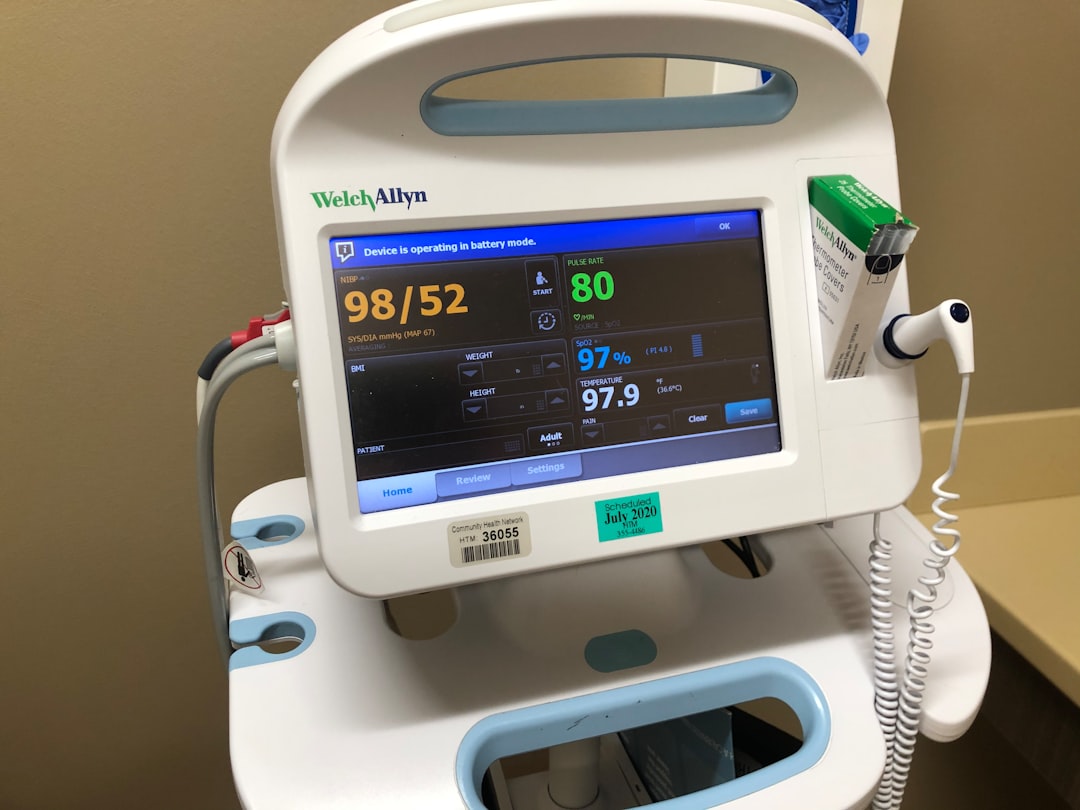
Cardiac catheterization is a pivotal diagnostic and therapeutic procedure employed in the management of various cardiovascular conditions. This minimally invasive technique allows for direct visualization of the heart’s chambers, valves, and coronary arteries, facilitating interventions such as angioplasty and stent placement. Despite its widespread use and significant benefits, cardiac catheterization is not devoid of risks.
Complications can arise during or after the procedure, necessitating a comprehensive understanding of potential adverse events to enhance patient safety and outcomes. The incidence of complications associated with cardiac catheterization varies based on patient demographics, underlying health conditions, and the complexity of the procedure. While many patients experience uneventful recoveries, a subset may encounter complications that can lead to significant morbidity or mortality.
This article delves into the common complications that may arise within 24 hours post-procedure, providing insights into their pathophysiology, clinical manifestations, and management strategies.
Key Takeaways
- Cardiac catheterization can lead to various complications, including bleeding, infection, allergic reactions, arrhythmias, vascular issues, kidney injury, neurological complications, and heart attack.
- Common complications within 24 hours of the procedure include bleeding, hematoma formation, infection at the catheterization site, and allergic reactions to contrast dye.
- Bleeding and hematoma formation are potential complications that can occur at the catheterization site, leading to further medical intervention and prolonged recovery.
- Allergic reactions to contrast dye can range from mild itching and hives to severe anaphylaxis, requiring immediate medical attention.
- Strategies to minimize complications and improve patient outcomes include careful patient selection, meticulous technique, and close monitoring for early detection and management of complications.
Common Complications within 24 Hours of Procedure
Common Complications to Watch For
Several complications can occur after cardiac catheterization, including bleeding, infection, allergic reactions to contrast dye, arrhythmias, vascular complications, acute kidney injury, neurological events, and myocardial infarction.
The Importance of Early Recognition
Understanding these complications is essential for timely intervention and improved patient outcomes. Each complication presents unique challenges and requires specific management strategies.
Enhancing Recovery Through Vigilance
By recognizing the signs and symptoms early, healthcare professionals can mitigate risks and enhance recovery for patients undergoing cardiac catheterization.
Bleeding and Hematoma Formation

Bleeding is one of the most prevalent complications following cardiac catheterization. It can occur at the access site, typically the femoral or radial artery, due to vessel puncture or inadequate hemostasis. Hematoma formation may also arise from extravasation of blood into surrounding tissues, leading to localized swelling and discomfort.
The risk factors for bleeding include anticoagulant therapy, advanced age, obesity, and the use of larger sheaths during the procedure. Clinical manifestations of bleeding can range from minor bruising to significant hemorrhage requiring surgical intervention. Patients may present with swelling, pain at the access site, or even signs of hypovolemic shock in severe cases.
Management strategies include applying direct pressure to the site, utilizing compression devices, or performing surgical repair if necessary. Close monitoring of vital signs and hemoglobin levels is crucial in identifying significant blood loss early.
Infection at the Catheterization Site
| Year | No. of Catheterizations | No. of Infections at Catheterization Site | Infection Rate (%) |
|---|---|---|---|
| 2018 | 500 | 10 | 2 |
| 2019 | 550 | 8 | 1.45 |
| 2020 | 600 | 12 | 2 |
Infection at the catheterization site is another potential complication that can arise post-procedure. The introduction of foreign material into the vascular system creates a pathway for pathogens to enter the bloodstream, leading to localized or systemic infections. Risk factors for infection include poor skin hygiene, diabetes mellitus, immunosuppression, and prolonged catheterization.
Signs of infection may include erythema, warmth, swelling at the access site, and systemic symptoms such as fever or chills. Early identification is paramount to prevent progression to more severe infections like sepsis. Management typically involves initiating broad-spectrum antibiotics while obtaining cultures to guide targeted therapy.
Allergic Reactions to Contrast Dye
Contrast-induced allergic reactions represent a significant concern during cardiac catheterization due to the use of iodinated contrast agents for imaging purposes. These reactions can range from mild urticaria to severe anaphylaxis, characterized by respiratory distress and cardiovascular collapse. Patients with a history of allergies or previous reactions to contrast media are at an increased risk.
Prevention strategies include thorough pre-procedure assessments to identify high-risk individuals and premedication protocols using corticosteroids and antihistamines. In cases where allergic reactions occur, immediate cessation of contrast administration is critical. Supportive measures such as oxygen supplementation, intravenous fluids, and epinephrine administration may be necessary for severe reactions.
Arrhythmias and Cardiac Arrest

Arrhythmias are common occurrences during cardiac catheterization due to manipulation of cardiac structures and potential ischemia. Patients may experience various arrhythmias ranging from benign premature beats to life-threatening ventricular tachycardia or fibrillation. The incidence of arrhythmias can be influenced by underlying heart disease, electrolyte imbalances, and medication effects.
In some instances, arrhythmias may resolve spontaneously; however, persistent or symptomatic arrhythmias require prompt intervention. Management options include antiarrhythmic medications or electrical cardioversion in cases of hemodynamic instability. Continuous cardiac monitoring during and after the procedure is essential for early detection and management of arrhythmias.
Vascular Complications such as Arterial Dissection or Thrombosis
Vascular complications are serious events that can occur during cardiac catheterization due to arterial injury or thrombosis at the access site. Arterial dissection involves a tear in the arterial wall that can compromise blood flow and lead to ischemia in distal tissues. Thrombosis may occur as a result of plaque rupture or stasis following catheter manipulation.
Clinical signs of vascular complications include limb ischemia characterized by pain, pallor, pulselessness, paresthesia, and paralysis (the “6 P’s”). Immediate evaluation through Doppler ultrasound or angiography is warranted to assess blood flow and determine appropriate interventions. Treatment options may include thrombolysis or surgical repair depending on the severity of the complication.
Acute Kidney Injury from Contrast Dye
Acute kidney injury (AKI) is a well-documented complication associated with the use of contrast dye during cardiac catheterization. The nephrotoxic effects of iodinated contrast agents can lead to renal impairment, particularly in patients with pre-existing renal dysfunction or diabetes mellitus. The pathophysiology involves renal vasoconstriction and direct tubular toxicity.
Monitoring renal function through serum creatinine levels before and after the procedure is essential for early detection of AKI. Preventive measures include adequate hydration pre- and post-procedure and utilizing low-osmolarity contrast agents when possible. In cases where AKI develops, management focuses on supportive care and avoiding nephrotoxic medications until renal function recovers.
Neurological Complications such as Stroke or Transient Ischemic Attack
Neurological complications following cardiac catheterization can manifest as strokes or transient ischemic attacks (TIAs). These events may occur due to embolization of thrombus or plaque debris during catheter manipulation or as a result of hemodynamic instability leading to cerebral hypoperfusion. Patients with pre-existing cerebrovascular disease are particularly vulnerable.
Symptoms of neurological complications may include sudden onset weakness, speech difficulties, visual disturbances, or altered consciousness. Rapid assessment using imaging modalities such as CT or MRI is crucial for diagnosis and management. Treatment may involve anticoagulation therapy for embolic strokes or supportive care for TIAs.
Myocardial Infarction or Heart Attack
Myocardial infarction (MI) is a rare but serious complication that can occur during cardiac catheterization due to coronary artery dissection or embolization of thrombus during intervention. Patients with significant coronary artery disease are at higher risk for this event during procedures aimed at revascularization. Clinical presentation may include chest pain radiating to the arm or jaw, shortness of breath, diaphoresis, and nausea.
Immediate recognition is vital for timely intervention with antiplatelet therapy, thrombolytics, or percutaneous coronary intervention (PCI) as indicated. Continuous monitoring of cardiac biomarkers such as troponin levels aids in diagnosing MI post-procedure.
Strategies to Minimize Complications and Improve Patient Outcomes
To enhance patient safety during cardiac catheterization, several strategies can be implemented to minimize complications effectively. Comprehensive pre-procedural assessments should be conducted to identify high-risk patients who may require additional monitoring or interventions. Utilizing ultrasound guidance for vascular access can reduce the risk of bleeding and vascular complications.
Infection prevention protocols should be strictly adhered to by ensuring proper skin antisepsis and employing sterile techniques throughout the procedure. Additionally, employing low-dose contrast agents and ensuring adequate hydration can mitigate the risk of acute kidney injury. Post-procedural monitoring is essential for early detection of complications; therefore, healthcare providers should remain vigilant for any signs indicating adverse events.
Education regarding potential complications should also be provided to patients prior to discharge to ensure they are aware of symptoms that warrant immediate medical attention. In conclusion, while cardiac catheterization is a valuable tool in cardiovascular medicine, it carries inherent risks that necessitate careful consideration and management strategies to optimize patient outcomes. By understanding potential complications and implementing preventive measures, healthcare professionals can significantly reduce morbidity associated with this procedure.
Summary: Cardiac catheterization is a critical procedure with potential complications including bleeding, infection, allergic reactions, arrhythmias, vascular issues, acute kidney injury, neurological events, and myocardial infarction. Awareness and proactive management strategies are essential for minimizing risks and improving patient outcomes post-procedure.
Cardiac catheterization is a common procedure used to diagnose and treat heart conditions, but it can also come with potential complications. According to a recent article on Boogger, some of the complications that can arise from cardiac catheterization include bleeding, infection, and damage to blood vessels. It is important for patients to be aware of these risks and to discuss them with their healthcare provider before undergoing the procedure.
FAQs
What are the common complications of cardiac catheterization?
Common complications of cardiac catheterization include bleeding or bruising at the catheter insertion site, damage to blood vessels or the heart, allergic reactions to the contrast dye, and blood clots.
What are the more serious complications of cardiac catheterization?
More serious complications of cardiac catheterization can include heart attack, stroke, irregular heart rhythms, and kidney damage from the contrast dye.
How common are complications from cardiac catheterization?
Complications from cardiac catheterization are relatively rare, occurring in less than 1% of cases. However, the risk of complications can be higher in certain individuals, such as those with pre-existing heart or kidney problems.
What can be done to reduce the risk of complications from cardiac catheterization?
To reduce the risk of complications from cardiac catheterization, it is important for patients to provide their healthcare team with a complete medical history, follow all pre-procedure instructions, and carefully follow post-procedure care guidelines. Additionally, using experienced and skilled healthcare professionals for the procedure can also help reduce the risk of complications.