Now Reading: The Link Between Smoking and CVD
-
01
The Link Between Smoking and CVD
The Link Between Smoking and CVD
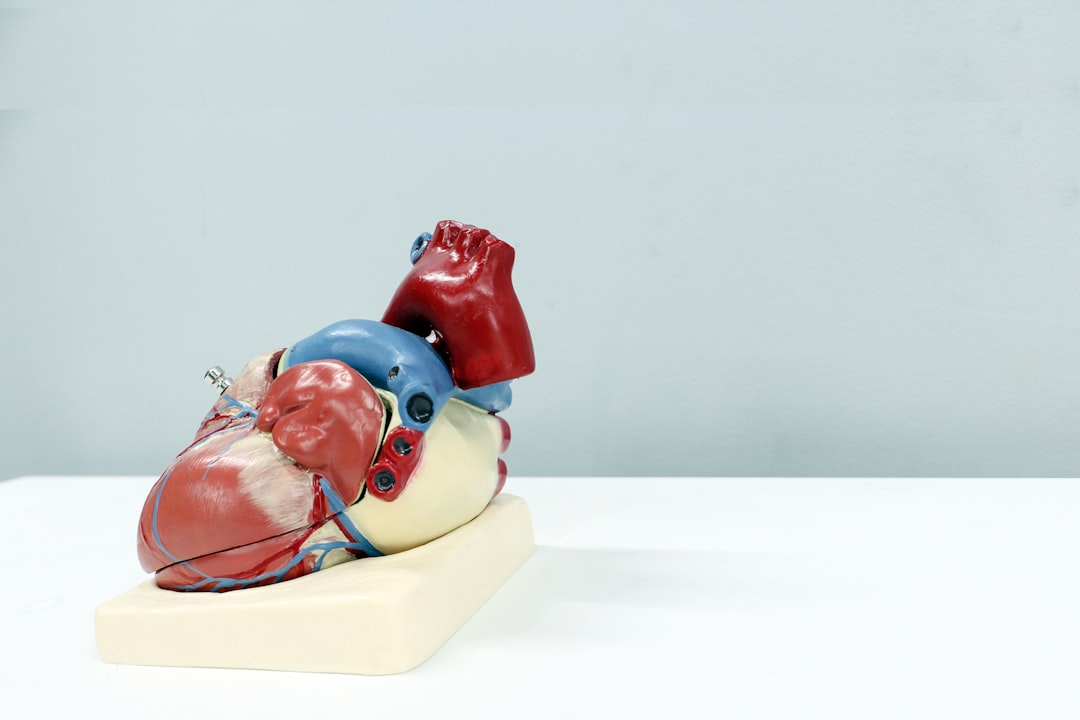
Cardiovascular disease (CVD) remains a leading cause of morbidity and mortality worldwide, with smoking identified as a significant modifiable risk factor. The World Health Organization (WHO) estimates that tobacco use is responsible for approximately 7 million deaths annually, with a substantial proportion attributed to cardiovascular complications. Smoking not only contributes to the development of CVD but also exacerbates existing conditions, leading to increased healthcare costs and diminished quality of life.
Understanding the intricate relationship between smoking and cardiovascular health is crucial for effective prevention and intervention strategies. The detrimental effects of smoking on cardiovascular health are multifaceted, involving both direct and indirect mechanisms. Tobacco smoke contains over 7,000 chemicals, many of which are toxic and carcinogenic.
These substances can lead to endothelial dysfunction, increased arterial stiffness, and inflammation, all of which are precursors to cardiovascular events. As public health initiatives continue to address smoking cessation, it is imperative to recognize the profound impact that quitting smoking can have on reducing the risk of CVD and improving overall health outcomes.
Key Takeaways
- Smoking is a major risk factor for cardiovascular disease (CVD) and can have a significant impact on the cardiovascular system.
- Smoking increases the risk of CVD by damaging blood vessels, increasing blood pressure, and promoting the formation of blood clots.
- Secondhand smoke exposure also poses a risk for CVD, making it important to avoid exposure to smoke in all forms.
- Quitting smoking can significantly reduce the risk of CVD and other related health issues, highlighting the importance of smoking cessation programs and support.
- Nicotine, the addictive substance in cigarettes, plays a role in the development of CVD and further emphasizes the need for smoking cessation.
How Smoking Increases the Risk of CVD
The pathophysiology of how smoking elevates the risk of cardiovascular disease is complex and involves several biological processes. One of the primary mechanisms is the damage caused to the endothelial lining of blood vessels. Nicotine and other harmful constituents in tobacco smoke induce oxidative stress, leading to the formation of reactive oxygen species (ROS).
This oxidative damage impairs endothelial function, resulting in reduced nitric oxide availability, which is essential for vascular relaxation and homeostasis. Moreover, smoking promotes a pro-inflammatory state within the vascular system. The inhalation of tobacco smoke triggers the release of inflammatory cytokines, which contribute to atherosclerosis—a condition characterized by the buildup of plaque in arterial walls.
This inflammatory response not only accelerates plaque formation but also destabilizes existing plaques, increasing the risk of acute cardiovascular events such as myocardial infarction and stroke.
The Impact of Smoking on the Cardiovascular System

The cardiovascular system is profoundly affected by smoking, with both acute and chronic consequences. Acute exposure to tobacco smoke can lead to transient increases in heart rate and blood pressure due to nicotine’s stimulatory effects on the sympathetic nervous system. Over time, chronic smoking results in persistent hypertension and tachycardia, which place additional strain on the heart and vasculature.
Chronic smokers are also at an increased risk for developing peripheral artery disease (PAD), a condition characterized by narrowed arteries that reduce blood flow to the limbs. This can lead to symptoms such as claudication, pain during physical activity, and in severe cases, limb ischemia or amputation. Furthermore, smoking has been linked to an increased incidence of heart failure, as it contributes to left ventricular hypertrophy and diastolic dysfunction.
Secondhand Smoke and CVD
| Study | Findings |
|---|---|
| Secondhand Smoke Exposure and Cardiovascular Disease | Increased risk of developing cardiovascular disease |
| Secondhand Smoke and Coronary Heart Disease | Linked to higher risk of coronary heart disease |
| Secondhand Smoke and Stroke | Associated with increased risk of stroke |
Secondhand smoke (SHS), also known as passive smoke or environmental tobacco smoke, poses significant health risks not only to smokers but also to non-smokers exposed to it. The American Heart Association has reported that non-smokers who are regularly exposed to SHS have a 25-30% higher risk of developing coronary heart disease compared to those who are not exposed. This is particularly concerning for vulnerable populations such as children, pregnant women, and individuals with pre-existing health conditions.
The mechanisms by which secondhand smoke contributes to cardiovascular disease mirror those associated with active smoking. SHS contains many of the same harmful chemicals found in mainstream smoke, leading to endothelial dysfunction, increased inflammation, and oxidative stress in non-smokers. Additionally, exposure to SHS has been linked to an increased risk of stroke and heart attack among non-smokers, highlighting the urgent need for comprehensive smoking bans in public spaces.
Smoking Cessation and CVD Risk Reduction
Quitting smoking is one of the most effective strategies for reducing the risk of cardiovascular disease. Research indicates that individuals who cease tobacco use can experience significant improvements in cardiovascular health within a relatively short period. For instance, within just 24 hours of quitting, blood pressure and heart rate begin to normalize, while carbon monoxide levels in the blood decrease significantly.
Long-term benefits of smoking cessation include a marked reduction in the risk of coronary heart disease and stroke. According to studies, former smokers can reduce their risk of heart disease by 50% within one year of quitting and achieve similar levels of risk as non-smokers after 15 years. Various cessation programs, including behavioral therapy, pharmacotherapy (such as nicotine replacement therapy), and support groups, have proven effective in helping individuals quit smoking and maintain long-term abstinence.
The Role of Nicotine in CVD Development

Nicotine is the primary addictive substance in tobacco products and plays a pivotal role in the development of cardiovascular disease. Upon inhalation or absorption through mucosal surfaces, nicotine rapidly enters the bloodstream and stimulates the release of catecholamines—hormones that increase heart rate and blood pressure. This acute response places additional stress on the cardiovascular system.
Furthermore, nicotine contributes to atherosclerosis by promoting endothelial dysfunction and enhancing platelet aggregation. It also stimulates the production of inflammatory markers that exacerbate vascular injury. Understanding nicotine’s role in CVD development underscores the importance of targeted interventions aimed at reducing nicotine dependence as part of comprehensive smoking cessation strategies.
Smoking and the Risk of Specific Cardiovascular Diseases
The relationship between smoking and specific cardiovascular diseases is well-documented. Coronary artery disease (CAD) is one of the most prevalent conditions associated with tobacco use. Smokers are two to four times more likely to develop CAD compared to non-smokers due to the combined effects of endothelial injury, increased thrombosis risk, and accelerated atherosclerosis.
Additionally, smoking significantly increases the risk of heart failure. Studies have shown that smokers are more likely to develop both systolic and diastolic heart failure due to structural changes in the heart muscle caused by chronic exposure to tobacco smoke. The risk extends beyond traditional cardiovascular diseases; smokers are also at an elevated risk for developing arrhythmias, particularly atrial fibrillation.
The Connection Between Smoking and Atherosclerosis
Atherosclerosis is a progressive disease characterized by the accumulation of lipids, inflammatory cells, and fibrous elements within arterial walls. Smoking accelerates this process through multiple pathways. The toxic components in tobacco smoke induce oxidative stress, leading to lipid peroxidation and subsequent foam cell formation—key events in plaque development.
The presence of nicotine exacerbates these effects by stimulating smooth muscle cell proliferation within arterial walls. As a result, smokers experience accelerated atherosclerotic changes that significantly increase their risk for acute coronary syndromes.
Smoking and the Risk of Stroke
The association between smoking and stroke is well-established, with smokers facing a twofold increased risk compared to non-smokers. Both ischemic strokes—caused by blood clots—and hemorrhagic strokes—resulting from bleeding—are more prevalent among individuals who smoke. The mechanisms underlying this increased risk include elevated blood pressure, increased clotting tendency due to platelet activation, and vascular damage from chronic inflammation.
Cessation of smoking has been shown to reduce stroke risk significantly over time. Studies indicate that former smokers can achieve a stroke risk comparable to that of non-smokers within five years after quitting. This highlights the importance of smoking cessation programs as part of comprehensive stroke prevention strategies.
Smoking and the Risk of Heart Attack
Heart attacks remain one of the most critical consequences associated with smoking. The American Heart Association reports that smokers are twice as likely to experience a heart attack compared to non-smokers. The underlying mechanisms include accelerated atherosclerosis, increased myocardial oxygen demand due to elevated heart rate and blood pressure, and enhanced thrombogenicity.
The acute effects of smoking on cardiac function can precipitate myocardial infarction even in otherwise healthy individuals. Quitting smoking leads to significant reductions in heart attack risk; studies show that within one year after cessation, former smokers experience a 50% reduction in their risk for myocardial infarction compared to those who continue smoking.
Conclusion and Recommendations for Smoking Cessation
In conclusion, smoking is a major contributor to cardiovascular disease through various mechanisms including endothelial dysfunction, inflammation, and accelerated atherosclerosis. The risks associated with both active smoking and secondhand smoke underscore the urgent need for effective public health interventions aimed at reducing tobacco use. Comprehensive smoking cessation programs that incorporate behavioral therapy alongside pharmacotherapy options such as nicotine replacement therapy (NRT) or prescription medications like varenicline (Chantix) or bupropion (Zyban) can significantly enhance quit rates.
These treatments work by alleviating withdrawal symptoms and reducing cravings associated with nicotine dependence. Ultimately, raising awareness about the risks associated with smoking and promoting cessation efforts can lead to substantial improvements in cardiovascular health outcomes across populations. By prioritizing smoking cessation initiatives, we can mitigate the burden of cardiovascular disease and improve overall public health.
In summary, smoking is a critical modifiable risk factor for cardiovascular disease that affects millions globally. Understanding its impact on cardiovascular health is essential for effective prevention strategies aimed at reducing morbidity and mortality associated with CVD.
According to a recent study, smoking is a major risk factor for cardiovascular disease (CVD). This finding is supported by research published in Boogger, which highlights the detrimental effects of smoking on heart health. Individuals who smoke are at a higher risk of developing CVD, including heart attacks and strokes. It is crucial for smokers to quit in order to reduce their risk of these serious health conditions.
FAQs
What is CVD?
CVD stands for cardiovascular disease, which refers to a group of conditions that affect the heart and blood vessels. These conditions include coronary artery disease, heart attack, stroke, and heart failure.
How does smoking affect CVD?
Smoking is a major risk factor for the development of CVD. It can damage the heart and blood vessels, leading to atherosclerosis (hardening and narrowing of the arteries), increased blood pressure, and reduced oxygen supply to the heart.
What are the specific cardiovascular risks associated with smoking?
Smoking increases the risk of developing coronary artery disease, peripheral artery disease, stroke, and heart attack. It also contributes to the development of blood clots and can worsen existing heart conditions.
Can secondhand smoke also increase the risk of CVD?
Yes, exposure to secondhand smoke can also increase the risk of developing CVD. Non-smokers who are regularly exposed to secondhand smoke have an increased risk of heart disease and stroke.
How does quitting smoking affect the risk of CVD?
Quitting smoking can significantly reduce the risk of developing CVD. Within a few years of quitting, the risk of heart disease and stroke begins to decrease, and over time, it can return to that of a non-smoker.