Now Reading: Hypertensive Heart Failure: Causes and Treatment
-
01
Hypertensive Heart Failure: Causes and Treatment
Hypertensive Heart Failure: Causes and Treatment
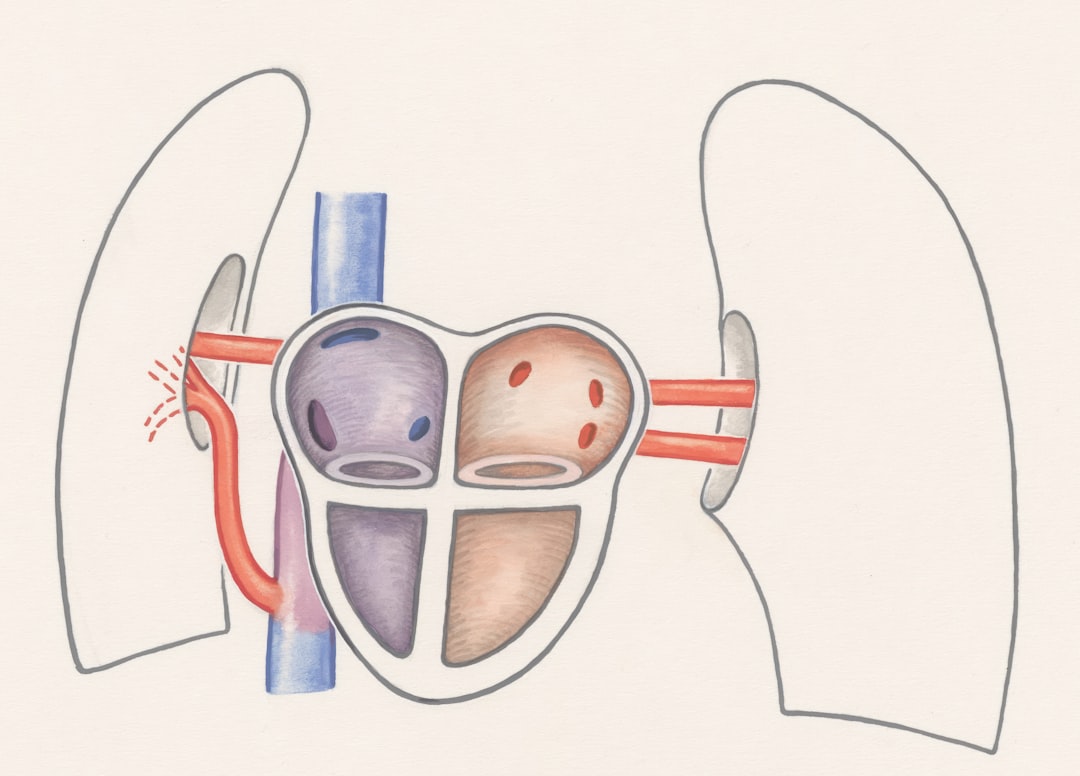
Hypertensive heart failure, often referred to as heart failure with preserved ejection fraction (HFpEF), is a complex clinical syndrome characterized by the heart’s inability to pump sufficient blood to meet the body’s metabolic demands due to chronic hypertension. This condition arises when the heart muscle thickens (left ventricular hypertrophy) in response to prolonged high blood pressure, leading to a stiffening of the heart walls. Consequently, the heart struggles to fill adequately during diastole, resulting in elevated pressures in the heart and lungs, which can lead to pulmonary congestion and systemic symptoms.
The prevalence of hypertensive heart failure is increasing globally, primarily due to rising rates of hypertension and an aging population. It is estimated that approximately 50% of patients with heart failure have preserved ejection fraction, making it a significant public health concern. Understanding the pathophysiology of this condition is crucial for effective management and treatment.
The interplay between neurohormonal activation, vascular remodeling, and myocardial dysfunction plays a pivotal role in the progression of hypertensive heart failure.
Key Takeaways
- Hypertensive heart failure is a condition where the heart is unable to pump blood effectively due to high blood pressure.
- Causes of hypertensive heart failure include long-term high blood pressure, coronary artery disease, and heart valve disease.
- Risk factors for hypertensive heart failure include obesity, smoking, excessive alcohol consumption, and a family history of heart disease.
- Symptoms of hypertensive heart failure may include shortness of breath, fatigue, swelling in the legs, and rapid weight gain.
- Diagnosing hypertensive heart failure involves physical exams, imaging tests, blood tests, and monitoring of symptoms and medical history.
Causes of Hypertensive Heart Failure
The primary cause of hypertensive heart failure is chronic hypertension, which exerts excessive pressure on the arterial walls over time. This sustained pressure leads to structural changes in the heart, including left ventricular hypertrophy and fibrosis. Other contributing factors include atherosclerosis, which narrows coronary arteries and reduces blood flow to the heart muscle, and conditions such as diabetes mellitus that exacerbate vascular damage.
Additionally, lifestyle factors such as obesity, excessive alcohol consumption, and sedentary behavior can contribute to the development of hypertension and subsequently hypertensive heart failure. Genetic predisposition also plays a role; individuals with a family history of hypertension or cardiovascular disease are at an increased risk.
Risk Factors for Hypertensive Heart Failure

Several risk factors contribute to the development of hypertensive heart failure, many of which are modifiable through lifestyle changes and medical intervention. Key risk factors include: 1. **Age**: The risk increases significantly with advancing age, particularly in individuals over 65.
2. **Obesity**: Excess body weight is associated with increased blood pressure and strain on the heart.
3. **Sedentary Lifestyle**: Lack of physical activity contributes to obesity and hypertension.
4.
**Diabetes Mellitus**: This condition is closely linked with hypertension and cardiovascular complications.
5. **Smoking**: Tobacco use damages blood vessels and exacerbates hypertension.
6. **Excessive Alcohol Intake**: High alcohol consumption can lead to elevated blood pressure and cardiac stress.
7.
**Family History**: A genetic predisposition to hypertension or heart disease increases risk. Understanding these risk factors is essential for both prevention and early intervention strategies aimed at reducing the incidence of hypertensive heart failure.
Symptoms of Hypertensive Heart Failure
| Symptom | Description |
|---|---|
| Shortness of breath | Difficulty breathing, especially during physical activity or when lying down |
| Fatigue | Feeling tired and weak, even after rest |
| Swelling | Buildup of fluid in the legs, ankles, or abdomen |
| Rapid weight gain | Unexplained weight gain over a short period of time |
| Coughing | Persistent cough, especially at night or when lying down |
Patients with hypertensive heart failure may present with a variety of symptoms that can significantly impact their quality of life. Common manifestations include: 1. **Dyspnea**: Shortness of breath during exertion or while lying flat (orthopnea) is often reported due to pulmonary congestion.
2.
**Fatigue**: A general sense of tiredness or lack of energy can occur as the heart struggles to meet metabolic demands.
3. **Edema**: Swelling in the legs, ankles, or abdomen may develop due to fluid retention.
4. **Palpitations**: Patients may experience irregular heartbeats or a racing heart as the body attempts to compensate for reduced cardiac output.
5.
**Cough**: A persistent cough, especially when lying down, may indicate fluid accumulation in the lungs. Recognizing these symptoms early is crucial for timely diagnosis and management, as they can indicate worsening heart function and necessitate immediate medical attention.
Diagnosing Hypertensive Heart Failure
The diagnosis of hypertensive heart failure involves a comprehensive evaluation that includes a detailed medical history, physical examination, and diagnostic testing. Physicians typically assess blood pressure readings over time to confirm chronic hypertension. Diagnostic tests may include: 1. **Electrocardiogram (ECG)**: This test helps identify arrhythmias and signs of left ventricular hypertrophy.
2. **Echocardiogram**: An ultrasound of the heart provides information about its structure and function, including ejection fraction and diastolic function.
3. **Chest X-ray**: This imaging study can reveal signs of pulmonary congestion or cardiomegaly.
4. **Blood Tests**: Biomarkers such as B-type natriuretic peptide (BNP) levels can assist in diagnosing heart failure. A thorough assessment allows healthcare providers to differentiate hypertensive heart failure from other forms of heart failure and tailor appropriate treatment strategies.
Complications of Hypertensive Heart Failure
Hypertensive heart failure can lead to several serious complications that may further compromise patient health. These complications include: 1. **Arrhythmias**: Abnormal heart rhythms can develop due to structural changes in the myocardium, increasing the risk of sudden cardiac death.
2.
**Pulmonary Edema**: Severe fluid accumulation in the lungs can lead to acute respiratory distress, requiring emergency intervention.
3. **Kidney Dysfunction**: Reduced cardiac output can impair renal perfusion, leading to acute or chronic kidney injury.
4.
5.
**Coronary Artery Disease**: The presence of hypertensive heart failure often correlates with significant coronary artery disease, increasing morbidity. Addressing these complications through proactive management is essential for improving patient outcomes and quality of life.
Treatment Options for Hypertensive Heart Failure
Management of hypertensive heart failure focuses on controlling blood pressure, alleviating symptoms, and preventing disease progression. Treatment strategies typically involve a combination of pharmacological interventions and lifestyle modifications tailored to individual patient needs. 1. **Blood Pressure Control**: Antihypertensive medications are crucial in managing systemic hypertension and reducing cardiac workload.
2. **Diuretics**: These medications help alleviate fluid retention by promoting renal excretion of sodium and water.
3. **Lifestyle Modifications**: Encouraging patients to adopt a heart-healthy diet, engage in regular physical activity, and avoid tobacco use is vital for long-term management. A multidisciplinary approach involving cardiologists, primary care physicians, dietitians, and physical therapists can enhance treatment efficacy.
Medications for Hypertensive Heart Failure
Pharmacological management plays a pivotal role in treating hypertensive heart failure. Commonly prescribed medications include: 1. **ACE Inhibitors**: Angiotensin-converting enzyme inhibitors such as lisinopril help relax blood vessels, lower blood pressure, and reduce strain on the heart.
2.
**ARBs**: Angiotensin II receptor blockers like losartan provide similar benefits for patients intolerant to ACE inhibitors.
3. **Beta-Blockers**: Medications such as metoprolol reduce heart rate and myocardial oxygen demand while improving cardiac output.
4. **Diuretics**: Loop diuretics like furosemide are effective in managing fluid overload by promoting diuresis.
5.
**Aldosterone Antagonists**: Spironolactone helps prevent potassium loss while providing additional diuretic effects. Each medication class has specific indications and contraindications; therefore, careful consideration is necessary when prescribing these agents.
Lifestyle Changes for Managing Hypertensive Heart Failure
In addition to pharmacotherapy, lifestyle modifications are integral to managing hypertensive heart failure effectively. Key changes include: 1. **Dietary Adjustments**: Adopting a low-sodium diet rich in fruits, vegetables, whole grains, and lean proteins can help control blood pressure and reduce fluid retention.
2.
**Regular Exercise**: Engaging in moderate physical activity tailored to individual capabilities can improve cardiovascular fitness and overall well-being.
3. **Weight Management**: Achieving and maintaining a healthy weight reduces strain on the heart and lowers blood pressure.
4. **Stress Reduction**: Techniques such as mindfulness meditation or yoga can help manage stress levels that may exacerbate hypertension.
Implementing these lifestyle changes requires patient education and support from healthcare providers to ensure adherence.
Surgical Interventions for Hypertensive Heart Failure
In certain cases where medical management fails or complications arise, surgical interventions may be necessary. Options include: 1. **Coronary Artery Bypass Grafting (CABG)**: This procedure improves blood flow to the heart muscle by bypassing blocked coronary arteries.
2.
**Valve Repair or Replacement**: Surgical intervention may be required for patients with significant valvular disease contributing to heart failure symptoms.
3. **Implantable Cardioverter-Defibrillator (ICD)**: For patients at high risk of life-threatening arrhythmias, an ICD may be implanted to monitor and correct abnormal rhythms. These interventions aim to restore normal cardiac function and improve patient outcomes when conservative measures are insufficient.
Prognosis and Outlook for Hypertensive Heart Failure
The prognosis for individuals with hypertensive heart failure varies based on several factors, including age, comorbidities, severity of symptoms, and response to treatment. Early diagnosis and effective management can significantly improve outcomes; however, this condition remains associated with increased morbidity and mortality rates. Studies indicate that patients with hypertensive heart failure have a higher risk of hospitalization compared to those with other forms of heart failure.
Continuous monitoring and adherence to treatment plans are essential for optimizing prognosis. With advancements in medical therapy and lifestyle interventions, many patients can achieve better control over their condition and maintain an improved quality of life. In summary, hypertensive heart failure is a multifaceted condition resulting from chronic hypertension leading to impaired cardiac function.
Understanding its causes, risk factors, symptoms, diagnostic methods, complications, treatment options—including medications and lifestyle changes—can significantly enhance patient care and outcomes. Early intervention remains critical in managing this prevalent condition effectively while minimizing associated risks and complications.
If you are interested in learning more about heart health and how to prevent conditions like hypertensive heart failure, you may want to check out this article on the 25 most popular series to binge on Amazon Prime Video. Taking time to relax and enjoy some entertainment can be a great way to reduce stress and improve overall cardiovascular health.
FAQs
What is hypertensive heart failure?
Hypertensive heart failure is a condition where the heart is unable to pump blood effectively due to high blood pressure, leading to symptoms such as shortness of breath, fatigue, and fluid retention.
What causes hypertensive heart failure?
Hypertensive heart failure is primarily caused by long-term high blood pressure, which can lead to the thickening and stiffening of the heart muscle, making it harder for the heart to pump blood effectively.
What are the symptoms of hypertensive heart failure?
Symptoms of hypertensive heart failure can include shortness of breath, fatigue, swelling in the legs and abdomen, rapid weight gain, and a persistent cough.
How is hypertensive heart failure diagnosed?
Hypertensive heart failure is diagnosed through a combination of medical history, physical examination, blood tests, imaging tests such as echocardiograms, and other diagnostic procedures.
What are the treatment options for hypertensive heart failure?
Treatment for hypertensive heart failure may include lifestyle changes, medication to lower blood pressure, diuretics to reduce fluid retention, and in some cases, surgical procedures such as heart valve repair or heart transplant.
Can hypertensive heart failure be prevented?
Hypertensive heart failure can be prevented or managed by maintaining a healthy lifestyle, including regular exercise, a balanced diet, and managing high blood pressure through medication and regular check-ups with a healthcare provider.