Now Reading: Protect Your Property with Landlord Insurance
-
01
Protect Your Property with Landlord Insurance
Protect Your Property with Landlord Insurance

Landlord insurance is a specialized form of property insurance designed to protect individuals who rent out residential or commercial properties. Unlike standard homeowners’ insurance, which covers personal property and liability for owner-occupied homes, landlord insurance addresses the unique risks associated with rental properties. This type of insurance typically encompasses coverage for the physical structure, loss of rental income, and liability protection against tenant-related incidents.
The primary purpose of landlord insurance is to mitigate financial risks that landlords face, such as property damage caused by tenants, natural disasters, or unforeseen events. It is essential for property owners to understand the nuances of this insurance to ensure they are adequately protected. By investing in a comprehensive policy, landlords can safeguard their assets and maintain peace of mind while managing their rental properties.
Key Takeaways
- Landlord insurance provides coverage for rental properties, protecting against financial loss due to damage, liability, and loss of rental income.
- Types of coverage offered include property damage, liability, loss of rental income, and legal expenses.
- Landlord insurance is important for protecting the investment in a rental property and providing financial security for the landlord.
- Factors to consider when choosing a policy include the property location, type of rental, and the level of coverage needed.
- The cost of landlord insurance varies depending on factors such as the property location, type of rental, and coverage limits.
Types of Coverage Offered
Landlord insurance policies generally offer several types of coverage tailored to the needs of property owners. The most common types include: 1. **Property Damage Coverage**: This protects the physical structure of the rental property against risks such as fire, vandalism, and severe weather events.
It typically covers repair or replacement costs for the building itself. 2. **Liability Coverage**: This aspect of the policy protects landlords from legal claims arising from injuries or damages sustained by tenants or visitors on the property.
It can cover legal fees, medical expenses, and settlements. 3. **Loss of Rental Income**: If a property becomes uninhabitable due to a covered event, this coverage compensates landlords for lost rental income during the repair period.
4. **Contents Coverage**: For landlords who provide furnished rentals, this coverage protects personal property within the unit, such as appliances and furniture, against theft or damage. 5.
**Optional Add-Ons**: Many insurers offer additional coverage options, such as coverage for tenant default, equipment breakdown, or natural disasters like floods and earthquakes. Understanding these various types of coverage allows landlords to tailor their policies to meet their specific needs and protect their investments effectively.
Importance of Landlord Insurance
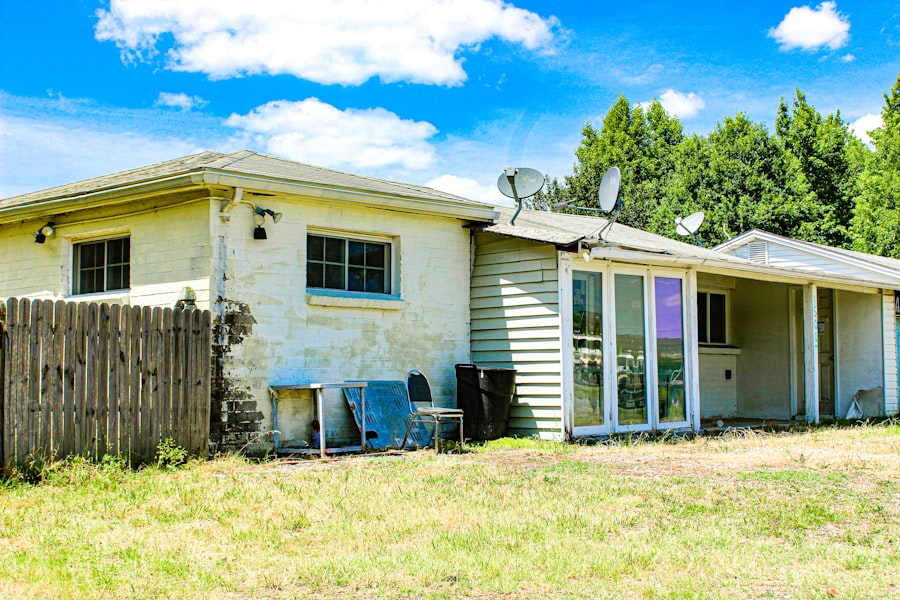
The significance of landlord insurance cannot be overstated. Owning rental properties inherently involves various risks that can lead to substantial financial losses. Without adequate insurance coverage, landlords may find themselves vulnerable to significant out-of-pocket expenses resulting from property damage or legal claims. Moreover, landlord insurance provides a safety net that enables property owners to focus on managing their investments rather than worrying about potential liabilities. In an increasingly litigious society, having liability coverage is crucial for protecting personal assets from lawsuits stemming from tenant injuries or property-related incidents.
Additionally, many mortgage lenders require landlords to carry insurance as a condition for financing, making it not only a prudent choice but often a necessary one.
Factors to Consider When Choosing a Policy
| Factors to Consider | Description |
|---|---|
| Premium Cost | The amount of money you will need to pay for the policy. |
| Coverage Limits | The maximum amount the insurance company will pay for a covered loss. |
| Deductible | The amount you will have to pay out of pocket before the insurance company starts paying. |
| Policy Exclusions | The specific situations or items that are not covered by the policy. |
| Claim Process | How easy and efficient it is to file and process a claim with the insurance company. |
When selecting a landlord insurance policy, several critical factors should be taken into account to ensure comprehensive protection: 1. **Property Type**: The nature of the rental property—whether it is a single-family home, multi-family unit, or commercial space—will influence the type of coverage needed. 2. **Location**: Properties in areas prone to natural disasters or high crime rates may require additional coverage options to mitigate specific risks. 3. **Coverage Limits**: It is essential to assess the appropriate coverage limits based on the property’s value and potential liabilities. Underinsuring can lead to significant financial losses in the event of a claim. 4. **Deductibles**: Understanding the deductible amounts associated with different types of claims is crucial. A higher deductible may lower premium costs but could result in higher out-of-pocket expenses during a claim. 5. **Policy Exclusions**: Carefully reviewing policy exclusions helps landlords understand what is not covered and allows them to seek additional coverage if necessary. By considering these factors, landlords can make informed decisions that align with their risk tolerance and investment goals.
Cost of Landlord Insurance
The cost of landlord insurance varies widely based on several factors, including property location, size, type of coverage selected, and the landlord’s claims history. On average, landlords can expect to pay between $800 and $1,500 annually for a standard policy. However, this figure can fluctuate significantly depending on individual circumstances.
1. **Location Impact**: Properties situated in high-risk areas may incur higher premiums due to increased likelihoods of natural disasters or crime-related incidents. 2.
**Property Characteristics**: The age and condition of the property can also affect costs; older buildings may require more extensive coverage due to potential maintenance issues. 3. **Coverage Options**: Opting for additional coverage or higher limits will naturally increase premium costs but can provide greater peace of mind.
4. **Discounts**: Many insurers offer discounts for bundling policies, maintaining a claims-free history, or implementing safety features such as security systems. Understanding these cost factors allows landlords to budget effectively while ensuring they have adequate protection for their rental properties.
Common Misconceptions about Landlord Insurance

Several misconceptions surround landlord insurance that can lead to inadequate protection or misunderstandings about its necessity: 1. **Homeowners Insurance Suffices**: Many landlords mistakenly believe that their homeowners’ insurance will cover rental properties. However, standard homeowners’ policies typically exclude rental activities and may not provide adequate protection against tenant-related risks.
2. **All Risks Are Covered**: Some landlords assume that all potential risks are covered under their policy without realizing that specific exclusions exist. It is crucial to read the policy thoroughly and understand what is not included.
3. **Cost Is Prohibitive**: While some may perceive landlord insurance as an unnecessary expense, the financial protection it offers far outweighs the costs associated with potential claims or lawsuits. 4.
**Only Large Landlords Need Insurance**: Even those with a single rental unit should consider landlord insurance essential; accidents can happen regardless of the number of properties owned. Dispelling these misconceptions is vital for landlords to make informed decisions regarding their insurance needs.
Benefits of Landlord Insurance
Investing in landlord insurance provides numerous benefits that extend beyond mere financial protection: 1. **Peace of Mind**: Knowing that your investment is protected against unforeseen events allows landlords to focus on managing their properties without constant worry about potential liabilities. 2. **Financial Security**: In the event of property damage or liability claims, having insurance ensures that landlords are not left bearing the full financial burden alone. 3. **Attracting Tenants**: Properties with adequate insurance coverage may be more appealing to prospective tenants who value safety and security. 4.
5. **Support During Claims**: Insurance providers often offer assistance during the claims process, helping landlords navigate complex situations and ensuring timely resolutions. These benefits highlight the importance of securing appropriate landlord insurance as part of responsible property management.
How Landlord Insurance Protects Against Liability
Liability protection is one of the most critical components of landlord insurance. This coverage safeguards property owners from legal claims arising from injuries or damages sustained by tenants or visitors on their premises. 1. **Legal Fees Coverage**: If a tenant files a lawsuit due to an injury sustained on the property—such as slipping on a wet floor—liability coverage can help cover legal fees associated with defending against such claims. 2. **Medical Expenses**: Liability insurance often includes provisions for covering medical expenses incurred by injured parties, which can prevent costly out-of-pocket payments for landlords. 3. **Settlement Costs**: In cases where a lawsuit results in a settlement or judgment against the landlord, liability coverage can help cover these costs up to the policy limits.
**Negligence Protection**: If a landlord is found liable due to negligence—such as failing to maintain safe conditions—liability insurance provides essential financial support during legal proceedings. By understanding how liability protection works within landlord insurance policies, property owners can better appreciate its value in safeguarding their financial interests.
Tips for Finding the Right Landlord Insurance Provider
Selecting an appropriate landlord insurance provider requires careful consideration and research: 1. **Research Multiple Insurers**: Comparing quotes from various insurance companies allows landlords to evaluate coverage options and pricing effectively. 2. **Read Reviews and Ratings**: Investigating customer reviews and ratings can provide insights into an insurer’s reputation for customer service and claims handling. 3. **Consult with an Insurance Agent**: Engaging with an experienced insurance agent can help clarify complex policy details and identify suitable options tailored to individual needs. 4. **Evaluate Financial Stability**: Reviewing an insurer’s financial strength ratings from independent agencies ensures they have the resources to pay claims when needed. 5. **Ask About Discounts**: Inquiring about available discounts can lead to significant savings on premiums while maintaining comprehensive coverage. By following these tips, landlords can find a reliable insurance provider that meets their specific needs and offers peace of mind regarding their investments.
Steps to Take in the Event of a Claim
In the unfortunate event that a claim needs to be filed, following a systematic approach can streamline the process: 1. **Notify Your Insurer Promptly**: Contact your insurance provider as soon as possible after an incident occurs to initiate the claims process. 2. **Document Everything**: Gather evidence related to the incident, including photographs, witness statements, and any relevant documentation that supports your claim. 3. **Complete Required Forms**: Fill out any necessary claim forms provided by your insurer accurately and thoroughly to avoid delays in processing your claim. 4. **Cooperate with Investigations**: Be prepared to cooperate with your insurer’s investigation into the claim by providing requested information and access to the property if needed. 5. **Follow Up Regularly**: Maintain communication with your insurer throughout the claims process to stay informed about its status and any additional requirements. By adhering to these steps, landlords can navigate the claims process more efficiently and increase their chances of receiving timely compensation for covered losses.
Additional Considerations for Property Owners
Beyond securing landlord insurance, property owners should consider additional strategies for protecting their investments: 1. **Regular Property Maintenance**: Conducting routine inspections and maintenance helps prevent issues that could lead to costly repairs or liability claims down the line. 2. **Tenant Screening Procedures**: Implementing thorough tenant screening processes can reduce risks associated with problematic tenants who may cause damage or fail to pay rent. 3. **Legal Compliance Awareness**: Staying informed about local laws and regulations governing rental properties ensures compliance and minimizes potential legal issues. 4. **Emergency Preparedness Plans**: Developing emergency plans for various scenarios—such as natural disasters—can help mitigate risks and protect both tenants and property owners during crises. 5. **Continued Education**: Engaging in ongoing education about property management best practices and changes in laws can enhance landlords’ ability to manage their investments effectively. By considering these additional factors, property owners can further safeguard their investments while fostering positive relationships with tenants. In summary, landlord insurance is an essential component of responsible property management that protects against various risks associated with renting out properties. By understanding its importance, types of coverage available, costs involved, and how it safeguards against liability claims, landlords can make informed decisions regarding their insurance needs. Additionally, by following best practices in selecting providers and managing properties effectively, they can enhance their overall investment experience while minimizing potential risks.
If you are a landlord looking to protect your investment property, it is essential to consider getting landlord insurance. This type of insurance can provide coverage for property damage, liability protection, and loss of rental income. To learn more about the importance of landlord insurance and how it can benefit you, check out this informative article on national holidays and their celebration of culture and tradition. Understanding the value of insurance for your rental property can help you make informed decisions to safeguard your investment.
FAQs
What is landlord insurance?
Landlord insurance is a type of insurance policy designed to protect individuals who own and rent out residential properties. It typically provides coverage for the building itself, as well as liability protection and coverage for loss of rental income.
What does landlord insurance cover?
Landlord insurance typically covers the physical structure of the rental property, as well as any personal property that is used to maintain or service the property. It also provides liability protection in case a tenant or visitor is injured on the property, and can include coverage for loss of rental income if the property becomes uninhabitable due to a covered event.
Is landlord insurance required by law?
Landlord insurance is not typically required by law, but it is highly recommended for anyone who owns and rents out residential properties. Many mortgage lenders also require landlords to carry insurance as a condition of the loan.
How much does landlord insurance cost?
The cost of landlord insurance can vary depending on a number of factors, including the location and value of the property, the coverage limits and deductibles chosen, and the landlord’s claims history. On average, landlord insurance can cost anywhere from a few hundred to a few thousand dollars per year.
Can landlord insurance cover tenant damage?
Landlord insurance can provide coverage for damage caused by tenants, but it is important to carefully review the policy to understand the specific coverage and any exclusions. Some policies may offer optional coverage for malicious damage caused by tenants.
Can landlord insurance cover short-term rentals like Airbnb?
Some landlord insurance policies may offer coverage for short-term rentals like Airbnb, but it is important to check with the insurance provider to ensure that the policy includes coverage for this type of rental activity.