Now Reading: Recognizing Cardiovascular Symptoms: A Crucial Guide
-
01
Recognizing Cardiovascular Symptoms: A Crucial Guide
Recognizing Cardiovascular Symptoms: A Crucial Guide
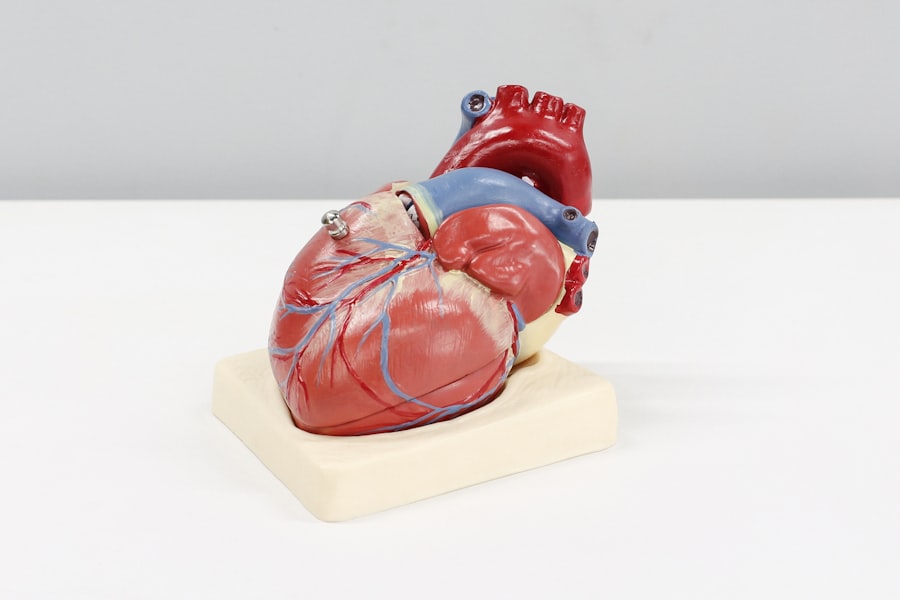
The cardiovascular system, also known as the circulatory system, is a complex network responsible for transporting blood, nutrients, oxygen, carbon dioxide, and hormones throughout the body. This intricate system comprises the heart, blood vessels, and blood itself. The heart, a muscular organ located in the thoracic cavity, functions as a pump that propels blood through two primary circuits: the pulmonary circuit, which carries deoxygenated blood to the lungs for oxygenation, and the systemic circuit, which delivers oxygen-rich blood to the rest of the body.
The heart consists of four chambers: the right atrium and ventricle, which handle deoxygenated blood, and the left atrium and ventricle, which manage oxygenated blood. Blood vessels are categorized into arteries, veins, and capillaries. Arteries transport oxygenated blood away from the heart, while veins return deoxygenated blood back to the heart.
Capillaries serve as the exchange sites for oxygen, carbon dioxide, and nutrients between blood and tissues. The cardiovascular system plays a vital role in maintaining homeostasis, regulating body temperature, and facilitating immune responses.
Key Takeaways
- The cardiovascular system is responsible for circulating blood and oxygen throughout the body, consisting of the heart, blood vessels, and blood.
- Common cardiovascular symptoms include chest pain, shortness of breath, dizziness, irregular heartbeat, fatigue, nausea, and vomiting.
- Chest pain and discomfort can be a sign of a heart attack or angina, and should be taken seriously.
- Shortness of breath can indicate a heart or lung condition, and should be evaluated by a healthcare professional.
- Dizziness, lightheadedness, and fainting can be symptoms of a heart rhythm problem or a drop in blood pressure, and should not be ignored.
Common Cardiovascular Symptoms
Recognizing cardiovascular symptoms is crucial for early diagnosis and intervention. Common manifestations of cardiovascular issues can vary widely among individuals but often include chest pain, shortness of breath, dizziness, irregular heartbeat, fatigue, nausea, and vomiting. These symptoms may arise from various underlying conditions such as coronary artery disease, heart failure, arrhythmias, or valvular heart disease.
Understanding these symptoms can empower individuals to seek timely medical attention. For instance, chest pain may indicate angina or myocardial infarction (heart attack), while shortness of breath could signal heart failure or pulmonary embolism. Dizziness and lightheadedness may suggest arrhythmias or hypotension.
Recognizing these signs can be life-saving and significantly improve outcomes in cardiovascular emergencies.
Chest Pain and Discomfort
Chest pain is one of the most recognized symptoms associated with cardiovascular disorders. It can manifest as a sharp stabbing sensation or a dull ache and may radiate to the arms, neck, jaw, or back. The etiology of chest pain can range from benign musculoskeletal issues to life-threatening conditions such as myocardial infarction or aortic dissection.
In cases of angina pectoris, chest pain typically occurs during physical exertion or emotional stress due to reduced blood flow to the heart muscle. Conversely, myocardial infarction presents with more severe and prolonged chest discomfort that may be accompanied by sweating, nausea, or shortness of breath. It is essential to differentiate between these conditions through clinical evaluation and diagnostic testing such as electrocardiograms (ECGs) and cardiac enzyme assays.
Shortness of Breath
| Age Group | Percentage |
|---|---|
| 18-44 | 12% |
| 45-64 | 24% |
| 65+ | 36% |
Dyspnea, or shortness of breath, is another prevalent symptom that can indicate underlying cardiovascular pathology. This sensation may arise from various causes including heart failure, pulmonary hypertension, or valvular heart disease. In heart failure, the heart’s inability to pump effectively leads to fluid accumulation in the lungs (pulmonary congestion), resulting in difficulty breathing.
Patients may experience dyspnea during exertion or even at rest in advanced stages of heart failure. Additionally, conditions such as chronic obstructive pulmonary disease (COPD) can exacerbate shortness of breath and complicate cardiovascular health. Evaluating dyspnea requires a comprehensive assessment that includes physical examination, imaging studies like chest X-rays or echocardiograms, and pulmonary function tests to determine the underlying cause.
Dizziness and Lightheadedness
Dizziness and lightheadedness are nonspecific symptoms that can arise from various cardiovascular conditions. These sensations may result from orthostatic hypotension—an abrupt drop in blood pressure upon standing—or arrhythmias that disrupt normal cardiac output. Patients may describe feelings of faintness or unsteadiness that can lead to falls or injuries.
In some cases, dizziness may be associated with inadequate cerebral perfusion due to reduced cardiac output or vascular obstruction. A thorough evaluation is necessary to identify potential causes through monitoring blood pressure changes, performing ECGs to detect arrhythmias, and conducting neurological assessments to rule out other etiologies.
Irregular Heartbeat
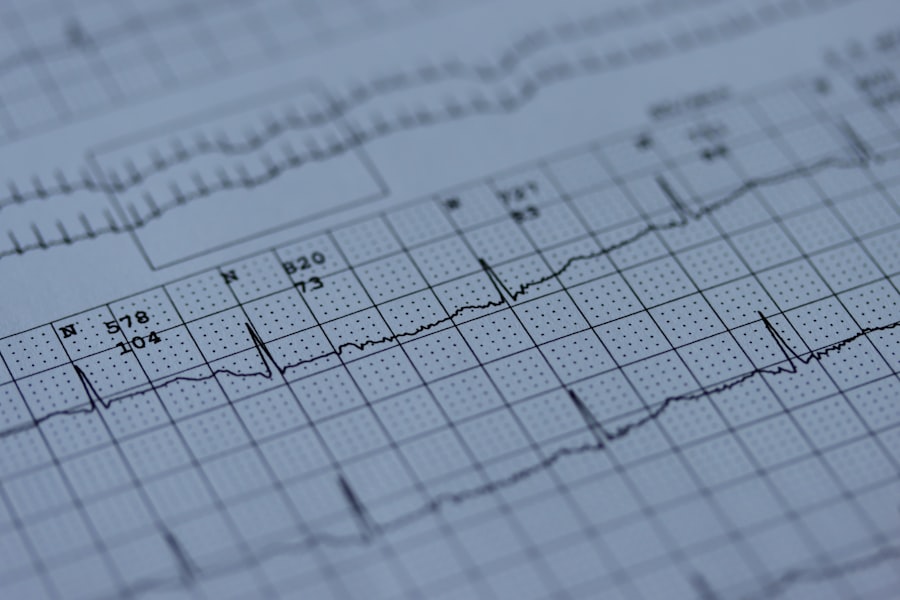
Arrhythmias refer to abnormal heart rhythms that can manifest as palpitations or irregular heartbeat sensations.
Patients may describe their experience as a fluttering sensation in the chest or an awareness of their heartbeat.
The underlying causes of arrhythmias can include electrolyte imbalances, structural heart disease, ischemia, or medication side effects. Diagnostic tools such as Holter monitors or event recorders can help capture these irregularities over time for accurate diagnosis. Treatment options may involve lifestyle modifications, antiarrhythmic medications like beta-blockers or calcium channel blockers, or invasive procedures such as catheter ablation.
Fatigue and Weakness
Chronic fatigue and weakness are often overlooked symptoms that can indicate underlying cardiovascular dysfunction. Patients with heart failure may experience significant fatigue due to reduced cardiac output and inadequate oxygen delivery to tissues. This fatigue can be exacerbated by physical activity or emotional stress.
Additionally, anemia or thyroid dysfunction can contribute to feelings of weakness and fatigue in patients with cardiovascular disease. A comprehensive evaluation should include complete blood counts and thyroid function tests to identify contributing factors. Treatment may involve optimizing heart failure management through medications like ACE inhibitors or diuretics while addressing any underlying conditions.
Nausea and Vomiting
Nausea and vomiting are less commonly recognized symptoms of cardiovascular issues but can occur during acute coronary syndromes or heart failure exacerbations. These gastrointestinal symptoms may arise due to vagal stimulation from myocardial ischemia or increased intra-abdominal pressure from fluid overload. Patients experiencing nausea should be evaluated for potential cardiac causes alongside gastrointestinal assessments.
Management may involve antiemetic medications for symptomatic relief while addressing the underlying cardiovascular condition through appropriate interventions such as revascularization procedures or diuretic therapy.
Recognizing Symptoms in Women
Women often present with atypical symptoms during cardiovascular events compared to men. While chest pain remains a common symptom for both genders, women may experience more subtle signs such as fatigue, shortness of breath, nausea, or back pain during myocardial infarction. This gender disparity in symptom presentation can lead to delays in diagnosis and treatment.
Healthcare providers must remain vigilant in recognizing these atypical presentations in women to ensure timely intervention. Education on risk factors such as hypertension, diabetes, smoking, and family history is essential for both patients and providers to improve awareness and outcomes in women’s cardiovascular health.
When to Seek Medical Attention
Prompt medical attention is critical when experiencing any concerning cardiovascular symptoms. Individuals should seek immediate care if they encounter severe chest pain lasting more than a few minutes; sudden shortness of breath; dizziness accompanied by fainting; irregular heartbeat; or persistent fatigue that interferes with daily activities. Emergency services should be contacted if symptoms suggest a possible myocardial infarction or stroke—such as sudden weakness on one side of the body or difficulty speaking—since early intervention significantly improves prognosis.
Regular check-ups with healthcare providers are also essential for monitoring cardiovascular health and managing risk factors effectively.
Preventive Measures for Cardiovascular Health
Preventing cardiovascular disease involves adopting a multifaceted approach that includes lifestyle modifications and regular health screenings. Key preventive measures include: 1. **Healthy Diet**: Emphasizing fruits, vegetables, whole grains, lean proteins, and healthy fats while minimizing saturated fats, trans fats, sodium, and added sugars.
2.
**Regular Exercise**: Engaging in at least 150 minutes of moderate-intensity aerobic activity per week helps maintain cardiovascular fitness.
3. **Weight Management**: Achieving and maintaining a healthy weight reduces strain on the heart and lowers the risk of hypertension and diabetes.
4. **Smoking Cessation**: Quitting smoking significantly decreases cardiovascular risk factors.
5.
**Regular Health Screenings**: Monitoring blood pressure, cholesterol levels, and glucose levels aids in early detection of risk factors.
6. **Stress Management**: Implementing stress-reduction techniques such as mindfulness meditation or yoga can improve overall well-being. In conclusion, understanding the intricacies of the cardiovascular system is essential for recognizing symptoms indicative of potential disorders.
Early identification of symptoms such as chest pain, shortness of breath, dizziness, irregular heartbeat, fatigue, nausea, and atypical presentations in women can lead to timely medical intervention and improved outcomes. Preventive measures play a crucial role in maintaining cardiovascular health through lifestyle modifications and regular screenings. By prioritizing awareness and proactive management of cardiovascular health risks, individuals can significantly enhance their quality of life while reducing the burden of cardiovascular diseases on society.
Cardiovascular symptoms can be a sign of underlying health issues that should not be ignored. It is important to be aware of the warning signs and seek medical attention if necessary. For more information on how to prioritize your health and well-being, check out this article on how to choose a lawyer for your needs in 2025. Remember, taking care of your health should always be a top priority.
FAQs
What are cardiovascular symptoms?
Cardiovascular symptoms are signs or sensations that indicate a problem with the heart or blood vessels. These symptoms can include chest pain, shortness of breath, palpitations, dizziness, and fatigue.
What are the common cardiovascular symptoms?
Common cardiovascular symptoms include chest pain or discomfort, shortness of breath, palpitations (rapid or irregular heartbeats), dizziness or lightheadedness, fainting, fatigue, and swelling in the legs, ankles, or feet.
When should I seek medical attention for cardiovascular symptoms?
You should seek immediate medical attention if you experience sudden or severe chest pain, shortness of breath, fainting, or symptoms that are unusual for you. It’s important to seek prompt medical care for any concerning cardiovascular symptoms.
What are the potential causes of cardiovascular symptoms?
Cardiovascular symptoms can be caused by a wide range of conditions, including coronary artery disease, heart attack, heart failure, arrhythmias, valvular heart disease, and peripheral artery disease. Other factors such as high blood pressure, diabetes, smoking, and obesity can also contribute to cardiovascular symptoms.
How are cardiovascular symptoms diagnosed?
Diagnosis of cardiovascular symptoms typically involves a thorough medical history, physical examination, and various tests such as electrocardiogram (ECG), echocardiogram, stress test, cardiac catheterization, and blood tests. These tests help to determine the underlying cause of the symptoms.
What are the treatment options for cardiovascular symptoms?
Treatment for cardiovascular symptoms depends on the underlying cause and may include lifestyle changes, medications, procedures such as angioplasty or stent placement, and in some cases, surgery. It’s important to work with a healthcare provider to develop a personalized treatment plan.