Now Reading: Alcohol and Cardiovascular Health: What You Need to Know
-
01
Alcohol and Cardiovascular Health: What You Need to Know
Alcohol and Cardiovascular Health: What You Need to Know

The intricate relationship between alcohol consumption and cardiovascular health has been a subject of extensive research and debate within the medical community. Alcohol, a psychoactive substance, can exert both beneficial and detrimental effects on the cardiovascular system, depending on the quantity and frequency of consumption. Epidemiological studies have indicated that moderate alcohol intake may confer certain protective effects against cardiovascular diseases, while excessive consumption is unequivocally linked to a myriad of health complications, including hypertension, cardiomyopathy, and arrhythmias.
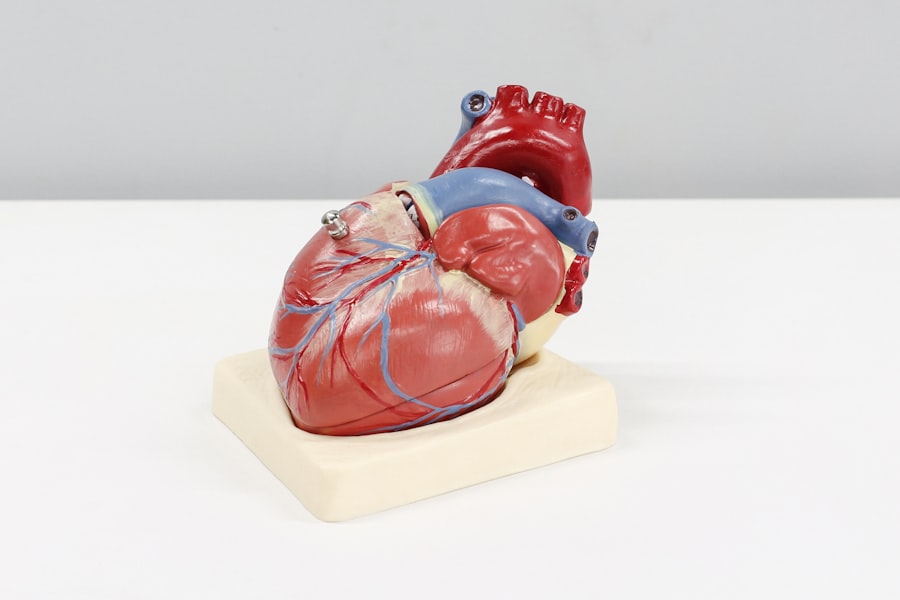
The cardiovascular system, comprising the heart and blood vessels, is sensitive to various lifestyle factors, including diet, exercise, and substance use. Alcohol’s impact on this system is multifaceted; it can influence blood vessel dilation, inflammatory processes, and lipid metabolism.
Therefore, a nuanced approach to alcohol consumption is essential for maintaining optimal cardiovascular health.
Key Takeaways
- Moderate alcohol consumption may have some benefits for cardiovascular health, but excessive drinking can lead to serious health risks.
- Alcohol can affect blood pressure and cholesterol levels, which are important factors in cardiovascular health.
- Heavy drinking is linked to an increased risk of heart disease, including cardiomyopathy, arrhythmias, and high blood pressure.
- Guidelines for safe alcohol consumption include limiting intake to one drink per day for women and two drinks per day for men.
- Individuals with cardiovascular issues should seek professional help to manage their alcohol consumption and its potential impact on their heart health.
The Benefits and Risks of Moderate Alcohol Consumption
Moderate alcohol consumption has been associated with several potential benefits for cardiovascular health. Research suggests that individuals who consume alcohol in moderation—defined as up to one drink per day for women and up to two drinks per day for men—may experience a lower risk of developing coronary artery disease. This protective effect is thought to arise from alcohol’s ability to increase high-density lipoprotein (HDL) cholesterol levels, often referred to as “good” cholesterol, which plays a crucial role in transporting cholesterol away from the arteries.
However, it is imperative to recognize the risks associated with even moderate alcohol consumption. The potential for addiction, liver disease, and certain types of cancer cannot be overlooked. Furthermore, the benefits of moderate drinking may not apply universally; individuals with a history of substance abuse or certain medical conditions may experience adverse effects even at low levels of consumption.
How Alcohol Affects Blood Pressure and Cholesterol Levels

Alcohol’s influence on blood pressure and cholesterol levels is significant and warrants careful consideration. Studies have shown that moderate alcohol consumption can lead to a modest reduction in blood pressure among some individuals. This effect may be attributed to alcohol’s ability to promote vasodilation—the widening of blood vessels—which can enhance blood flow and reduce resistance in the circulatory system.
Conversely, excessive alcohol intake is a well-documented risk factor for hypertension. Chronic heavy drinking can lead to sustained increases in blood pressure, contributing to the development of cardiovascular diseases. Additionally, alcohol can adversely affect lipid profiles by increasing triglyceride levels while simultaneously decreasing HDL cholesterol levels in heavy drinkers.
This dyslipidemia further exacerbates the risk of atherosclerosis and other cardiovascular complications.
The Link Between Alcohol and Heart Disease
| Study | Findings |
|---|---|
| Harvard School of Public Health | Moderate alcohol consumption may reduce the risk of heart disease |
| American Heart Association | Excessive alcohol consumption can lead to high blood pressure and heart failure |
| British Heart Foundation | Heavy drinking can increase the risk of developing heart disease |
The correlation between alcohol consumption and heart disease is complex and multifactorial. While moderate drinking may offer some protective benefits, heavy drinking is unequivocally linked to an increased risk of various forms of heart disease, including ischemic heart disease and heart failure. The mechanisms underlying this relationship include direct toxic effects on cardiac myocytes, increased oxidative stress, and inflammation.
Moreover, binge drinking episodes can precipitate acute cardiac events such as arrhythmias or myocardial infarction. The risk of developing cardiomyopathy—a condition characterized by the deterioration of heart muscle function—is significantly heightened in individuals who engage in chronic heavy drinking. Understanding these risks is vital for individuals with pre-existing cardiovascular conditions or those at high risk for heart disease.
Understanding the Role of Alcohol in Preventing Heart Attacks and Stroke
The role of alcohol in preventing heart attacks and strokes is a topic of considerable interest among researchers. Some studies suggest that moderate alcohol consumption may reduce the risk of ischemic stroke by improving endothelial function and promoting better blood flow. Additionally, the anti-inflammatory properties of certain alcoholic beverages, particularly red wine due to its polyphenol content, have been posited as contributing factors to cardiovascular protection.
However, it is essential to approach these findings with caution. The protective effects observed in some populations may not be universally applicable. For instance, individuals with a history of stroke or transient ischemic attacks should exercise extreme caution regarding alcohol consumption.
Furthermore, the potential for alcohol to increase the risk of hemorrhagic stroke must also be considered when evaluating its overall impact on cerebrovascular health.
Guidelines for Safe and Responsible Alcohol Consumption
To navigate the complexities surrounding alcohol consumption and cardiovascular health, adherence to established guidelines is paramount. The American Heart Association recommends that individuals who choose to drink should do so in moderation—up to one drink per day for women and up to two drinks per day for men. It is crucial to recognize that these guidelines are not an endorsement of alcohol consumption but rather a framework for those who choose to include it in their lifestyle.
Additionally, individuals with specific health conditions or those taking medications that interact negatively with alcohol should consult their healthcare provider before consuming alcoholic beverages. Education about responsible drinking practices—such as pacing oneself, choosing lower-alcohol options, and avoiding drinking on an empty stomach—can further mitigate risks associated with alcohol consumption.
Alcohol and its Effects on Different Types of Cardiovascular Conditions
The effects of alcohol on various cardiovascular conditions can vary significantly based on individual health status and drinking patterns. For instance, individuals with hypertension may experience exacerbated symptoms with even moderate alcohol intake due to its potential to elevate blood pressure levels. Conversely, those with low HDL cholesterol levels might benefit from moderate consumption as it could help improve their lipid profile.
In patients with existing heart disease or heart failure, the implications of alcohol consumption are particularly critical. While some studies suggest that light drinking may not pose significant risks for stable patients, heavy drinking can lead to acute decompensation or worsening heart failure symptoms. Therefore, personalized recommendations based on individual health profiles are essential for managing alcohol intake in patients with cardiovascular conditions.
The Impact of Heavy Drinking on Cardiovascular Health
Heavy drinking poses significant risks to cardiovascular health that cannot be overstated. Chronic excessive alcohol consumption can lead to a range of cardiovascular complications, including alcoholic cardiomyopathy—a condition characterized by the weakening of the heart muscle due to prolonged exposure to high levels of alcohol. This condition can result in heart failure and arrhythmias, necessitating medical intervention.
Moreover, heavy drinking is associated with an increased risk of developing hypertension and other metabolic disorders that contribute to cardiovascular disease progression. The cumulative effects of heavy drinking can lead to structural changes in the heart and blood vessels, increasing susceptibility to ischemic events such as heart attacks or strokes.
Alcohol and its Interaction with Medications for Heart Health
The interaction between alcohol and medications prescribed for cardiovascular health is an area that requires careful consideration. Many common cardiovascular medications—such as anticoagulants (e.g., warfarin), antihypertensives (e.g., beta-blockers), and statins—can have their efficacy altered by alcohol consumption. For instance, alcohol can potentiate the effects of anticoagulants, increasing the risk of bleeding complications.
Additionally, certain medications may cause adverse reactions when combined with alcohol, leading to increased side effects or reduced therapeutic effectiveness. Patients are strongly advised to discuss their alcohol consumption habits with their healthcare provider to ensure safe medication management and avoid potential complications.
Tips for Managing Alcohol Consumption for Those with Cardiovascular Issues
For individuals with cardiovascular concerns seeking to manage their alcohol consumption effectively, several strategies can be employed. First and foremost, setting clear limits on intake can help maintain moderation; keeping a drink diary may assist in tracking consumption patterns over time. Additionally, opting for lower-alcohol beverages or diluting drinks with mixers can reduce overall intake without sacrificing enjoyment.
Engaging in alternative social activities that do not revolve around drinking can also be beneficial; exploring hobbies or interests that promote social interaction without alcohol can foster healthier lifestyle choices. Finally, seeking support from healthcare professionals or support groups can provide valuable resources for managing both cardiovascular health and alcohol consumption.
Seeking Professional Help for Alcohol-Related Cardiovascular Concerns
For individuals struggling with alcohol-related issues impacting their cardiovascular health, seeking professional help is crucial. Healthcare providers can offer comprehensive assessments and tailored treatment plans that address both substance use disorders and cardiovascular conditions simultaneously. Treatment options may include counseling, medication-assisted therapy (e.g., naltrexone or acamprosate), or participation in support groups such as Alcoholics Anonymous.
Furthermore, addressing underlying psychological factors contributing to excessive drinking—such as anxiety or depression—can enhance treatment outcomes and promote long-term recovery. By prioritizing both mental health and physical well-being, individuals can work towards achieving better overall health outcomes. In summary, the relationship between alcohol consumption and cardiovascular health is complex and multifaceted.
While moderate drinking may offer some protective benefits against certain cardiovascular diseases, excessive intake poses significant risks that must be carefully managed. Understanding how alcohol affects blood pressure, cholesterol levels, and overall heart health is essential for making informed decisions about consumption patterns. By adhering to established guidelines for responsible drinking and seeking professional help when necessary, individuals can navigate this intricate landscape while prioritizing their cardiovascular well-being.
According to a recent study, excessive alcohol consumption has been linked to an increased risk of cardiovascular disease. This finding is supported by research published in the Journal of the American College of Cardiology, which highlights the detrimental effects of heavy drinking on heart health. It is crucial for individuals to be aware of the potential risks associated with alcohol consumption and to make informed decisions about their drinking habits to protect their cardiovascular health.
FAQs
What is the relationship between alcohol and cardiovascular disease?
Alcohol consumption has been associated with both positive and negative effects on cardiovascular health. Moderate alcohol consumption has been linked to a reduced risk of cardiovascular disease, while heavy drinking can increase the risk.
How does moderate alcohol consumption affect cardiovascular health?
Moderate alcohol consumption, defined as up to one drink per day for women and up to two drinks per day for men, has been associated with a lower risk of heart disease. It may increase levels of “good” HDL cholesterol, reduce blood clot formation, and have anti-inflammatory effects.
What are the risks of heavy alcohol consumption on cardiovascular health?
Heavy alcohol consumption, defined as more than three drinks per day for women and more than four drinks per day for men, can lead to high blood pressure, cardiomyopathy, stroke, and other cardiovascular problems. It can also contribute to obesity and increase the risk of developing diabetes, both of which are risk factors for heart disease.
What are the recommendations for alcohol consumption and cardiovascular health?
For those who choose to drink alcohol, it is recommended to do so in moderation. This means up to one drink per day for women and up to two drinks per day for men. It is important to consider individual health factors and consult with a healthcare provider before making any changes to alcohol consumption.