Now Reading: The Vital Role of the Cardiovascular System in Heart Health
-
01
The Vital Role of the Cardiovascular System in Heart Health
The Vital Role of the Cardiovascular System in Heart Health
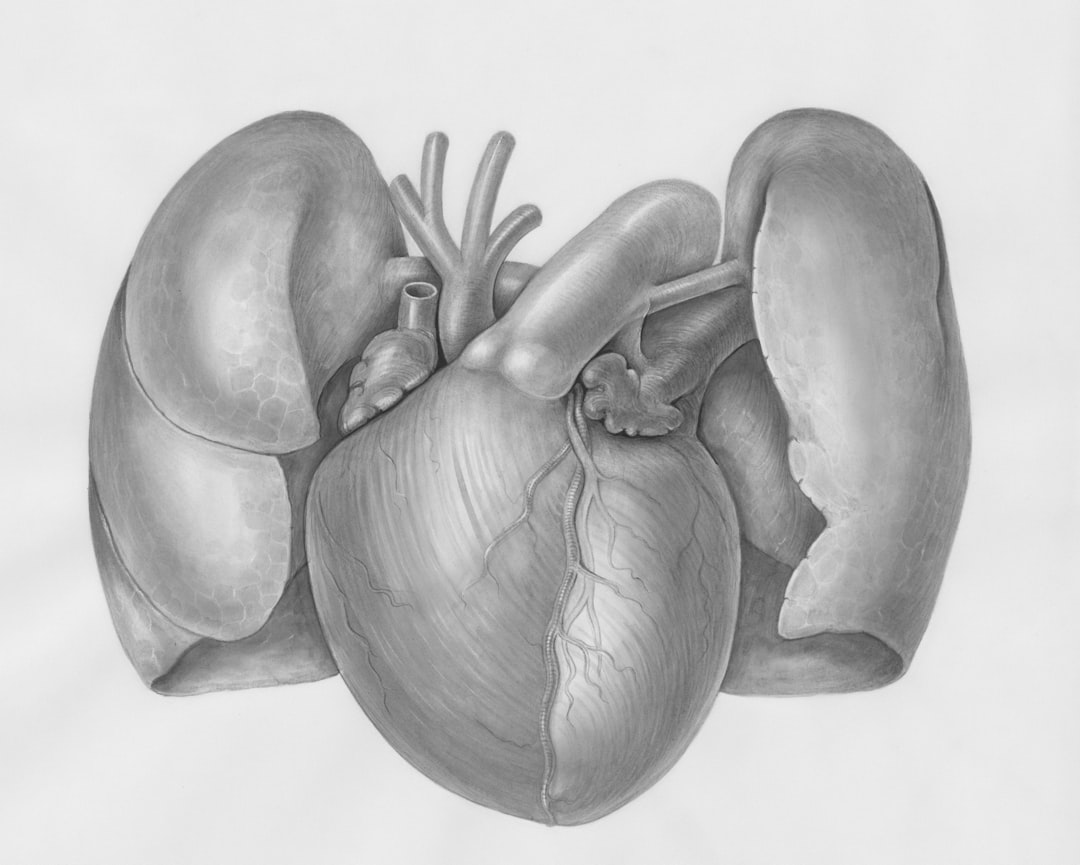
The cardiovascular system, often referred to as the circulatory system, is a complex network that plays a pivotal role in maintaining homeostasis within the human body. It comprises the heart, blood vessels, and blood, working in concert to transport essential nutrients, oxygen, hormones, and waste products throughout the body. This intricate system is vital for sustaining life, as it ensures that every cell receives the necessary components for optimal function while simultaneously removing metabolic waste.
For instance, it helps maintain body temperature, pH balance, and fluid balance. Understanding the intricacies of this system is crucial for recognizing how various factors can influence cardiovascular health and overall well-being.
Key Takeaways
- The cardiovascular system is responsible for circulating blood and delivering oxygen and nutrients to the body.
- The heart is a vital organ in the cardiovascular system, pumping blood through the blood vessels to all parts of the body.
- Blood vessels play a crucial role in circulation, carrying oxygen-rich blood to the body’s tissues and organs.
- Regular exercise and physical activity can have a positive impact on cardiovascular health, improving heart function and circulation.
- Maintaining a healthy diet, managing stress, and adopting a healthy lifestyle are important for promoting cardiovascular health and preventing cardiovascular diseases.
Understanding the Anatomy and Function of the Heart
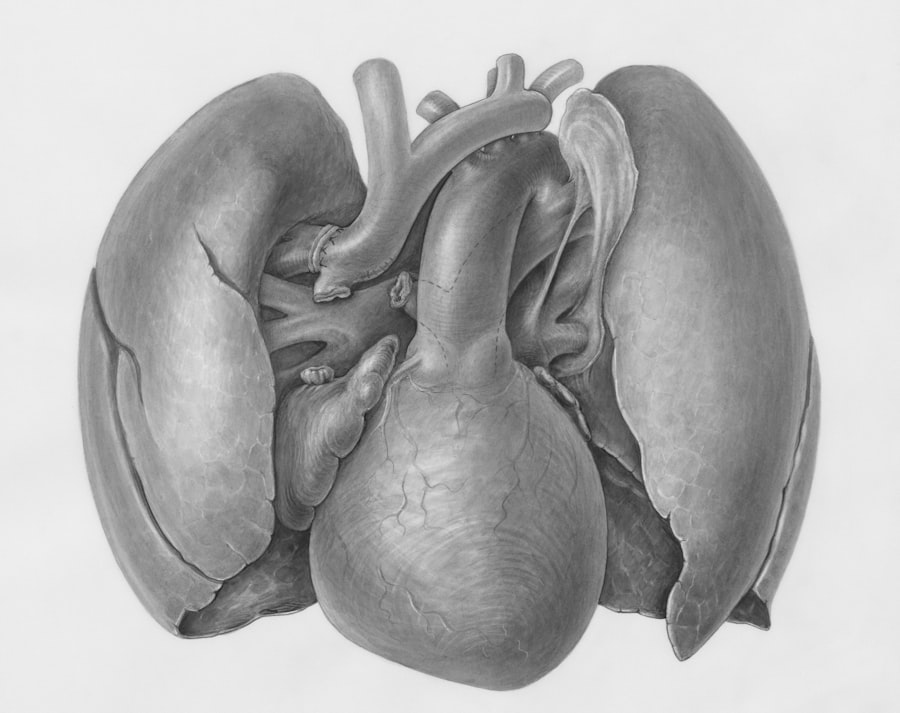
The heart is a muscular organ located in the thoracic cavity, slightly left of the midline. It consists of four chambers: the right atrium, right ventricle, left atrium, and left ventricle. The right atrium receives deoxygenated blood from the body through the superior and inferior vena cavae, while the right ventricle pumps this blood to the lungs via the pulmonary arteries for oxygenation.
The heart’s functionality is enhanced by its electrical conduction system, which includes the sinoatrial (SA) node, atrioventricular (AV) node, and bundle branches. The SA node serves as the natural pacemaker, initiating electrical impulses that trigger heartbeats.
This coordinated contraction ensures efficient blood flow and optimal perfusion of tissues. Understanding these anatomical features is essential for diagnosing and treating various cardiovascular conditions.
The Importance of Blood Vessels in Circulation
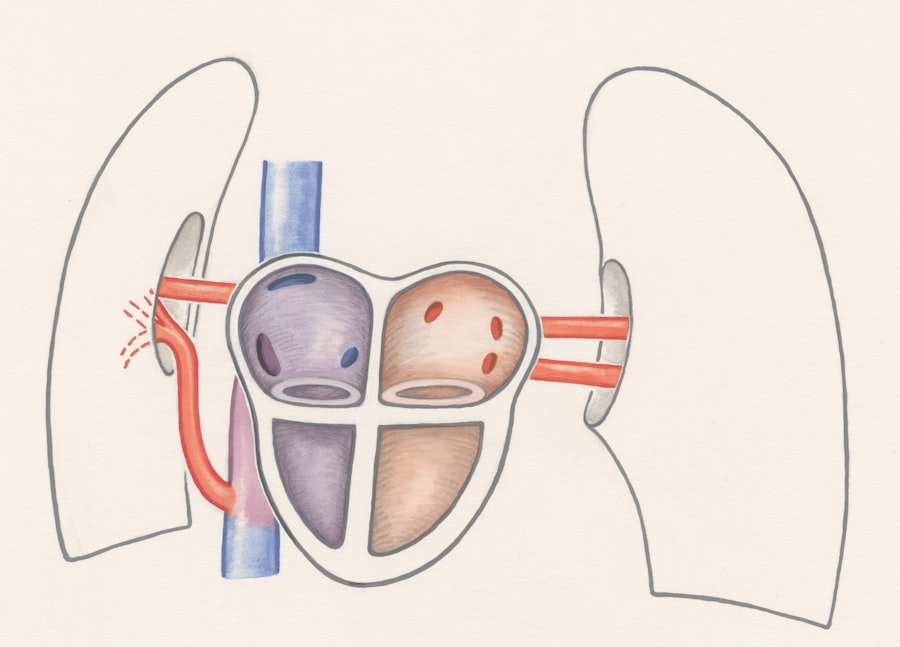
Blood vessels are integral components of the cardiovascular system, categorized into three main types: arteries, veins, and capillaries. Arteries transport oxygenated blood away from the heart under high pressure, while veins carry deoxygenated blood back to the heart at lower pressure. Capillaries, the smallest blood vessels, facilitate nutrient and gas exchange between blood and tissues.
The structure of blood vessels is tailored to their specific functions. Arteries possess thick, elastic walls that can withstand high pressure, while veins have thinner walls and valves that prevent backflow. Capillaries are composed of a single layer of endothelial cells, allowing for efficient diffusion of oxygen, carbon dioxide, and other substances.
Understanding these differences is crucial for comprehending how vascular health impacts overall cardiovascular function.
The Role of the Cardiovascular System in Delivering Oxygen and Nutrients to the Body
| Cardiovascular System Component | Function |
|---|---|
| Heart | Pumps oxygenated blood to the body and deoxygenated blood to the lungs |
| Blood Vessels | Transport blood throughout the body, delivering oxygen and nutrients to tissues |
| Blood | Carries oxygen, nutrients, and hormones to cells and removes waste products |
| Capillaries | Allow for exchange of oxygen, nutrients, and waste products between blood and tissues |
The primary function of the cardiovascular system is to deliver oxygen and nutrients to tissues while removing carbon dioxide and metabolic waste products. This process begins with the inhalation of oxygen into the lungs, where it diffuses into the bloodstream via alveoli. Hemoglobin in red blood cells binds to oxygen, facilitating its transport to various tissues.
Nutrient delivery occurs through a similar mechanism. After digestion, nutrients are absorbed into the bloodstream from the gastrointestinal tract and transported to cells throughout the body. The efficiency of this delivery system is paramount; any disruption can lead to tissue hypoxia or nutrient deficiencies, resulting in significant health consequences.
How the Cardiovascular System Regulates Blood Pressure
Blood pressure regulation is a critical function of the cardiovascular system, ensuring adequate perfusion of organs and tissues. Blood pressure is influenced by cardiac output (the volume of blood pumped by the heart per minute) and systemic vascular resistance (the resistance encountered by blood flow in the vessels). The autonomic nervous system plays a significant role in this regulation through mechanisms such as vasodilation and vasoconstriction.
Hormonal factors also contribute to blood pressure regulation. For instance, renin-angiotensin-aldosterone system (RAAS) activation leads to increased sodium retention and vasoconstriction, elevating blood pressure. Conversely, natriuretic peptides promote vasodilation and diuresis, lowering blood pressure.
Understanding these regulatory mechanisms is essential for managing conditions such as hypertension.
The Impact of Exercise and Physical Activity on Cardiovascular Health
Regular physical activity has profound effects on cardiovascular health. Exercise enhances cardiac output by increasing heart rate and stroke volume while improving vascular function through increased nitric oxide production. This leads to improved endothelial function and reduced arterial stiffness.
Moreover, physical activity aids in weight management, lowers cholesterol levels, and reduces blood pressure—all critical factors in preventing cardiovascular diseases. Engaging in at least 150 minutes of moderate-intensity aerobic exercise per week can significantly reduce the risk of developing heart disease and improve overall cardiovascular fitness.
Common Cardiovascular Diseases and Their Effects on Heart Health
Cardiovascular diseases (CVDs) encompass a range of disorders affecting the heart and blood vessels. Common conditions include coronary artery disease (CAD), heart failure, arrhythmias, and valvular heart disease. CAD occurs when plaque builds up in coronary arteries, leading to reduced blood flow to the heart muscle and potentially resulting in angina or myocardial infarction.
Heart failure is characterized by the heart’s inability to pump sufficient blood to meet the body’s needs, leading to symptoms such as fatigue, shortness of breath, and fluid retention. Arrhythmias involve irregular heartbeats that can disrupt normal cardiac function. Valvular heart disease affects one or more of the heart’s valves, impairing blood flow and potentially leading to heart failure if left untreated.
The Link Between Diet and Cardiovascular Health
Diet plays a crucial role in maintaining cardiovascular health. A diet rich in fruits, vegetables, whole grains, lean proteins, and healthy fats can significantly reduce the risk of CVDs. Nutrients such as omega-3 fatty acids found in fish have anti-inflammatory properties that promote heart health.
Conversely, diets high in saturated fats, trans fats, sodium, and added sugars can contribute to obesity, hypertension, dyslipidemia, and ultimately increase cardiovascular risk. Adopting dietary patterns such as the Mediterranean diet or DASH (Dietary Approaches to Stop Hypertension) can provide protective benefits against heart disease.
Lifestyle Factors That Can Affect the Cardiovascular System
Several lifestyle factors significantly influence cardiovascular health. Smoking is one of the most detrimental habits; it damages blood vessels, increases plaque formation, and raises blood pressure. Quitting smoking can lead to substantial improvements in cardiovascular health over time.
Excessive alcohol consumption can also adversely affect heart health by contributing to hypertension and cardiomyopathy. Maintaining a healthy weight through balanced nutrition and regular exercise is essential for reducing cardiovascular risk factors such as obesity and metabolic syndrome.
The Role of Stress and Mental Health in Cardiovascular Health
Chronic stress has been linked to various cardiovascular issues due to its impact on hormonal regulation and inflammatory processes. Stress activates the sympathetic nervous system, leading to increased heart rate and blood pressure. Over time, this can contribute to arterial damage and heightened risk for CVDs.
Mental health conditions such as depression and anxiety are also associated with poorer cardiovascular outcomes. Individuals with these conditions may engage in unhealthy behaviors like smoking or physical inactivity that further exacerbate their risk for heart disease. Addressing mental health through therapy or medication can be an essential component of comprehensive cardiovascular care.
Tips for Maintaining a Healthy Cardiovascular System
To promote optimal cardiovascular health, individuals should adopt a multifaceted approach that includes: 1. **Regular Exercise**: Aim for at least 150 minutes of moderate-intensity aerobic activity weekly.
2. **Balanced Diet**: Emphasize whole foods rich in nutrients while minimizing processed foods high in unhealthy fats and sugars.
3.
**Weight Management**: Maintain a healthy weight through diet and exercise.
4. **Avoid Tobacco**: Quit smoking and avoid exposure to secondhand smoke.
5. **Limit Alcohol**: Consume alcohol in moderation.
6.
**Manage Stress**: Incorporate stress-reduction techniques such as mindfulness or yoga.
7. **Regular Check-ups**: Monitor blood pressure, cholesterol levels, and other cardiovascular risk factors with healthcare providers.
8. **Stay Hydrated**: Drink adequate water daily to support overall health.
In conclusion, understanding the complexities of the cardiovascular system is essential for recognizing its vital role in overall health. By adopting healthy lifestyle choices and being aware of risk factors associated with cardiovascular diseases, individuals can significantly enhance their heart health and reduce their risk for serious conditions. Regular monitoring and proactive management are key components in maintaining a robust cardiovascular system throughout life.
If you’re interested in learning more about the cardiovascular system and heart health, you may want to check out this article on navigating the complexities of pet insurance. While the topic may seem unrelated at first glance, taking care of our furry friends also involves understanding and maintaining their cardiovascular health. Just like humans, pets can also suffer from heart-related issues, making it important to be informed about how to best protect their well-being.
FAQs
What is the cardiovascular system?
The cardiovascular system, also known as the circulatory system, is a network of organs and vessels that is responsible for the transportation of blood, nutrients, oxygen, and hormones throughout the body.
What is the heart?
The heart is a muscular organ located in the chest that acts as the pump for the cardiovascular system. It is responsible for pumping blood throughout the body, delivering oxygen and nutrients to the tissues and removing waste products.
What are the main components of the cardiovascular system?
The main components of the cardiovascular system include the heart, blood vessels (arteries, veins, and capillaries), and blood.
What is the function of the cardiovascular system?
The cardiovascular system is responsible for delivering oxygen and nutrients to the body’s tissues, removing waste products, regulating body temperature, and maintaining the body’s overall homeostasis.
How does the cardiovascular system work?
The heart pumps oxygen-rich blood to the body’s tissues through the arteries, and then the deoxygenated blood returns to the heart through the veins. The blood exchanges oxygen and nutrients with the tissues through the capillaries.
What are some common cardiovascular diseases?
Common cardiovascular diseases include coronary artery disease, heart failure, stroke, high blood pressure, and arrhythmias. These conditions can be caused by a variety of factors including genetics, lifestyle, and environmental factors.