Now Reading: ASCVDMDCalc: Assessing Cardiovascular Risk with Precision
-
01
ASCVDMDCalc: Assessing Cardiovascular Risk with Precision
ASCVDMDCalc: Assessing Cardiovascular Risk with Precision
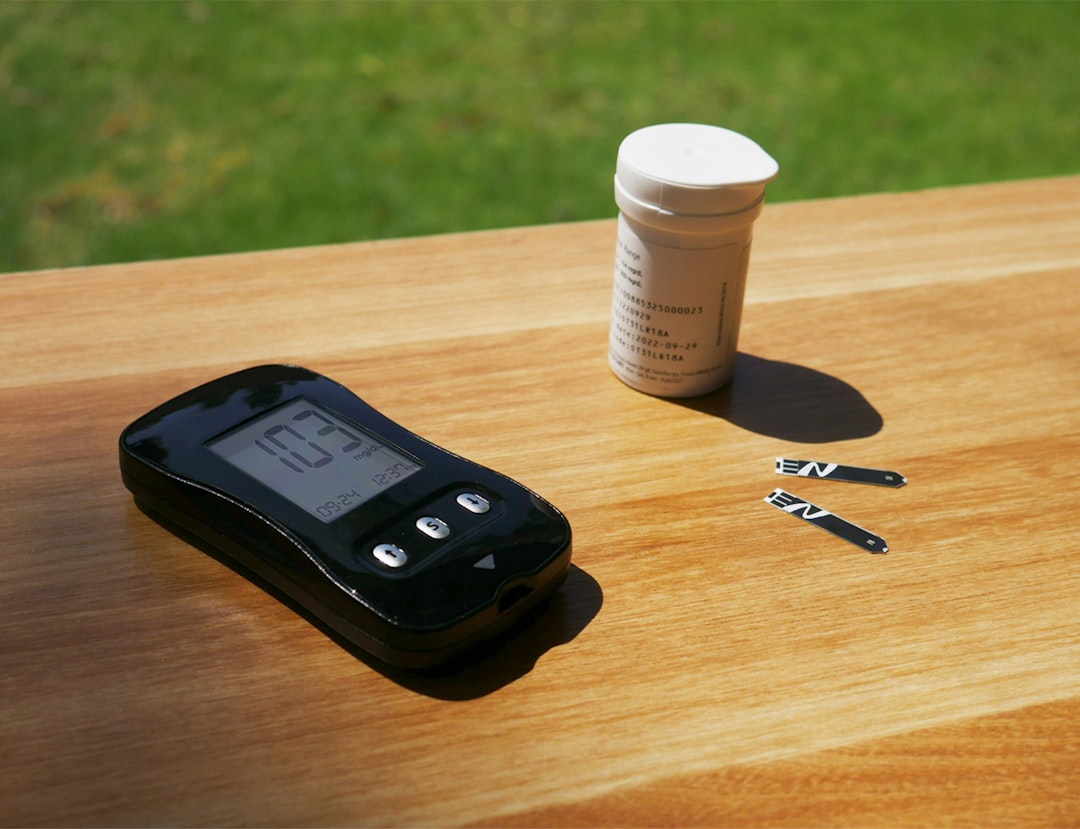
Cardiovascular risk assessment is a critical component of preventive cardiology, aimed at identifying individuals at heightened risk for cardiovascular diseases (CVD). This process involves evaluating various risk factors, including age, gender, family history, smoking status, blood pressure, cholesterol levels, and diabetes. The primary goal is to stratify patients into different risk categories, allowing healthcare providers to tailor interventions effectively.
The Framingham Risk Score and the Reynolds Risk Score are traditional models that have been widely utilized; however, they often fail to capture the complexity of individual patient profiles. The significance of accurate cardiovascular risk assessment cannot be overstated. It serves as a foundation for implementing preventive measures, such as lifestyle modifications and pharmacotherapy.
For instance, patients identified as high-risk may benefit from statin therapy or more aggressive management of hypertension and diabetes.
As the prevalence of CVD continues to rise globally, enhancing the precision of risk assessment tools is paramount for improving patient outcomes and reducing healthcare costs.
Key Takeaways
- Cardiovascular risk assessment is crucial for identifying individuals at risk of heart disease and stroke.
- ASCVDMDCalc is a new precision risk assessment tool that offers more accurate predictions of cardiovascular risk.
- The science behind ASCVDMDCalc involves advanced algorithms and data analysis to calculate risk scores.
- ASCVDMDCalc differs from traditional risk assessment tools by incorporating a wider range of risk factors and using more sophisticated calculations.
- Using ASCVDMDCalc can provide benefits such as more personalized risk assessment and better informed treatment decisions.
Introducing ASCVDMDCalc: A New Tool for Precision Risk Assessment
ASCVDMDCalc is an innovative tool designed to refine cardiovascular risk assessment by integrating advanced algorithms and comprehensive data analysis. This tool is specifically tailored to predict the 10-year risk of atherosclerotic cardiovascular disease (ASCVD), which encompasses conditions such as myocardial infarction and stroke. By utilizing a broader array of clinical parameters, ASCVDMDCalc aims to provide a more nuanced understanding of an individual’s cardiovascular health.
The development of ASCVDMDCalc represents a significant advancement in the field of cardiology. Unlike traditional models that rely on limited variables, this tool incorporates additional factors such as socioeconomic status, lifestyle choices, and emerging biomarkers. This multifaceted approach allows for a more personalized assessment, ultimately leading to better-targeted interventions and improved patient outcomes.
The Science Behind ASCVDMDCalc

The underlying science of ASCVDMDCalc is rooted in extensive epidemiological research and clinical trials that have identified key predictors of cardiovascular events. The tool employs sophisticated statistical modeling techniques to analyze data from diverse populations, ensuring that its predictions are applicable across various demographics. By leveraging machine learning algorithms, ASCVDMDCalc can continuously update its predictive capabilities as new data becomes available.
One of the critical components of ASCVDMDCalc is its ability to incorporate non-traditional risk factors. For example, it considers inflammatory markers such as C-reactive protein (CRP) and lipoprotein(a), which have been shown to contribute to cardiovascular risk but are often overlooked in conventional assessments. By integrating these variables, ASCVDMDCalc enhances the accuracy of risk predictions and provides clinicians with a more comprehensive view of their patients’ cardiovascular health.
How ASCVDMDCalc Differs from Traditional Risk Assessment Tools
| ASCVDMDCalc | Traditional Risk Assessment Tools |
|---|---|
| Considers additional risk factors such as family history of cardiovascular disease and chronic kidney disease | May not include these additional risk factors in their calculations |
| Utilizes a more personalized approach to risk assessment | May use a more generalized approach |
| Provides a more comprehensive risk assessment for cardiovascular disease | May provide a more limited assessment |
ASCVDMDCalc distinguishes itself from traditional risk assessment tools through its comprehensive approach to data integration and analysis. While conventional models primarily focus on established risk factors such as age, cholesterol levels, and blood pressure, ASCVDMDCalc expands the scope by including additional variables that may influence cardiovascular risk. This holistic perspective allows for a more individualized assessment that can better reflect the complexities of each patient’s health status.
Moreover, ASCVDMDCalc utilizes advanced algorithms that adapt to new research findings and clinical guidelines. Traditional tools often remain static, relying on fixed parameters that may not account for evolving medical knowledge. In contrast, ASCVDMDCalc’s dynamic nature ensures that healthcare providers have access to the most current information when making clinical decisions.
This adaptability is crucial in a rapidly changing healthcare landscape where personalized medicine is becoming increasingly important.
The Benefits of Using ASCVDMDCalc for Cardiovascular Risk Assessment
The implementation of ASCVDMDCalc offers numerous benefits for both clinicians and patients. One of the most significant advantages is its ability to enhance the precision of risk stratification. By providing a more accurate assessment of an individual’s cardiovascular risk, healthcare providers can tailor interventions more effectively.
This targeted approach not only improves patient outcomes but also optimizes resource allocation within healthcare systems. Additionally, ASCVDMDCalc promotes shared decision-making between clinicians and patients. With clearer insights into their cardiovascular risk profiles, patients can engage in meaningful discussions about lifestyle modifications and treatment options.
This collaborative approach fosters a sense of ownership over one’s health and encourages adherence to recommended interventions. Furthermore, by identifying high-risk individuals earlier, ASCVDMDCalc can facilitate timely interventions that may prevent the onset of serious cardiovascular events.
How to Use ASCVDMDCalc in Clinical Practice

Incorporating ASCVDMDCalc into clinical practice involves several straightforward steps. First, healthcare providers must gather relevant patient data, including demographic information, medical history, and laboratory results. Once this information is compiled, clinicians can input it into the ASCVDMDCalc platform to generate a personalized risk assessment.
After obtaining the risk score, clinicians should interpret the results in the context of the patient’s overall health status and preferences. It is essential to discuss the implications of the risk score with patients, emphasizing the importance of lifestyle modifications and potential pharmacotherapy options. For instance, if a patient is identified as high-risk, discussions about initiating statin therapy or intensifying blood pressure management may be warranted.
Validating ASCVDMDCalc: Evidence of Accuracy and Reliability
The validation of ASCVDMDCalc is crucial for establishing its credibility as a reliable tool for cardiovascular risk assessment. Extensive studies have been conducted to evaluate its accuracy in predicting ASCVD events across diverse populations. These studies have demonstrated that ASCVDMDCalc outperforms traditional risk assessment tools in terms of predictive accuracy and clinical utility.
Moreover, ongoing research continues to refine the algorithms used in ASCVDMDCalc, ensuring that it remains aligned with the latest scientific evidence. By regularly updating its predictive capabilities based on new findings, ASCVDMDCalc maintains its relevance in clinical practice and reinforces its position as a valuable resource for healthcare providers.
Integrating ASCVDMDCalc into Cardiovascular Disease Prevention Strategies
The integration of ASCVDMDCalc into cardiovascular disease prevention strategies represents a paradigm shift in how healthcare providers approach patient care.
This proactive approach not only reduces the incidence of cardiovascular events but also enhances overall population health.
Furthermore, ASCVDMDCalc can be incorporated into broader public health initiatives aimed at reducing cardiovascular disease prevalence. By identifying at-risk populations within communities, targeted interventions such as educational programs on lifestyle modifications can be developed. This collaborative effort between healthcare providers and public health organizations can lead to significant improvements in cardiovascular health outcomes on a larger scale.
Addressing Limitations and Considerations When Using ASCVDMDCalc
While ASCVDMDCalc offers numerous advantages, it is essential to acknowledge its limitations and considerations when implementing it in clinical practice. One potential concern is the reliance on self-reported data for certain variables, such as smoking status or physical activity levels. Inaccuracies in self-reporting may lead to misclassification of risk categories.
Additionally, while ASCVDMDCalc incorporates a wide range of factors, it may not account for all potential influences on cardiovascular risk. Factors such as genetic predisposition or environmental exposures may still play significant roles in an individual’s health status but may not be fully captured by the tool. Therefore, clinicians should use ASCVDMDCalc as one component of a comprehensive assessment rather than a standalone solution.
Future Developments and Potential Applications of ASCVDMDCalc
The future of ASCVDMDCalc holds exciting possibilities for further enhancing cardiovascular risk assessment and prevention strategies. Ongoing research aims to refine its algorithms by incorporating emerging biomarkers and genetic information that could provide even greater predictive power. Additionally, advancements in artificial intelligence may enable real-time updates based on new clinical guidelines or research findings.
Potential applications extend beyond individual patient assessments; ASCVDMDCalc could be utilized in population health studies to identify trends in cardiovascular risk across different demographics. This information could inform public health policies aimed at reducing CVD prevalence and improving overall community health outcomes.
The Role of ASCVDMDCalc in Advancing Cardiovascular Risk Assessment
In conclusion, ASCVDMDCalc represents a significant advancement in cardiovascular risk assessment by providing a more precise and individualized approach to evaluating patients’ cardiovascular health. Its integration into clinical practice has the potential to enhance preventive strategies and improve patient outcomes significantly. As healthcare continues to evolve towards personalized medicine, tools like ASCVDMDCalc will play an essential role in shaping the future of cardiology.
By addressing limitations and continuously refining its predictive capabilities, ASCVDMDCalc stands poised to become an indispensable resource for healthcare providers seeking to optimize cardiovascular disease prevention efforts. Ultimately, this innovative tool embodies the promise of advancing cardiovascular care through precision medicine and evidence-based practice.
If you are interested in learning more about women’s health and history, you may want to check out this article on top Christmas gifts for women. It offers thoughtful and stylish present ideas that can help celebrate the women in your life. Additionally, if you are looking for a festive getaway during the holiday season, you may enjoy reading about the magic of Christmas at the Inn at Christmas Place. This article highlights a charming destination where you can experience the joy and wonder of the holiday season.
FAQs
What is ASCVD?
ASCVD stands for atherosclerotic cardiovascular disease, which refers to the buildup of plaque in the arteries, leading to conditions such as heart attack, stroke, and peripheral artery disease.
What is MD Calc?
MD Calc is a medical calculator tool used by healthcare professionals to assist in clinical decision-making, risk assessment, and treatment planning.
How is ASCVD risk calculated using MD Calc?
ASCVD risk can be calculated using MD Calc by inputting various patient parameters such as age, gender, cholesterol levels, blood pressure, and smoking status. The tool then provides an estimated 10-year risk of developing ASCVD.
Why is it important to calculate ASCVD risk?
Calculating ASCVD risk is important for identifying individuals who may benefit from lifestyle modifications or medical interventions to reduce their risk of developing cardiovascular disease.
Is MD Calc a reliable tool for calculating ASCVD risk?
MD Calc is a widely used and trusted medical calculator tool that is based on established clinical guidelines and research. However, it is important for healthcare professionals to interpret the results in the context of each patient’s individual health status and risk factors.