Now Reading: Understanding Circulatory Diseases: Causes and Prevention
-
01
Understanding Circulatory Diseases: Causes and Prevention
Understanding Circulatory Diseases: Causes and Prevention
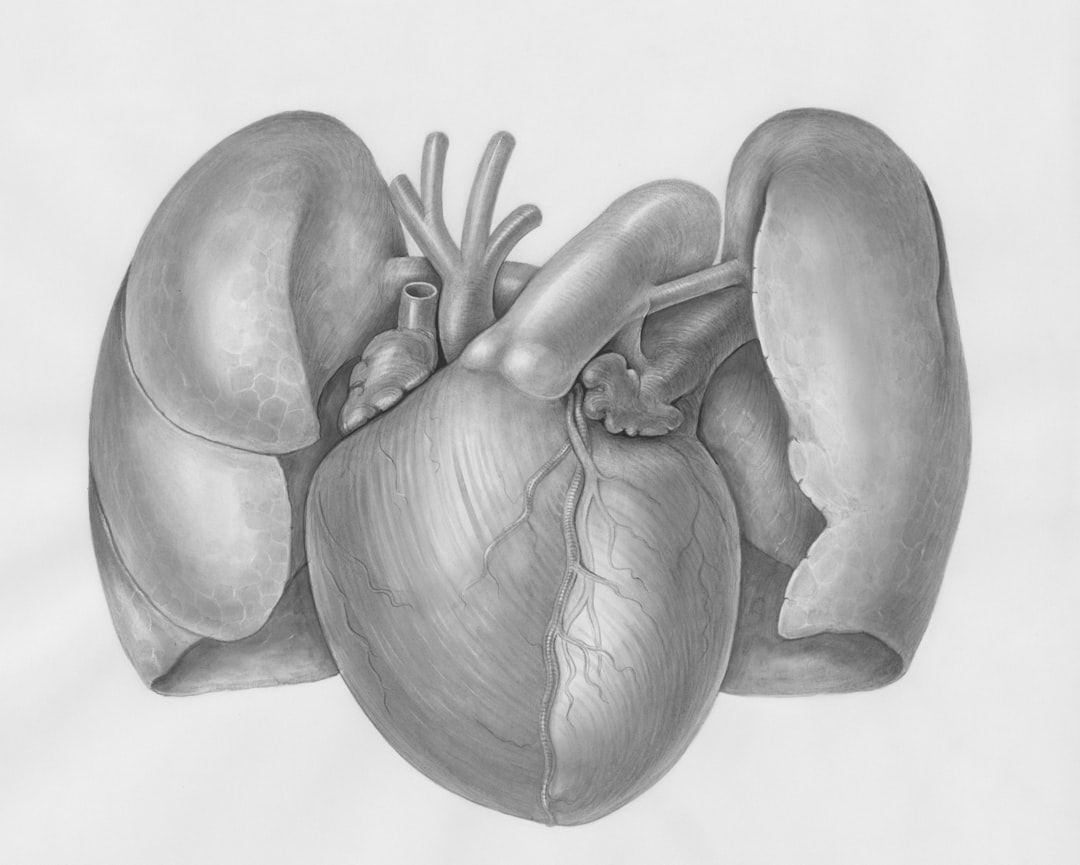
Circulatory diseases encompass a broad spectrum of disorders affecting the heart and blood vessels, collectively known as the cardiovascular system. These conditions include coronary artery disease, hypertension, heart failure, and stroke, among others. According to the World Health Organization (WHO), cardiovascular diseases are the leading cause of death globally, accounting for approximately 31% of all fatalities.
The intricate network of arteries, veins, and capillaries plays a crucial role in delivering oxygen and nutrients to tissues while removing waste products. When this system is compromised, it can lead to severe health complications, necessitating a comprehensive understanding of the underlying causes and preventive measures. The significance of circulatory health cannot be overstated, as it directly influences overall well-being.
The heart, often referred to as the body’s engine, pumps blood throughout the body, ensuring that every organ receives the necessary sustenance to function optimally. Disruptions in this system can lead to debilitating conditions that not only affect physical health but also have profound psychological and social implications.
Key Takeaways
- Circulatory diseases are a leading cause of death globally, affecting the heart, blood vessels, and circulation system.
- Common causes of circulatory diseases include high blood pressure, high cholesterol, diabetes, and obesity.
- Genetic factors can play a significant role in the development of circulatory diseases, with a family history of heart disease increasing the risk.
- Lifestyle choices such as regular exercise, a balanced diet, and stress management can greatly impact circulatory health.
- Regular check-ups and monitoring are crucial for early detection and prevention of circulatory diseases, empowering individuals to take control of their health.
Common Causes of Circulatory Diseases
Several factors contribute to the development of circulatory diseases, with a combination of lifestyle choices, environmental influences, and genetic predispositions playing pivotal roles. One of the most prevalent causes is atherosclerosis, a condition characterized by the buildup of plaque within arterial walls. This accumulation narrows the arteries, restricting blood flow and increasing the risk of heart attacks and strokes.
High levels of low-density lipoprotein (LDL) cholesterol, hypertension, and diabetes are significant contributors to this process. Additionally, inflammation has emerged as a critical factor in the pathogenesis of circulatory diseases. Chronic inflammatory states can damage blood vessels and promote plaque formation.
Conditions such as rheumatoid arthritis and lupus have been linked to increased cardiovascular risk due to their inflammatory nature. Furthermore, environmental factors such as air pollution and exposure to toxins can exacerbate these conditions, highlighting the multifaceted nature of circulatory diseases.
Genetic Factors in Circulatory Diseases
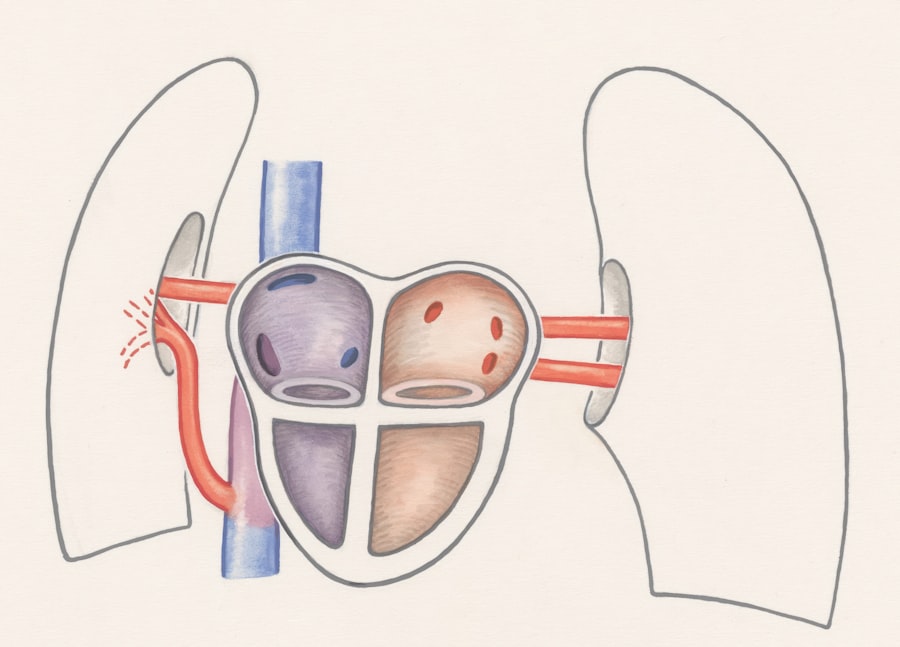
Genetic predisposition plays a crucial role in an individual’s susceptibility to circulatory diseases. Family history is a significant risk factor; individuals with relatives who have experienced heart disease or stroke are more likely to develop similar conditions. Specific genetic mutations can influence lipid metabolism, blood pressure regulation, and inflammatory responses, thereby increasing cardiovascular risk.
Recent advancements in genomics have identified several genes associated with cardiovascular health. For instance, mutations in the LDL receptor gene can lead to familial hypercholesterolemia, a condition characterized by extremely high cholesterol levels and early onset heart disease. Understanding these genetic factors allows for targeted screening and early intervention strategies that can significantly reduce the incidence of circulatory diseases in at-risk populations.
Lifestyle Choices and Circulatory Health
| Category | Metric | Data |
|---|---|---|
| Lifestyle Choices | Physical Activity | 150 minutes of moderate exercise per week |
| Lifestyle Choices | Diet | 5 servings of fruits and vegetables per day |
| Circulatory Health | Blood Pressure | Normal range: 120/80 mmHg |
| Circulatory Health | Cholesterol Level | Ideal: Total cholesterol below 200 mg/dL |
Lifestyle choices are paramount in determining cardiovascular health. Sedentary behavior, poor dietary habits, and inadequate stress management can significantly increase the risk of developing circulatory diseases. A sedentary lifestyle contributes to obesity, hypertension, and dyslipidemia—key risk factors for cardiovascular disorders.
Conversely, engaging in regular physical activity has been shown to improve heart health by enhancing circulation, reducing blood pressure, and improving lipid profiles. Moreover, dietary choices play a critical role in maintaining circulatory health. Diets high in saturated fats, trans fats, and refined sugars can lead to obesity and elevated cholesterol levels.
In contrast, adopting a heart-healthy diet rich in fruits, vegetables, whole grains, lean proteins, and healthy fats can mitigate these risks. The Mediterranean diet, for example, has been associated with lower rates of cardiovascular disease due to its emphasis on nutrient-dense foods.
The Role of Diet and Nutrition in Preventing Circulatory Diseases
Nutrition is a cornerstone of cardiovascular health. A balanced diet can help regulate blood pressure, maintain healthy cholesterol levels, and support overall heart function. Key nutrients such as omega-3 fatty acids found in fatty fish have been shown to reduce inflammation and lower triglyceride levels.
Antioxidant-rich foods like berries and leafy greens combat oxidative stress, which is implicated in the development of atherosclerosis. Furthermore, dietary fiber plays a vital role in cardiovascular health by aiding in cholesterol management and promoting healthy digestion. Soluble fiber found in oats, beans, and fruits can help lower LDL cholesterol levels.
The DASH (Dietary Approaches to Stop Hypertension) diet emphasizes whole foods that are low in sodium and rich in potassium, calcium, and magnesium—nutrients essential for maintaining optimal blood pressure levels.
Exercise and Physical Activity for Circulatory Health
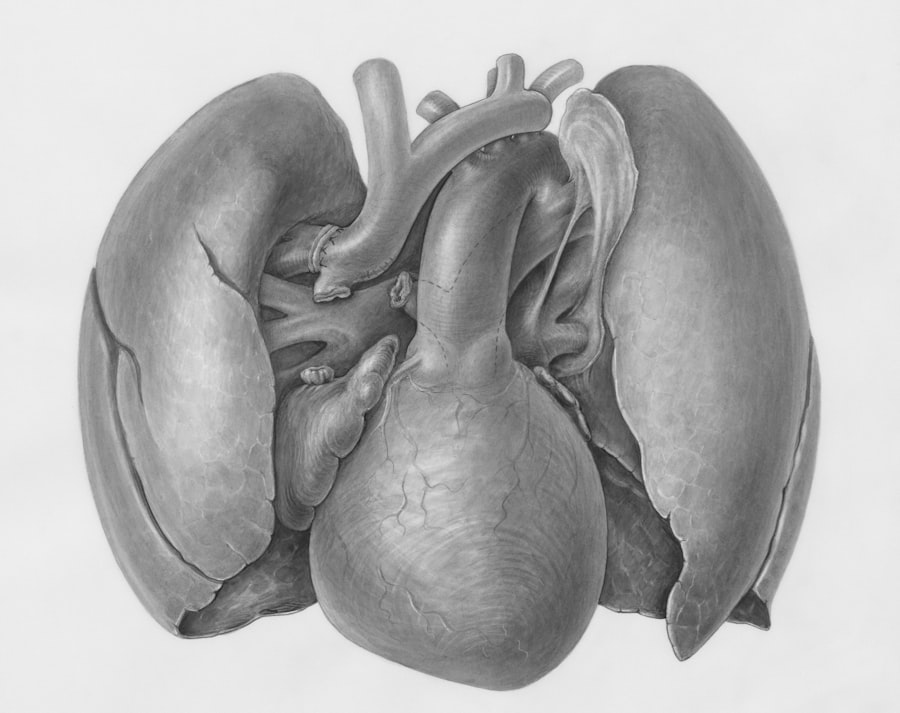
Regular physical activity is one of the most effective strategies for preventing circulatory diseases. Engaging in aerobic exercises such as walking, running, cycling, or swimming strengthens the heart muscle and improves its efficiency in pumping blood. The American Heart Association recommends at least 150 minutes of moderate-intensity aerobic activity per week for adults.
In addition to aerobic exercise, incorporating strength training into one’s routine can enhance overall cardiovascular health by improving muscle mass and metabolic function. Resistance training has been shown to lower blood pressure and improve insulin sensitivity—both critical factors in reducing cardiovascular risk. Moreover, physical activity promotes weight management and reduces stress levels, further contributing to heart health.
Managing Stress and its Impact on Circulatory Health
Chronic stress is a significant contributor to circulatory diseases as it can lead to elevated blood pressure and increased heart rate. The body’s response to stress involves the release of hormones such as cortisol and adrenaline, which can have detrimental effects on cardiovascular health when persistently elevated. Stress management techniques such as mindfulness meditation, yoga, and deep-breathing exercises can help mitigate these effects.
Additionally, social support plays a crucial role in managing stress levels. Engaging with friends and family or participating in community activities can provide emotional support that buffers against stress-related health issues. Developing healthy coping mechanisms is essential for maintaining both mental well-being and cardiovascular health.
Smoking and Circulatory Diseases
Cigarette smoking is one of the most significant modifiable risk factors for circulatory diseases. The harmful chemicals present in tobacco smoke damage blood vessels and promote atherosclerosis by increasing inflammation and oxidative stress. Smokers are at a higher risk for developing coronary artery disease and experiencing heart attacks compared to non-smokers.
Quitting smoking has immediate benefits for cardiovascular health; within just 20 minutes of cessation, heart rate and blood pressure begin to drop.
Various cessation programs and pharmacological interventions such as nicotine replacement therapy (NRT) or prescription medications like varenicline can aid individuals in their journey to quit smoking.
Alcohol Consumption and Circulatory Health
Moderate alcohol consumption has been associated with certain cardiovascular benefits; however, excessive intake poses significant risks. While some studies suggest that moderate drinking may increase high-density lipoprotein (HDL) cholesterol levels—often referred to as “good” cholesterol—heavy drinking can lead to hypertension, cardiomyopathy, and arrhythmias. The key lies in moderation; guidelines suggest that women should limit alcohol intake to one drink per day while men should restrict it to two drinks per day.
It is essential for individuals with existing cardiovascular conditions or those at high risk to consult healthcare professionals regarding alcohol consumption.
Importance of Regular Check-ups and Monitoring
Regular medical check-ups are vital for early detection and management of circulatory diseases. Routine screenings for blood pressure, cholesterol levels, and glucose levels can identify risk factors before they escalate into serious conditions. The American Heart Association recommends that adults have their blood pressure checked at least once every two years if it is within normal ranges; more frequent monitoring is advised for those with elevated readings.
Additionally, healthcare providers may recommend additional tests such as electrocardiograms (ECGs) or echocardiograms for individuals with concerning symptoms or family histories of cardiovascular disease. Proactive monitoring allows for timely interventions that can significantly improve outcomes.
Taking Control of Circulatory Health
In conclusion, circulatory diseases represent a significant public health challenge that requires a multifaceted approach for prevention and management. By understanding the common causes—including genetic factors—and making informed lifestyle choices regarding diet, exercise, stress management, smoking cessation, and alcohol consumption, individuals can take proactive steps toward safeguarding their cardiovascular health. Regular medical check-ups play an essential role in monitoring risk factors and facilitating early intervention strategies.
As we continue to advance our understanding of circulatory diseases through research and education, it becomes increasingly clear that taking control of one’s circulatory health is not only possible but imperative for leading a long and healthy life. In summary:
– Circulatory diseases are leading causes of mortality worldwide.
– Atherosclerosis is a primary contributor to these conditions.
– Genetic predisposition significantly influences individual risk.
– Lifestyle choices such as diet and exercise are critical for prevention.
– Stress management techniques can mitigate negative impacts on heart health.
– Smoking cessation is vital for reducing cardiovascular risks.
– Moderate alcohol consumption may offer some benefits but excessive intake poses dangers.
– Regular check-ups are essential for early detection and management. By adopting a holistic approach that encompasses these various aspects of health management, individuals can significantly reduce their risk of developing circulatory diseases while enhancing their overall quality of life.
Circulatory diseases are a major concern for public health, affecting millions of people worldwide. According to a recent article on National Unity Day: A New Federal Holiday, promoting unity and solidarity among communities can also play a role in preventing and managing circulatory diseases. This highlights the importance of social support and community engagement in improving overall cardiovascular health.
FAQs
What are circulatory diseases?
Circulatory diseases are conditions that affect the circulatory system, which includes the heart, blood vessels, and blood. These diseases can disrupt the normal flow of blood and lead to serious health complications.
What are some common circulatory diseases?
Common circulatory diseases include coronary artery disease, stroke, peripheral artery disease, heart failure, and high blood pressure. These conditions can have a significant impact on a person’s health and quality of life.
What are the risk factors for circulatory diseases?
Risk factors for circulatory diseases include smoking, high cholesterol, high blood pressure, diabetes, obesity, and a sedentary lifestyle. Genetics and family history can also play a role in the development of these diseases.
How can circulatory diseases be prevented?
Preventative measures for circulatory diseases include maintaining a healthy diet, engaging in regular physical activity, avoiding tobacco use, managing stress, and getting regular check-ups with a healthcare provider. Controlling risk factors such as high blood pressure and high cholesterol is also important for prevention.
What are the symptoms of circulatory diseases?
Symptoms of circulatory diseases can vary depending on the specific condition, but common symptoms may include chest pain, shortness of breath, dizziness, numbness or weakness in the limbs, and fatigue. It’s important to seek medical attention if experiencing any of these symptoms.
How are circulatory diseases diagnosed and treated?
Circulatory diseases are diagnosed through a combination of medical history, physical examination, and diagnostic tests such as blood tests, electrocardiograms, and imaging studies. Treatment may involve lifestyle changes, medications, surgical procedures, or other interventions depending on the specific disease and its severity.