Now Reading: Understanding the Different Types of Cardiovascular Disease
-
01
Understanding the Different Types of Cardiovascular Disease
Understanding the Different Types of Cardiovascular Disease
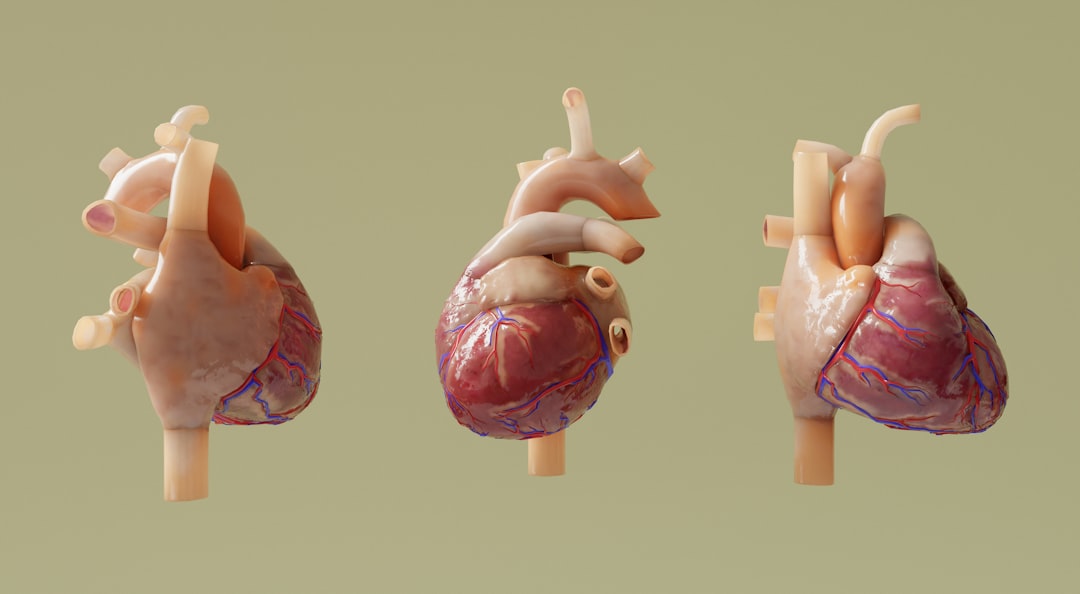
Cardiovascular disease (CVD) encompasses a broad spectrum of disorders affecting the heart and blood vessels, representing a leading cause of morbidity and mortality worldwide. According to the World Health Organization, CVD accounts for approximately 32% of all global deaths, underscoring its significant public health impact. The term “cardiovascular disease” includes various conditions such as coronary artery disease, heart failure, arrhythmias, and more, each with distinct pathophysiological mechanisms and clinical manifestations.
The risk factors contributing to cardiovascular disease are multifaceted, including lifestyle choices, genetic predispositions, and environmental influences. Common modifiable risk factors include hypertension, hyperlipidemia, diabetes mellitus, obesity, smoking, and physical inactivity. Understanding these risk factors is crucial for prevention and management strategies aimed at reducing the burden of cardiovascular disease.
Early detection and intervention can significantly improve outcomes and enhance the quality of life for affected individuals.
Key Takeaways
- Cardiovascular disease is a leading cause of death globally, encompassing a range of conditions affecting the heart and blood vessels.
- Coronary artery disease is a common type of cardiovascular disease characterized by the narrowing of the coronary arteries, leading to reduced blood flow to the heart.
- Heart failure occurs when the heart is unable to pump enough blood to meet the body’s needs, leading to symptoms such as shortness of breath and fatigue.
- Arrhythmias are abnormal heart rhythms that can cause the heart to beat too fast, too slow, or irregularly, potentially leading to complications such as stroke or heart failure.
- Valvular heart disease involves damage or defects in the heart’s valves, affecting the flow of blood within the heart.
Coronary Artery Disease
Coronary artery disease (CAD) is characterized by the narrowing or blockage of coronary arteries due to atherosclerosis, leading to reduced blood flow to the myocardium. This condition often manifests as angina pectoris, which presents as chest pain or discomfort during physical exertion or emotional stress. In severe cases, CAD can culminate in myocardial infarction (heart attack), a life-threatening event requiring immediate medical attention.
Diagnosis of CAD typically involves a combination of clinical evaluation, electrocardiography (ECG), stress testing, and imaging modalities such as coronary angiography. Treatment options for CAD include lifestyle modifications, pharmacotherapy, and invasive procedures. Medications such as antiplatelet agents (e.g., aspirin), statins for lipid management, and beta-blockers for heart rate control are commonly prescribed.
In cases where medical management is insufficient, revascularization procedures like percutaneous coronary intervention (PCI) or coronary artery bypass grafting (CABG) may be indicated.
Heart Failure

Heart failure (HF) is a complex clinical syndrome resulting from the heart’s inability to pump sufficient blood to meet the body’s metabolic demands. It can arise from various etiologies, including ischemic heart disease, hypertension, valvular heart disease, and cardiomyopathy. Patients with heart failure often experience symptoms such as dyspnea, fatigue, and fluid retention, significantly impairing their quality of life.
The classification of heart failure is typically based on the left ventricular ejection fraction (LVEF), distinguishing between heart failure with reduced ejection fraction (HFrEF) and heart failure with preserved ejection fraction (HFpEF). Management strategies for heart failure involve a multidisciplinary approach that includes pharmacological treatment with diuretics, ACE inhibitors, beta-blockers, and aldosterone antagonists. Advanced therapies such as implantable cardioverter-defibrillators (ICDs) and cardiac resynchronization therapy (CRT) may be considered for select patients.
Arrhythmias
| Arrhythmias Type | Prevalence | Symptoms |
|---|---|---|
| Atrial Fibrillation | 33.5 million affected worldwide | Irregular heartbeat, chest pain, dizziness |
| Ventricular Tachycardia | More common in people with heart disease | Rapid heartbeat, fainting, dizziness |
| Bradycardia | Varies depending on underlying cause | Fatigue, dizziness, shortness of breath |
Arrhythmias refer to abnormal heart rhythms that can disrupt the normal electrical conduction system of the heart. These disturbances can manifest as bradycardia (slow heart rate), tachycardia (fast heart rate), or irregular rhythms such as atrial fibrillation. The clinical significance of arrhythmias varies widely; while some may be benign, others can lead to severe complications such as stroke or sudden cardiac death.
Diagnosis of arrhythmias typically involves a thorough history and physical examination, along with diagnostic tools like Holter monitoring and electrophysiological studies. Treatment options depend on the type and severity of the arrhythmia. For instance, atrial fibrillation may be managed with anticoagulation therapy to prevent thromboembolic events, while ventricular tachycardia may necessitate antiarrhythmic medications or catheter ablation procedures.
In certain cases, implantable devices such as pacemakers or ICDs are employed to restore normal rhythm and prevent life-threatening events.
Valvular Heart Disease
Valvular heart disease encompasses a range of conditions affecting the heart valves, which play a critical role in maintaining unidirectional blood flow through the heart chambers. Common types include aortic stenosis, mitral regurgitation, and mitral stenosis. These conditions can lead to significant hemodynamic changes and ultimately result in heart failure if left untreated.
Diagnosis typically involves echocardiography to assess valve structure and function. Treatment options vary based on the severity of the disease and may include medical management or surgical intervention. For instance, patients with symptomatic aortic stenosis may require valve replacement surgery, either through traditional open-heart surgery or minimally invasive transcatheter aortic valve replacement (TAVR).
Medical management may involve diuretics and vasodilators to alleviate symptoms in patients who are not surgical candidates.
Peripheral Artery Disease
Peripheral artery disease (PAD) is characterized by the narrowing of peripheral arteries, primarily affecting the lower extremities due to atherosclerosis. This condition often presents with intermittent claudication—pain or cramping in the legs during physical activity that resolves with rest. PAD is associated with an increased risk of cardiovascular events and can significantly impair mobility and quality of life.
Diagnosis of PAD typically involves an ankle-brachial index (ABI) test, which compares blood pressure in the ankle with that in the arm. Management strategies focus on lifestyle modifications such as smoking cessation and regular exercise programs aimed at improving walking distance. Pharmacotherapy may include antiplatelet agents and statins to reduce cardiovascular risk.
In more advanced cases, revascularization procedures like angioplasty or bypass surgery may be necessary to restore adequate blood flow.
Atherosclerosis
Atherosclerosis is a chronic inflammatory process characterized by the accumulation of lipids, inflammatory cells, and fibrous elements within arterial walls. This condition is a primary contributor to various cardiovascular diseases, including CAD and stroke. Risk factors for atherosclerosis include hyperlipidemia, hypertension, diabetes mellitus, smoking, and sedentary lifestyle.
Preventive measures are crucial in mitigating the progression of atherosclerosis. Lifestyle modifications such as adopting a heart-healthy diet rich in fruits, vegetables, whole grains, and omega-3 fatty acids can significantly impact lipid levels and overall cardiovascular health. Pharmacological interventions often involve statins to lower LDL cholesterol levels and antihypertensive medications to manage blood pressure effectively.
Hypertension
Hypertension is defined as persistently elevated blood pressure levels exceeding 130/80 mmHg. It is a major risk factor for cardiovascular disease and can lead to complications such as heart failure, stroke, and renal impairment if not adequately controlled. The pathophysiology of hypertension involves complex interactions between genetic predisposition and environmental factors.
Management of hypertension typically involves lifestyle modifications such as dietary changes (DASH diet), regular physical activity, weight management, and limiting alcohol intake. Pharmacotherapy may include diuretics, ACE inhibitors, angiotensin II receptor blockers (ARBs), calcium channel blockers, and beta-blockers tailored to individual patient needs. Regular monitoring of blood pressure is essential to ensure effective control and reduce cardiovascular risk.
Cardiomyopathy
Cardiomyopathy refers to a group of diseases affecting the myocardium’s structure and function. It can be classified into several types: dilated cardiomyopathy (DCM), hypertrophic cardiomyopathy (HCM), restrictive cardiomyopathy (RCM), and arrhythmogenic right ventricular cardiomyopathy (ARVC). Each type has distinct etiologies ranging from genetic mutations to acquired conditions such as ischemia or inflammation.
Diagnosis often involves echocardiography to assess cardiac structure and function alongside cardiac MRI for detailed imaging. Treatment strategies depend on the specific type of cardiomyopathy but may include lifestyle modifications, pharmacotherapy with beta-blockers or ACE inhibitors, and advanced therapies like implantable devices or heart transplantation in severe cases.
Congenital Heart Disease
Congenital heart disease (CHD) encompasses structural abnormalities of the heart present at birth that can affect normal blood flow through the heart chambers. These defects can range from simple conditions like atrial septal defects to complex anomalies requiring surgical intervention shortly after birth. The prevalence of CHD is approximately 1 in 100 live births.
Management of congenital heart disease often requires a multidisciplinary approach involving pediatric cardiologists and cardiac surgeons. Treatment options may include surgical repair or catheter-based interventions during infancy or childhood. Long-term follow-up is essential for individuals with CHD to monitor for potential complications such as arrhythmias or heart failure as they age.
Stroke and Cardiovascular Disease
Stroke is a significant complication associated with cardiovascular disease that occurs when blood flow to the brain is interrupted or reduced. There are two primary types: ischemic stroke caused by a blockage in an artery supplying blood to the brain and hemorrhagic stroke resulting from bleeding in or around the brain. Risk factors for stroke overlap significantly with those for cardiovascular disease, including hypertension, diabetes mellitus, atrial fibrillation, and hyperlipidemia.
Preventive strategies for stroke focus on managing underlying cardiovascular risk factors through lifestyle modifications and pharmacotherapy aimed at reducing thromboembolic events. Anticoagulants are often prescribed for patients with atrial fibrillation to prevent stroke occurrence. In acute stroke management, timely intervention is critical; thrombolytic therapy may be administered within a specific time window for ischemic strokes to restore blood flow.
In summary, cardiovascular disease encompasses a wide array of conditions affecting the heart and vascular system that pose significant health risks globally. Understanding its various forms—such as coronary artery disease, heart failure, arrhythmias, valvular heart disease, peripheral artery disease, atherosclerosis, hypertension, cardiomyopathy, congenital heart disease, and stroke—is essential for effective prevention and treatment strategies. By addressing modifiable risk factors through lifestyle changes and appropriate medical interventions, individuals can significantly reduce their risk of developing cardiovascular diseases while improving their overall health outcomes.