Now Reading: Managing Hypertensive and Atherosclerotic Cardiovascular Disease
-
01
Managing Hypertensive and Atherosclerotic Cardiovascular Disease
Managing Hypertensive and Atherosclerotic Cardiovascular Disease
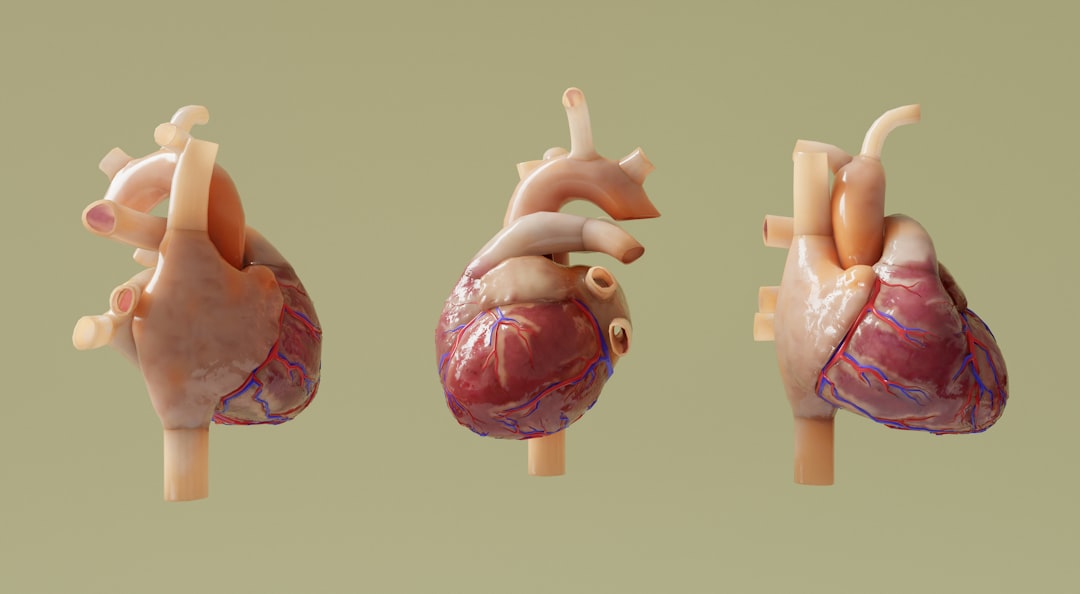
Hypertensive and atherosclerotic cardiovascular diseases (CVD) represent a significant global health challenge, contributing to morbidity and mortality rates worldwide. Hypertension, characterized by elevated blood pressure, is often a precursor to atherosclerosis, a condition marked by the buildup of plaque in arterial walls. This pathological process can lead to coronary artery disease, stroke, and peripheral artery disease.
The interplay between these two conditions is complex; hypertension can exacerbate the progression of atherosclerosis, while atherosclerosis can further elevate blood pressure due to narrowed arteries. The World Health Organization (WHO) estimates that approximately 1.13 billion people globally suffer from hypertension, with only 1 in 5 individuals having it under control. Atherosclerosis is equally prevalent, with studies indicating that nearly half of adults over the age of 40 exhibit some degree of arterial plaque buildup.
Understanding the mechanisms behind these diseases is crucial for effective management and prevention strategies. Risk factors include age, obesity, sedentary lifestyle, smoking, and genetic predisposition, all of which contribute to the development and progression of these cardiovascular conditions.
Key Takeaways
- Hypertensive and atherosclerotic cardiovascular diseases are closely related and can often coexist in individuals.
- Lifestyle modifications such as regular exercise and dietary changes play a crucial role in managing hypertensive and atherosclerotic cardiovascular diseases.
- Medications are often necessary for controlling and managing hypertensive and atherosclerotic cardiovascular diseases, and should be taken as prescribed by a healthcare professional.
- Regular exercise is important in managing hypertensive and atherosclerotic cardiovascular diseases as it helps improve cardiovascular health and overall well-being.
- Dietary changes, such as reducing sodium intake and increasing consumption of fruits and vegetables, are important for managing hypertensive and atherosclerotic cardiovascular diseases.
Lifestyle Modifications for Managing Hypertensive and Atherosclerotic Cardiovascular Disease
Implementing lifestyle modifications is paramount in managing hypertensive and atherosclerotic cardiovascular diseases. These changes can significantly reduce blood pressure levels and slow the progression of atherosclerosis. One of the most effective strategies is adopting a heart-healthy diet, such as the DASH (Dietary Approaches to Stop Hypertension) diet, which emphasizes fruits, vegetables, whole grains, and lean proteins while minimizing sodium intake.
Research indicates that reducing sodium intake to less than 2,300 mg per day can lower blood pressure by approximately 5-6 mmHg. In addition to dietary changes, weight management plays a critical role in controlling hypertension and atherosclerosis. Obesity is a significant risk factor for both conditions; thus, achieving and maintaining a healthy weight can lead to substantial improvements in cardiovascular health.
Studies show that even modest weight loss of 5-10% can result in meaningful reductions in blood pressure and improved lipid profiles.
Medications for Controlling Hypertensive and Atherosclerotic Cardiovascular Disease

Pharmacological interventions are often necessary for individuals unable to achieve adequate control through lifestyle modifications alone. Antihypertensive medications are classified into several categories, including diuretics, ACE inhibitors, angiotensin II receptor blockers (ARBs), beta-blockers, and calcium channel blockers. Each class works through different mechanisms to lower blood pressure effectively.
For instance, ACE inhibitors like lisinopril not only reduce blood pressure but also provide renal protection in patients with diabetes or chronic kidney disease.
These medications lower low-density lipoprotein (LDL) cholesterol levels and stabilize plaque formation in arteries. The American College of Cardiology recommends statin therapy for individuals with a history of cardiovascular events or those with elevated LDL levels above 190 mg/dL.
Importance of Regular Exercise in Managing Hypertensive and Atherosclerotic Cardiovascular Disease
| Metrics | Importance |
|---|---|
| Reduced Blood Pressure | Regular exercise helps in lowering blood pressure, reducing the risk of hypertensive cardiovascular disease. |
| Improved Cardiovascular Health | Exercise contributes to better heart health, reducing the risk of atherosclerotic cardiovascular disease. |
| Weight Management | Physical activity helps in maintaining a healthy weight, which is important for managing cardiovascular diseases. |
| Improved Blood Circulation | Exercise promotes better blood flow, reducing the risk of plaque buildup in arteries. |
| Stress Reduction | Regular exercise can help in managing stress, which is beneficial for overall cardiovascular health. |
Regular physical activity is an essential component of managing hypertensive and atherosclerotic cardiovascular diseases. Engaging in aerobic exercises such as walking, jogging, cycling, or swimming for at least 150 minutes per week can lead to significant improvements in cardiovascular health. Exercise promotes vasodilation, enhances endothelial function, and aids in weight management—all critical factors in controlling hypertension and preventing atherosclerosis.
Moreover, resistance training has been shown to have beneficial effects on blood pressure and overall cardiovascular health. Incorporating strength training exercises at least twice a week can improve muscle mass and metabolic rate, further aiding in weight control. The American Heart Association emphasizes the importance of combining both aerobic and resistance training for optimal cardiovascular benefits.
Dietary Changes for Managing Hypertensive and Atherosclerotic Cardiovascular Disease
Dietary modifications are fundamental in managing hypertensive and atherosclerotic cardiovascular diseases. The Mediterranean diet is particularly beneficial due to its emphasis on healthy fats from olive oil, nuts, and fish while limiting saturated fats and processed foods. This dietary pattern has been associated with lower blood pressure levels and reduced risk of cardiovascular events.
In addition to adopting heart-healthy diets, individuals should focus on increasing their intake of potassium-rich foods such as bananas, sweet potatoes, spinach, and avocados. Potassium helps counteract the effects of sodium on blood pressure. Furthermore, incorporating fiber-rich foods like whole grains, legumes, fruits, and vegetables can improve lipid profiles and promote overall heart health.
Monitoring and Managing Stress for Hypertensive and Atherosclerotic Cardiovascular Disease
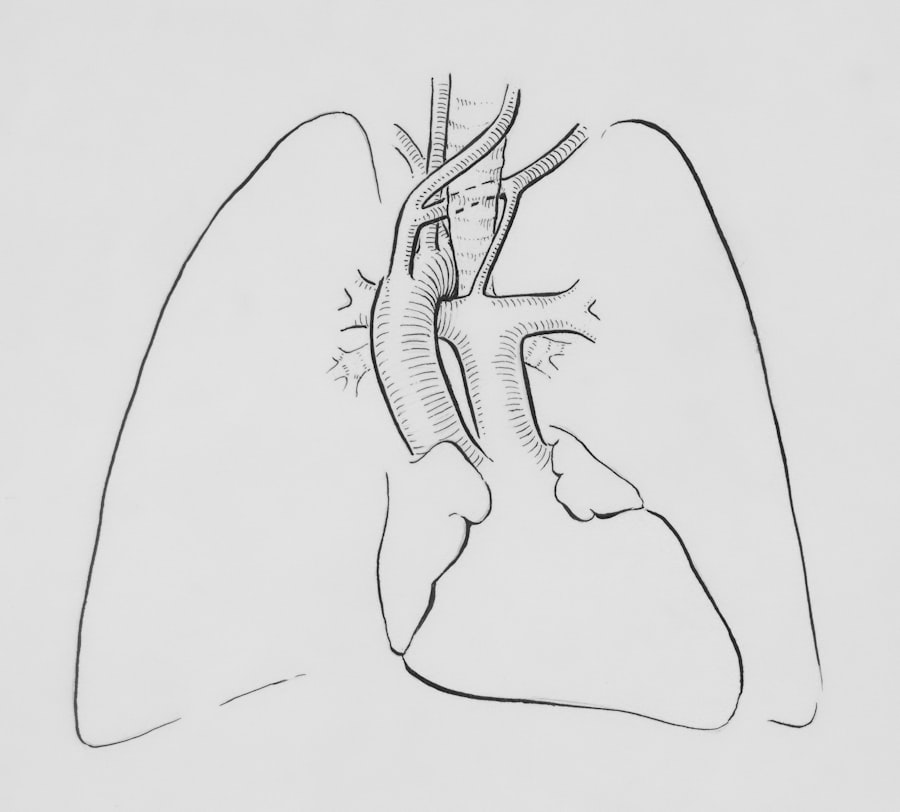
Chronic stress is a significant contributor to hypertension and can exacerbate existing cardiovascular conditions. The physiological response to stress involves the release of catecholamines, which can lead to increased heart rate and elevated blood pressure. Therefore, effective stress management techniques are essential for individuals with hypertensive and atherosclerotic cardiovascular diseases.
Mindfulness practices such as meditation, yoga, and deep-breathing exercises have been shown to reduce stress levels significantly. Cognitive-behavioral therapy (CBT) can also be beneficial in addressing anxiety or depression that may accompany chronic illness. Engaging in hobbies or social activities can provide emotional support and distraction from stressors, further promoting cardiovascular health.
Importance of Regular Check-ups and Monitoring for Hypertensive and Atherosclerotic Cardiovascular Disease
Regular medical check-ups are crucial for individuals managing hypertensive and atherosclerotic cardiovascular diseases. Routine monitoring allows healthcare providers to assess blood pressure levels, evaluate medication efficacy, and identify any potential complications early on. The American Heart Association recommends that adults have their blood pressure checked at least once every two years if it is within normal ranges; however, those with hypertension should have more frequent evaluations.
Additionally, lipid profiles should be monitored regularly to assess cholesterol levels and adjust treatment plans accordingly. Regular follow-ups enable healthcare providers to tailor interventions based on individual progress and response to treatment.
Understanding the Role of Genetics in Hypertensive and Atherosclerotic Cardiovascular Disease
Genetic predisposition plays a significant role in the development of hypertensive and atherosclerotic cardiovascular diseases. Family history is a well-established risk factor; individuals with first-degree relatives who have experienced heart disease or hypertension are at an increased risk themselves. Genetic variations can influence how individuals metabolize medications or respond to lifestyle changes.
Recent advancements in genomics have led to the identification of specific genes associated with hypertension and lipid metabolism disorders. Understanding these genetic factors can aid healthcare providers in developing personalized treatment plans that consider an individual’s unique genetic makeup.
Managing Hypertensive and Atherosclerotic Cardiovascular Disease in Older Adults
Older adults face unique challenges when managing hypertensive and atherosclerotic cardiovascular diseases due to age-related physiological changes. The prevalence of hypertension increases with age; nearly 70% of adults aged 65 years or older are affected by this condition. Additionally, older adults may experience polypharmacy due to comorbidities, increasing the risk of adverse drug interactions.
Tailoring treatment plans for older adults requires careful consideration of their overall health status, functional capacity, and potential side effects of medications. Non-pharmacological interventions such as dietary modifications and exercise should be emphasized alongside pharmacotherapy to ensure comprehensive management.
Addressing Comorbidities in Managing Hypertensive and Atherosclerotic Cardiovascular Disease
Comorbidities such as diabetes mellitus, chronic kidney disease, and obesity frequently coexist with hypertensive and atherosclerotic cardiovascular diseases. These conditions can complicate management strategies; therefore, an integrated approach is essential for optimal outcomes. For instance, individuals with diabetes require careful monitoring of blood glucose levels alongside blood pressure management.
Collaborative care involving multidisciplinary teams—including primary care physicians, cardiologists, dietitians, and mental health professionals—can enhance treatment efficacy by addressing all aspects of an individual’s health. This holistic approach ensures that comorbidities are managed concurrently with cardiovascular conditions.
Seeking Support and Resources for Managing Hypertensive and Atherosclerotic Cardiovascular Disease
Support systems play a vital role in managing hypertensive and atherosclerotic cardiovascular diseases effectively. Patients are encouraged to seek resources such as support groups or educational programs that provide information on disease management strategies. Organizations like the American Heart Association offer valuable resources for patients seeking guidance on lifestyle changes, medication adherence, and emotional support.
Additionally, engaging family members or caregivers in the management process can foster accountability and encouragement. Utilizing technology such as mobile health applications can also aid individuals in tracking their progress regarding diet, exercise, medication adherence, and stress management. In summary, hypertensive and atherosclerotic cardiovascular diseases pose significant health risks that require comprehensive management strategies encompassing lifestyle modifications, pharmacological interventions, regular monitoring, stress management techniques, dietary changes, exercise regimens, genetic considerations, tailored approaches for older adults, addressing comorbidities effectively, and seeking support resources.
By adopting these multifaceted strategies, individuals can significantly improve their cardiovascular health outcomes while enhancing their overall quality of life.
A recent study published in the Journal of Hypertension found a strong link between hypertensive and atherosclerotic cardiovascular disease. This research highlights the importance of managing high blood pressure to reduce the risk of developing heart disease. For more information on cardiovascular health and prevention strategies, check out this informative article on federal holidays in the United States.
FAQs
What is hypertensive cardiovascular disease?
Hypertensive cardiovascular disease refers to a group of conditions that include heart disease, stroke, and other vascular diseases that are caused or exacerbated by high blood pressure.
What is atherosclerotic cardiovascular disease?
Atherosclerotic cardiovascular disease is a condition caused by the build-up of plaque in the arteries, leading to restricted blood flow and an increased risk of heart attack, stroke, and other cardiovascular complications.
What are the risk factors for hypertensive and atherosclerotic cardiovascular disease?
Risk factors for these conditions include high blood pressure, high cholesterol, smoking, diabetes, obesity, and a sedentary lifestyle.
What are the symptoms of hypertensive and atherosclerotic cardiovascular disease?
Symptoms can include chest pain, shortness of breath, fatigue, dizziness, and in severe cases, heart attack or stroke.
How are hypertensive and atherosclerotic cardiovascular diseases diagnosed?
Diagnosis typically involves a combination of blood pressure measurements, cholesterol tests, imaging tests (such as an echocardiogram or angiogram), and other diagnostic procedures.
What are the treatment options for hypertensive and atherosclerotic cardiovascular disease?
Treatment may include lifestyle changes (such as diet and exercise), medications to control blood pressure and cholesterol, and in some cases, surgical interventions such as angioplasty or bypass surgery.
How can hypertensive and atherosclerotic cardiovascular diseases be prevented?
Prevention strategies include maintaining a healthy weight, exercising regularly, eating a balanced diet, not smoking, managing stress, and getting regular check-ups with a healthcare provider.