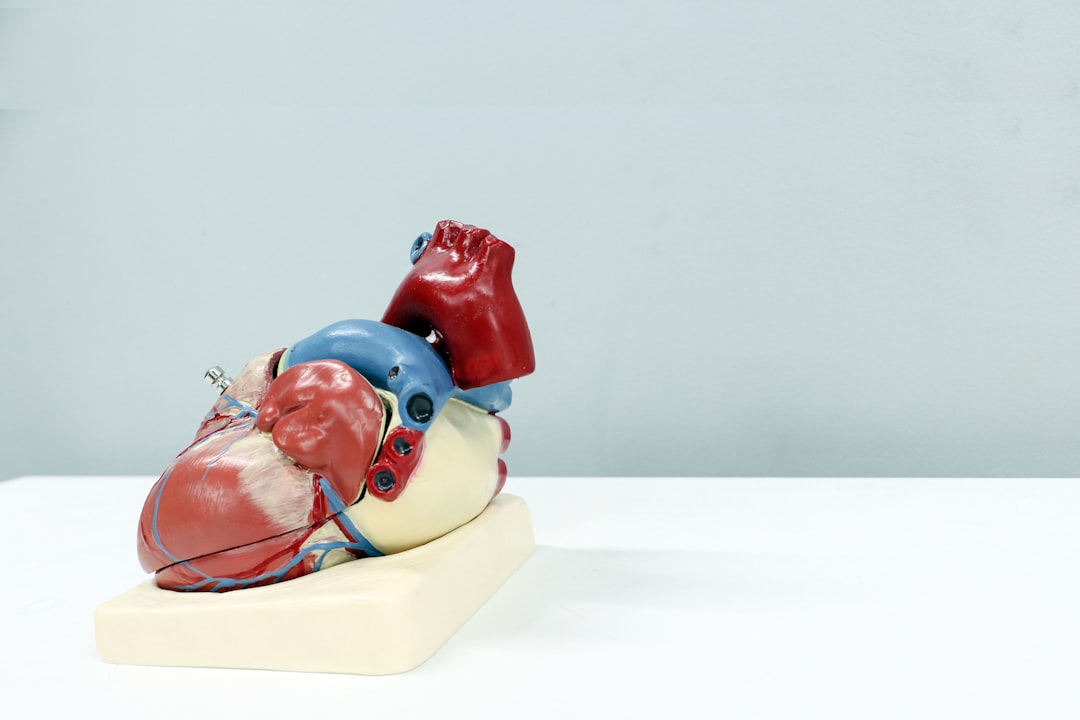
Now Reading: The Silent Killer: Understanding Heart Failure – Heart failure occurs when the heart is unable to pump enough blood to meet the body’s needs, leading to fatigue, shortness of breath, and fluid retention.
-
01
The Silent Killer: Understanding Heart Failure – Heart failure occurs when the heart is unable to pump enough blood to meet the body’s needs, leading to fatigue, shortness of breath, and fluid retention.
The Silent Killer: Understanding Heart Failure – Heart failure occurs when the heart is unable to pump enough blood to meet the body’s needs, leading to fatigue, shortness of breath, and fluid retention.

Heart failure, often referred to as congestive heart failure (CHF), is a complex clinical syndrome characterized by the heart’s inability to pump sufficient blood to meet the body’s metabolic demands. This condition can arise from various underlying cardiovascular diseases, leading to a progressive decline in cardiac function. Heart failure is not a singular disease but rather a manifestation of multiple cardiac pathologies, including ischemic heart disease, hypertension, and valvular heart disorders.
The heart’s compromised ability to maintain adequate circulation results in a cascade of physiological changes, ultimately affecting organ perfusion and leading to systemic complications. The prevalence of heart failure is alarming, with estimates suggesting that approximately 6.2 million adults in the United States are living with this condition. The burden of heart failure extends beyond the individual, impacting healthcare systems due to frequent hospitalizations and significant healthcare costs.
Understanding the intricacies of heart failure is crucial for effective management and improving patient outcomes.
Key Takeaways
- Heart failure is a condition where the heart is unable to pump enough blood to meet the body’s needs.
- Causes and risk factors for heart failure include high blood pressure, coronary artery disease, and heart attack.
- Signs and symptoms of heart failure can include shortness of breath, fatigue, and swelling in the legs and abdomen.
- Diagnosing heart failure involves a physical exam, imaging tests, and blood tests to assess heart function.
- Treatment options for heart failure may include medications, lifestyle changes, and in severe cases, surgery or a heart transplant.
Causes and Risk Factors for Heart Failure
Heart failure can be precipitated by a multitude of factors, with ischemic heart disease being the most prevalent cause. Myocardial infarction, or heart attack, leads to irreversible damage to cardiac tissue, impairing the heart’s pumping ability.
Other causes include cardiomyopathies, which are diseases of the heart muscle that can be genetic or acquired, and valvular heart disease, where malfunctioning heart valves disrupt normal blood flow. Several risk factors exacerbate the likelihood of developing heart failure. These include lifestyle choices such as smoking, excessive alcohol consumption, and physical inactivity.
Age is also a critical factor; the incidence of heart failure rises sharply in individuals over 65 years old. Understanding these causes and risk factors is essential for implementing preventive strategies and early interventions.
Signs and Symptoms of Heart Failure

The clinical presentation of heart failure can vary widely among individuals but typically includes a constellation of symptoms that reflect impaired cardiac function. Common manifestations include dyspnea, or shortness of breath, which may occur during exertion or even at rest in advanced cases. Patients often experience fatigue and weakness due to inadequate oxygen delivery to tissues.
Peripheral edema, characterized by swelling in the legs and ankles, results from fluid retention caused by compromised renal perfusion. Other symptoms may include orthopnea (difficulty breathing while lying flat), paroxysmal nocturnal dyspnea (sudden nighttime breathlessness), and persistent cough or wheezing due to pulmonary congestion. Patients may also report palpitations or irregular heartbeats as the heart struggles to maintain an effective rhythm.
Recognizing these signs early can facilitate timely diagnosis and management.
Diagnosing Heart Failure
| Metrics | Value |
|---|---|
| Sensitivity | 90% |
| Specificity | 85% |
| Positive Predictive Value | 80% |
| Negative Predictive Value | 95% |
| Accuracy | 88% |
The diagnostic process for heart failure involves a comprehensive evaluation that includes a detailed medical history, physical examination, and various diagnostic tests. Clinicians often begin by assessing symptoms and risk factors during the patient interview. Physical examination may reveal signs such as elevated jugular venous pressure, crackles upon lung auscultation, and peripheral edema.
Diagnostic tests play a pivotal role in confirming heart failure. Electrocardiograms (ECGs) can identify arrhythmias or previous myocardial infarctions. Echocardiography is crucial for assessing cardiac structure and function, providing insights into ejection fraction (EF), which categorizes heart failure into preserved (HFpEF) or reduced ejection fraction (HFrEF).
Blood tests, including B-type natriuretic peptide (BNP) levels, can aid in diagnosis by indicating cardiac stress. A thorough diagnostic approach ensures accurate identification of heart failure and its underlying causes.
Treatment Options for Heart Failure
Management of heart failure encompasses a multifaceted approach aimed at alleviating symptoms, improving quality of life, and prolonging survival. Pharmacological interventions are foundational in treatment regimens. Angiotensin-converting enzyme (ACE) inhibitors are commonly prescribed to reduce mortality by decreasing cardiac workload and improving hemodynamics.
Beta-blockers also play a critical role in managing heart failure by mitigating sympathetic nervous system activation. Diuretics are frequently utilized to manage fluid overload and alleviate symptoms such as edema and dyspnea. In cases where patients exhibit persistent symptoms despite optimal medical therapy, advanced options such as implantable cardioverter-defibrillators (ICDs) or cardiac resynchronization therapy (CRT) may be indicated.
For select patients with end-stage heart failure, heart transplantation remains a viable option.
Lifestyle Changes to Manage Heart Failure

In addition to pharmacological treatment, lifestyle modifications are essential for managing heart failure effectively. Dietary changes play a significant role; patients are often advised to adhere to a low-sodium diet to minimize fluid retention and reduce blood pressure. Regular physical activity tailored to individual capabilities can enhance cardiovascular fitness and improve overall well-being.
Weight management is crucial; maintaining a healthy body weight can alleviate stress on the heart. Smoking cessation is imperative as tobacco use exacerbates cardiovascular disease progression. Furthermore, limiting alcohol intake is recommended due to its potential negative impact on cardiac function.
Engaging in regular follow-up appointments with healthcare providers ensures ongoing assessment and adjustment of treatment plans as needed.
Complications of Heart Failure
Heart failure can lead to several complications that significantly impact patient health and quality of life. One major complication is renal dysfunction; reduced cardiac output can impair kidney perfusion, leading to acute kidney injury or chronic kidney disease. Additionally, patients with heart failure are at increased risk for thromboembolic events such as stroke due to stagnant blood flow in the atria.
Arrhythmias are another common complication; atrial fibrillation frequently occurs in patients with heart failure due to structural changes in the heart. This irregular heartbeat can further compromise cardiac output and increase the risk of stroke. Furthermore, psychological complications such as depression and anxiety are prevalent among individuals with heart failure, necessitating comprehensive care that addresses both physical and mental health.
Understanding the Different Types of Heart Failure
Heart failure is categorized into several types based on ejection fraction and underlying mechanisms. HFrEF is characterized by reduced ejection fraction (typically less than 40%), indicating impaired systolic function where the heart cannot contract effectively. Conversely, HFpEF involves preserved ejection fraction (greater than 50%), where diastolic dysfunction impairs the heart’s ability to relax and fill adequately.
Other classifications include right-sided heart failure, which primarily affects the right ventricle’s ability to pump blood into the pulmonary circulation, often resulting from left-sided failure or pulmonary hypertension. Congestive heart failure refers to fluid overload due to inadequate cardiac output, leading to congestion in various organs. Understanding these distinctions aids clinicians in tailoring treatment strategies based on specific patient needs.
The Importance of Early Detection and Management
Early detection of heart failure is paramount for improving patient outcomes and reducing morbidity and mortality rates associated with this condition. Timely intervention allows for the implementation of lifestyle modifications and pharmacological therapies that can slow disease progression and enhance quality of life. Regular screening for at-risk populations—such as those with hypertension or diabetes—can facilitate early diagnosis.
Patient education plays a vital role in self-management; individuals should be aware of their symptoms and encouraged to seek medical attention promptly if they experience worsening signs of heart failure. Healthcare providers must foster open communication with patients regarding their condition, treatment options, and potential complications to empower them in their care journey.
Support and Resources for Those Living with Heart Failure
Living with heart failure can be challenging; therefore, support systems are essential for patients and their families. Numerous organizations provide resources aimed at educating patients about their condition and offering emotional support. The American Heart Association (AHA) and the Heart Failure Society of America (HFSA) offer valuable information on managing heart failure through educational materials, support groups, and online forums.
Additionally, healthcare providers can connect patients with rehabilitation programs designed specifically for those with cardiovascular conditions. These programs often include supervised exercise training, nutritional counseling, and psychological support tailored to individual needs. Engaging with these resources fosters a sense of community among patients facing similar challenges.
Research and Advances in Heart Failure Treatment
Ongoing research into heart failure treatment continues to yield promising advancements aimed at improving patient outcomes. Recent studies have explored novel pharmacological agents such as angiotensin receptor-neprilysin inhibitors (ARNIs), which have demonstrated significant benefits in reducing hospitalizations and mortality rates among patients with HFrEF. Additionally, advancements in device therapy have led to improved outcomes for patients with advanced heart failure through innovations such as left ventricular assist devices (LVADs) that provide mechanical support for the failing heart while awaiting transplantation.
Gene therapy and regenerative medicine are also emerging fields that hold potential for repairing damaged cardiac tissue. In summary, understanding heart failure encompasses recognizing its definition, causes, symptoms, diagnostic methods, treatment options, lifestyle modifications, complications, types, early detection importance, support resources, and ongoing research advancements. With approximately 6.2 million adults affected in the U.S., addressing this condition through comprehensive management strategies is crucial for enhancing patient quality of life and reducing healthcare burdens associated with this chronic syndrome.
Heart failure can be caused by a variety of factors, including high blood pressure, coronary artery disease, and heart valve disorders. According to a recent article on Amazon Music Unlimited featuring Dolby Atmos, stress and anxiety can also play a role in the development of heart failure. It is important to manage these risk factors and seek medical attention if you experience symptoms such as shortness of breath, fatigue, or swelling in the legs. By taking care of your heart health, you can reduce your risk of heart failure and live a longer, healthier life.
FAQs
What is heart failure?
Heart failure is a condition in which the heart is unable to pump enough blood to meet the body’s needs. This can lead to symptoms such as shortness of breath, fatigue, and swelling in the legs and abdomen.
What are the common causes of heart failure?
Common causes of heart failure include coronary artery disease, high blood pressure, heart valve disorders, and cardiomyopathy. Other factors such as diabetes, obesity, and excessive alcohol consumption can also contribute to the development of heart failure.
How does heart failure affect the body?
Heart failure can lead to a buildup of fluid in the lungs and other parts of the body, causing symptoms such as shortness of breath, fatigue, and swelling. It can also weaken the heart muscle over time, leading to further complications.
What are the risk factors for heart failure?
Risk factors for heart failure include high blood pressure, coronary artery disease, diabetes, obesity, and a history of heart attacks. Other factors such as excessive alcohol consumption, smoking, and a family history of heart disease can also increase the risk of developing heart failure.
Can heart failure be prevented?
While some risk factors for heart failure, such as family history and age, cannot be changed, there are steps that can be taken to reduce the risk of developing heart failure. These include maintaining a healthy weight, exercising regularly, managing high blood pressure and diabetes, and avoiding excessive alcohol consumption and smoking.
What are the treatment options for heart failure?
Treatment for heart failure may include medications to help the heart pump more effectively, manage symptoms, and reduce the risk of complications. Lifestyle changes, such as a heart-healthy diet and regular exercise, are also important. In some cases, medical procedures or surgery may be necessary to treat underlying causes of heart failure.